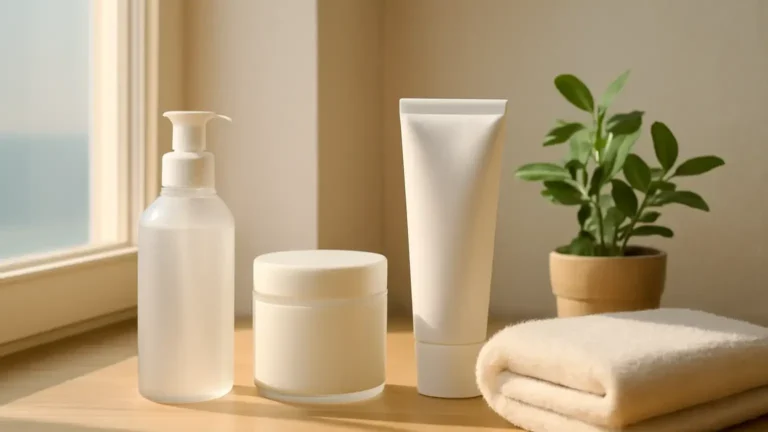
The most common skin care mistakes after exfoliation are adding more actives, using a harsh cleanser and skipping daytime sun protection. This guide is for anyone who has used a chemical exfoliant or face scrub and wants a calmer post-treatment routine. For the next 24 hours, simplify: cleanse gently, moisturise generously, protect exposed skin from UV and pause anything that stings or speeds up exfoliation.
Exfoliation removes some of the built-up cells on the skin’s surface. Chemical exfoliation uses acids such as alpha hydroxy acids, beta hydroxy acid or polyhydroxy acids, while physical exfoliation relies on rubbing with a scrub, pad or tool. Both can be useful, but both can also leave skin temporarily more reactive.
A 24-hour pause is a practical general rule, not a rigid medical deadline. The right recovery window depends on the product strength, how often you exfoliate, your skin’s sensitivity and whether the procedure was done at home or by a professional. A clinic-applied peel may have different aftercare instructions, which should take priority.
Why a simpler routine helps after exfoliation
Immediately after exfoliating, the skin barrier may feel drier or more easily irritated. This does not mean exfoliation has permanently damaged the skin. It does mean that layering several potentially irritating products can create avoidable discomfort.
A good post-exfoliation routine has three jobs: remove sweat and residue without aggressive rubbing, reduce dryness with a suitable moisturiser, and limit additional environmental stress. If your skin feels hot, unusually tight, raw or persistently uncomfortable, treat those sensations as a signal to stop experimenting rather than as proof that the product is “working”.
6 skin care mistakes after exfoliation to pause for 24 hours
1. Adding another exfoliating product
Do not follow one exfoliant with another acid, scrub, peeling gel or exfoliating toner. Combining chemical exfoliation with physical exfoliation is especially easy to overdo because the two forms create irritation through different routes.
Pause products containing exfoliating acids, rough particles or strong resurfacing claims for at least the rest of the day. If you exfoliated in the evening, resume your normal schedule only when the skin feels comfortable the next day; sensitive skin may need longer.
2. Applying retinol or other strong actives
Retinol, prescription retinoids and some acne-focused products can be drying or irritating on their own. Applying them directly after exfoliation can make stinging and peeling more likely. This is one of the most important post exfoliation skin care mistakes to avoid, particularly if you are new to either product.
Temporarily pause retinol and other active ingredients, including products that leave a noticeable tingling sensation. Do not change prescribed treatment without speaking to the prescribing clinician. If a dermatologist has given you a specific schedule, follow that professional advice instead of a general 24-hour rule.
3. Using a harsh cleanser or rubbing the skin
A foaming, fragranced or very degreasing cleanser may feel “extra clean”, but it can make freshly exfoliated skin feel tighter. Face brushes, cleansing devices, rough towels and vigorous massage add more friction.
Choose a gentle cleanser with lukewarm water, use your fingertips and pat dry with a soft towel. In the morning, some people with dry or sensitive skin may prefer a water rinse, provided it removes overnight residue comfortably. Avoid hot water, scrubbing and repeated washing.
4. Skipping moisturiser because the skin feels smooth
Skin can feel exceptionally smooth after exfoliation, which may tempt you to leave it bare. That is a mistake if your face feels tight or dry. Apply a fragrance-free moisturiser while the skin is slightly damp. Look for a straightforward formula that supports the skin barrier rather than one packed with acids, essential oils or strong fragrance.
Ingredients such as ceramides, glycerin and squalane can be useful in a barrier-supporting moisturiser, although no single ingredient is essential for everyone. If you are prone to congestion, choose a texture that suits you—light lotion, gel-cream or richer cream—without applying more product than feels comfortable.
5. Treating vitamin C serum as automatically gentle
Vitamin C serum is not the same as an exfoliating acid, but some formulas can sting, particularly when they are highly concentrated or combined with other active ingredients. If your skin is sensitive after exfoliation, postpone it for the day rather than testing your tolerance when the barrier feels unsettled.
A simple hydrating layer containing hyaluronic acid may be comfortable for some people, but even a hydrating product should be stopped if it burns or causes noticeable redness. “Hydrating” does not guarantee that every formula will suit freshly exfoliated skin. Patch testing new products on a small area before full-face use is a sensible habit.
6. Going into strong sun without protection
Skipping daytime protection is one of the costliest avoidable mistakes after exfoliating skin. Apply a broad-spectrum sunscreen suitable for your skin and use enough to cover the face, ears and other exposed areas. Reapply when outdoors for extended periods, sweating or swimming, according to the product directions.
In India, bright sun, heat and outdoor commuting can make practical protection especially important. A hat, sunglasses, shade and avoiding prolonged midday exposure can support sunscreen. Sunscreen should not be used as permission to stay in intense sunlight for longer.
What to use instead: a low-irritation routine
- Cleanse gently: Use a mild, non-scrubbing cleanser at night, or rinse with water in the morning if that is comfortable for your skin.
- Moisturise: Apply a fragrance-free moisturiser to slightly damp skin. Add a second thin layer only if dryness remains.
- Protect in the daytime: Finish with broad-spectrum sunscreen and use shade or protective clothing outdoors.
- Observe before adding products: Wait until there is no unusual stinging, tightness, warmth or increasing redness before returning to stronger products.
This routine is intentionally unexciting. It avoids creating a product-versus-product problem while giving you a clearer way to notice how your skin responds.
When can normal products return?
For a mild, familiar exfoliating product, many people can return to their usual routine after about 24 hours if the skin looks and feels normal. Reintroduce products one at a time rather than applying retinol, vitamin C, exfoliating acids and a new mask together.
If skin remains tender, flaky, itchy or red, extend the pause. The calendar matters less than the condition of your skin. A stronger peel, an unfamiliar formula or a history of sensitivity may justify a longer recovery period. A professional treatment may also require specific restrictions on exercise, heat, makeup or active ingredients; follow the provider’s written instructions.
Deciding whether you exfoliated too often
Occasional mild dryness is different from repeated burning, persistent tightness, cracking or worsening redness. These signs can indicate that your routine is too frequent or too intense for your skin. Do not respond by scrubbing away flakes or adding another “repair” treatment.
Review the whole week rather than only the last product. Count acids, scrubs, retinoids, acne treatments, masks and cleansing tools together. A product may be individually reasonable but still be too much when combined with several other active steps. Reduce unnecessary overlap and consider patch testing when introducing a replacement.
For ongoing, severe or concerning symptoms—including swelling, blistering, significant pain or symptoms around the eyes—seek advice from a dermatologist or doctor. General beauty guidance cannot identify the cause of a persistent reaction.
Quick takeaway
The safest answer to skin care mistakes after exfoliation is to pause extra exfoliation, retinol, irritating active ingredients, rough cleansing, aggressive rubbing and unprotected sun exposure for at least 24 hours. Use a gentle cleanser, a comfortable moisturiser and broad-spectrum sunscreen instead. Return to normal products only when your skin feels settled, and allow more time when the exfoliation was strong or your skin remains reactive.
Products that may help with this routine
Choose only what fits your skin, hair or personal needs. Use the links below to view current options on Amazon India.
Frequently Asked Questions
What should I avoid after exfoliating skin?
Avoid additional acids, scrubs, retinol, irritating active ingredients, harsh cleansers, facial brushes and strong sun exposure for at least 24 hours. Use gentle cleansing, moisturiser and daytime sunscreen instead.
Can I use retinol after exfoliating?
It is usually sensible to pause retinol for at least the rest of the day after exfoliating, especially if your skin is new to either product or feels dry, warm or stingy. Resume only when the skin feels comfortable, unless your prescribing clinician has given different instructions.
How long should I wait to use actives after exfoliation?
Many people can restart familiar active products after about 24 hours if there is no unusual redness, tightness, peeling or stinging. Strong exfoliation or sensitive skin may require a longer break.
What should I put on my face after exfoliating?
Use a gentle cleanser if needed, followed by a fragrance-free moisturiser on slightly damp skin. During the day, apply broad-spectrum sunscreen and reduce direct sun exposure.
Can I wear sunscreen after exfoliating?
Yes. Sunscreen is an important daytime step after exfoliation. Choose a broad-spectrum formula that feels comfortable, apply it to exposed skin and reapply during prolonged outdoor activity as directed.
How should I care for skin after chemical exfoliation?
Keep the routine simple: avoid extra acids and irritating actives, cleanse without rubbing, moisturise, protect from sunlight and follow any specific aftercare instructions supplied for a professional peel.