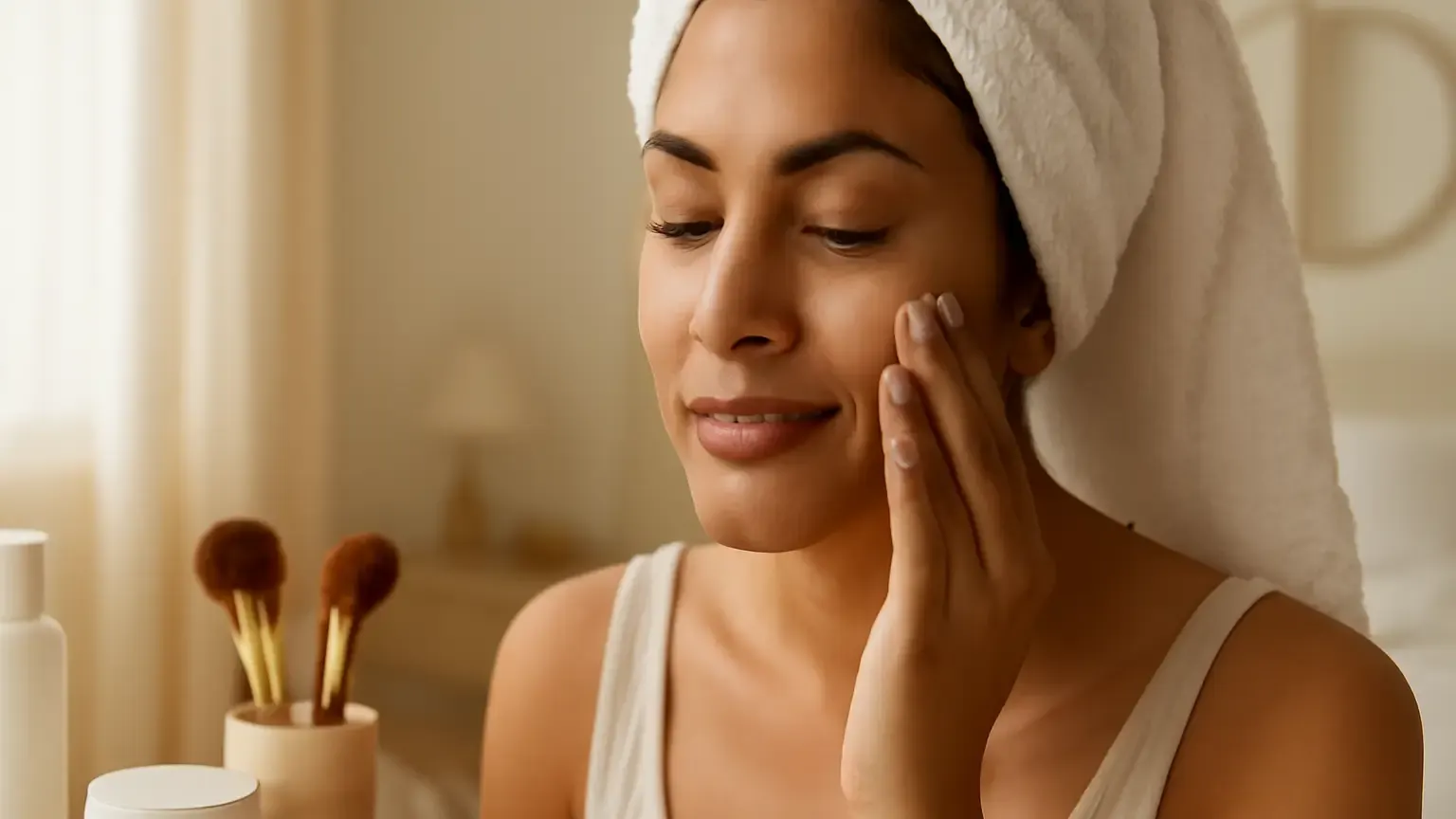
Skin care before makeup works best when it is clean, light and fully settled—not when you apply every hydrating product you own. This guide is for anyone whose foundation rolls into flakes, especially in humid Indian weather. Remove cleansing residue, choose compatible textures, apply sunscreen in a controlled layer and allow enough wait time. Those four decisions can turn a patchy base into smoother, more comfortable makeup without adding unnecessary steps.
Pilling happens when skincare or makeup gathers into small rolls or flakes on the skin instead of forming an even film. It can look like dry skin, but the immediate cause is often product friction, too many layers, incompatible formulas or application before the previous layer has settled.
A successful pre makeup skin care routine does not need to be elaborate. It needs to match your skin’s needs, the weather, the makeup finish you want and the time available before you start your base. The five mistakes below are common, fixable and particularly noticeable when heat, humidity or sweat are involved.
What causes makeup pilling?
Most pilling comes from a film forming on the skin and then being disturbed. Silicone-rich primers, gel moisturisers, sunscreen and foundation can all be useful individually, but rubbing them together before they settle may make them ball up. Similarly, a heavy stack of humectants, oils and occlusive creams can remain slippery under makeup.
Formula compatibility matters, but there is no universal rule that water-based and silicone-based products can never be used together. The more useful test is practical: apply thin layers, let each one absorb or set, and press rather than aggressively rub. If a combination repeatedly pills on your face, simplify it or change the texture of one product.
1. Leaving cleansing residue on the skin
A cleanser that is not rinsed thoroughly, a rich cleansing balm that leaves excess oil, or a poorly removed micellar product can create a film beneath moisturiser. That film may mix with later products and cause makeup pilling. Hard water, sweat and leftover night cream can add to the problem.
The fix
- Rinse a water-based cleanser thoroughly, paying attention to the hairline, nose and jaw.
- If you use micellar water, follow its label directions and rinse if the product leaves a noticeable coating.
- For a morning wash, choose a gentle facial cleanser rather than scrubbing hard to make the skin feel “squeaky”.
- Pat dry with a clean, soft towel and wait until the skin is damp rather than wet before applying the next step.
Clean does not mean tight or stripped. If your face feels uncomfortable after cleansing, using more makeup on top will not solve the underlying dryness. A balanced base usually needs less rubbing and fewer corrective layers.
2. Overloading hydration before makeup
A hydrating serum, essence, moisturiser, face oil and sleeping mask may be sensible at night, but the same stack can be too much for daytime. Layers rich in humectants such as glycerin or hyaluronic acid can feel tacky in humid weather. Several occlusive products can also leave a slippery surface that makes foundation move.
This does not mean you should avoid hydration. It means your daytime routine should be edited. For many people, one hydrating serum followed by a lightweight moisturiser is enough. If your sunscreen is already moisturising, you may need only a small amount of moisturiser—or none on oilier areas.
Choose the routine by skin feel
- Oily or combination skin: Try a thin serum and a gel moisturiser on areas that feel dry. Reduce layers around the nose and forehead.
- Normal skin: Use either a lightweight moisturiser or a serum plus a light moisturiser, depending on the finish you want.
- Dry or dehydrated-feeling skin: Use a comfortable moisturiser, but keep the quantity moderate. Press it in and remove visible excess before sunscreen.
The best way to decide what moisturiser is best before makeup is to assess the finish after five minutes. Your skin should feel comfortable and supple, not wet, greasy or sticky.
3. Mixing incompatible textures or applying too much
Texture is often a bigger issue than the product category. A watery essence, thick cream, facial oil, silicone-heavy primer and long-wear foundation can create too many moving films. Pilling is also more likely when you use more than the recommended amount of each product.
Use a simple product layering order: cleanse, apply a targeted serum if needed, moisturise, use sunscreen in the daytime, then apply makeup primer only if it serves a clear purpose. A primer can help with texture or longevity, but it is not compulsory in every skin prep before makeup routine.
Run a small compatibility test
Before applying a full face, place a little of the planned skincare and makeup combination on the side of your cheek or jaw. Let it settle, then gently tap over it with a clean finger. If it forms rolls, feels unusually tacky or lifts in patches, try one of these changes:
- Reduce the amount of one layer instead of adding another product.
- Remove facial oil from the daytime routine.
- Swap a rich cream for a lighter lotion or gel texture.
- Apply primer only where needed, such as the centre of the face.
- Press foundation on with a damp blending sponge or soft brush rather than repeatedly dragging it.
4. Rushing sunscreen application
Sunscreen under makeup can pill when it is applied over a heavy skincare stack, rubbed repeatedly or covered with foundation before it has formed an even layer. This is not a reason to skip daytime sun protection. It is a reason to give sunscreen a stable place in your routine.
Apply a broad-spectrum sunscreen as the final skincare step, using the amount appropriate for adequate facial coverage according to the product directions. Spread it gently in sections, then press lightly to even out the finish. Avoid vigorous massage once the layer looks uniform.
If you are wondering how to stop sunscreen from pilling under makeup, first simplify what goes beneath it. Next, test whether your sunscreen works better with a lighter moisturiser or without a separate moisturiser on oilier areas. Allow it to settle before primer or foundation. If a particular formula consistently rolls despite careful application, choose another suitable sunscreen texture rather than compromising sun protection.
5. Not allowing enough wait time
Even compatible products can pill if they are layered while still wet. There is no single correct number of minutes because formulas, climate and skin type vary. A practical rule is to continue only when the previous layer no longer feels wet or slides when lightly touched.
As a starting point, pause for around one to two minutes after a serum, a few minutes after moisturiser and several minutes after sunscreen. These are flexible guidelines, not a guarantee. In hot, humid conditions, thin layers may settle differently from thick ones. If you are short on time, use fewer products rather than rushing a long routine.
How long to wait between skincare and makeup depends on the finish: apply makeup when the skin feels comfortable, lightly set and not slippery. Blot visible excess with a tissue if necessary, but do not wipe aggressively. Then use tapping and pressing motions, particularly around the nose, mouth and areas with texture.
A practical skin care before makeup routine
- Cleanse: Remove overnight sweat, oil and cleansing residue without scrubbing.
- Treat lightly: Apply one serum only if it addresses a genuine need for the day.
- Moisturise selectively: Use a thin layer, concentrating on areas that feel dry.
- Protect: Apply sunscreen evenly and allow it to settle.
- Prime only if useful: Choose a makeup primer for a specific finish or texture concern.
- Apply the base: Start with a small amount of foundation and build coverage by pressing, not rubbing.
For a dewy makeup base, glow should come from comfortable, well-set skin rather than several wet products. For a matte base, avoid over-powdering dry areas because that can make texture look flaky even when no true pilling is present.
When exfoliation helps—and when it does not
Visible flakes can tempt you to exfoliate immediately before makeup. However, aggressive physical exfoliation or introducing a new chemical exfoliant on the same morning may increase sensitivity and make the base look worse. If you already use exfoliation, keep it within your established routine and follow the product directions. Do not scrub to remove pilling; wash gently and simplify the next application.
Your skin barrier also influences how makeup sits. Persistent tightness, stinging, redness or scaling deserves a pause from experimentation and professional advice, especially if symptoms continue or become concerning. A dermatologist can help assess ongoing skin problems; this article is general beauty guidance, not a diagnosis.
Quick checklist before foundation
- Does the skin feel clean but not tight?
- Are you using only the hydration you need today?
- Have you reduced layers with competing textures?
- Has sunscreen settled into an even film?
- Are you pressing makeup on instead of repeatedly rubbing?
Takeaway: The most reliable skin care before makeup is a restrained routine: cleanse thoroughly, hydrate according to your skin’s feel, keep textures compatible, apply sunscreen carefully and respect wait time. If pilling continues, remove one product at a time to identify the layer causing friction rather than adding another product to cover it.
Products that may help with this routine
Choose only what fits your skin, hair or personal needs. Use the links below to view current options on Amazon India.
Frequently Asked Questions
Why does my makeup pill after skincare?
Makeup may pill when cleansing residue, too many hydrating layers, incompatible textures, excess product or friction are present. Simplify the routine, use thinner layers, let sunscreen settle and press makeup on rather than rubbing.
How long should I wait between skincare and makeup?
Wait until each layer feels settled rather than wet or slippery. As a starting point, allow about one to two minutes after serum, a few minutes after moisturiser and several minutes after sunscreen, adjusting for formula and weather.
How can I stop sunscreen from pilling under makeup?
Use fewer products beneath sunscreen, apply a moderate even layer without vigorous rubbing, allow it to settle and test your primer or foundation over it. If the sunscreen repeatedly pills, consider a different suitable texture.
What is the best skin care before makeup for oily skin?
Use a gentle cleanser, one lightweight serum if needed, a small amount of gel moisturiser on dry areas and sunscreen. Avoid stacking several rich or oily products before foundation.
Can I use a hydrating serum before makeup?
Yes, if it feels comfortable and settles without stickiness. Apply a thin layer, follow with appropriate moisturiser and sunscreen, and remove it from the routine if the combination repeatedly pills.
Should I exfoliate before applying makeup?
Avoid aggressive or unfamiliar exfoliation immediately before makeup. It can increase sensitivity and make texture more visible. Keep exfoliation within your established routine and follow the product directions.