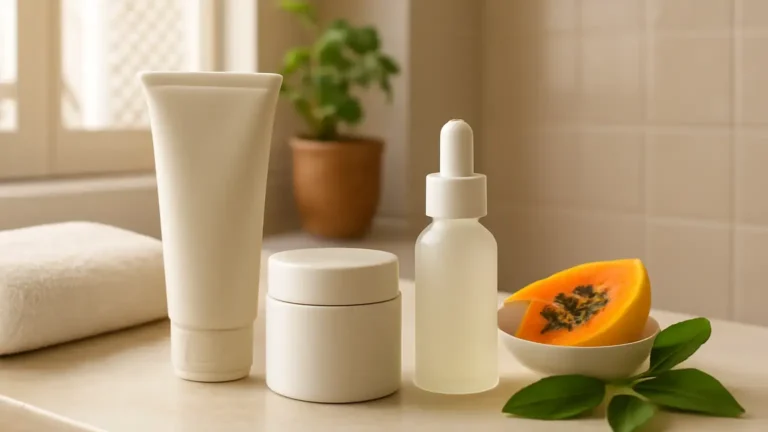
Glowing skin and hydration are less about applying more products and more about matching moisture to your skin and climate. This guide is for Indian readers dealing with heat, humidity, dry interiors or seasonal changes. You will learn to distinguish dehydrated skin from genuinely dry skin, choose sensible layers, and adjust your routine so skin feels comfortable, looks fresher and does not become sticky, congested or overloaded.
What glowing skin and hydration really require
A healthy-looking glow usually comes from a combination of smooth texture, comfortable skin and light reflecting evenly from the surface. Water content matters, but hydration is not the same as coating your face with several rich products. Skin also needs its protective barrier to reduce unnecessary moisture loss and tolerate everyday exposure to heat, cleansing, air conditioning and pollution.
For most people, an effective routine has three simple parts: add water-attracting ingredients, seal in some of that moisture when needed, and protect the surface during the day. The right balance depends on whether your skin is oily, combination, normal, dry or sensitive, as well as the weather in your city.
Dehydrated skin versus dry skin: the useful distinction
Dehydrated skin is short on water. It can affect any skin type, including oily skin. You may notice temporary tightness after cleansing, a dull appearance, fine lines that look more visible, rough patches or makeup settling unevenly. In hot weather, dehydration can exist alongside excess oil because the skin feels uncomfortable while the surface continues producing sebum.
Dry skin is usually a skin-type tendency linked to lower oil content. It may feel consistently rough, flaky or tight and often benefits from a richer moisturiser containing barrier-supportive lipids. A person can have dry and dehydrated skin at the same time, but the two words describe different needs.
A simple observation can help. If your face feels tight immediately after washing but becomes shiny later, dehydration or an unsuitable cleanser may be involved. If it remains rough and flaky even after a comfortable moisturiser, you may need more emollient support. These clues are not a diagnosis; they are practical signals for adjusting a beauty routine.
How to choose hydration for glowing skin in an Indian climate
India does not have one skin climate. Coastal cities may be hot and humid, northern winters can feel dry, and indoor air conditioning can make skin feel tight even during a warm season. Pollution, frequent cleansing and sun exposure may also increase the need for a gentle, consistent routine.
- Hot and humid weather: Choose a lightweight moisturiser or gel moisturiser. Look for a comfortable, non-greasy finish and avoid adding multiple heavy layers simply because skin feels thirsty.
- Dry winter or air-conditioned rooms: Use a slightly richer cream, particularly on the cheeks and around the mouth. A few drops of a suitable emollient can be pressed over dry areas, rather than spread across an oily T-zone.
- Monsoon: A simple monsoon skincare routine should focus on gentle cleansing, light hydration and daily sun protection. Humidity does not mean your skin needs no moisturiser; it may simply need a thinner one.
- Very sweaty days: Rinse or cleanse according to how much sunscreen, makeup, sweat and pollution is present. Reapplying thick layers over sweat can feel uncomfortable and may contribute to congestion for some people.
The aim is not to make skin permanently dewy. It is to keep it comfortable without persistent greasiness, stinging or a coated feeling.
Build a hydrating skin care routine for glow
Morning
- Cleanse gently. Use a mild cleanser if you need one. If your face is not oily or sweaty on waking, a water rinse may be enough for some skin types.
- Apply one water-based layer. A hydrating serum with glycerin, panthenol or hyaluronic acid serum can support a comfortable feel. Apply it to slightly damp, not dripping-wet, skin and use a modest amount.
- Moisturise selectively. Choose a lightweight moisturiser for oily or combination skin. Dry or sensitive areas may need a ceramide moisturiser, while the forehead and nose may need less.
- Finish with sunscreen. Use broad-spectrum sunscreen as the final morning skincare step and apply enough for the face and exposed neck. A sunscreen for Indian skin should be comfortable enough to use consistently, because texture and finish strongly affect adherence.
Evening
- Remove sunscreen or makeup thoroughly but without aggressive scrubbing.
- Cleanse with a non-stripping product and pat, rather than rub, the face dry.
- Apply a hydrating layer only if your skin feels tight or looks dull. You do not need a serum every night if your moisturiser already feels sufficient.
- Seal the routine with a moisturiser. Use a richer texture on dry areas and a lighter texture on oilier zones.
This routine is deliberately short. Adding a face mist can feel refreshing in hot weather, but mist alone evaporates and does not replace a moisturiser. If you enjoy one, follow it with a suitable cream or lotion while the skin still feels slightly damp.
How to layer hydrating skincare products without overdoing it
Layer from the thinnest comfortable formula to the thickest: cleanser, watery treatment, serum, moisturiser and daytime sunscreen. However, this is a guide rather than a rule that requires every step. If two products serve the same purpose, choose one. More layers do not automatically mean more hydration.
Humectants such as glycerin, hyaluronic acid and panthenol attract water and can make skin feel softer. Emollients smooth roughness and add comfort. Occlusives form a more protective layer that slows water loss. A useful routine may include all three categories, but the amount should match your climate and skin type.
For example, oily skin in a humid city may need a humectant serum followed by a gel moisturiser. Dry skin in winter may prefer a cream with emollient and occlusive ingredients, with no separate serum. If a product pills, feels sticky or leaves skin hot, reduce the number of layers and allow each one to settle before applying the next.
Signs your routine is adding too much moisture
Hydration should improve comfort, not create a constant film. Consider simplifying if you notice persistent stickiness, product pilling, increased congestion, frequent small bumps, or a heavy feeling that makes you want to wash repeatedly. These signs can also have other causes, so change one product or step at a time rather than replacing everything at once.
Do not confuse a brief, mild sensation from a new formula with a good or bad result. Burning, significant redness, swelling, a spreading rash or ongoing itching calls for stopping the new cosmetic and seeking professional advice, especially if symptoms are severe or do not settle. A dermatologist can help assess persistent concerns or distinguish irritation from another skin issue.
Common mistakes that reduce a healthy-looking glow
- Using a harsh cleanser to remove oil: This can leave skin uncomfortable and encourage a cycle of over-cleansing and heavy reapplication.
- Skipping moisturiser because of humidity: Humid air may reduce water loss for some people, but it does not make every skin type comfortable without moisturising.
- Applying a thick cream everywhere: Use richer textures where needed instead of treating the entire face identically.
- Relying on face mist alone: A mist can refresh the surface but does not provide lasting barrier support by itself.
- Changing products too quickly: Give a simple routine time to show whether it feels comfortable, unless irritation develops.
- Forgetting daytime protection: Hydration cannot substitute for sun protection, shade and sensible exposure habits.
Who benefits from this approach?
This balanced method suits people whose skin feels tight after cleansing, looks dull during seasonal changes, becomes uncomfortable in air conditioning, or alternates between oiliness and dryness. It is also useful for anyone who wants a low-maintenance routine rather than a long product list.
Those with very sensitive, persistently flaky, painful or inflamed skin should be more cautious with new ingredients and keep the routine basic. Patch testing a new product on a small area can be sensible, although it cannot guarantee that a product will suit the whole face.
A concise takeaway
Good glowing skin and hydration come from matching water-based hydration, barrier-supportive moisturising and sun protection to your actual needs. Start with one hydrating layer, choose a texture suited to the weather, and add richness only where skin feels dry. If your face becomes sticky, congested or irritated, simplify rather than piling on more moisture.
Products that may help with this routine
Choose only what fits your skin, hair or personal needs. Use the links below to view current options on Amazon India.
Frequently Asked Questions
How can I hydrate skin for a natural glow?
Use a gentle cleanser, apply one water-attracting layer such as glycerin or hyaluronic acid to slightly damp skin, follow with a suitable moisturiser, and wear sunscreen during the day. Adjust the texture to your climate and skin type.
What is the best hydrating skin care routine for glow?
A practical routine is gentle cleansing, one hydrating serum or lotion if needed, moisturiser and daytime sunscreen. In the evening, cleanse, hydrate if necessary and moisturise. Oily skin often prefers gel textures, while dry skin may need a richer cream.
How can I tell if my skin is dehydrated or dry?
Dehydrated skin lacks water and may feel tight, dull or finely lined even when it becomes oily later. Dry skin is usually a longer-term tendency toward roughness, flaking and lower oil content. Both can occur together.
Should I use moisturiser in humid weather?
Usually, yes, but choose a lighter formula and use less if your skin feels comfortable. Humidity may reduce moisture loss but does not remove the need for moisturising for every skin type.
Can dehydrated skin cause dullness?
It can contribute to a dull or less smooth-looking surface because the outer layer may not reflect light evenly. Dullness can also have many other causes, including buildup, irritation, fatigue or sun exposure.
How should I layer hydrating skincare products?
Apply products from the thinnest to the thickest texture: cleanser, watery treatment or serum, moisturiser and sunscreen in the morning. Skip overlapping steps if one product already provides enough comfort.