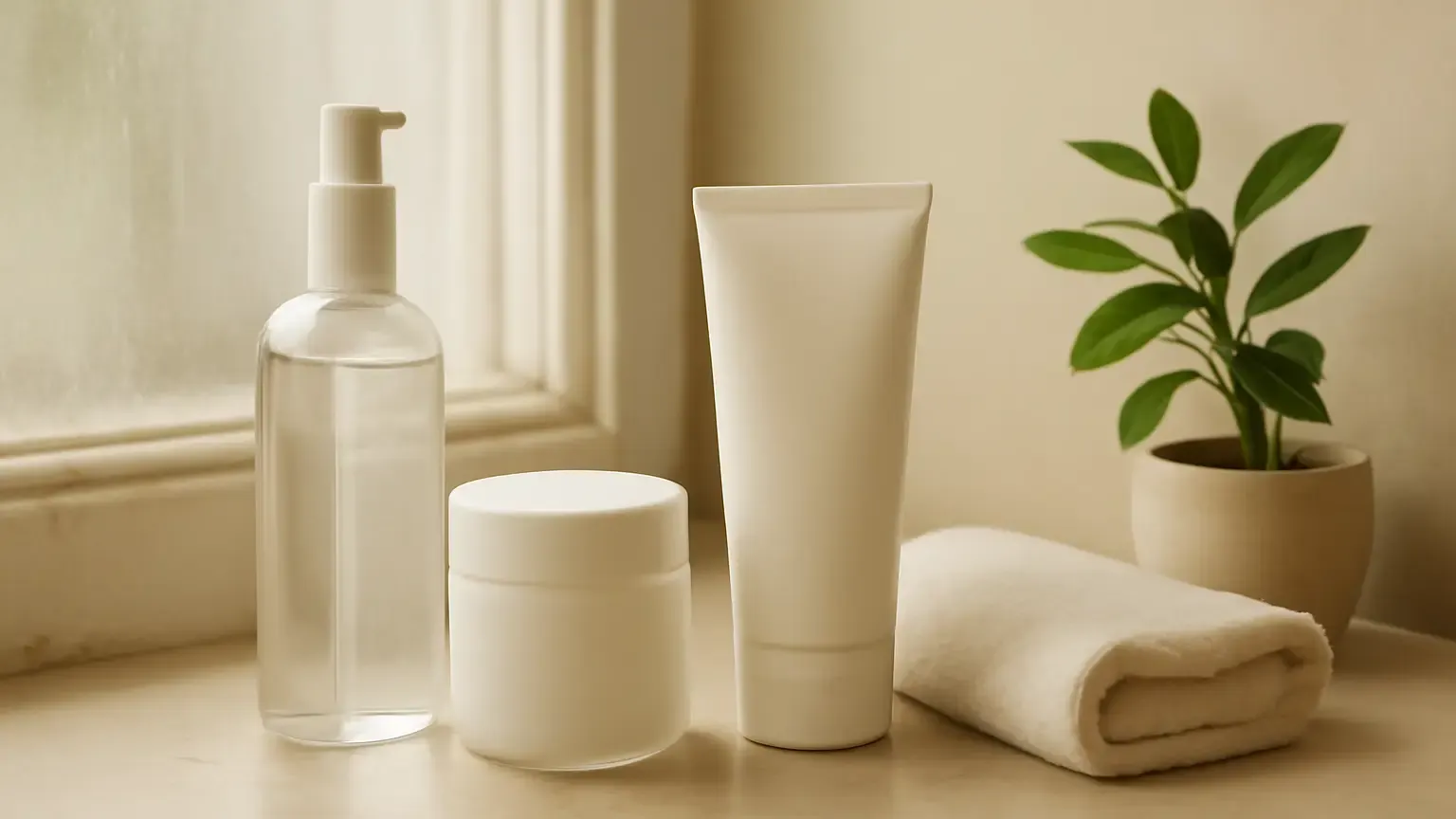
Glowing skin and barrier care starts with doing less, not scrubbing more. This guide is for anyone whose face feels tight, stings after products or looks dull despite frequent exfoliation. Use a gentle cleanser, moisturise while skin is slightly damp, apply sunscreen daily, exfoliate sparingly and adjust for Indian heat, humidity and dry indoor air. The practical outcome is a calmer, more comfortable routine that supports natural-looking radiance without chasing instant smoothness.
Radiance is often treated as a sign that skin needs more acids, scrubs or polishing. In practice, a healthy-looking glow also depends on moisture retention, a comfortable surface and protection from daily environmental stress. The skin barrier is the outer layer that helps keep water in and irritants out. When it is repeatedly stripped, skin may look rough or uneven rather than luminous.
Over-exfoliating does not always mean using a product every day. It can also mean combining a scrub with an exfoliating cleanser, using strong actives on already sensitive skin or continuing a routine when the weather has made skin drier. These five habits support barrier care for glowing skin while keeping the routine realistic.
1. Start with a gentle cleanser, not a stronger scrub
Cleansing removes sweat, sunscreen, excess oil and urban dust, but a cleanser should not leave the face squeaky, tight or hot. A gentle cleanser with a comfortable, non-stripping finish is usually a better foundation for radiance than a gritty product used to force away dullness.
In hot Indian weather, you may prefer a light gel or low-foam cleanser in the evening, particularly after sunscreen or makeup. During cooler, dry months, or if you spend long hours in air conditioning, a milder creamy or lotion-like option may feel more comfortable. Morning cleansing can be lighter if your skin is not oily or sweaty overnight; rinsing with water may be sufficient for some people.
How to cleanse without adding friction
- Use lukewarm rather than very hot water.
- Massage with fingertips for about 20 to 30 seconds instead of using a face brush.
- Pat dry with a soft towel; do not rub the skin dry.
- Cleanse once in the evening and add a second cleanse only when makeup or stubborn sunscreen requires it.
A pH-balanced cleanser can be useful, but the most important decision factor is how your skin feels after rinsing and over the next few hours.
2. Make moisturising the centre of your skin barrier routine for radiance
A moisturiser supports the barrier by adding water-binding ingredients and reducing moisture loss. Look for formulas suited to your climate and skin comfort rather than choosing the richest texture automatically. Glycerin and hyaluronic acid can help attract water, while ceramides and other emollient ingredients can support a smoother-feeling surface.
For humid weather skincare, a lotion or lightweight gel-cream may feel easier to use. For dry weather skincare, a cream with more emollient or occlusive ingredients may be preferable, especially around the cheeks. If a formula feels heavy in the daytime, use a smaller amount rather than skipping moisturiser completely. Apply it to slightly damp skin after cleansing to help reduce that tight, dry sensation.
When skin is dehydrated, adding more exfoliation can make texture look temporarily smoother but may leave the face less comfortable later. Moisture retention is a slower, less dramatic route to a healthy-looking finish, but it is easier to maintain.
3. Treat sunscreen as daily barrier support
Broad-spectrum sunscreen helps protect skin from ultraviolet exposure, one of the everyday factors that can make uneven tone and visible dullness harder to manage. It does not replace moisturiser or repair existing irritation, but consistent use helps protect the progress made by a simple routine.
Choose a broad-spectrum sunscreen that you can apply generously and reapply when you are outdoors, sweating or wiping your face. SPF 30 or higher is a common starting point, while the right texture may differ for oily, dry or combination skin. A comfortable sunscreen is more useful than an unsuitable one that you avoid using.
For commutes, outdoor exercise and bright balconies, consider physical shade as well: a hat, umbrella or sunglasses can reduce direct exposure. Sunscreen can help protect the skin barrier from environmental stress, but it should be paired with sensible sun-protection habits rather than treated as an all-day shield under every condition.
4. Exfoliate with restraint and choose one method at a time
Exfoliation can loosen built-up surface cells and make skin feel smoother, but it is not a daily requirement for glowing skin. A chemical exfoliant uses ingredients such as alpha hydroxy acids or beta hydroxy acids, while a physical scrub relies on particles and friction. Neither is automatically better; the safer choice depends on your skin’s tolerance, the product strength and what else is in your routine.
A simple exfoliation decision guide
- If skin is stinging, peeling, unusually tight or hot: pause exfoliation and return to cleansing, moisturising and sunscreen until it feels comfortable.
- If you are new to acids: introduce one chemical exfoliant on a small area first, then use it infrequently according to its label.
- If you use a physical scrub: choose a smooth, gentle texture and very light pressure. Avoid aggressive rubbing or scrub tools.
- If you already use retinoid-like, brightening or acne-focused products: review the full routine before adding an exfoliant. Multiple active products can increase the chance of skin sensitivity.
Do not use a chemical exfoliant and a physical scrub in the same session. Also avoid exfoliating immediately after shaving, waxing or any activity that has already made skin feel tender. The goal is comfortable smoothness, not a polished or burning sensation.
5. Adjust the routine to weather, not every small texture change
Indian skin routines often need seasonal flexibility. Monsoon humidity can increase sweat and surface oil, while winter air, indoor fans and air conditioning can leave cheeks feeling dry. Hot weather may call for lighter layers, whereas dry conditions may call for a richer moisturiser at night. These changes do not mean you need a completely new set of actives.
Keep the basic structure stable: gentle cleansing, moisturising and sunscreen. Then adjust texture, quantity and frequency. For example, use a lighter moisturiser in humid conditions, or add a thin second layer to dry areas during colder months. If pollution or sweat makes you cleanse more often, be especially careful not to add extra scrubbing to compensate.
Routine consistency also matters more than occasional intensive treatments. Give a new product enough time to assess comfort, and change only one major variable at a time. Patch testing skincare on a small area can help you notice obvious irritation before applying a new formula widely, although it cannot predict every possible reaction.
Signs you may be over-exfoliating
Common warning signs include persistent tightness, flaking, increased sensitivity, stinging when applying a normally comfortable product, rough patches or a sudden feeling that almost everything irritates the skin. These signs are not a diagnosis, but they are a reason to simplify the routine rather than add another corrective product.
Use a gentle cleanser, a plain hydrating moisturiser and sunscreen. Temporarily leave out scrubs and non-essential active products until the skin feels settled. Avoid picking flakes or trying to remove them with a washcloth. If discomfort is severe, persistent or accompanied by swelling, oozing or a spreading rash, consult a dermatologist or doctor. Do not stop prescribed treatment without speaking to the prescriber.
A practical weekly routine for healthier-looking radiance
Morning: cleanse lightly if needed, apply moisturiser according to dryness and finish with broad-spectrum sunscreen. Reapply when outdoor exposure, sweating or wiping makes it necessary.
Evening: remove makeup or sunscreen thoroughly without repeated rubbing, cleanse gently and moisturise. Keep the rest of the routine uncomplicated when skin feels dry or sensitive.
Exfoliation night: only when skin is comfortable, use one exfoliating product as directed, then moisturise. Do not stack it with a scrub or several other active products. Start less often than you think you need and increase only if your skin remains calm.
This approach answers how to get glowing skin without over-exfoliating: protect the barrier first, then use exfoliation as an optional supporting step. Glowing skin and barrier care work best when the routine is repeatable through changing weather, not when it depends on frequent resets.
Common mistakes that can reduce radiance
- Using a scrub because skin feels oily, even when it is also tight or irritated.
- Adding several new actives after a few dull-looking days.
- Skipping moisturiser in humid weather and then compensating with stronger products.
- Applying sunscreen only on visibly sunny days or only when going to the beach.
- Changing the entire routine at the start of every season.
Takeaway
Healthy-looking radiance is easier to maintain when the skin is comfortable and protected. Build around a gentle cleanser, suitable moisturiser and daily sunscreen; exfoliate one way, infrequently and only on calm skin; then adapt textures to humidity, heat and dryness. That is the most practical form of glowing skin and barrier care for a consistent Indian skincare routine.
Products that may help with this routine
Choose only what fits your skin, hair or personal needs. Use the links below to view current options on Amazon India.
Frequently Asked Questions
How often should you exfoliate for glowing skin?
Many people can begin with once weekly or less, but there is no universal schedule. Skin that is dry, sensitive or already using other active products may need less frequent exfoliation. Stop if you notice stinging, tightness, peeling or unusual sensitivity.
How do you repair an over-exfoliated skin barrier?
Simplify temporarily: use a gentle cleanser, a comfortable moisturiser and broad-spectrum sunscreen, while pausing scrubs and non-essential exfoliating actives. Avoid rubbing or picking. If symptoms are severe or persistent, seek advice from a dermatologist or doctor.
What is the best skin barrier routine for Indian weather?
Use gentle cleansing, moisturiser suited to the current humidity or dryness, and daily broad-spectrum sunscreen. In humid weather, lighter layers may feel better; in dry weather or air conditioning, use a more nourishing moisturiser. Keep exfoliation infrequent.
Can sunscreen help protect the skin barrier?
Sunscreen helps reduce ultraviolet exposure, an environmental stressor that can contribute to visible unevenness and discomfort. It works best alongside shade, clothing and a moisturising routine, and should be reapplied when outdoor exposure or sweating makes that necessary.
What should I use after exfoliating my face?
Use a gentle, hydrating moisturiser after exfoliating. Keep the rest of that routine simple, avoid combining a scrub with an acid, and apply sunscreen the next morning. If the skin feels hot or stings, pause exfoliation instead of adding more products.
How can I get glowing skin without over-exfoliating?
Prioritise consistent cleansing, moisturising and sunscreen, and use exfoliation sparingly. Adjust product textures for Indian heat, humidity and dry air, and treat comfort and smoothness as better guides than an immediate polished appearance.