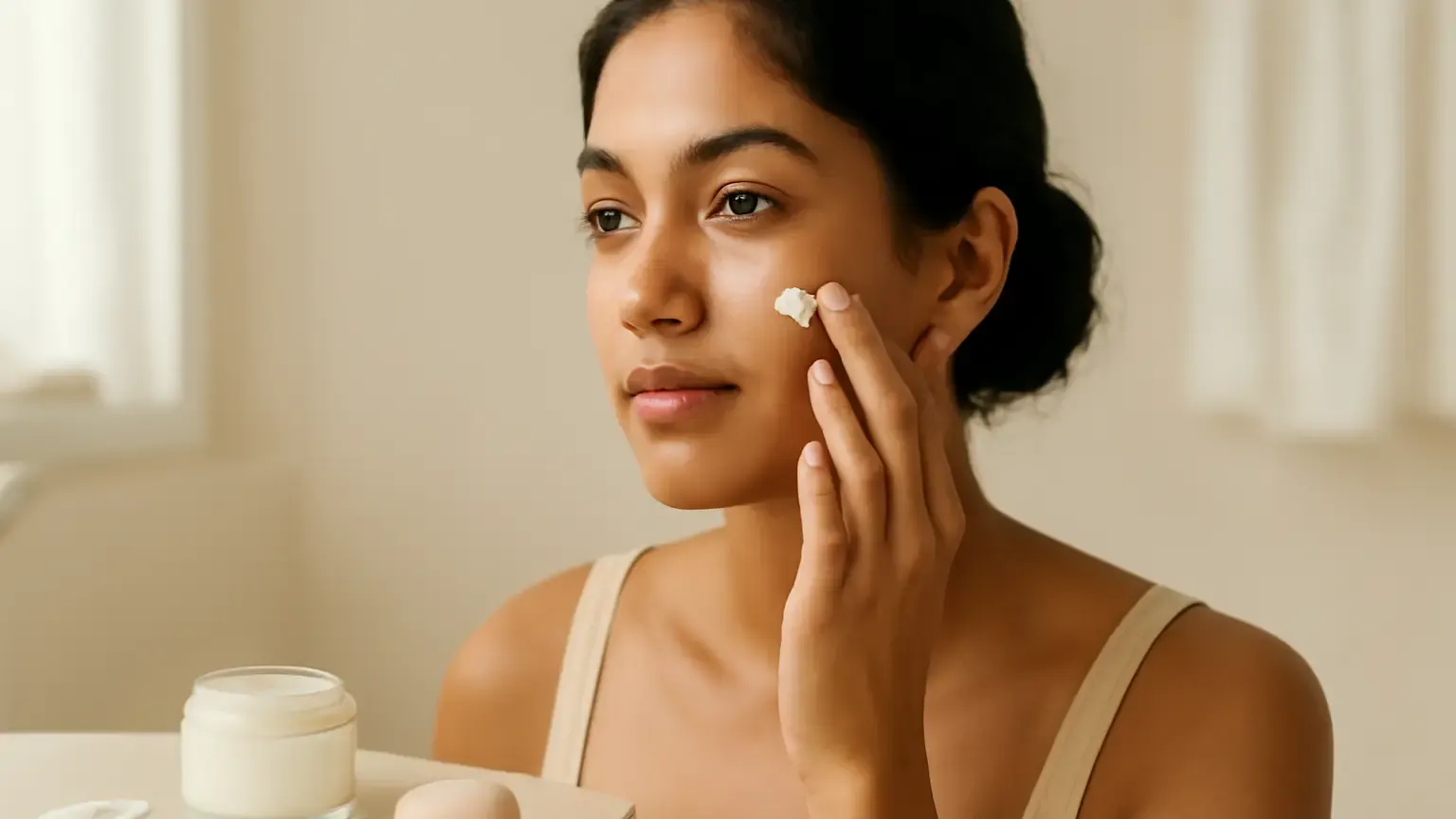
The most effective skin care tips before makeup are simple: cleanse gently, use only the hydration you need, apply a thin moisturiser, wear sunscreen in the daytime and let each layer settle. This reduces pilling and helps prevent foundation from catching on dry patches without relying on heavy layers. Choose prep for how your skin feels that morning, then remove any product that makes the base roll, slide or look more textured.
The best skin care tips before makeup do not involve building the longest possible routine. The aim of skin prep before makeup is to create a comfortable, flexible surface that helps complexion products spread evenly while retaining enough moisture to prevent foundation from catching on dry areas. Every extra layer can change how the next one behaves, so product compatibility, quantity and timing matter as much as the ingredients.
What skincare should you do before makeup?
A reliable morning routine has four basic decisions: cleanse only as much as needed, add targeted hydration if your skin feels tight, apply moisturiser in a thin layer and finish with sunscreen when it is daytime. Primer is optional rather than an automatic fifth step. This practical skincare layering order makes it easier to identify which product helps and which one creates slip or pilling.
- Cleanse gently. Use a mild cleanser if you have sweat, oil or residue from the night. If your skin is comfortable and dry in the morning, rinsing with water may be enough.
- Use one hydrating layer. A light serum or essence can support hydrating skin prep, but avoid stacking several products that do the same job.
- Moisturise selectively. Apply a makeup-friendly moisturiser mainly where skin feels dry. Use a smaller amount on the forehead, nose and chin if you have combination or oily skin.
- Apply sunscreen in the daytime. A lightweight sunscreen under makeup should spread evenly and be allowed to settle before foundation. Sunscreen remains an important daytime step even when you plan to wear makeup.
- Add primer only where it solves a problem. Use a smoothing primer around visible pores or a gripping formula where makeup tends to move, rather than covering the whole face by habit.
This simple order supports a skin barrier-friendly routine and makes it easier to identify the layer causing trouble. If a product stings, causes persistent redness or creates an unusual reaction, stop using it and seek suitable professional advice. Introduce new products on a day when you do not need a full makeup look, and consider patch testing according to the product directions.
Why product amounts and absorption gaps affect texture
Too much skincare leaves a wet or slippery film. Makeup may then move over the surface instead of bonding evenly, particularly around the nose, mouth and forehead. Too little moisture has the opposite effect: complexion products catch on roughness and make fine texture look more obvious.
Start with less than you think you need. A few drops of serum, a small pea-sized amount of moisturiser for the face and the correct quantity of sunscreen are useful starting points, but the right amount varies by product instructions and skin needs. Spread each layer across the face, then press gently with clean fingertips instead of repeatedly rubbing. Avoid vigorous facial massage immediately before applying base makeup, since friction can disturb the layers already applied.
There is no universal answer to how long to wait between skincare and makeup. Give a watery layer roughly 30 to 60 seconds to settle, allow moisturiser a few minutes, and let sunscreen form an even film according to its label. If your face still feels slick, wait longer or blot very lightly before foundation. If it feels tight, the product may have absorbed too quickly or you may need a little more moisturiser on dry areas.
Pre makeup skin care tips for different skin needs
For dry or dehydrated skin
Effective dry skin makeup prep should feel comforting and compact. A gentle cleanser, hydrating serum and creamier moisturiser may be enough. Press moisturiser over the cheeks and around the mouth, where base products commonly cling, but avoid applying a thick coat everywhere.
For dehydrated skin makeup prep, focus on comfortable hydration rather than repeatedly adding rich products. Skin can feel tight even when it is not naturally dry, especially after cleansing or exposure to air conditioning. Use one water-based hydrating step, followed by moisturiser where needed, and allow the layers to settle before applying foundation.
Do not use a harsh scrub immediately before makeup to remove flakes. It can leave skin feeling sensitive and make foundation sit unevenly. Instead, use regular gentle cleansing and a consistent moisturising routine on non-makeup days. If a patch is actively irritated or peeling, makeup may emphasise it regardless of the primer.
For oily or combination skin
Oily skin makeup prep works better with balanced hydration than with stripping every trace of oil. Cleanse gently, use a light moisturiser and apply sunscreen in a thin, even layer. You can place primer only on the T-zone or areas where pores and shine are most noticeable.
Heavy balm, facial oil or several dewy layers can increase movement under foundation, especially in humid Indian weather. That does not mean oily skin should be left completely bare; dehydration can make the surface feel uncomfortable and encourage uneven product application. If sebum gathers during the day, use a clean tissue or blotting paper before adding more powder.
How to prevent makeup pilling without adding more products
Makeup pilling prevention begins with finding out whether the rolling is caused by excess product, rubbing or formula incompatibility. Small rolls that appear when you massage the face often indicate that layers are not settling or that a film-forming product is being disturbed.
- Reduce the number of layers. Test your routine with cleanser, moisturiser and sunscreen only. Add the serum or primer back one at a time if the base improves.
- Change the application motion. Pat or press over the skin once products have settled. Vigorous circular rubbing can lift the layer underneath.
- Use smaller quantities. More product does not always mean more hydration or smoother coverage.
- Check the waiting period. Applying foundation immediately over a wet moisturiser can make both products move.
- Compare base compatibility. If pilling happens only with one combination, try pairing similar textures or leaving out the primer rather than changing your entire skincare routine. A silicone primer and a water-based makeup product may behave differently from another pairing, so test before committing to a full-face change.
When testing, apply the same foundation to two small areas of the face with different prep. This gives you a clearer comparison than changing several products at once. It also helps distinguish a skincare issue from a foundation shade, finish or application problem. Keep notes about the amount used, the waiting time and the order of application if the issue keeps returning.
When primer helps—and when to skip it
Primer is useful when it has a specific job. A smoothing formula can soften the look of pores, a gripping formula can help base makeup stay in place, and a hydrating formula may improve comfort on dry-feeling areas. Apply a very thin amount only where needed, then allow it to settle before foundation.
These primer application tips work best when primer is treated as a targeted tool. Skip it when sunscreen and moisturiser already give you an even surface, or when your makeup begins to roll after primer is added. Primer is also worth removing from the routine if the face feels coated, foundation slides across the cheeks or texture looks more pronounced.
Why makeup texture around the nose can look worse
Makeup texture around the nose is common because the area may have visible pores, natural sebum, movement from facial expressions and more frequent contact from tissues or fingers. Applying extra foundation over this area often makes the result look thicker without making it smoother.
Use a small amount of moisturiser around the nose, allow sunscreen to settle and press a thin layer of foundation into the skin. If needed, apply a small amount of primer only to the pore-prone area. Blot excess shine before adding coverage, and avoid repeatedly dragging a brush across the sides of the nose.
Common skin-prep mistakes that make makeup look heavy
- Exfoliating immediately before makeup: this can leave the surface more sensitive and does not guarantee a smoother base.
- Layering multiple hydrating products: several essences, serums and creams may create shine without solving dehydration.
- Applying sunscreen unevenly: rubbing aggressively to correct it can disturb the layers beneath. Work in manageable sections and follow the product directions.
- Using facial oil as a universal fix: oil can be comfortable for some dry areas but may cause foundation to move or separate for others.
- Trying to cover texture with more foundation: extra coverage often settles into the same uneven areas and looks heavier.
- Ignoring makeup tools: a damp sponge or clean brush can distribute base more evenly than repeatedly dragging product across the skin.
A practical five-minute routine before foundation
If you need quick pre makeup skin care tips, cleanse or rinse according to your skin’s needs, apply a thin hydrating layer only if required, and follow with moisturiser. In daytime, apply sunscreen evenly. While it settles, prepare your makeup tools and choose a lighter base for areas that already have good coverage.
Press foundation into the skin in thin layers rather than spreading a large amount over the whole face. Add coverage only to redness or discolouration that needs it. If the base starts to pill, stop rubbing, lift loose residue gently with a clean fingertip or tissue, and reassess the last product applied instead of adding more.
When to simplify or seek professional advice
Temporary pilling usually points to product quantity, timing, friction or compatibility. Persistent burning, swelling, intense itching, spreading redness or painful changes are different concerns and should not be covered with makeup or managed by repeatedly adding skincare. Consider speaking with a dermatologist or doctor if symptoms are severe, recurring or do not settle.
Takeaway: the best skin care tips before makeup are to use fewer compatible layers, apply sensible amounts, allow absorption gaps and select prep according to how your skin feels that morning. When makeup looks textured, first remove friction and excess—not your entire routine.
Products that may help with this routine
Choose only what fits your skin, hair or personal needs. Use the links below to view current options on Amazon India.
Frequently Asked Questions
What skincare should I do before makeup?
Cleanse gently, use one hydrating layer if needed, apply a thin moisturiser and finish with daytime sunscreen. Primer is optional and should solve a specific concern rather than add another automatic layer.
How long should I wait between skincare and makeup?
Let watery products settle for about 30 to 60 seconds, give moisturiser a few minutes, and allow sunscreen to form an even film according to its label. Wait longer if the skin still feels wet or slippery.
How do I stop my makeup from pilling?
Reduce the number and amount of layers, avoid vigorous rubbing, allow products to settle and test whether primer is the cause. Compare one product change at a time so you can identify the source.
What is the best skin prep before makeup for dry skin?
Use gentle cleansing, a light hydrating layer and moisturiser focused on dry areas. Avoid harsh scrubs immediately before makeup and apply foundation in thin, pressed layers.
Should I use moisturiser and primer before makeup?
Usually, moisturiser is more important for comfort, while primer is optional. Use both only when they work well together; skip primer if it makes the base roll, slide or feel coated.
What should I skip when makeup looks textured?
Temporarily skip extra serums, facial oils, thick creams, immediate pre-makeup exfoliation and primer. Simplify to compatible essentials, then add products back individually if needed.