October fashion trends India are easiest to wear when you build around breathable fabrics, relaxed separates and one removable layer. This guide is for women dressing through warm afternoons, cooler mornings and uneven regional weather—from humid coastal cities to drier northern plains. The useful answer is seven repeatable formulas: cotton co-ords, linen trousers, oversized shirts, easy kurtas, soft tailoring and festive separates that can move from work to dinner without feeling overdressed.
October is a transition month rather than a single dress code. In some parts of India, the monsoon is still leaving behind humidity and sudden showers; elsewhere, mornings begin to feel noticeably cooler while afternoons remain bright and warm. That makes the most successful seasonal wardrobe less about buying a completely new set of clothes and more about combining familiar pieces in smarter proportions.
The best approach to October fashion trends India is temperature-smart dressing: choose a breathable base, add visual depth through colour or texture, and keep one light layer available. Natural fibres, fluid silhouettes and washable separates make the outfits practical for commuting, errands, office days and festive plans.
How to dress for India’s October weather
Start with the local forecast and your daily movement. Mumbai, Kochi and Chennai may still call for airy fabrics and open footwear, while Delhi, Jaipur and Lucknow can reward a fine overshirt or lightweight jacket in the early morning. Bengaluru, Pune and Hyderabad often sit between the two, with comfortable afternoons and cooler evenings.
- For humid regions: prioritise cotton, mulmul, linen blends and loose cuts that do not cling.
- For northern and inland regions: choose a sleeveless or short-sleeved base with a cotton shirt, fine cardigan or unlined blazer.
- For lingering showers: carry a compact umbrella and select quick-drying footwear rather than delicate suede or absorbent fabric shoes.
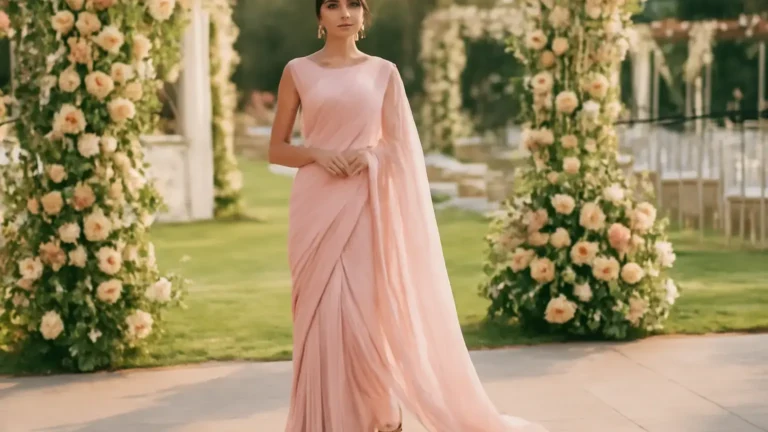
- For festive occasions: use colour, jewellery or a refined dupatta to create impact without adding heavy layers.
This is the logic behind transitional dressing: an outfit should work at its warmest point and still be adjustable when the temperature changes.
October fashion trends India: seven wearable outfit formulas
1. Cotton co-ord set with practical flats
A printed or solid cotton co-ord set is one of the simplest ways to look considered with minimal styling. Choose a relaxed shirt-and-trouser pairing, a short-sleeved top with a midi skirt, or a kurta-and-pants set. Keep the print restrained if you want more repeat wear; solids in rust, olive, cream or indigo can be separated easily.
Finish with flat sandals, ballet flats or clean sneakers, depending on your commute. For a work setting, add a structured tote and small earrings. For lunch or travel, roll the sleeves and swap in a crossbody bag. This formula suits women who want a coordinated look without the stiffness of formal tailoring.
2. Linen trousers, fitted tank and open shirt
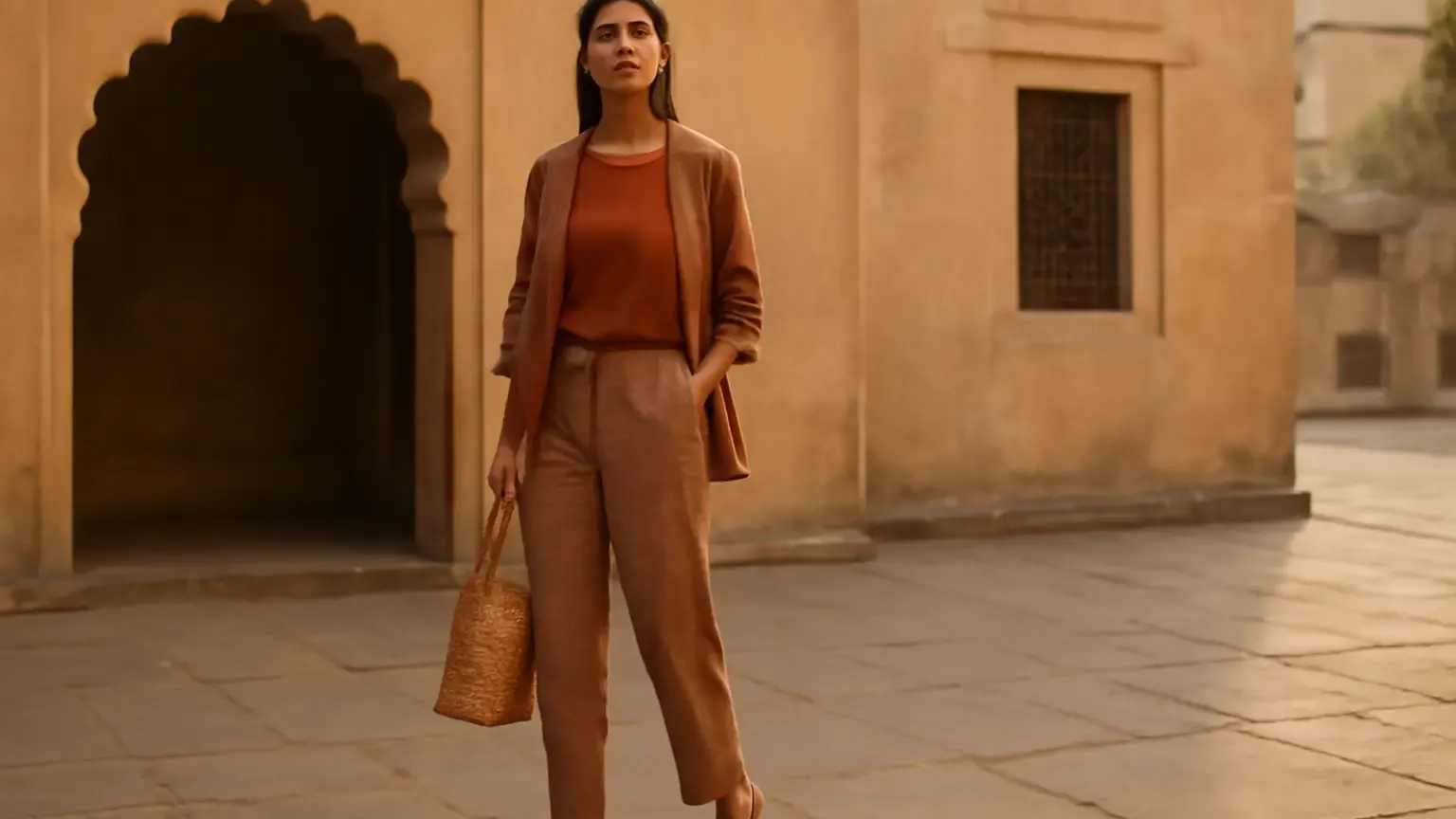
Pair high-waisted linen trousers with a simple tank, camisole or fitted cotton T-shirt. Add an open shirt in cotton poplin, linen or a light khadi weave. The contrast between a cleaner base and a relaxed top creates shape while allowing air to circulate.
Try ivory trousers with a terracotta shirt, olive trousers with a pale blue base, or chocolate brown with warm cream. Linen naturally creases, so the aim is not a perfectly pressed appearance. A linen blend can be a useful choice if you prefer fewer deep creases. This is a reliable option for airport dressing, casual Fridays and warm evening plans.
3. Oversized shirt over a column dress
An oversized shirt is a versatile light layer for October. Wear it open over a slip-style midi dress or a simple column dress, then secure it loosely at the waist when the evening cools. Cotton poplin gives a crisp finish, while a soft viscose or linen blend creates a more fluid silhouette.
Keep the dress plain and let the shirt provide contrast, or use tonal dressing for a longer visual line. Flat mules and a slim shoulder bag keep the outfit polished. In humid cities, choose a shirt with generous armholes and avoid overly dense fabric. In drier regions, the same look can accommodate a thin scarf or fine knit later in the day.
4. Relaxed kurta with wide-leg trousers
For a distinctly Indian wardrobe formula, style a short or mid-length kurta with wide-leg trousers rather than traditional churidar bottoms. Cotton, handloom blends and soft rayon can work well when the cut is not too close to the body. Add a narrow belt only if the kurta is long enough to sit comfortably over it.
Use this formula for errands, informal meetings and family visits. A monochrome base looks modern; a contrasting dupatta gives it a festive shift. To avoid looking bulky, balance a roomy kurta with a cleaner trouser shape, or pair wide trousers with a straighter top. This outfit also makes a practical base for Indian festive dressing when enhanced with jhumkas, a textured bag or embellished flats.
5. Soft blazer with a breathable workwear base
October is a good time to replace heavy suit jackets with unlined blazers, cotton-linen jackets or relaxed overshirts. Wear one over a sleeveless blouse and straight trousers, or over a midi dress. The goal is polished structure without a thick inner lining.
For comfortable workwear, select a blazer that leaves room across the shoulders and does not trap heat at the underarms. Neutral shades such as sand, navy and charcoal are easy to repeat, while cinnamon or deep green can introduce seasonal character. Keep the rest of the outfit simple: small studs, a watch and supportive loafers are enough for a long office day.
6. Tonal autumn colours with one Indian accent
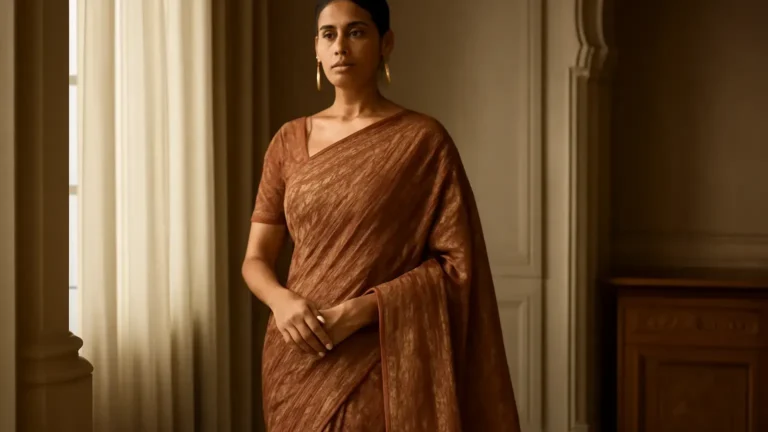
Autumn colours can be worn in India without copying a cold-weather wardrobe. Think burnt orange, marigold, brick, moss, wine, cocoa, plum and muted teal, balanced with cream, stone or denim. Build a tonal outfit by combining two related shades, then add one Indian accent such as a printed dupatta, block-printed bag or handcrafted earrings.
For example, try a rust shirt with cinnamon trousers, or a deep teal kurta with a muted blue skirt. Colour should respond to your preference and wardrobe, not a fixed skin-tone rule. If strong shades feel unfamiliar, introduce them through a scarf, footwear or handbag before investing in a larger garment.
7. Midi skirt with a tucked-in knit or cotton top
A midi skirt gives you a fresh silhouette while remaining easy to adapt. Choose cotton poplin, denim-light fabric, viscose or a fluid blend, then pair it with a tucked-in polo, fine-gauge knit or fitted cotton top. A cropped denim jacket or open shirt can provide a little evening coverage where needed.
For a balanced proportion, try a higher waist with a shorter top, or keep the top close-fitting if the skirt is full. Flat sandals suit warm coastal weather; loafers or canvas sneakers are more useful for walking-heavy days. This is one of the most flexible October outfit trends India for women who want a change from trousers but still need practical movement.
How to make these looks work harder
A small capsule wardrobe can support all seven formulas. Begin with three breathable tops, two bottoms, one dress, one coordinated set and two layers. Add two pairs of everyday footwear and one occasion-ready accessory. Before shopping, check whether a new piece works with at least three items you already own.
Use fabric and construction as decision criteria rather than relying on trend labels. Look for airy weaves, comfortable waistbands, washable finishes and pockets where useful. A loose garment is not automatically breathable if the fabric is dense or synthetic. Conversely, a cotton blend can be practical when it dries faster and resists excessive creasing.
Footwear needs particular attention in October. Monsoon-friendly footwear is still sensible in regions with lingering rain, but it should also provide grip and ventilation. Rubber-soled sandals, washable canvas sneakers and easy-clean flats are generally more useful than fragile materials. Keep one polished pair for work or festive plans and one dependable pair for daily walking.
Common October styling mistakes to avoid
- Adding too many heavy layers: one removable layer is usually more practical than a sweater, jacket and scarf together.
- Choosing colour without considering repeat wear: one seasonal accent is easier to style than several statement pieces.
- Ignoring movement: test sitting, walking and reaching before keeping a fitted waist or narrow sleeve.
- Wearing delicate footwear during unsettled weather: save suede, fragile embellishment and pale fabric shoes for dry-day plans.
- Over-accessorising a busy outfit: allow either the print, silhouette or jewellery to lead.
A simple October outfit planning routine
On the evening before a busy day, check three things: the morning temperature, the chance of rain and how much walking you will do. Select your base first, then decide whether your outer layer is for warmth, sun protection or polish. Finally, choose footwear that matches the ground conditions rather than only the outfit.
For a quick weekly plan, photograph five combinations that already work and rotate the accessories. A cream shirt can appear with linen trousers, a printed skirt and a kurta-inspired bottom; the styling changes through shoes, jewellery and a bag. This reduces last-minute purchases and makes seasonal dressing more sustainable.
Concise takeaway
The most useful October fashion trends India are wearable formulas, not rigid seasonal rules. Build around breathable fabrics, relaxed separates, light layers and adaptable colours. Adjust the fabric weight and footwear for your region, then use accessories to shift an outfit from everyday to festive. If a look keeps you comfortable through the warmest part of the day and still gives you an easy evening option, it belongs in your October rotation.
Products that may help with this routine
Choose only what fits your skin, hair or personal needs. Use the links below to view current options on Amazon India.
Frequently Asked Questions
What to wear in October in India?
Choose breathable cotton, linen blends, khadi or soft viscose with relaxed silhouettes. Useful combinations include a cotton co-ord set, linen trousers with an open shirt, a kurta with wide-leg trousers, or a midi dress with one removable layer. Adjust the layer and footwear according to humidity, rain and evening temperatures in your city.
What are the best fabrics for October weather in India?
Cotton, mulmul, linen blends, cotton poplin, khadi and lightweight viscose are practical choices for many regions. In humid areas, prioritise airy weaves and loose cuts. Where mornings are cooler, combine a breathable base with an unlined blazer, fine cardigan or lightweight overshirt.
What are some October outfit ideas for Indian women?
Try a cotton co-ord set with flats, linen trousers with a fitted top and open shirt, a kurta with wide-leg trousers, an oversized shirt over a midi dress, or a soft blazer with straight trousers. These formulas can be adapted for office days, travel, weekends and informal festive plans.
How can I layer clothes in warm Indian weather?
Use one light, removable layer over a breathable base. An open cotton shirt, unlined blazer, lightweight overshirt or thin scarf is usually more practical than several thick pieces. Choose loose armholes and fabrics that allow airflow, and remove the layer during the warmest part of the day.
Which autumn colours are easy to wear in India?
Rust, marigold, brick, moss, wine, cocoa, plum and muted teal work well as seasonal accents. Pair stronger shades with cream, stone, denim or another related tone. If you prefer subtle dressing, introduce these colours through a scarf, bag, dupatta or footwear.