Festive Fashion for Day Weddings works best when your outfit is light enough for Indian weather, polished enough for family photographs and easy to move in. This guide is for wedding guests choosing day wedding festive outfits India, with six practical formulas using breathable fabrics, softer colour palettes, supportive footwear and accessories that catch natural light without looking overdone. Use the venue, ceremony timing and fabric weight to decide which formula suits you.
How to choose a day-wedding outfit that photographs well
Day weddings are usually more revealing than evening events. Bright natural light shows fabric texture, colour balance, creasing and the difference between thoughtful styling and excessive sparkle. The best outfit is not necessarily the most embellished one; it is the look that holds its shape, complements the setting and lets you move comfortably from the ceremony to lunch.
Before choosing an outfit, check four details:
- Venue: An open lawn, beachside space or outdoor mandap calls for lighter layers and secure footwear. An air-conditioned banquet hall allows more structure.
- Timing: A late-morning event can feel hot, while a winter afternoon may suit silk, velvet accents or a richer colour.
- Dress code: Keep the level of embroidery and jewellery appropriate to the invitation, ceremony and your relationship with the couple.
- Photographic background: Consider whether you will be photographed against greenery, pale décor, sandstone, a bright stage or a colourful floral installation.
A useful rule is to balance one statement element with quieter supporting pieces. If the blouse is ornate, simplify the saree border and jewellery. If the outfit is a solid pastel, add interest through texture, a sculptural earring or a carefully draped dupatta.
Six Festive Fashion for Day Weddings formulas
1. Pastel saree with a structured blouse
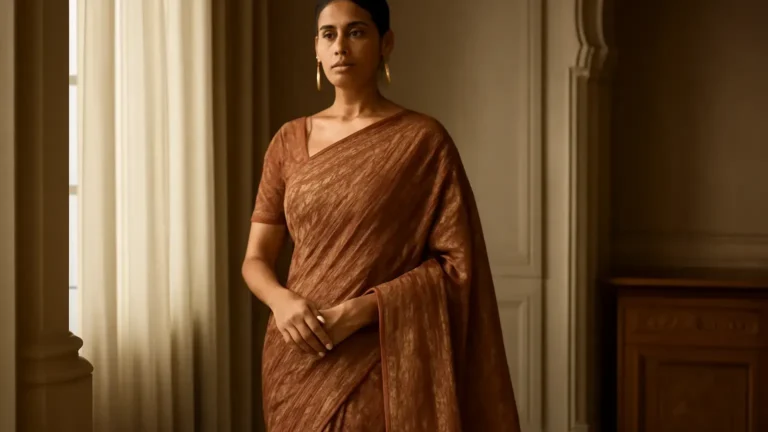
A soft-toned saree in chanderi, organza, cotton silk or a light georgette blend is a reliable choice for daytime celebrations. Choose powder blue, rose, pistachio, butter yellow, lilac or muted peach rather than a flat, overly pale shade that may disappear in strong light. A defined blouse in a slightly deeper tone gives the look shape in photographs.
For effective day wedding saree styling, keep the pleats even and secure the pallu at the shoulder with discreet pins. A narrow metallic border or subtle woven motif adds dimension without reflecting harshly. Pair it with medium-sized earrings, a slim bracelet and a small potli or top-handle bag. This formula suits guests who want traditional elegance without a heavy lehenga.
2. Lightweight festive lehenga with a short dupatta drape
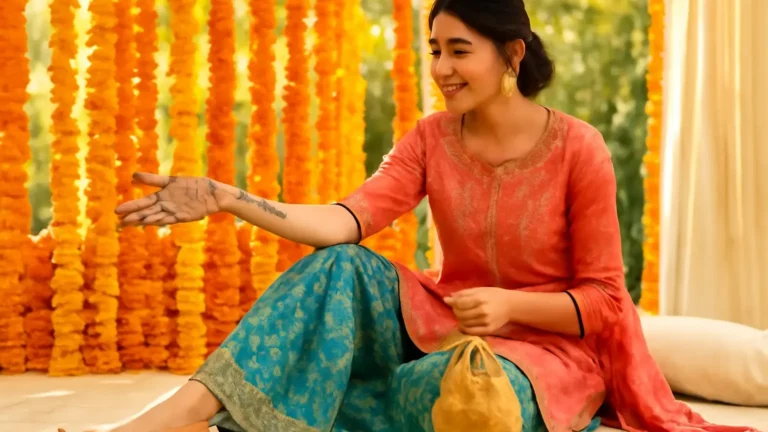
A lightweight festive lehenga works well for a sangeet, haldi or daytime reception, especially when the skirt has movement rather than dense all-over embellishment. Look for georgette, crepe, chanderi or a breathable lining. A short blouse with a comfortable neckline and a dupatta placed over one shoulder creates a clean vertical line in group photographs.
For practical wedding guest dupatta draping, anchor the fabric at the shoulder and waist, leaving enough ease to sit and walk. Avoid very long trailing ends at outdoor venues, where they can pick up dust or catch on chairs. Choose embroidery in ivory, antique gold or tonal thread instead of high-shine sequins if the ceremony takes place in direct sun.
3. Printed anarkali with a light dupatta
An anarkali is a comfortable solution when you want coverage and movement without managing multiple layers. A floral, paisley or geometric print in cotton silk, chanderi or a linen blend brings visual interest while remaining suitable for a warm venue. Keep the print medium-scale: very small motifs can look busy, while oversized contrasts may dominate close-up portraits.
Choose a solid dupatta that picks up one colour from the print. This makes the outfit look intentional and helps the face remain the focus. Flat juttis or low block heels complete this option. It is particularly useful for guests who will be travelling between venues, helping with children or standing for long parts of the ceremony.
4. Kurta, sharara and lightweight jacket
A kurta with a sharara or gharara offers ease without looking ordinary. For heat-friendly ethnic wear, select cotton silk, mulmul cotton, chanderi or a soft viscose blend with a comfortable lining. A short jacket can add festive structure, but it should be unlined or lightly lined if the event is outdoors.
Try a coordinated Indian wedding outfit colour palette: ivory with marigold, sage with rose, powder blue with silver, or coral with warm beige. Keep the jacket embroidery concentrated around the neckline or cuffs so that the look remains breathable. Add one pair of drop earrings and a compact clutch instead of stacking several heavy accessories.
5. Monochrome sharara set with tonal accessories
Monochrome dressing photographs especially well because it creates a clear, uninterrupted silhouette. Select one colour family, such as terracotta, teal, lavender, cream or soft green, and vary the finish through fabric rather than adding contrasting decoration. A matte kurta, lightly textured sharara and translucent dupatta can look rich in natural light.
This is a strong option among pastel wedding guest outfits when you want softness without looking washed out. Add tonal earrings, a bag in a related shade and footwear that matches the skin or outfit family. If the colour is very pale, define the face with a stronger lip or a neat bindi so the look retains visual balance in photographs.
6. Silk-blend co-ord or draped skirt set
A festive co-ord or draped skirt set suits guests who prefer a modern silhouette. Choose a silk blend, satin-matte finish or structured crepe, avoiding fabrics that cling uncomfortably in humid weather. A cropped jacket, asymmetric tunic or pre-draped skirt can create the polish of occasionwear while remaining easier to wear than a complicated layered look.
Keep the accessories deliberate: a statement cuff, architectural earrings or an embellished belt is enough. This formula is ideal for a city wedding, cocktail-style daytime reception or guest who wants a contemporary interpretation of Indian festive outfits for daytime weddings.
Colour, fabric and finish decisions for natural daylight
Choose breathable fabrics first
The best breathable fabrics for summer weddings include cotton, mulmul, chanderi, linen blends, lightweight silk and airy georgette. Fabric composition is only part of the decision: lining, embroidery density and the number of layers can make a light-looking outfit feel hot. Hold the material up to light, check its drape and consider whether you will sit outdoors for more than an hour.
For the best colours for a day wedding outfit, start with softened brights, fresh pastels and warm neutrals. Peach, coral, green, blue, pink, ivory and yellow can work beautifully, but the exact shade should suit your undertone and the venue. Extremely reflective silver, fluorescent colours and stark white may be difficult in direct sunlight, depending on the photography and décor.
Footwear and accessories that support the outfit
Comfortable wedding footwear should be chosen before the final hemline is fixed. Low block heels, cushioned juttis, embellished flats and wedges are more practical than narrow stilettos for grass, uneven paving or long standing periods. Wear the shoes briefly at home, check for rubbing and carry blister cushions if you are prone to discomfort. The most useful options for comfortable footwear for Indian wedding guests are secure, broken-in pairs with enough room for natural foot movement.
For jewellery for daytime weddings, prioritise scale and finish over quantity. Pearls, coloured stones, antique gold, enamel and brushed metal tend to look refined in natural light. A choker may be beautiful, but it can feel restrictive with a high neckline or during a hot ceremony. Match the jewellery weight to the embroidery and leave one area visually quiet.
Thoughtful day wedding accessory ideas include a small structured bag, fabric-covered hair pins, a neat belt for a draped outfit and sunglasses for travel between venues. Keep sunglasses off during formal photographs, and avoid oversized bags that compete with the outfit. A secure phone-friendly clutch is more useful than an impractical miniature accessory.
Makeup and finishing touches for outdoor photographs
Natural light makeup should look even rather than heavily reflective. Use a comfortable base, targeted concealer where needed, softly defined brows, a long-wearing lip colour and light blush or bronzer. Set areas that become shiny, but keep some natural dimension so the skin does not look flat. Waterproof eye makeup can be sensible for heat, humidity or emotional ceremonies.
Hair should be secure enough for movement and wind. A low bun, braid, polished ponytail or half-up style can complement festive clothing without requiring constant adjustment. Before leaving, take one photograph near a window or outdoors. Check whether the colour looks too pale, whether jewellery is visible and whether the dupatta covers the neckline or embellishment as intended.
Common mistakes to avoid
- Too much shine: Dense sequins, glossy makeup and metallic accessories can compete with strong daylight. Choose one reflective element.
- Ignoring the ground: Delicate heels are a poor match for lawns, gravel and uneven courtyards. Confirm the venue before dressing.
- Over-layering: A jacket, heavy dupatta and elaborate blouse may look impressive indoors but become uncomfortable outdoors.
- Unsecured drapes: Loose pallus and long dupattas can shift during group photographs. Use hidden pins and test sitting down.
- Unbalanced colour: Very pale clothing against bright décor may lack definition. Add a deeper accessory, border or lip colour when appropriate.
Quick decision guide
Choose the pastel saree if you want classic elegance and already feel confident with a saree drape. Pick the lightweight lehenga for dancing or a festive reception. Select the anarkali or kurta-sharara combination for maximum ease and coverage. Try monochrome dressing when you want a streamlined photograph, and choose the co-ord when the dress code leans contemporary.
The central principle of Festive Fashion for Day Weddings is balance: breathable fabric, a colour with enough definition, secure footwear and one or two intentional accessories. When these decisions work together, the outfit remains comfortable in Indian weather and polished in natural-light photographs.
Products that may help with this routine
Choose only what fits your skin, hair or personal needs. Use the links below to view current options on Amazon India.
Frequently Asked Questions
What to wear to a daytime Indian wedding?
Choose a breathable saree, lightweight lehenga, printed anarkali, kurta-sharara set or modern festive co-ord. Keep layers light, select secure footwear and use one statement accessory rather than heavy embellishment everywhere.
What fabrics are best for summer weddings in India?
Cotton, mulmul, chanderi, linen blends, lightweight silk and airy georgette are useful options. Check the lining and embroidery too, because dense layers can make a naturally breathable fabric feel hot.
How to style a saree for a day wedding?
Use a light saree in chanderi, organza, cotton silk or georgette, then pair it with a structured blouse and a neat pinned pallu. Add medium-scale jewellery and a practical low heel or embellished flat.
What are comfortable footwear options for Indian wedding guests?
Cushioned juttis, embellished flats, low block heels and stable wedges are practical choices. Break them in before the event and match the height to the outfit hemline and venue surface.
What are the best colours for a day wedding outfit?
Soft pink, peach, coral, sage, powder blue, lavender, butter yellow, ivory and warm neutrals can work well. Choose a shade with enough contrast against the venue and avoid relying on very pale tones alone.
How can you make a festive outfit photograph well?
Use fabrics with visible texture, keep the silhouette neat, secure drapes, avoid excessive shine and choose colours that contrast gently with the venue. Take a test photograph in natural light before leaving.