If you need an oily skin blush that survives heat and a long day, choose powder for the most dependable wear, stain for the lightest natural flush, and cream when you want freshness and are willing to set it. Here is the practical answer: in humid Indian weather, a thin powder blush usually lasts longest, while a stain layered under powder can give the best balance of comfort and staying power.
If you need an oily skin blush that survives heat and a long day, choose powder for the most dependable wear, stain for the lightest natural flush, and cream when you want freshness and are willing to set it. Here is the practical answer: in humid Indian weather, a thin powder blush usually lasts longest, while a stain layered under powder can give the best balance of comfort and staying power.
The right choice still depends on how much oil your cheeks produce, whether you have visible texture or dry patches, the finish you prefer and how often you can touch up. A formula that lasts through an air-conditioned office may behave differently during a hot commute or monsoon day.
Quick answer: which oily skin blush lasts longest?
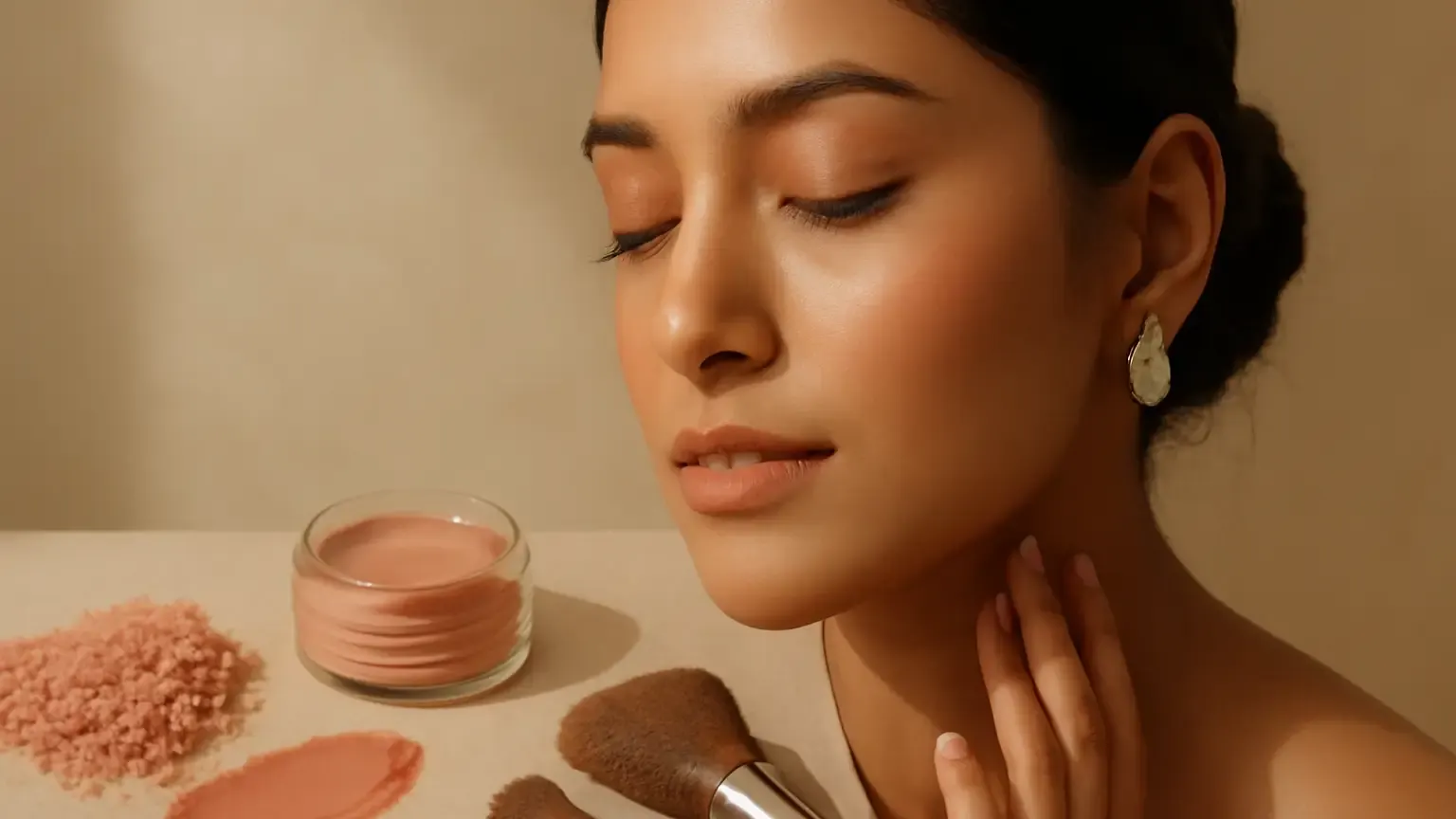
For reliable long wear, choose a finely milled powder blush over a well-prepped base. It can help manage some surface oil, sets quickly and is easy to refresh without disturbing foundation. A blush stain is useful when you want a sheer, natural flush that remains comfortable in heat, although it can be harder to correct. A cream blush gives the freshest, most seamless finish, but it needs careful application and often benefits from a light powder layer.
| Formula | Best for | Finish | Main watch-out |
|---|---|---|---|
| Powder | Oilier skin, humidity and long days | Soft matte to satin | Can emphasise dry texture if over-applied |
| Cream | Normal-to-oily skin wanting a fresh finish | Natural, dewy or satin | May move over an oily or unset base |
| Stain | Light makeup and a sheer flush | Natural, skin-like | Can become patchy if blended too slowly |
Powder blush: the dependable option for oil and humidity
Powder is usually the easiest starting point for a long-lasting blush for oily skin. Its dry texture sits neatly over liquid or powder foundation, and a matte blush or soft-matte formula can help keep cheek colour from becoming overly shiny. This makes powder particularly useful for Indian summers, humid coastal cities and long events where frequent touch-ups are inconvenient.
Look for buildable pigmentation rather than an intensely concentrated pan. A sheer first layer is easier to control and less likely to turn uneven when sebum appears later. A finely pressed powder may blend more smoothly than a very dry, chalky formula, especially if your skin has visible pores. If your skin is sensitive or blemish-prone, checking for a non-comedogenic blush may be useful, but that label does not guarantee that every person will tolerate the product.
How to apply powder blush on oily skin
- Complete your base and allow liquid products to settle for a minute.
- Press a small amount of translucent setting powder onto areas that become shiny, rather than heavily powdering the entire cheek.
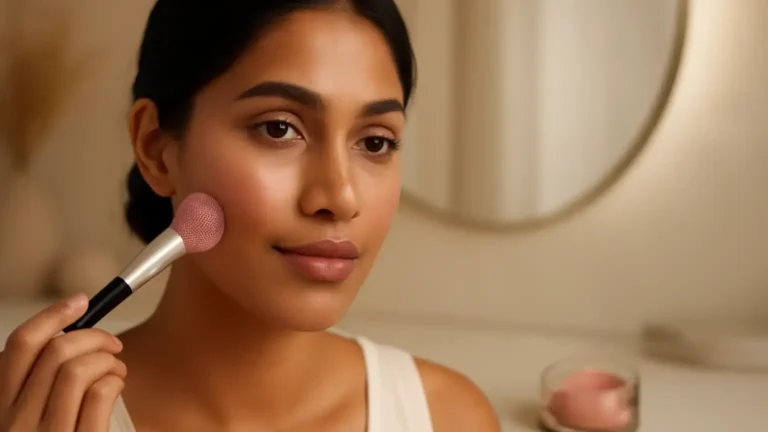
- Pick up a small amount of blush with a clean, fluffy blush brush and tap off excess.
- Place colour slightly above the centre of the cheek and blend towards the temple.
- Add a second thin layer only where more intensity is needed.
This controlled method is the foundation of good blush application for oily skin. Too much powder can make the complexion look flat. If your cheeks are oily in the T-zone but normal near the cheekbones, use powder selectively instead of treating the whole face in the same way.
Cream blush: a fresh finish with more preparation
Cream blush can look especially natural because it melts into the complexion instead of sitting visibly on top. It suits anyone who dislikes a dry matte appearance and wants a fresh, softly diffused cheek. However, cream blush longevity depends heavily on the base underneath. Applied over skincare that has not settled, a rich moisturiser or a slippery foundation, it may sheer out, lift the base or gather around pores.
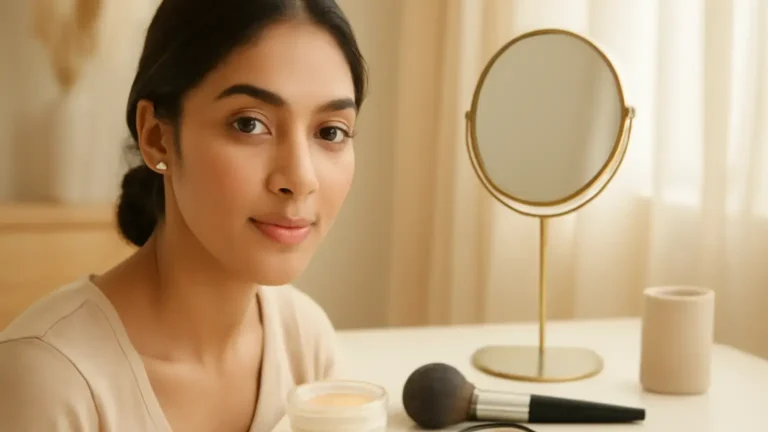
For better wear, use a lightweight moisturiser, allow it to absorb and apply a thin makeup base for oily skin where needed. A silicone-based primer can help create a smoother surface for some complexion products, but compatibility matters: test the combination rather than assuming every primer and foundation will layer well. Oil-control makeup should not mean stripping the skin or applying several heavy mattifying products at once.
Best method for cream blush
Use fingers, a dense synthetic brush or a slightly damp beauty sponge, depending on the finish you prefer. Place a small dot on the back of your hand first, then tap it onto the cheek. Tapping is safer than dragging, which can disturb foundation. If the product remains too glossy, press a very small amount of matching powder blush over the top.
Cream blush is less suitable when your cheeks become very oily within a few hours and you want a completely matte look. It can still work, but the formula, quantity and setting step become more important. A cream-to-powder formula may be a practical middle ground if you like a smooth finish but do not want a visibly wet cheek.
Blush stain: sheer colour for a natural finish
A stain or cheek tint gives a lightweight wash of colour and can be a comfortable choice in hot weather. Because it leaves colour on the skin rather than forming a thick layer, it often looks convincing when the rest of the makeup is minimal. This is the most useful option when you want a blush stain for natural finish results rather than a strongly sculpted cheek.
Stains are not automatically easier. Some set quickly, so applying too much in one place can create a visible edge. Others may interact poorly with a powdered base and skip across the surface. For the smoothest result, apply a small amount over lightly set liquid base, or use it before powder if the product instructions support that method.
Work one cheek at a time. Dot the stain high on the cheek, blend immediately with fingers or a damp sponge, and add another thin layer if required. Avoid rubbing back and forth after it begins to set. A stain is also a practical choice for quick daytime makeup, but you may need a separate powder product for a stronger evening look.
Is cream or powder blush better for oily skin?
There is no single answer for every person. Choose powder if your priority is oil control, a soft-matte finish, predictable application and easy touch-ups. Choose cream if you have oily areas but want a fresh complexion, or if powder tends to highlight texture. Choose stain if you prefer sheer colour, wear little base makeup and want a low-maintenance, skin-like result.
Your climate can change the decision. In dry indoor air, a cream formula may look more flattering than a heavy matte powder. In humid weather, powder usually has the advantage for structure and control. During monsoon makeup routines, a stain under a light powder blush can provide both a lasting colour base and a more polished finish, provided the layers are thin.
Layering blush for longer wear
Layering can extend wear, but piling on multiple thick formulas is likely to create texture. The most reliable approach is to combine a thin cream or stain base with a compatible powder blush. This powder blush layering technique gives the first layer a chance to leave colour behind while the powder adds structure and helps manage shine.
- Apply skincare and let it settle fully.
- Use a thin foundation or concealer layer only where needed.
- Tap on a small amount of cream blush or stain.
- Set the surrounding areas lightly, avoiding excessive powder directly over wet colour.
- Press a coordinating powder blush over the cheek with a soft brush.
Keep the shades close in tone. A warm peach stain topped with a cool mauve powder may look muddier than intended. If you are unsure, use the same colour family with the powder slightly deeper or more muted. This is one of the simplest forms of face makeup layering and can improve wear without making the cheeks look heavy.
Application decisions by skin texture and finish
If your skin has enlarged-looking pores or uneven texture, avoid aggressively buffing blush into the cheek. Pressing and tapping usually preserve the base better. Satin and soft-matte formulas can give dimension without making texture look as pronounced as a wet, reflective finish.
If your skin is oily but dehydrated-looking, do not respond by layering more powder everywhere. Use a comfortable moisturiser, keep the base thin and mattify only the areas that genuinely need it. A powder blush with a smooth satin finish may be more flattering than an ultra-matte formula.
For blush shade selection, consider your overall makeup and natural colouring. Peach, coral and warm rose often suit warm or olive-leaning looks, while pink, berry and mauve can complement cooler or neutral looks. The best shade is one you can build gradually without needing a thick layer. Test the colour in natural light when possible, since indoor lighting can make a blush appear more muted or more orange than it is.
Touch-up routine and common mistakes
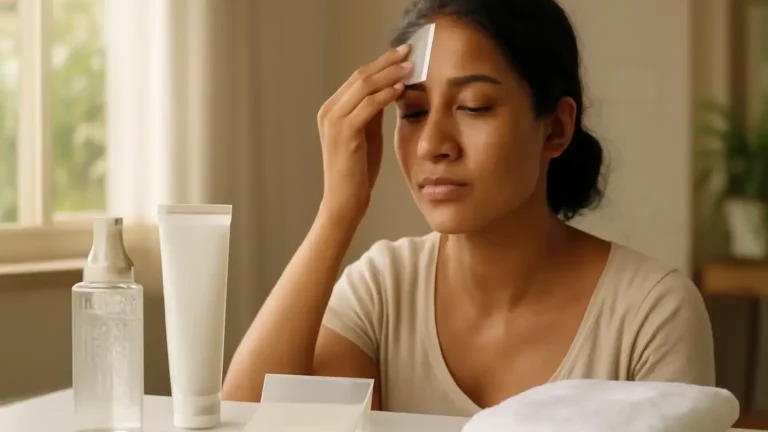
For useful blush touch-up tips, first remove excess oil with blotting paper or a clean tissue pressed gently against the skin. Do not rub, since rubbing can move foundation and create bare patches. Then use a small amount of powder blush only where colour has faded. If the cheek is already shiny, adding cream directly may make the area look heavier.
Common mistakes include applying blush before allowing sunscreen or moisturiser to settle, using a dense brush with too much product, putting blush too close to the nose, and choosing an extremely pale shade that disappears into oil and base makeup. Another mistake is judging wear only in the first ten minutes. Check the finish after a few hours in the lighting and climate where you normally spend your day.
Takeaway: choose the formula that matches your day
The most dependable best blush for oily skin in heat, humidity and long wear is generally powder, especially when applied in thin layers over a controlled base. Cream is best when a fresh, seamless finish matters more than maximum oil control. Stain is ideal for a sheer, natural flush and can work well as the first layer in a carefully built routine. Match the product to your climate, texture and touch-up habits—not just to its label.
If persistent irritation, burning, swelling or a concerning skin reaction follows makeup use, stop using the suspected product and seek advice from a qualified dermatologist or doctor.
Products that may help with this routine
Choose only what fits your skin, hair or personal needs. Use the links below to view current options on Amazon India.
Frequently Asked Questions
What is the best blush for oily skin in humid weather?
A finely milled powder blush is usually the most dependable choice in humid weather because it sets quickly and is easier to control as surface oil appears. A stain topped with a light powder can also work when you prefer a sheer finish.
Is cream or powder blush better for oily skin?
Powder is generally better for maximum oil control, a soft-matte finish and easy touch-ups. Cream is better when you want a fresh, skin-like finish and can prepare and set the base carefully.
How can I make blush last longer on oily skin?
Let skincare settle, apply a thin base, control shine selectively, use a buildable blush in light layers and blot oil before touching up. Layering a stain or cream under a coordinating powder can improve durability.
Can you layer cream and powder blush on oily skin?
Yes. Apply a small amount of cream blush first, allow it to settle, then press a matching powder blush over it. Keep both layers thin to avoid heaviness, patchiness or emphasised texture.
Which blush gives a natural finish for oily skin?
A stain usually gives the most skin-like sheer flush, while a satin powder can offer a natural finish with better oil control. Choose based on how much coverage and wear you need.
How should you apply blush on oily skin without patchiness?
Use a small amount on a settled, thin base and tap rather than drag. Work one cheek at a time for stains, and build powder blush gradually with a clean, fluffy brush.