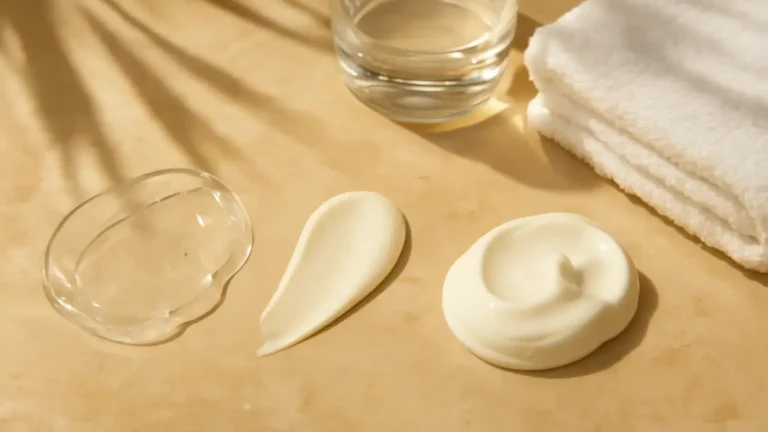
Oily skin and humidity need a lighter routine, not harsher cleansing. For people in India dealing with October heat, sweat and shine, use a gentle gel cleanser, a thin water-based moisturiser, broad-spectrum sunscreen and blotting only when needed. Rinse after heavy sweating, but do not keep washing your face throughout the day. This approach helps reduce greasy discomfort while protecting the skin barrier and keeping sunscreen decisions practical.
October in many parts of India can feel deceptively difficult for oily skin. The monsoon may be retreating, but warm afternoons, lingering moisture, traffic pollution and perspiration can still leave the face shiny by lunchtime. At the same time, frequent washing, scrubbing and skipping moisturiser can make the skin feel tight and irritated.
The aim of a good oily skin care in humid weather routine is not to remove every trace of oil. Sebum supports the skin barrier. The more useful goal is to keep the surface comfortable, reduce avoidable buildup and choose products that do not feel heavy when the air is damp.
What oily skin and humidity change in your routine
Humidity does not create oil by itself, but heat can increase perspiration and make existing sebum spread more easily across the skin. Sweat, sunscreen, makeup and urban dust may then combine into a sticky film. This can make pores look more noticeable and can encourage touching or repeated cleansing.
There are three practical implications:
- Use less product per layer: A pea-sized moisturiser and two-finger sunscreen application, applied in thin sections, usually feels better than several rich layers.
- Prioritise texture: Gel, fluid, lotion and water-based formulas are often more comfortable than dense creams during humid afternoons.
- Separate sweat from oil: Sweat can often be removed with a rinse or clean tissue, while persistent surface shine may be managed with blotting paper or a suitable powder.
Morning routine: cleanse, hydrate and protect
1. Start with a gel cleanser for oily skin
In the morning, wash with a gentle gel cleanser for oily skin if your face feels greasy or sweaty after sleeping. Use lukewarm water and your fingertips for about 20 to 30 seconds. Rinse thoroughly and pat dry instead of rubbing with a towel.
If your skin feels comfortable and not oily on waking, a water rinse may be enough. Cleansing twice daily is a useful starting point, but the correct frequency depends on how much you sweat, whether you wear makeup and how your skin responds. A cleanser that leaves your face squeaky, tight or itchy is probably too stripping for regular use.
2. Add light skin barrier hydration
Oily skin still needs water and barrier support. Apply a thin layer of an oil-free moisturiser or lightweight lotion while the skin is slightly damp. Look for a formula that feels comfortable after a few minutes rather than one that leaves a thick film. Ingredients such as glycerin, panthenol, hyaluronic acid or ceramides can support hydration, though the whole formula and your personal tolerance matter more than one ingredient.
Should you moisturise oily skin in humidity? Usually, yes, especially if cleansing or active products leave your skin tight. If your sunscreen already provides enough comfortable hydration, you may use a smaller amount of moisturiser or skip that separate layer in the morning. Do not treat dryness as proof that you need more exfoliation.
3. Finish with a matte sunscreen
Choose a broad-spectrum sunscreen with a finish you can wear consistently. A matte sunscreen or lightweight fluid can reduce the urge to keep powdering, but matte does not mean drying and it does not replace adequate application. Apply enough to cover the face, ears and exposed neck, allowing each layer to settle briefly.
For a humid weather routine for oily skin, sunscreen reapplication should be based on exposure. Reapply after prolonged outdoor activity, sweating, swimming or towel wiping. If you are mostly indoors and away from direct windows, the timing may be less demanding than a full day outside. Do not mix sunscreen into moisturiser to make it feel lighter, because that can make the final amount difficult to judge.
Daytime shine control: when to blot, rinse or reapply
These three actions solve different problems. Choosing the right one prevents over-cleansing and unnecessary product removal.
| What you notice | Best next step | Why |
|---|---|---|
| Small amount of forehead or nose shine | Press, do not rub, with blotting paper | Removes surface oil with less disturbance to makeup and sunscreen |
| Heavy sweat after walking or commuting | Pat with a clean tissue, then rinse when practical | Sweat and dust need gentle removal rather than repeated scrubbing |
| Outdoor exposure, swimming or towel wiping | Reapply sunscreen | Blotting cannot restore removed UV protection |
| Sticky feeling but no visible oil | Leave the skin alone or use a light rinse | Over-cleaning may increase dryness and irritation |
When to blot oily skin
Use blotting paper when the main issue is visible shine and your skin is otherwise comfortable. Press it gently over the forehead, sides of the nose and chin for a few seconds. Avoid rubbing, dragging or repeatedly pressing the same area. A clean, soft tissue can work when blotting paper is unavailable, although it may disturb makeup more easily.
When to rinse your face
Rinse after substantial sweating, a workout, a long two-wheeler ride or exposure to dust. Plain water is a reasonable short-term option if you have already cleansed and do not want to wash again. Pat dry, then consider a thin moisturiser layer if the skin feels tight. If sunscreen was removed during the rinse, reapply it before going back outdoors.
When to reapply sunscreen
Reapplying sunscreen matters more than trying to keep the face perfectly powder-free. After blotting, apply a fresh layer if you have been outdoors long enough, sweated heavily or wiped the face. For makeup, press away excess oil first, then use a sunscreen format you can apply evenly without rubbing aggressively. A sunscreen stick or powder product may be convenient for touch-ups, but coverage can vary; a fluid or lotion is generally easier to measure for a proper layer.
Evening routine for sweat, sunscreen and pollution
1. Remove sunscreen and makeup appropriately
If you wore water-resistant sunscreen, makeup or several layers, begin with a cleansing balm, micellar water or another suitable first cleanser, then follow with a gentle face wash. This is double cleansing; it is most useful when there is something substantial to remove, not as an automatic requirement every night.
If you wore only a light, non-water-resistant routine and your regular cleanser removes it comfortably, one cleanse may be enough. The best method is the one that removes the day’s products without leaving a tight, squeaky finish.
2. Keep treatment simple
Niacinamide can be a useful option for people interested in niacinamide for oily skin, particularly in a modest, well-tolerated formula. Introduce one new product at a time and use it according to the label. More active ingredients are not automatically better in humidity; combining frequent acids, scrubs and strong retinoid products can increase irritation.
If you use an exfoliating product, keep it occasional rather than treating daily shine as a problem that must be scrubbed away. Stop or reduce a new product if you develop persistent burning, marked redness, swelling or worsening discomfort.
3. Moisturise according to how your skin feels
Apply a lightweight moisturiser at night, especially if you cleansed twice or spent the day in air-conditioning. If your T-zone is oily but cheeks feel dry, use less product in the centre of the face and a little more on the drier areas. This is often more comfortable than choosing an aggressively mattifying product for the whole face.
Product decisions that make a humid routine easier
- For cleanser: Choose a gentle, rinseable formula. Avoid using a strong foaming cleanser simply because it gives an immediate “clean” feeling.
- For moisturiser: Prefer a light lotion or gel with humectants and barrier-supporting ingredients. “Oil-free” can help with feel, but it is not a guarantee that a product will suit every person.
- For sunscreen: Select broad-spectrum protection with a finish you can apply generously and reapply when needed. A comfortable formula is more useful than a theoretically perfect one left unused.
- For oil control: Consider blotting paper or a small amount of translucent powder instead of adding more cleanser. Powder can cake over sweat, so remove excess moisture first.
- For facial mist: A face mist for oily skin may feel refreshing, but it does not replace moisturiser, sunscreen or cleansing. If a mist leaves the skin wet for long periods, pat gently or let it settle without rubbing.
Common mistakes in oily skin care in humid weather
Washing the face repeatedly
Washing every time shine appears may temporarily reduce oil but can leave the skin irritated and uncomfortable. Try blotting for light shine, and reserve cleansing or rinsing for sweat, dust and product buildup.
Skipping moisturiser completely
Some people avoid moisturiser because they fear more oil. If the skin becomes tight after cleansing, a light layer can improve comfort and make it less tempting to overuse harsh products. Adjust the amount and texture rather than automatically removing hydration.
Using too many mattifying products
A mattifying cleanser, toner, serum, moisturiser, sunscreen and powder can create a dry-feeling surface that still becomes shiny later. Start with one oil-control change and assess it for a couple of weeks.
Confusing pores with dirt
Pores are normal skin structures and cannot be permanently erased with a cleanser. Gentle cleansing can remove surface residue, but persistent bumps, painful breakouts or ongoing irritation deserve individual advice rather than increasingly abrasive home care.
A simple October schedule for Indian conditions
Morning: Use a gentle cleanser or water rinse, apply a thin layer of oil-free moisturiser if needed, then finish with sunscreen.
Midday indoors: Leave comfortable skin alone. Blot only visible shine. If you are hot but not dirty, a brief rinse may be enough.
After commuting or exercise: Pat away sweat, rinse or cleanse when practical, moisturise if tight, and reapply sunscreen before further outdoor exposure.
Evening: Remove sunscreen and makeup, double cleanse only when needed, use a simple treatment if tolerated, and moisturise lightly.
This schedule is not a rule that every skin type must follow identically. People with very oily skin may prefer cleansing after a sweaty commute, while combination or easily irritated skin may need fewer washes. Air-conditioning, local climate, helmet use, makeup and outdoor time all change the decision.
Who this routine suits—and when to seek advice
This lightweight approach suits adults and teenagers with generally oily or combination skin who experience shine, sweat and heaviness in warm, humid weather. It is also useful for people who want a low-maintenance routine with fewer layers.
Persistent painful acne, severe itching, swelling, crusting, sudden major changes or irritation that does not settle should be assessed by a dermatologist or doctor. General skincare guidance cannot identify the cause of those symptoms, and adding more exfoliants may make them worse.
Concise takeaway
The best approach to oily skin and humidity is strategic rather than aggressive: cleanse gently, hydrate lightly, protect with sunscreen, blot modest shine, rinse after heavy sweat and reapply sunscreen after it has been removed. Choose textures you can use consistently, and let your skin’s comfort guide how often you wash.
Products that may help with this routine
Choose only what fits your skin, hair or personal needs. Use the links below to view current options on Amazon India.
Frequently Asked Questions
How do you care for oily skin in humid weather?
Use a gentle cleanser, a thin water-based moisturiser and broad-spectrum sunscreen. Blot light shine, rinse after heavy sweating and avoid repeatedly washing the face throughout the day.
Should you moisturise oily skin in humidity?
Usually, yes. Choose a lightweight oil-free moisturiser and adjust the amount to your skin’s comfort. If your sunscreen is already hydrating, you may need only a very thin moisturiser layer in the morning.
How often should you wash oily skin in humid weather?
Twice daily is a useful starting point, with an additional rinse or cleanse after heavy sweating, exercise or dusty outdoor exposure. Reduce washing if your skin becomes tight or irritated.
How do you reapply sunscreen on oily skin?
First press away excess oil and sweat without rubbing. Then apply a fresh, even sunscreen layer after prolonged outdoor exposure, swimming, heavy sweating or towel wiping.
When should you blot oily skin instead of washing it?
Blot when you have light visible shine but no significant sweat, dust or product buildup. Press gently over oily areas rather than rubbing or scrubbing the face.