An oily skin sunscreen should protect comfortably enough to reapply, not merely look matte for one hour. For people in India dealing with humidity, shine or makeup, gel usually feels lightest, fluid often layers most neatly, lotion suits drier-feeling oily skin, and matte formulas prioritise surface shine control. The best choice depends on broad-spectrum protection, finish, pilling, white cast and whether you can apply the recommended amount consistently.
Choosing sunscreen by the word “matte” alone can be misleading. A product may reduce shine initially but pill when layered, leave a visible cast, feel tight after cleansing, or become difficult to reapply during a hot day. Conversely, a fluid or lotion that looks slightly dewy in the first few minutes may wear more evenly and remain comfortable for longer.
For a practical sunscreen for oily skin India routine, judge the formula on two levels: its protection label and its everyday finish. Protection comes first; cosmetic comfort determines whether you will use enough and reapply when needed.
What oily skin sunscreen needs to do
A useful formula should offer labelled broad-spectrum protection against UVA and UVB, sit evenly across the skin, and remain comfortable in your climate. Look for a clearly stated broad-spectrum SPF and a UVA indicator such as PA rating where provided. SPF mainly communicates UVB protection, while the PA system indicates UVA protection; a higher rating is not a reason to apply a thinner layer.
For regular daytime use, many people choose at least SPF 30, with SPF 50 often preferred for strong sunlight, outdoor exposure or long commutes. A PA++++ sunscreen can be useful when you want a high UVA rating, but the label is only one part of the decision. Apply generously to the face, ears and neck, and reapply after heavy sweating, swimming, wiping the face, or prolonged outdoor exposure.
Also read the sunscreen ingredient list for context rather than searching for one “perfect” ingredient. Film-forming ingredients can help the product stay in place; humectants may improve comfort; powders or silica-like ingredients may reduce shine; and richer emollients can make a lotion more cushioning. Ingredient preferences are personal, and a patch test is sensible when trying a new product.
Gel, fluid, lotion or matte: which finish is right?
| Format | Typical feel | Best for | Watch for |
|---|---|---|---|
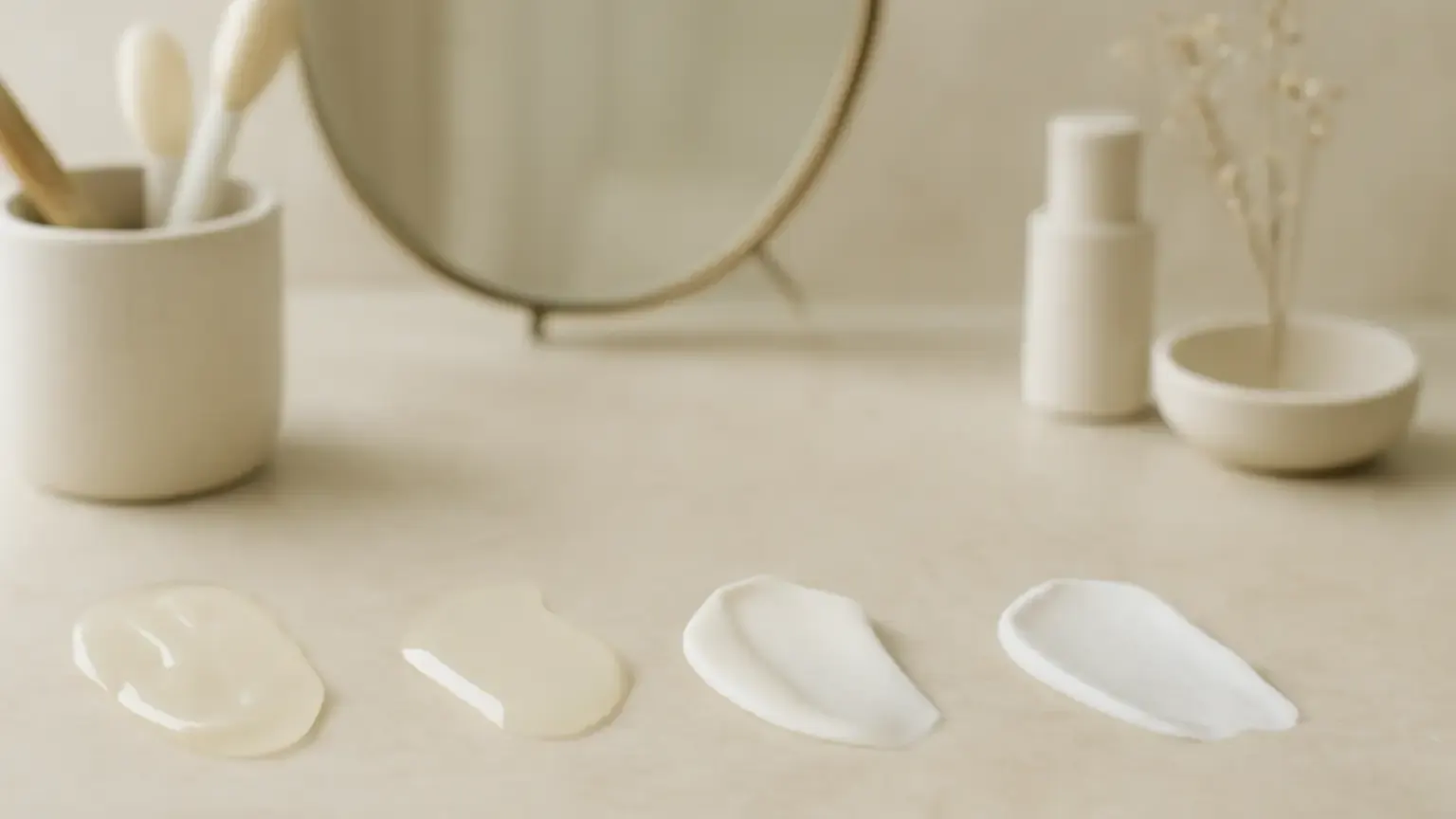
| Gel sunscreen | Light, quick-spreading and often cooling | Humid weather, oily skin and people who dislike creaminess | Alcohol-heavy formulas may feel drying; some gels can roll under makeup |
| Fluid | Thin, runny and usually easy to distribute in layers | Layering, makeup and a less heavy finish | May separate or look shiny if not shaken or set properly |
| Lotion | Creamier, more moisturising and cushioning | Oily-dehydrated skin, air-conditioned offices or a gentler feel | Can look richer and may need more setting time |
| Matte finish sunscreen | Velvety, powdery or shine-reducing | Visible shine, events and makeup preparation | May emphasise dry patches, feel tight or increase pilling when over-layered |
These categories are not regulated finish standards, so two “gel” products can behave very differently. Treat the format as a starting point, then assess how the product behaves after ten to fifteen minutes, after sweating, and beneath your usual makeup.
How to compare shine, comfort and white cast
Shine control versus tightness
Shine control is helpful when the T-zone becomes reflective, but a completely dry finish is not automatically better. If your skin feels tight, looks patchy or produces more visible oil later, the formula may be too drying for your routine. A lightweight sunscreen texture can still contain enough emollience to prevent an uncomfortable, stretched feeling.
Apply your moisturiser selectively rather than automatically using a rich layer everywhere. You may need more hydration on the cheeks and less on the forehead, especially in humid weather. This approach supports oil-control skincare without turning sunscreen into a treatment product.
White cast and skin tone
A no white cast sunscreen should disappear or settle without a pale film on your complexion, but appearance varies with skin tone, product quantity and the type of filters used. Mineral filters can sometimes look more visible, while some modern organic-filter formulas may blend more transparently. Do not judge only on the hand: check the jawline and hairline in daylight after the full amount has settled.
Pilling and makeup compatibility
Pilling usually comes from rubbing, incompatible layers, too much product at once, or a formula that has not formed an even film. Keep the morning routine simple: cleanse if needed, apply a light moisturiser only where useful, then sunscreen. Give each layer a little time to settle. Pressing and smoothing gently is usually better than repeatedly massaging the same area.
Choosing sunscreen for makeup and reapplication
The best sunscreen under makeup is not necessarily the flattest matte formula. A fluid that forms a thin, even layer may be easier to cover with foundation than a powdery product that catches around the nose. If your makeup is lightweight, choose a finish that does not make the base slide. If you use a fuller base, allow the sunscreen to settle before applying makeup with pressing motions.
Sunscreen reapplication is the more difficult test. During a normal indoor day, reapply when exposure, sweating or wiping makes it necessary; for outdoor activity, follow the product directions and reapply regularly. If your face is oily, first blot gently with tissue or blotting paper. Do not scrub away the sunscreen. Then add a fresh layer in sections, pressing rather than dragging across the skin.
Makeup users can reapply before touching up their base, or use a compatible sunscreen layer over clean skin when practical. Powder SPF products and sprays can be convenient for finishing, but they may not deliver the same reliable coverage as applying an adequate lotion, gel or fluid layer. Consider them supplementary rather than a substitute for a proper base application.
A simple buying checklist for India
- Start with protection: Check SPF, broad-spectrum wording and any UVA rating. Choose a water-resistant sunscreen when swimming or sweating, and follow its stated reapplication guidance.
- Match the climate: A gel or fluid often feels more comfortable in hot, humid conditions; a lotion may be preferable in dry weather or air conditioning.
- Consider visible shine: Choose a matte or soft-matte finish if shine bothers you, but avoid sacrificing comfort and even application.
- Check the cast: Test a small amount on the jawline in daylight. Allow it to settle before deciding whether it blends.
- Test layering: Pair it with your actual moisturiser and makeup. Wait between layers and observe whether it balls up or separates.
- Plan reapplication: Pick the finish you can realistically use again. A comfortable fluid may be more useful than a very matte product that you avoid touching up.
Common mistakes that make sunscreen feel greasy
- Applying a thick moisturiser beneath a rich sunscreen when the skin does not need both.
- Rubbing continuously after the product has started to set, which can create rolls and uneven coverage.
- Using too little sunscreen to avoid shine. This reduces the protective layer and defeats the purpose of the product.
- Skipping the ears, hairline, neck and exposed areas around the eyes.
- Assuming a water-resistant label means the product never needs reapplication after sweating or towel drying.
- Changing several skincare products at once, making it difficult to identify which formula causes discomfort or pilling.
People looking for a sunscreen for acne-prone skin should focus on comfort, non-irritating use and whether the formula suits their personal history. “Non-comedogenic” claims may be useful as a screening point, but they are not a guarantee for every individual. Persistent irritation, painful breakouts or a concerning reaction should be discussed with a dermatologist or doctor.
The practical verdict
Choose a gel if humidity and heaviness are your main complaints. Choose a fluid if you prioritise thin layering, makeup compatibility and easy distribution. Choose a lotion if your oily skin also feels tight or dehydrated. Choose a matte finish when shine control is important, provided it does not cause discomfort or pilling.
The most effective oily skin sunscreen is the one that offers appropriate labelled protection, blends across your skin tone, works with your routine and remains comfortable enough to apply generously and reapply. Finish is a useful shortcut, but consistent use is the deciding factor.
Products that may help with this routine
Choose only what fits your skin, hair or personal needs. Use the links below to view current options on Amazon India.
Frequently Asked Questions
Which sunscreen texture is best for oily skin?
Gel and fluid textures are often the easiest starting points for oily skin because they tend to feel light and spread thinly. A matte finish may suit very shiny skin, while a lotion can work better if the skin also feels tight or dehydrated. Test the finish with your complete morning routine.
What SPF and PA rating should oily skin use?
Look for broad-spectrum protection and at least SPF 30; many people prefer SPF 50 for strong sunlight or extended outdoor exposure. A PA++++ sunscreen provides a high UVA rating where that labelling system is used. Apply enough product and reapply according to exposure, sweating and the product directions.
How do I reapply sunscreen on oily skin?
Gently blot excess surface oil without scrubbing, then apply a fresh sunscreen layer in sections using pressing and smoothing motions. Allow it to settle before makeup touch-ups. A comfortable gel, fluid or lotion is usually more practical for reapplication than a formula you avoid because it feels heavy.
Is gel sunscreen better than lotion for oily skin?
Not automatically. Gel sunscreen often feels lighter in humid weather, while lotion can provide more comfort when the skin feels dry or tight. Compare the actual finish, protection label, pilling, white cast and how well you can reapply it.
How do I choose a non greasy sunscreen for oily skin?
Look for a lightweight texture, a finish described as gel, fluid or soft matte, and a formula that settles without excessive rubbing. Test it over your usual moisturiser and under makeup, because the same sunscreen can feel different depending on the layers beneath it.