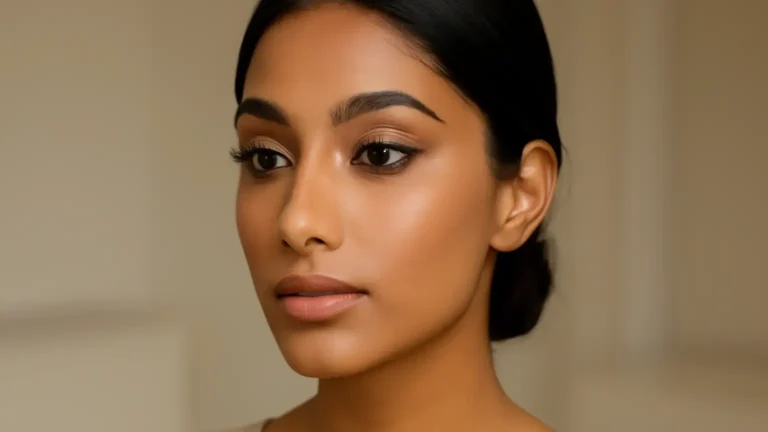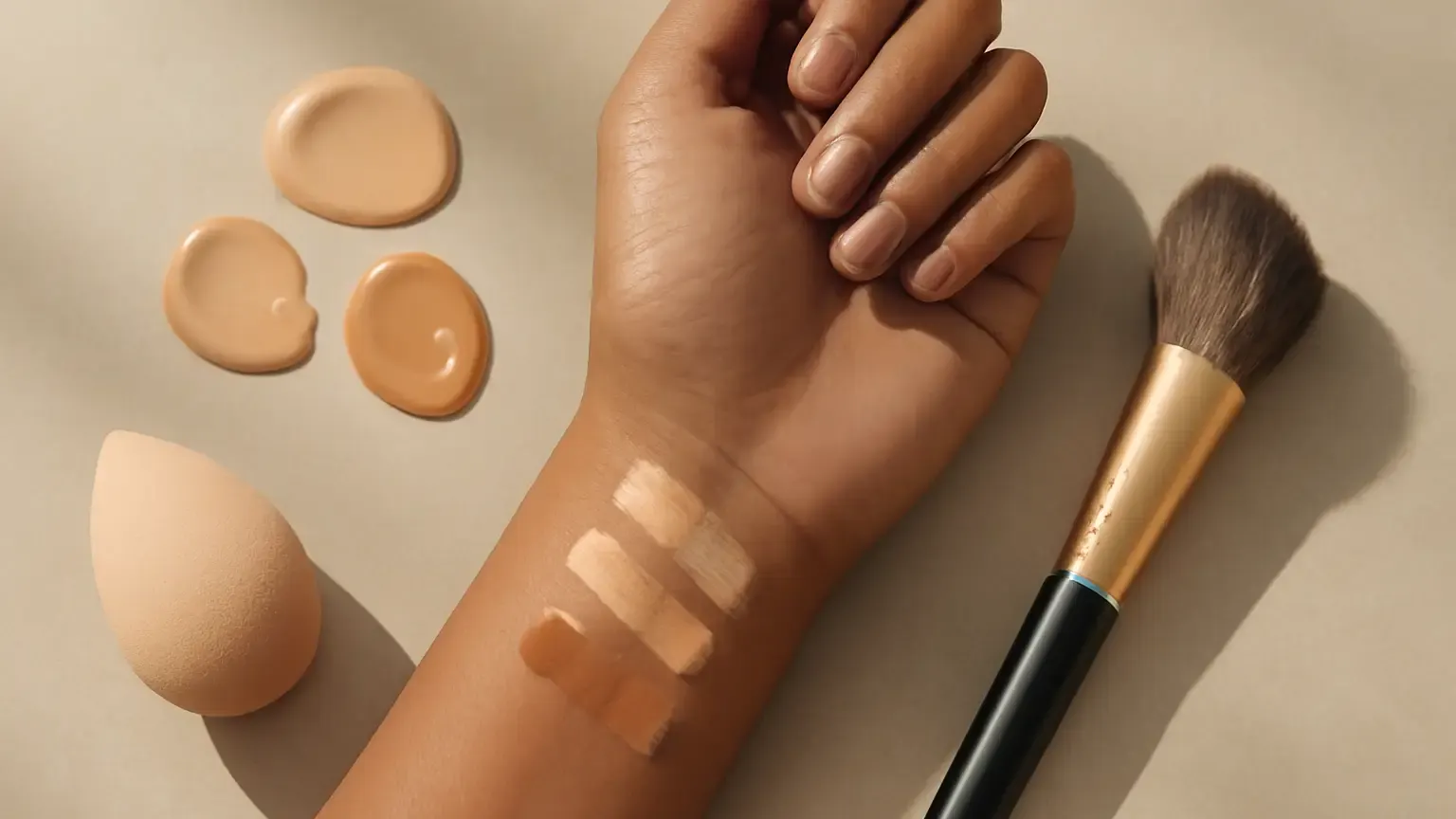
Makeup basics for foundation begin with one practical choice: how much of your natural skin should remain visible? Sheer suits quick daily makeup and humid commutes, medium is the most adaptable option for work and celebrations, while full coverage is useful when you want a more perfected finish for photographs or evening events. This guide is for Indian shoppers comparing formulas, skin textures and wear needs, so you can choose coverage that looks comfortable rather than heavy.
What foundation coverage actually means
Coverage describes how much a base product reduces the appearance of uneven tone, redness, marks and small imperfections. It does not automatically describe finish, shade, longevity or suitability for your skin. A sheer product can be dewy or matte, while a full-coverage formula may look natural or very sculpted depending on how it is applied.
Coverage also varies between brands. One label’s medium may look closer to another product’s light coverage, so use the descriptions below as a working guide rather than an absolute scale. The most useful makeup basics for foundation are to consider the occasion, climate, skin texture and how much maintenance you are willing to do.
- Sheer: Evens the overall look of the complexion while allowing freckles, pores and some marks to show through. Skin tint and tinted moisturiser usually sit in this category.
- Medium: Softens visible discolouration and redness without completely masking the skin. Many medium formulas offer buildable coverage.
- Full: Creates the most opaque, perfected appearance. It can be applied lightly in selected areas, but a full layer generally needs more careful blending and setting.
Sheer foundation: the lightest, easiest option
A sheer foundation is a practical choice for college, errands, daytime meetings and anyone who prefers skin to look like skin. It is often comfortable in warm conditions because there is less product sitting on the face. It can also be a good starting point for beginners who are still learning foundation application techniques.
Choose sheer coverage when your main goal is to reduce dullness or mild unevenness rather than conceal every mark. Apply it with clean fingers for a quick, natural result, or use a damp makeup sponge when you want a more diffused finish. A thin layer of moisturiser underneath can help prevent patchiness, but avoid applying too many rich layers in humid weather.
The limitation is that sheer coverage will not fully hide prominent pigmentation or noticeable blemishes. Instead of adding several layers, use a small amount of concealer only where needed. This preserves the fresh finish and prevents the rest of the face from looking unnecessarily heavy.
Medium coverage foundation: the versatile middle ground
Medium coverage foundation is usually the most adaptable option for Indian routines. It can work for office makeup, family gatherings, dinners and daytime events, especially when the formula is buildable. One thin layer can look polished, while a second layer on the centre of the face can provide extra evening-out without covering the entire complexion.
Medium coverage is often the answer for people asking about the best foundation coverage for daily wear. It gives more visual balance than a skin tint but remains easier to wear than a dense full-coverage base. It is also useful if your skin appearance changes through the week and you want one product that can be adjusted.
For a natural result, apply a small amount from the centre of the face outwards. Pause before adding more. If redness or marks remain, use targeted concealing rather than repeatedly layering foundation. A stippling brush can add coverage in specific areas, while a damp sponge can soften edges around the jaw and hairline.
Full coverage foundation: when a perfected finish makes sense
Full coverage foundation suits evening functions, stage makeup, long photography sessions and occasions when you want a more uniform base. It can also help when you prefer to use less separate concealer, provided the shade and undertone are correct. The result depends heavily on preparation, application and setting; a thick layer is not automatically a better layer.
To understand how to apply full coverage foundation without cakiness, begin with a light moisturiser suited to your skin, allow it to settle, and then apply a small quantity in thin sections. Press and blend instead of repeatedly rubbing the product across the face. Keep the heaviest amount near areas that need it, such as around visible discolouration, and use a nearly clean brush or sponge around the perimeter.
Full coverage can emphasise flaky patches, pronounced texture and fine lines when the formula or preparation is unsuitable. It may also feel less comfortable during a hot commute. If you choose it for Indian climate makeup, consider a lightweight, transfer-resistant formula and set only the areas that become shiny or move easily.
How to choose foundation coverage for your skin and routine
Match coverage to skin texture
For foundation for dry skin, a flexible liquid or serum-like formula with a comfortable finish is often easier to wear than a very flat, fast-setting base. Prep with moisturiser, but give it time to absorb. Sheer or medium coverage can be forgiving because it does not concentrate as much product over dry areas.
For foundation for oily skin, look for a formula that feels light and sets to a finish you can maintain. Medium coverage may be the most practical balance, while full coverage can work for events if applied sparingly. A thin layer of primer or setting powder on the T-zone may improve wear, but excessive powder can make texture more visible.
Consider climate and travel
In humid weather, sweat and sebum can break down a heavy base faster, even when the product is labelled long-wearing. For sheer or medium coverage for Indian weather, choose the lighter option for short daytime plans and medium coverage when you need more evening-out. Blotting paper can remove surface oil without adding another layer of product.
In dry or air-conditioned environments, a flexible medium base may remain more comfortable than a strongly matte full-coverage formula. Always test how the product wears after a few hours in your actual surroundings instead of judging it only under shop lighting.
Think about the occasion
| Need | Most suitable starting point | Why |
|---|---|---|
| Quick daily makeup | Sheer | Fast application and a breathable-looking finish |
| Work, lunch or daytime events | Medium | Polished but adjustable coverage |
| Weddings, evening events or photos | Medium to full | More even-looking under strong lighting |
| Specific marks only | Sheer or medium plus spot concealing | Avoids unnecessary product across the whole face |
Application techniques that change the final result
The same formula can appear sheer or medium depending on the tool and pressure used. Fingers provide warmth and speed, making them useful for lightweight products. A foundation brush can build coverage efficiently, but work in short strokes and finish by pressing the surface lightly. A damp sponge generally leaves a softer, more diffused appearance, although it may use more product.
- Start with clean skin and apply a suitable moisturiser. Add sunscreen for daytime, then allow the layers to settle.
- Check your shade in daylight along the jaw and slightly onto the neck. Good foundation shade matching considers both depth and undertone.
- Use half the amount you think you need. Spread a thin first layer from the centre outward.
- Wait briefly, inspect the face from different angles, and add coverage only to areas that need it.
- Blend around the nose, hairline, jaw and ears so the base does not stop visibly at the face.
- Set selectively. Powder the T-zone or areas that crease, rather than automatically covering the whole face.
A product described as buildable coverage is especially useful when your needs change from day to day. However, buildable does not mean unlimited. If several layers start separating, pilling or highlighting texture, remove excess with a clean sponge instead of adding more.
Touch-ups, hygiene and common mistakes
Foundation touch-ups are easier when you first blot oil or sweat. Adding fresh foundation directly over a shiny surface can create a thick, uneven patch. For a small area, use a tiny amount of product on a fingertip or small brush and press the edges into the existing base. If the face has become dry, a light mist or a little moisturiser pressed onto a clean area may be more comfortable than more powder.
Common mistakes include choosing coverage before checking the shade, applying full coverage everywhere when only a few areas need it, and using a strongly matte formula over unprepared dry texture. Another error is judging a foundation immediately after application. Give it time to settle and check for oxidation, creasing and separation in natural light.
Clean brushes and sponges regularly, do not share base products that touch the skin directly, and follow the product’s usage guidance. If a new makeup product causes persistent irritation, swelling or a concerning reaction, stop using it and seek advice from a qualified dermatologist or doctor.
A simple decision rule
Choose sheer coverage if comfort, speed and visible natural skin are your priorities. Choose medium coverage if you want one adaptable base for most Indian occasions. Choose full coverage when the perfected effect is more important than the lightest feel, and apply it selectively whenever possible.
There is no universally superior level. The best result comes from using the least coverage that gives you the finish you want, then adding concealer or a second thin layer only where necessary. These makeup basics for foundation make the decision easier: match coverage to the occasion, climate, texture and touch-up tolerance—not just to the promise on the label.
Products that may help with this routine
Choose only what fits your skin, hair or personal needs. Use the links below to view current options on Amazon India.
Frequently Asked Questions
How do I choose foundation coverage for daily wear?
For most daily routines, start with sheer or medium coverage. Choose sheer for quick errands and a natural finish; choose medium when you want more even-looking tone for work or daytime plans. A buildable formula gives you flexibility without requiring a heavy layer every day.
Is sheer or medium coverage better for Indian weather?
Sheer coverage is often more comfortable for short, hot commutes, while medium coverage is more useful when you need extra evening-out. In humid weather, apply thin layers, avoid excessive powder and carry blotting paper for maintenance.
How can I apply full coverage foundation without looking cakey?
Prepare the skin with a suitable moisturiser, use a small amount, apply it in thin sections and press rather than repeatedly rubbing. Build only where needed, blend the edges carefully and set the T-zone instead of powdering the entire face heavily.
Can medium coverage foundation cover acne marks?
It can soften the appearance of many marks, but coverage varies by formula and the individual mark. Apply one thin layer, then use a small amount of concealer only on areas that still need more coverage rather than layering the whole face.
What foundation coverage is best for oily skin in humid weather?
A lightweight sheer-to-medium formula is often the easiest starting point. Look for a finish you can maintain, prep lightly, set the T-zone if needed and blot before touch-ups. Full coverage can work for events when applied sparingly.