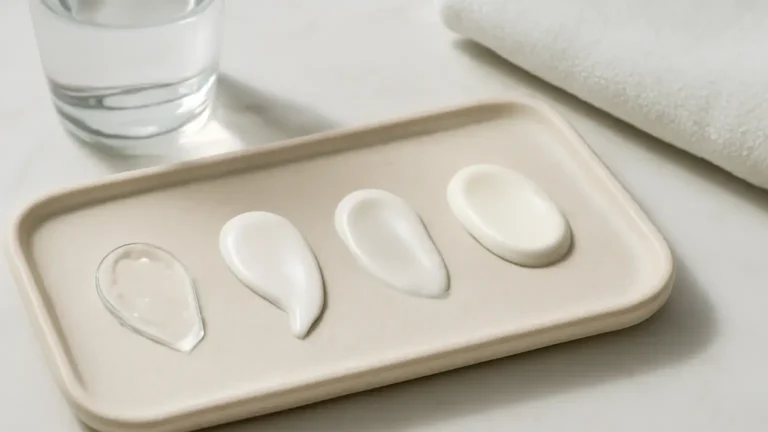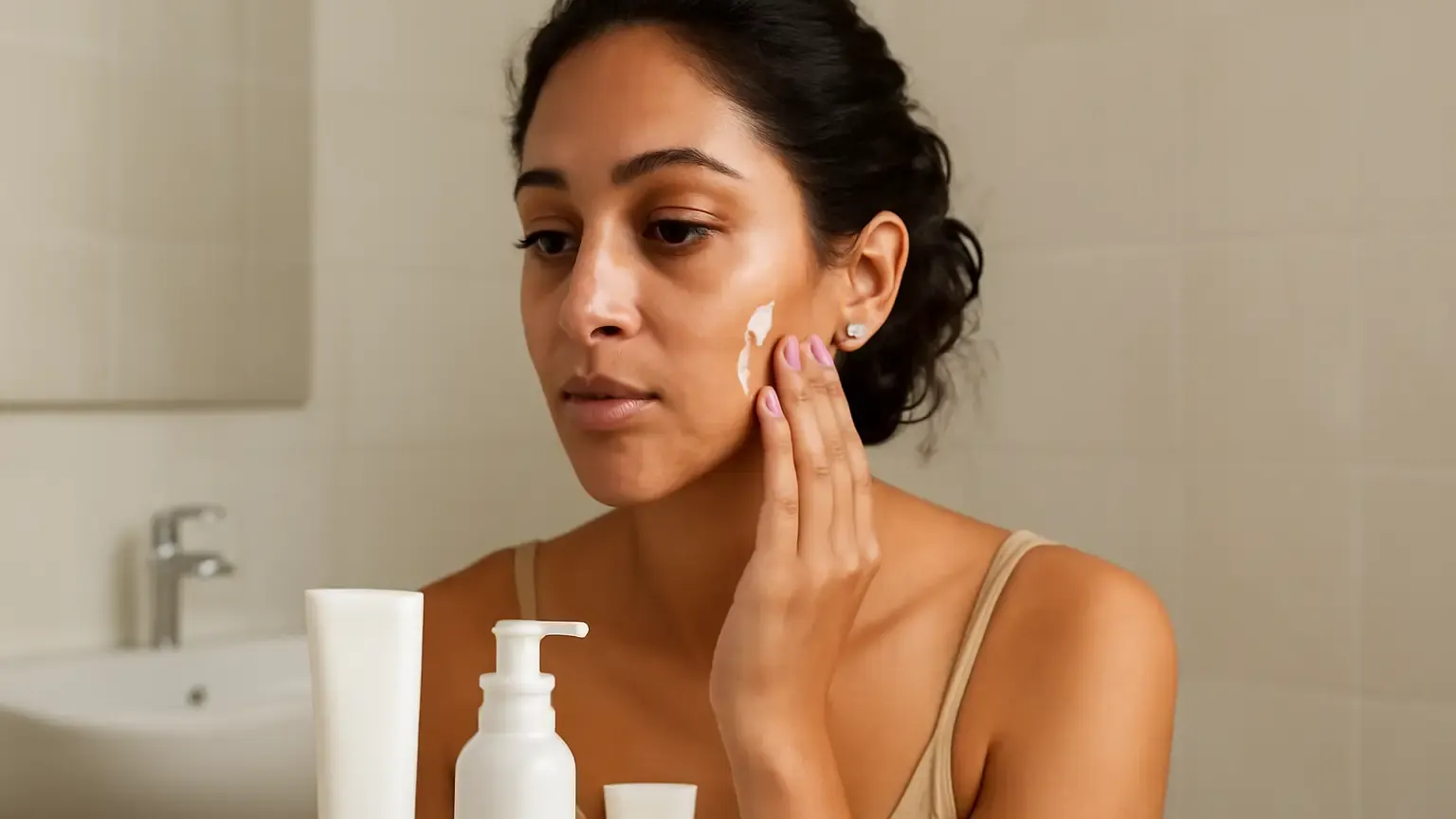
Acne-prone skin and salicylic acid can work well together when the goal is clearer-looking pores without a tight, flaky face. This guide is for beginners and anyone whose skin feels easily irritated: choose a modest strength, begin slowly, treat only breakout-prone areas, moisturise consistently and avoid stacking harsh actives. If acne is painful, widespread or persistent, pause experimentation and speak with a dermatologist rather than increasing acid use.
Why salicylic acid can help acne-prone skin—and still cause dryness
Salicylic acid is a beta hydroxy acid (BHA) that can move into oil and loosen the buildup associated with clogged pores. That makes it useful for blackheads, whiteheads and some breakout-prone areas. However, more exfoliation is not automatically better. Frequent use, a strong formula or several drying products together can leave the skin tight, flaky, stinging or unusually sensitive.
Dryness can also make a routine harder to follow. When the skin barrier is disrupted, even a familiar cleanser or moisturiser may sting. The practical aim is therefore not to use salicylic acid as often as possible; it is to find the lowest effective level that your skin can tolerate.
1. Choose a concentration that matches your experience
A low concentration salicylic acid product is usually the more sensible starting point for beginners, especially if you have sensitive acne-prone skin. A rinse-off salicylic acid cleanser generally gives shorter contact time than a leave-on exfoliant, so it may be easier to introduce. A leave-on product can be more intensive, but it deserves extra caution around frequency and placement.
How to make the choice
- New to acids: Consider a gentle cleanser or a lower-strength product rather than beginning with the strongest option available.
- Already using exfoliants: Check whether another product is already supplying acids, retinoids or strong acne-focused ingredients.
- Very reactive skin: Choose a simple formula and avoid applying it over irritated, sunburned or broken skin.
Read the label and follow its directions instead of assuming that a higher percentage will deliver faster results. Product formats vary, so concentration alone does not determine how your skin will respond.
2. Start gradually instead of applying it every day
A slow introduction is one of the easiest ways to answer the question, “how often to use salicylic acid on acne-prone skin?” Begin with the product directions, but if they allow flexibility, use it on a limited schedule such as one or two evenings a week. Observe your skin for several days before adding another application.
If there is no persistent burning, pronounced redness, uncomfortable tightness or peeling, you may gradually increase use. There is no requirement to use it daily. Some people do better with occasional application, particularly when their routine already contains other active ingredients.
A simple introduction plan
- Use a gentle cleanser and pat the skin dry.
- Apply a small amount of the salicylic acid product as directed.
- Follow with a non-comedogenic moisturiser.
- Use sunscreen the next morning and monitor comfort throughout the day.
Patch testing skincare can help identify obvious sensitivity, although a small-area test cannot guarantee that a product will suit the whole face. Try the product on a discreet area according to the label before applying it more widely.
3. Limit application to areas that actually need it
Do not automatically spread salicylic acid across your entire face if breakouts are concentrated on the nose, chin, forehead or another zone. Applying it only where congestion is a concern can reduce unnecessary exposure and is particularly useful in a combination acne routine, where the T-zone may be oilier than the cheeks.
Keep the product away from the eyelids, corners of the nose, lips and any cuts or raw patches. These areas are more likely to become uncomfortable. If you are using a cleanser, rinse thoroughly without scrubbing. If you are using a leave-on formula, use the amount recommended on the packaging rather than adding extra to individual spots.
Targeted application does not mean repeatedly coating the same blemish throughout the day. Acne products need time and consistency; frequent reapplication can increase irritation without improving the outcome.
4. Protect the skin barrier with moisturiser and sunscreen
Moisturiser is not an optional extra in a salicylic acid routine for acne prone skin. A lightweight, non-comedogenic moisturiser can reduce the uncomfortable dryness that makes people abandon a routine. Look for a texture you can use consistently and ingredients that support the skin barrier, such as ceramides, glycerin or other straightforward hydrators.
If you are wondering how to use salicylic acid with moisturiser, apply the acid as directed and then moisturise. If your skin is particularly sensitive, you can ask a skincare professional whether applying moisturiser before and after a leave-on active would make the product more comfortable; this may reduce intensity, so follow the product’s instructions.
Morning sunscreen also matters. Choose a broad-spectrum sunscreen for acne-prone skin with a finish you are happy to wear every day. Sun exposure can make irritation and post-breakout discolouration more noticeable. Reapply as advised, especially when outdoors, sweating or spending time in strong sunlight.
5. Separate other potentially irritating products
Using benzoyl peroxide and salicylic acid together may be appropriate in some carefully planned routines, but combining them without a strategy can be too drying for some people. The same caution applies to retinoids, scrubs, peeling solutions, strong alcohol-heavy products and fragranced formulas that already make your skin uncomfortable.
How to simplify an active-ingredient routine
Introduce one new active at a time. For example, use salicylic acid on selected evenings and keep the rest of the routine gentle. If you use another acne active, consider alternating nights rather than layering both immediately. Avoid physical scrubbing on acid-use days, since friction adds another source of irritation.
Keep notes about application days, product combinations and symptoms. This can make it easier to identify whether the issue is the acid, another product or too-frequent use. A basic routine often works best: gentle cleanser, one chosen active when appropriate, moisturiser and daytime sunscreen.
How to tell irritation from a normal adjustment
“Irritation vs purging” is a common source of confusion. Mild, temporary changes can occur when introducing an exfoliating product, but intense burning, swelling, cracking, hives, widespread rash or persistent redness should not be treated as proof that the product is working.
Pause the salicylic acid if your skin becomes painful, raw or increasingly uncomfortable. Return to a gentle cleanser, moisturiser and sunscreen if tolerated, and avoid adding more actives while the skin settles. Seek medical advice promptly for severe swelling, blistering or breathing-related symptoms.
Who should seek professional guidance?
Consider a dermatologist for acne if breakouts are deep, painful, widespread, leaving scars or not improving with a consistent, gentle routine. Professional advice is also sensible if acne is affecting your confidence, keeps returning, or appears alongside unusual irritation or another concerning symptom.
A pharmacist, doctor or dermatologist can help you choose between product types and discuss how over-the-counter ingredients fit alongside any prescribed care. Do not replace prescribed treatment with a new acid routine or stop prescribed care without medical guidance.
Quick takeaway
The safest approach to acne-prone skin and salicylic acid is controlled and uncomplicated: start with an appropriate concentration, use it gradually, apply it only where needed, moisturise and wear sunscreen, then separate it from other irritating actives. If dryness becomes significant or acne remains persistent or severe, stop escalating the routine and ask a qualified professional for personalised advice.
Products that may help with this routine
Choose only what fits your skin, hair or personal needs. Use the links below to view current options on Amazon India.
Frequently Asked Questions
How often should you use salicylic acid on acne-prone skin?
Start according to the product directions, using it less frequently if your skin is sensitive. Many beginners begin with one or two applications a week, then increase only if there is no persistent burning, redness, tightness or peeling.
What concentration of salicylic acid is best for beginners?
A lower-strength product or a rinse-off cleanser is generally a more cautious starting point than a strong leave-on formula. The best choice depends on the product directions, your sensitivity and the other active ingredients in your routine.
Can salicylic acid over-dry acne-prone skin?
Yes. Overuse, strong formulas, application to unaffected areas and layering with other irritating products can contribute to dryness and barrier discomfort. Gradual use, targeted application and regular moisturiser can reduce that risk.
How should you use salicylic acid with moisturiser?
Apply salicylic acid as directed, then follow with a suitable non-comedogenic moisturiser. If your skin is highly sensitive, ask a skincare professional whether moisturiser before and after the active would be appropriate for your product.
Can you use benzoyl peroxide and salicylic acid together?
They may be used in the same broader routine, but layering them can be irritating for some people. Consider alternating application times or nights, introduce one active at a time and seek professional advice if your acne is persistent or your skin reacts.
When should you stop using salicylic acid for acne?
Pause it if you develop significant burning, swelling, cracking, severe redness, hives or worsening discomfort. For painful, widespread, scarring or persistent acne, consult a dermatologist instead of increasing product use.