An acne-prone skin moisturiser should leave skin comfortable, not greasy, tight or congested. For oily, combination or blemish-prone skin—especially in India’s humid climate—the most reliable starting point is a light gel, lotion or gel-cream with a simple, fragrance-free formula. Choose texture according to dryness, check the ingredient list for potential irritants and heavy occlusives, then patch test before using it across your face. The goal is steady comfort and skin barrier support, not instant pore perfection.
Moisturiser is useful even when skin feels oily. Cleansing, exfoliating ingredients, acne-focused products and environmental heat can leave the surface dehydrated or irritated. When skin becomes uncomfortable, people often apply too much product, switch products repeatedly or skip moisturiser altogether. All three choices can make a routine harder to assess.
The best formula is not decided by the word “acne” on the label alone. Texture, the overall formula, fragrance, climate, the rest of your routine and how much you apply all matter. “Non-comedogenic” can be a helpful screening term, but it is not a guarantee that every person will respond in exactly the same way.
How to choose an acne-prone skin moisturiser
Start with how your skin feels after cleansing and throughout the day. If it is shiny but comfortable, a water-based moisturiser or gel may be enough. If it feels tight, rough or flaky, a gel-cream moisturiser or lightweight lotion may provide better support. If you are using drying products, a light cream can be more practical at night or on drier areas.
- Oily or humid-weather skin: Look for a gel moisturiser or oil-free moisturiser with a non-sticky finish.
- Combination skin: Use a thin layer across the face and a little more on dry cheeks if needed.
- Dehydrated, tight or flaky skin: Consider a gel-cream moisturiser or light cream with humectants and barrier-supporting ingredients.
- Sensitive, reactive skin: Prioritise fragrance-free skincare and a shorter ingredient list over an elaborate active formula.
A non-comedogenic moisturiser for acne-prone skin should ideally fit easily into your existing routine. It should not sting for more than a brief moment, leave a persistent hot or itchy feeling, or make your face feel coated for hours. These sensations do not prove a product will clog pores, but they are sensible reasons to pause and reassess.
Gel, lotion, gel-cream or light cream?
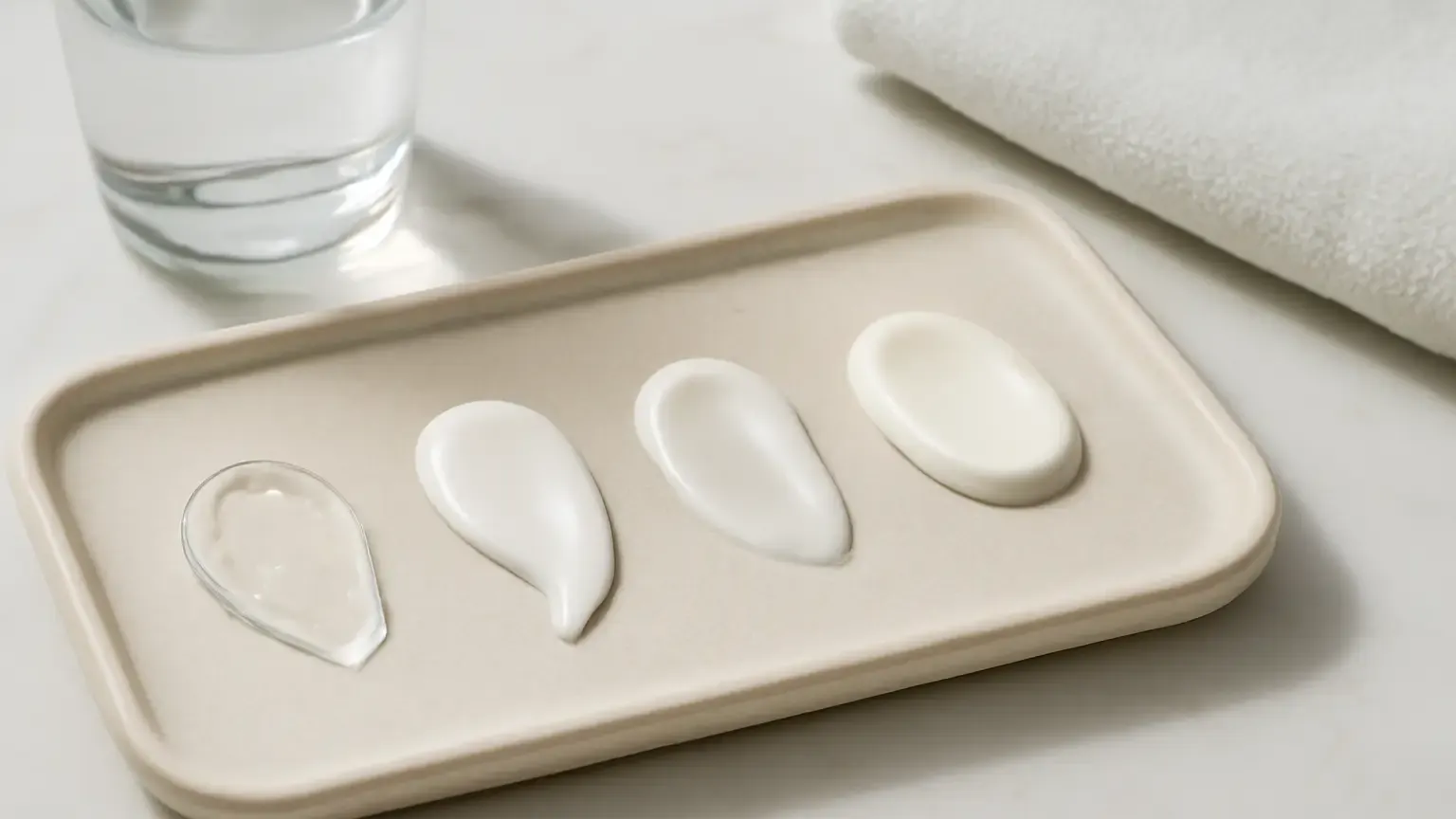
Texture is one of the simplest ways to narrow your choice. The categories overlap between brands, so assess the finish rather than relying only on the name.
Gel moisturiser
A gel moisturiser usually feels light, spreads quickly and suits people who dislike a creamy film. It can be a good option for oily skin, sweat-prone skin and humid weather skincare. Look for hydrating ingredients such as glycerin, hyaluronic acid or panthenol. Some gels contain alcohol, fragrance or several botanical extracts, so a “gel” label does not automatically mean gentle.
Lightweight lotion
A lightweight lotion has a fluid, milky or softly creamy texture. It can work well for combination skin because it offers more emollience than many gels without the richness of a traditional cream. This format is also useful if your skin is using active products and needs comfort without a thick finish.
Gel-cream moisturiser
A gel-cream moisturiser combines a cooling, spreadable feel with more cushioning than a clear gel. It is often a useful middle ground for skin that is oily in the T-zone but dry around the mouth or cheeks. Apply a thin layer first; the product may feel light but still provide meaningful moisture.
Light cream
A light cream may be the better choice when the skin barrier feels rough, sore or persistently tight. It generally contains a higher proportion of emollients or occlusive ingredients than a gel. That is not automatically a problem for acne-prone skin, but a rich formula may feel uncomfortable in hot weather or on very oily areas. You can use it selectively rather than across the entire face.
Ingredients and finish: what deserves attention?
For a moisturiser for acne-prone skin, assess the whole formula rather than searching for one “perfect” ingredient. Humectants such as glycerin attract water to the outer layers of skin. Emollients help soften roughness. Occlusives reduce water loss by forming a protective layer. A balanced formula may contain all three.
Occlusives are not automatically pore-clogging. Petrolatum, for example, is a well-established occlusive, but a rich, sealed finish may not suit everyone’s facial preferences. Waxes, certain plant butters and heavier oils can also feel too dense for some people, while being comfortable for others. If you repeatedly notice congestion after using a very rich product, stop that trial and return to a lighter formula rather than assuming all moisturisers are unsuitable.
“Non-comedogenic ingredients” is not a perfectly universal checklist because the finished formula, concentration and individual skin response matter. A product labelled non-comedogenic may still irritate your skin, and an unlabelled product may suit you. Use the label as one decision factor alongside texture, fragrance and your past experience.
Fragrance is another practical consideration. Fragrance does not cause breakouts for everyone, but it can be an avoidable source of irritation, especially when the skin is already sensitised. If you are prone to stinging, redness or recurring discomfort, fragrance-free skincare is a sensible starting point. Essential oils and strongly scented botanical blends deserve the same cautious approach.
Some moisturisers include niacinamide, ceramides or panthenol for skin barrier support. Others include salicylic acid skincare ingredients or other exfoliating actives. An active moisturiser can be convenient, but combining it with multiple leave-on treatments may increase dryness. If your routine already contains an exfoliant or prescribed product, a plain moisturiser may make it easier to manage comfort.
How much should you apply?
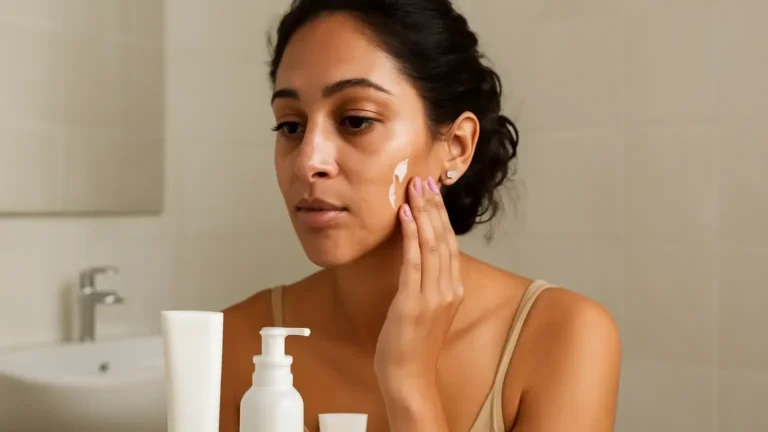
Using too little can leave skin tight; using too much can create unnecessary shine and pilling. After cleansing, apply moisturiser to slightly damp—not dripping—skin. A small, even layer is usually enough for the face, with a little extra for the neck if you include it in your routine. The exact quantity depends on the product’s spreadability, so treat “pea-sized” advice as a starting point rather than a strict measurement.
Press or gently smooth the product over the skin instead of rubbing aggressively. Give it a few minutes to settle before applying sunscreen or makeup. When layering skincare products, use lighter water-based steps first and richer products later. If your sunscreen already feels moisturising, you may need less moisturiser in the morning than at night.
Patch testing and a calm trial plan
Patch testing skincare products can reduce the chance of applying an unsuitable formula to your whole face. Apply a small amount to an inconspicuous area, such as along the jaw or behind the ear, once daily for several days if your skin is reactive. This cannot predict every breakout or delayed reaction, but it can reveal immediate burning, itching or obvious irritation.
- Introduce one new moisturiser at a time.
- Keep cleanser, sunscreen and other products stable during the first trial where possible.
- Use a thin layer once daily, then increase to morning and night if it feels comfortable.
- Observe stinging, redness, roughness, unusual congestion and finish—not just whether one spot appears.
- Give the formula a reasonable, consistent trial unless irritation develops sooner.
Stop using a product if you develop marked burning, swelling, hives or worsening irritation. Seek medical advice for severe or persistent symptoms. A dermatologist can help if breakouts are painful, widespread, scarring or not improving with a gentle routine; moisturiser is supportive care, not a treatment for every acne concern.
Common mistakes to avoid
- Skipping moisturiser because skin is oily: This can make cleansing and active-product dryness harder to tolerate.
- Choosing the lightest texture at all costs: A gel may be too little for dehydrated skin, leading to tightness and repeated reapplication.
- Assuming “natural” means non-irritating: Botanical extracts and essential oils can still bother sensitive skin.
- Applying a thick layer to compensate for dryness: A more suitable gel-cream or light cream may work better in a measured amount.
- Changing several products together: You lose the ability to identify what is helping or causing discomfort.
- Expecting a moisturiser to clear acne: Its main role is hydration, comfort and support for the skin barrier.
A simple decision guide
Choose a gel if you want the lightest finish and your skin is oily but not tight. Choose a lightweight lotion if you need modest softness without a rich film. Choose a gel-cream moisturiser if your skin is combination or mildly dehydrated. Choose a light cream if dryness, flaking or barrier discomfort is the bigger issue, particularly at night or during dry weather.
For most people, a good routine is simple: gentle cleanser, moisturiser and daytime sunscreen, with any acne-focused or prescribed products used according to professional guidance. In hot, humid conditions, apply less product and allow each layer to settle. In dry indoor air or cooler months, switch to a slightly more cushioning texture if your skin starts feeling tight.
Takeaway
The right acne-prone skin moisturiser is the lightest comfortable formula that supports your skin without making it feel congested. Compare gel, lotion, gel-cream and light cream textures; favour a sensible, fragrance-free formula when irritation is a concern; patch test; and judge the product over consistent use rather than one day. Comfort, tolerance and a steady routine are more useful goals than chasing a guaranteed pore-free finish.
Products that may help with this routine
Choose only what fits your skin, hair or personal needs. Use the links below to view current options on Amazon India.
Frequently Asked Questions
What is the best moisturiser for acne-prone skin in India?
There is no single best option for everyone. In India’s warm or humid climate, many people prefer a fragrance-free gel, lightweight lotion or gel-cream labelled non-comedogenic. Choose a light texture for oily skin and a more cushioning formula if your skin feels tight or flaky.
Can acne-prone skin use gel moisturiser?
Yes. A gel moisturiser can suit oily or combination skin because it usually spreads easily and feels light. Check the complete formula, as some gels contain fragrance or potentially irritating ingredients. If your skin remains tight after use, try a lotion or gel-cream instead.
How do you choose a non-comedogenic moisturiser for acne-prone skin?
Use the non-comedogenic label as a starting point, then consider texture, fragrance, your climate and your history with rich products. Patch test, introduce one product at a time and choose a formula that leaves skin comfortable without a persistent heavy film.
Is fragrance-free moisturiser better for acne-prone skin?
Fragrance-free can be a better starting choice if your skin stings, reddens or reacts easily because it removes one common source of irritation. It does not guarantee that a product will prevent breakouts, so the rest of the formula and your individual response still matter.
How much moisturiser should I use for acne-prone skin?
Apply a small, even layer over the face after cleansing, using enough to prevent tightness without leaving a heavy coating. The right amount varies by texture. Start modestly, add more to dry areas if needed and reduce the amount if layering causes pilling or excess shine.
Can moisturiser clog pores if you have acne-prone skin?
Any formula may feel unsuitable for an individual, but moisturiser does not automatically clog pores. Richness, the complete ingredient blend, application amount and personal tolerance all matter. If congestion repeatedly follows one product, discontinue that trial and choose a lighter formula.