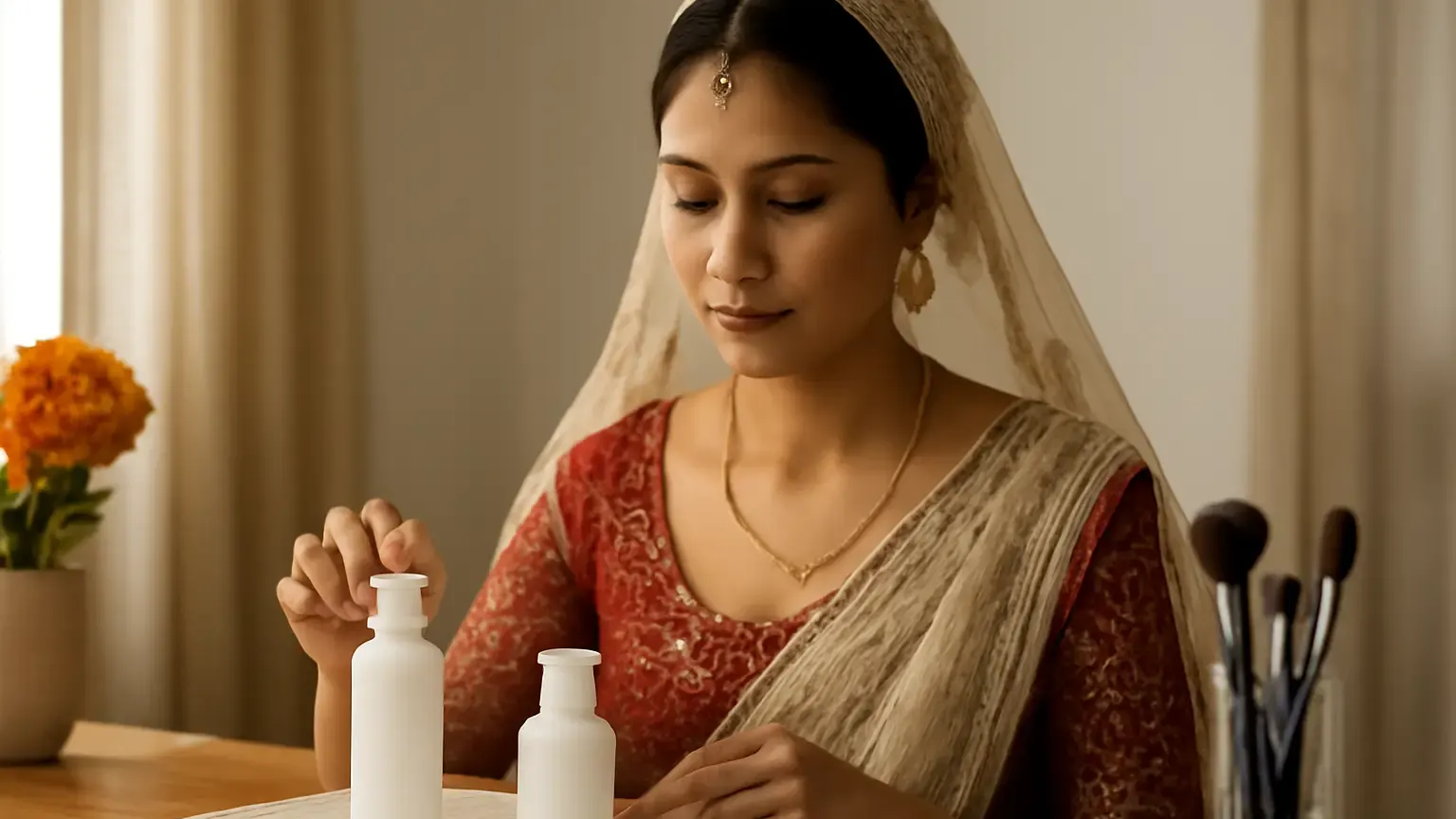
Acne prone skin before a wedding needs consistency rather than a last-minute overhaul. This checklist is for brides, grooms and wedding guests who want calmer-looking, comfortable skin without gambling on unfamiliar facials, peels or products. Keep the routine gentle, moisturise even if skin feels oily, wear broad-spectrum sunscreen, plan hair removal early and protect makeup hygiene. The key decision is simple: preserve a routine your skin already tolerates, and leave experiments for well before the event.
A wedding can create pressure to change everything at once: a new cleanser, a brightening facial, stronger exfoliation, facial waxing and heavier makeup. For acne-prone skin, that combination may increase dryness, stinging, clogged pores or visible irritation at exactly the wrong time. A low-risk plan is more useful than a dramatic one.
Start with a simple pre-wedding skincare timeline
The safest wedding skincare routine is built around products and habits your skin already accepts. Create a short timeline based on the event date, not on the promise of instant transformation.
- Four to six weeks before: review your routine, replace old or contaminated makeup tools and arrange professional advice if breakouts are persistent, painful or worrying you.
- Two to three weeks before: complete any necessary patch testing and decide whether facial hair removal is genuinely needed. Avoid adding several new products together.
- One week before: keep cleansing, moisturising and sunscreen consistent. Do not schedule an unfamiliar peel, extraction-heavy facial or strong exfoliation session.
- One to two days before: wash makeup brushes, check the condition of sponges and prepare a small, familiar skincare kit for travel or touch-ups.
- On the day: use a calm, thin skincare base and give each layer time to settle before makeup.
This approach suits people with occasional pimples, recurring congestion or easily irritated skin. It is not a substitute for individual medical care. If you have severe, painful, rapidly worsening or persistent symptoms, speak with a dermatologist rather than attempting a pre-wedding reset.
Build the daily routine around barrier-friendly basics
Cleanse without scrubbing
Use a gentle cleanser for acne-prone skin in the evening and after heavy sweating. In the morning, a water rinse may be enough for some people, while others prefer a mild cleanse. Choose lukewarm water, use clean fingertips and rinse thoroughly. Scrubs, cleansing brushes and vigorous rubbing can make skin feel temporarily smoother while increasing irritation.
Remove wedding or trial makeup carefully rather than going to bed with residue. A suitable first cleanse can loosen makeup, followed by a gentle water-based cleanser if your skin tolerates that routine. Avoid repeatedly washing to chase an oily feeling; tightness is a sign to reassess, not proof that the skin is cleaner.
Moisturise, even when skin is oily
A non-comedogenic moisturiser can help reduce uncomfortable dryness caused by cleansing, weather or cosmetic products. Look for a lightweight lotion or gel-cream if rich textures feel congesting, but do not assume every “oil-free” label will suit every person. Apply a modest amount to slightly damp skin and observe how it wears under makeup.
Skin barrier care matters before an event because irritated skin can look more textured and makeup may cling to dry patches. Do not stop prescribed skincare without medical advice. If a clinician has recommended a product that causes concern about dryness or peeling, ask them how to manage it well before the wedding.
Use sunscreen consistently
Apply a broad-spectrum sunscreen during daytime, particularly if you will attend outdoor ceremonies, travel in strong sun or are concerned about post-breakout marks. Choose a formula that feels comfortable and works with your moisturiser and makeup. A sunscreen suitable for acne-prone skin is usually one that you can apply generously and reapply when needed without stinging or excessive greasiness.
Test the complete morning combination—cleanser, moisturiser, sunscreen and makeup—before the event. Product pilling is often a layering issue, so try using thinner amounts and allowing each layer to settle rather than immediately replacing everything.
Be cautious with new treatments and facials
One of the most important rules for acne prone skin before a wedding is to avoid unfamiliar treatments close to the date. A facial, peel, extraction, laser procedure or strong active may cause redness, peeling, swelling or sensitivity even when it is marketed as gentle. “Natural” does not automatically mean low-risk, and a treatment that suited a friend may not suit you.
As a practical decision rule, do not try a new facial in the final week. If you are considering professional treatment, consult a qualified dermatologist or experienced skin professional well in advance and ask about expected downtime, sun sensitivity, makeup restrictions and the possibility of irritation. Leave enough time for your skin to return to its normal baseline before the celebration.
Patch testing skincare is useful for reducing the chance of an unexpected reaction, but it is not a guarantee that a product will never irritate your face. Test one new item at a time and avoid testing several formulas immediately before a major event. Do not apply strong household ingredients such as lemon juice, toothpaste or undiluted essential oils to blemishes.
Plan hair removal according to your skin’s reaction
Facial hair removal can be part of wedding preparation, but the method and timing matter. Waxing, threading, shaving and depilatory creams can all produce different levels of friction or sensitivity. If you have previously reacted to waxing, do not make it your first choice before the ceremony.
- Waxing: can leave temporary redness and may be unsuitable for skin that is irritated or peeling. Avoid waxing over active, sore areas.
- Threading: may be precise but can still cause friction, bumps or redness, especially around the upper lip and brows.
- Shaving: uses a clean, sharp tool and light pressure; avoid repeatedly passing over the same area.
- Depilatory creams: require careful instructions and a patch test because facial skin may react strongly.
For anyone asking, “Can I wax my face before my wedding?”, the low-risk answer is: only if you have used that method successfully before and schedule it early enough to allow any redness or bumps to settle. Do not wax over broken skin, inflamed spots or areas that feel unusually sensitive. After removal, keep the area clean, avoid rubbing and skip unfamiliar actives until it feels comfortable.
Choose makeup for comfort, not maximum coverage
Acne-safe makeup is not a guarantee against breakouts, but lighter layers and careful removal may reduce the chance of congestion and irritation. Look for products labelled non-comedogenic if that information is available, and choose a base that matches your skin type and the climate. In humid parts of India, thin layers may feel more comfortable than one heavy layer.
Ask your makeup artist how they clean brushes, palettes and tools between clients. Makeup brush hygiene should include visibly clean brushes, fresh disposable applicators where appropriate and no double-dipping into cream products. If you are doing your own makeup, wash brushes before the trial and wedding, let them dry fully and do not share eye or face products.
Makeup sponges should be clean and dry before use; replace them if they are torn, persistently stained or difficult to wash. Avoid applying makeup directly over a spot that is open, bleeding or severely irritated. A professional artist can help create coverage without repeatedly rubbing the area.
Make the makeup trial a safety test
A trial is not only about colour matching. It is an opportunity to assess how your skin handles the full routine for several hours.
- Tell the artist about known sensitivities and products that have caused problems before.
- Ask for clean tools and fresh applicators.
- Wear the planned skincare underneath, including sunscreen if the event is outdoors.
- Take photographs in daylight and indoor light, then check for stinging, unusual redness or uncomfortable tightness.
- Remove the makeup gently that evening and return to your usual routine.
Do not use a trial as a reason to test several new serums, primers and setting products at once. If a reaction appears, simplify the routine and identify the likely change. Seek professional medical advice for swelling, hives, intense burning or symptoms that do not settle.
The final 48 hours: keep decisions boring
During the last two days, prioritise sleep, regular meals, hydration and a familiar skincare routine. These habits cannot guarantee clear skin, but they support comfort and make it easier to notice what is irritating you. Avoid picking, squeezing or repeatedly inspecting blemishes in magnifying mirrors; manipulation can increase redness and the chance of marks.
Pack your cleanser, moisturiser, sunscreen, makeup remover and any prescribed products you normally use. Carry tissues or clean cotton pads for gentle blotting rather than rubbing. If your event is outdoors, plan shade and sunscreen reapplication around your makeup and ceremony schedule.
Common mistakes to avoid
- Replacing a familiar routine with a complete “bridal glow” kit.
- Using harsh scrubs or multiple exfoliating products to smooth texture quickly.
- Waxing, threading or applying a new depilatory cream the night before.
- Sharing foundation, brushes, sponges or lip products.
- Sleeping in makeup after a long celebration.
- Applying thick layers of spot concealer to broken or irritated skin.
Concise takeaway
For acne prone skin before a wedding, the lowest-risk plan is a stable routine: gentle cleansing, a comfortable moisturiser, broad-spectrum sunscreen, carefully timed hair removal and clean makeup tools. Test changes early, avoid unfamiliar treatments near the event and ask a dermatologist about persistent or severe concerns. Calm, predictable preparation is usually more useful than a last-minute skincare experiment.
Products that may help with this routine
Choose only what fits your skin, hair or personal needs. Use the links below to view current options on Amazon India.
Frequently Asked Questions
What should I do for acne prone skin before a wedding?
Keep a familiar routine with gentle cleansing, a non-comedogenic moisturiser and broad-spectrum sunscreen. Avoid picking, new treatments and several new products at once. Arrange professional advice early if breakouts are persistent, painful or worsening.
How many days before a wedding should I try a new facial?
Do not try an unfamiliar facial in the final week. If you are considering one, schedule a consultation several weeks ahead, ask about downtime and allow enough time for redness, peeling or sensitivity to settle.
What is the best skincare routine for acne prone skin before an event?
Use a mild cleanser, lightweight moisturiser and daytime broad-spectrum sunscreen. Remove makeup gently at night, avoid harsh scrubbing and introduce only products your skin has had time to tolerate.
Can I wax my face before my wedding?
Only consider waxing if you have used it successfully before and can schedule it early enough for redness or bumps to settle. Avoid waxing irritated, peeling or broken skin, and do not make it a first-time treatment just before the event.
How can I keep wedding makeup hygienic for acne prone skin?
Use clean, fully dry brushes and sponges, avoid sharing products, use disposable applicators where appropriate and prevent double-dipping into cream makeup. Remove makeup gently after the event.
What sunscreen is suitable for acne-prone skin before a wedding?
Choose a broad-spectrum sunscreen that feels comfortable, does not sting and works under your planned makeup. If possible, select a non-comedogenic formula and test the full morning routine before the wedding day.