For acne prone skin after threading, keep the first 24 hours deliberately boring: use a gentle cleanser, a plain fragrance-free moisturiser and sunscreen, while pausing makeup, intense exercise, exfoliation and strong acne actives. This guide is for anyone who develops redness, tiny bumps or stinging after facial threading, especially around the brows, upper lip or jawline. The goal is to reduce friction and heat while the freshly threaded skin barrier settles, then restart your usual routine gradually.
Threading removes facial hair by rolling and pulling cotton thread across the skin. It can also create short-lived mechanical irritation around the hair follicles. A little warmth or redness may be expected, but freshly threaded skin is more reactive to sweat, rubbing, fragrance and active skincare than usual.
What to pause for 24 hours after threading
The simplest threading aftercare rule is to minimise anything that adds heat, friction, occlusion or chemical stimulation. You do not need a complicated post-threading routine. In most cases, the following pauses are sensible for the first day:
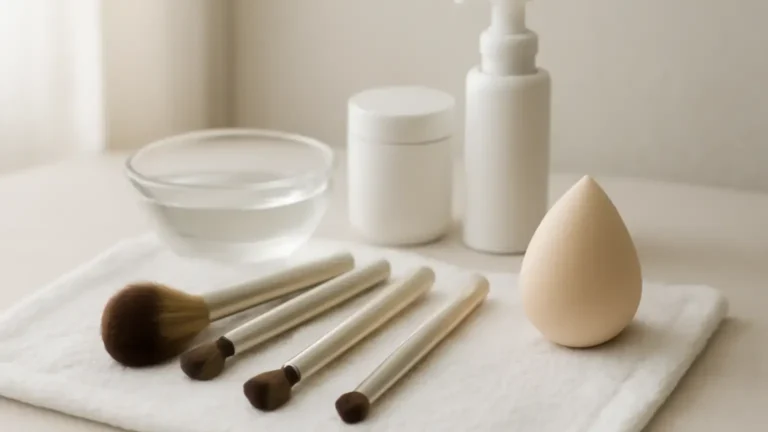
- Makeup: Delay foundation, concealer, heavy brow products and fragranced cosmetics if possible, particularly over the threaded area.
- Exercise: Skip intense workouts, hot yoga, steam rooms and saunas. Sweat and heat can make post-threading redness feel worse.
- Strong skincare: Hold off on scrubs, facial brushes, peels and leave-on exfoliants.
- Acne actives: Temporarily pause salicylic acid, benzoyl peroxide, retinoids and alpha hydroxy acids on the treated patch if they sting or commonly irritate you.
- Touching: Avoid picking, rubbing, repeated checking and tight clothing or masks that press against the area.
These are short-term comfort measures, not a replacement for prescribed skincare. If a clinician has given you a specific treatment plan, ask them how to manage it around threading rather than changing it permanently.
Prepare acne-prone skin before facial threading
Good preparation begins before you sit down for threading facial hair removal. Arrive with clean skin, but avoid aggressively degreasing or scrubbing the area. A gentle cleanser is usually enough; remove sunscreen and makeup without using a rough cloth.
Check your active-product timing
Retinoids, exfoliating acids and acne treatments can leave skin more sensitive to friction. If your skin is already peeling, raw, sunburnt or unusually tight, postpone threading and speak with the threading professional about safer timing. Do not thread over open spots, scabs or visibly irritated patches.
It is also sensible to tell the professional about recent peels, waxing, strong treatments or known contact sensitivities. Choose a clean salon or practitioner who washes their hands, uses fresh thread and keeps the setup hygienic. Threading hygiene matters because irritated follicles are less forgiving of avoidable contamination.
What to use immediately after threading
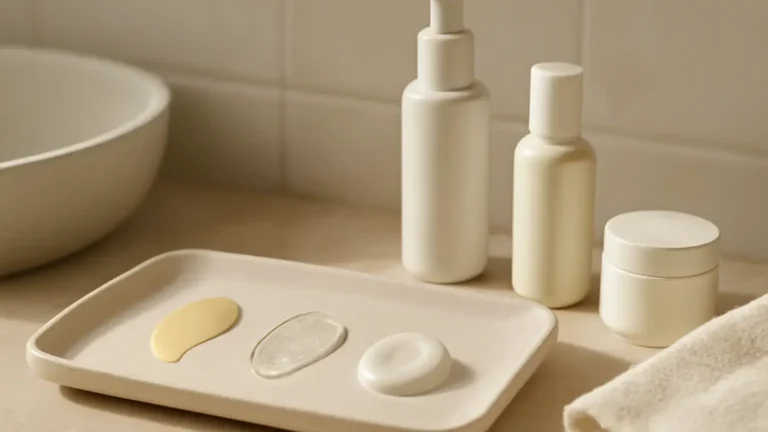
For skin care after threading for acne prone skin, choose fewer products rather than more. Rinse or cleanse gently if needed, pat dry with a clean towel and apply a light, fragrance-free moisturiser. Look for a non-comedogenic moisturiser if richer creams tend to feel congesting, but do not assume that every “oil-free” product will suit every person.
A simple first-day routine
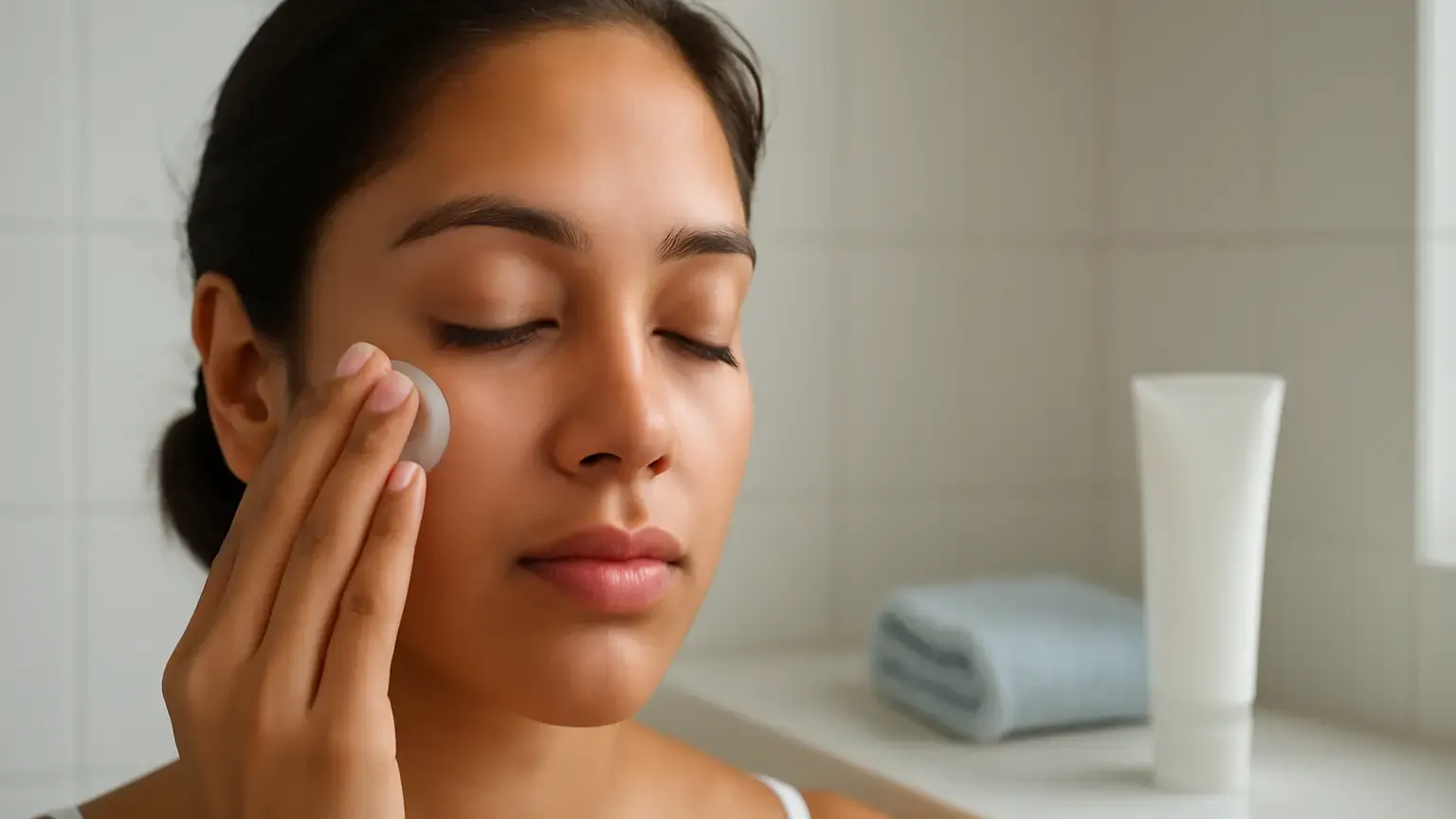
- Cleanse softly: Use lukewarm water and a mild, non-scrubbing cleanser. Avoid hot water and washcloth friction.
- Calm the surface: If the area feels hot, hold a clean cool compress against it for a few minutes. Do not place ice directly on the skin.
- Moisturise lightly: Apply a plain moisturiser without perfume, essential oils or active acids.
- Protect outdoors: Use a broad-spectrum sunscreen after threading if you are leaving home. A lightweight formula that does not sting is preferable; mineral sunscreen may be more comfortable for some temporarily sensitive skin, but patch testing is useful.
Do not apply lemon juice, toothpaste, rubbing alcohol, undiluted essential oils or harsh antiseptics. These familiar home remedies can add irritation without solving the underlying problem.
Exercise, heat and friction: when can you return?
Can I exercise after threading my face? If the area is still warm, red or stinging, wait until at least the next day and until it feels settled. A gentle walk in a cool environment is less likely to bother the skin than running, cycling outdoors in strong heat or a high-intensity gym session.
During the first 24 hours, keep hands, headphones, helmet straps and towels from rubbing the threaded area. If you do sweat, rinse with lukewarm water when practical and pat dry rather than wiping. Change a damp pillowcase or face towel if you are particularly prone to bumps, and avoid swimming pools if chlorine usually irritates your skin.
When can you wear makeup after threading?
When can I wear makeup after threading? Ideally, wait 12 to 24 hours, especially if the area is visibly red or bumpy. If you must apply makeup sooner for work or an event, use clean hands and tools, apply as little as possible and avoid layering several products over the freshly threaded skin.
Choose familiar, fragrance-free products rather than testing a new foundation that day. Do not share brushes, use old applicators or press heavily while blending. Remove makeup gently at the end of the day; scrubbing to “get everything off” can prolong threading irritation.
How to restart exfoliation and acne products
Exfoliation after threading should be gradual. If the skin looks and feels normal after 24 hours, you can usually return to your routine carefully. If there is ongoing stinging, flaking or redness, wait longer rather than following the clock rigidly.
Restart one product at a time
Begin with your basic cleanser, moisturiser and sunscreen. Then reintroduce one acne-focused product at its usual low frequency, avoiding the most sensitive threaded patch at first if possible. This makes it easier to identify which product causes discomfort.
Use particular caution with acne actives. Salicylic acid, benzoyl peroxide, retinoids and AHAs can all feel stronger on recently irritated skin. Do not combine several paused products in one “catch-up” routine. If a product burns rather than mildly tingles, rinse it off and give the area more recovery time. Never increase strength or frequency simply because you missed one application.
Threading bumps versus a reason to seek advice
Small, uniform bumps around the threaded hairs can result from temporary follicle irritation. Mild post-threading redness often improves over several hours. However, appearance alone cannot confirm why a reaction is happening, so watch the trend rather than repeatedly touching the area.
Consider professional advice if irritation is severe, spreading, increasingly painful, very itchy, blistered, associated with marked swelling, or not settling over the next few days. Pus-like drainage, fever or eye-area swelling also deserves prompt medical attention. A dermatologist or doctor can assess persistent threading bumps acne prone skin and help distinguish irritation, sensitivity or another skin concern without guessing at home.
Common mistakes that prolong irritation
- Applying a scrub immediately because the skin feels rough.
- Using a strong spot treatment over every small bump.
- Covering redness with several layers of makeup.
- Working out in heat and wiping sweat repeatedly with a rough towel.
- Using a new serum, mask or home remedy on the same day.
- Threading again over skin that has not recovered.
Another common mistake is treating every bump as acne. Recent hair removal can make follicles look uneven temporarily, and aggressive acne treatment may add more barrier disruption. Keep the routine simple long enough to see whether the reaction is settling.
A practical 24-hour decision guide
| Skin status | What to do |
|---|---|
| Mild warmth or redness, no stinging | Use gentle cleanser, moisturiser and sunscreen; avoid heat, makeup and actives for the day. |
| Tiny bumps with mild sensitivity | Use a cool compress, avoid picking and delay exercise, makeup and exfoliation until calmer. |
| Persistent burning, swelling or worsening pain | Stop adding cosmetic products and seek advice from a dermatologist or doctor. |
Takeaway
For acne prone skin after threading, the safest first-day plan is gentle cleansing, light moisturising, comfortable sun protection and minimal touching. Pause makeup, strenuous exercise, heat, exfoliation and irritating acne products for about 24 hours, then restart one product at a time only when the skin feels calm. A short pause is usually more helpful than trying to correct every bump immediately.
Products that may help with this routine
Choose only what fits your skin, hair or personal needs. Use the links below to view current options on Amazon India.
Frequently Asked Questions
What should I apply after threading for acne prone skin?
Apply a gentle cleanser if needed, a light fragrance-free moisturiser and a sunscreen that does not sting. A cool compress can comfort warm or red skin. Avoid scrubs, perfume, essential oils and strong acne products during the first day.
Can I exercise after threading my face?
Wait until at least the next day if the area is warm, red or stinging. Avoid intense exercise, hot yoga, saunas and heavy sweating for about 24 hours, then return when the skin feels settled.
When can I wear makeup after threading?
Ideally wait 12 to 24 hours, particularly when the skin is visibly irritated. If makeup is unavoidable sooner, use clean tools, familiar products and a thin layer, then remove it gently without scrubbing.
How long should I wait before using salicylic acid after threading?
Wait at least 24 hours and longer if there is redness, burning, peeling or tenderness. Restart cautiously, use one active at a time and avoid applying it to skin that still feels irritated.
How can I prevent bumps after threading?
Choose a hygienic practitioner, avoid threading compromised skin, keep the first day cool and low-friction, do not pick, and pause exfoliation and irritating products until the area settles.
Is redness after threading normal?
Mild, short-lived redness or warmth can happen after mechanical hair removal. Worsening pain, marked swelling, blisters, spreading irritation, pus-like drainage or symptoms that persist should be assessed by a dermatologist or doctor.