These skin care tips for sunscreen reapplication help office-goers, commuters and makeup wearers choose between sticks, mists, cushions, powders or a full reset. The practical answer is simple: use a proper cream or lotion layer when you can, and treat makeup-friendly formats as maintenance tools rather than automatic substitutes for enough sunscreen. Your best choice depends on sun exposure, sweat, makeup coverage, hygiene and how much of your face you can comfortably reapply.
Sunscreen works only when enough product remains on the skin. Makeup, sweat, sebum, hand contact, masks and outdoor exposure can gradually reduce that protective layer. Reapplication is therefore not just a product choice; it is a technique and timing decision.
When sunscreen reapplication is actually needed
For a normal indoor day away from windows, one generous morning application may be adequate for many people. Reapply sooner if you are outdoors, travelling, exercising, sweating heavily, wiping your face, swimming or spending time in strong midday sun. A useful starting point is every two hours during continuous outdoor exposure, with earlier application after water or heavy perspiration. This is a practical sunscreen reapplication frequency, not a reason to apply by the clock when there has been little exposure.
Start with a broad-spectrum sunscreen that protects against UVA and UVB, ideally with an SPF and PA rating appropriate for your routine. Apply it generously to the face, ears, neck and other exposed areas before makeup. A foundation or tinted sunscreen can add some coverage, but makeup shade, application pattern and quantity usually make it unreliable as your only sun-protection layer.
How to reapply sunscreen over makeup without a patchy finish
There is no single perfect method. Choose the least disruptive method that still allows an even, meaningful layer for your level of exposure.
1. Sunscreen stick: convenient for targeted touch-ups
A stick is portable and relatively low-mess. It can work well for the nose, cheekbones, forehead, ears and the area above the lip, especially during short outdoor errands. The firm texture may move makeup less than rubbing in a lotion, but that does not mean one quick swipe provides enough protection.
For better coverage, glide the stick across each area several times in a systematic pattern, then gently press with clean fingertips or a sponge if needed. Avoid dragging it over wet sweat or visibly dirty skin. A sunscreen stick over makeup is best viewed as a convenient top-up, not a replacement for the generous first layer applied in the morning.
Best for: bags, commuting, ears and small exposed areas.
Limit: difficult quantity control, possible uneven coverage and direct contact with facial oils.
2. Sunscreen mist: fast, but easy to under-apply
A sunscreen mist feels attractive in humid weather because it is quick and lightweight. It is useful when you dislike touching your face or want to refresh exposed areas. However, a fine spray can drift, evaporate or land unevenly. Do not assume that a few passes in the air create a complete protective layer.
Follow the product label carefully. Spray close enough to cover the skin, keep the eyes and mouth closed, and never inhale the mist. For the most dependable result, spray into clean hands first for delicate areas or when the instructions allow it, then press over the face. Do not apply aerosol products near flames or in poorly ventilated spaces.
Best for: reapplication on the neck, arms and brief outdoor top-ups.
Limit: coverage can be patchy, and eye-area use requires extra care.
3. SPF cushion: makeup-friendly and blendable
An SPF cushion can be a convenient bridge between skincare and makeup. The puff allows pressing rather than rubbing, helping preserve blush or base makeup. It may suit someone who needs a light refresh at work or while travelling.
The main concern is quantity. Cushion applications are often thin, and the compact may not contain enough product to recreate a full sunscreen dose. Press the puff repeatedly over all exposed areas rather than tapping only the centre of the face. If you rely on a cushion, select a product with clear SPF information and use it as a maintenance layer over a properly applied sunscreen.
Best for: light-to-medium makeup, desk-to-dinner touch-ups and controlled pressing.
Limit: low applied volume and hygiene issues if the puff is rarely cleaned.
4. Powder sunscreen: useful for shine control, not a complete shield
Powder sunscreen is often chosen for oil control and a less glossy finish. It can be handy on the T-zone or over makeup when cream textures feel uncomfortable. Yet the amount of powder needed to reach the stated SPF is usually much greater than the amount people naturally dust on.
Use it as an additional layer or cosmetic touch-up, particularly for shine, rather than assuming it replaces liquid sunscreen. A clean brush matters: sweep across the forehead, cheeks, nose, chin, ears and neck with a deliberate pattern. Avoid sharing the brush, and do not use it on skin covered in sweat or visible grime without first blotting or cleansing.
Best for: midday shine, light makeup and short periods outdoors.
Limit: inadequate quantity and uneven coverage around facial contours. Powder sunscreen alone is generally not the most dependable choice for substantial sun exposure.
The most reliable option: remove makeup and reapply
When you will be outside for several hours, have perspired heavily or need dependable coverage, a full reset is the strongest method. It takes longer, but it gives you control over both quantity and evenness.
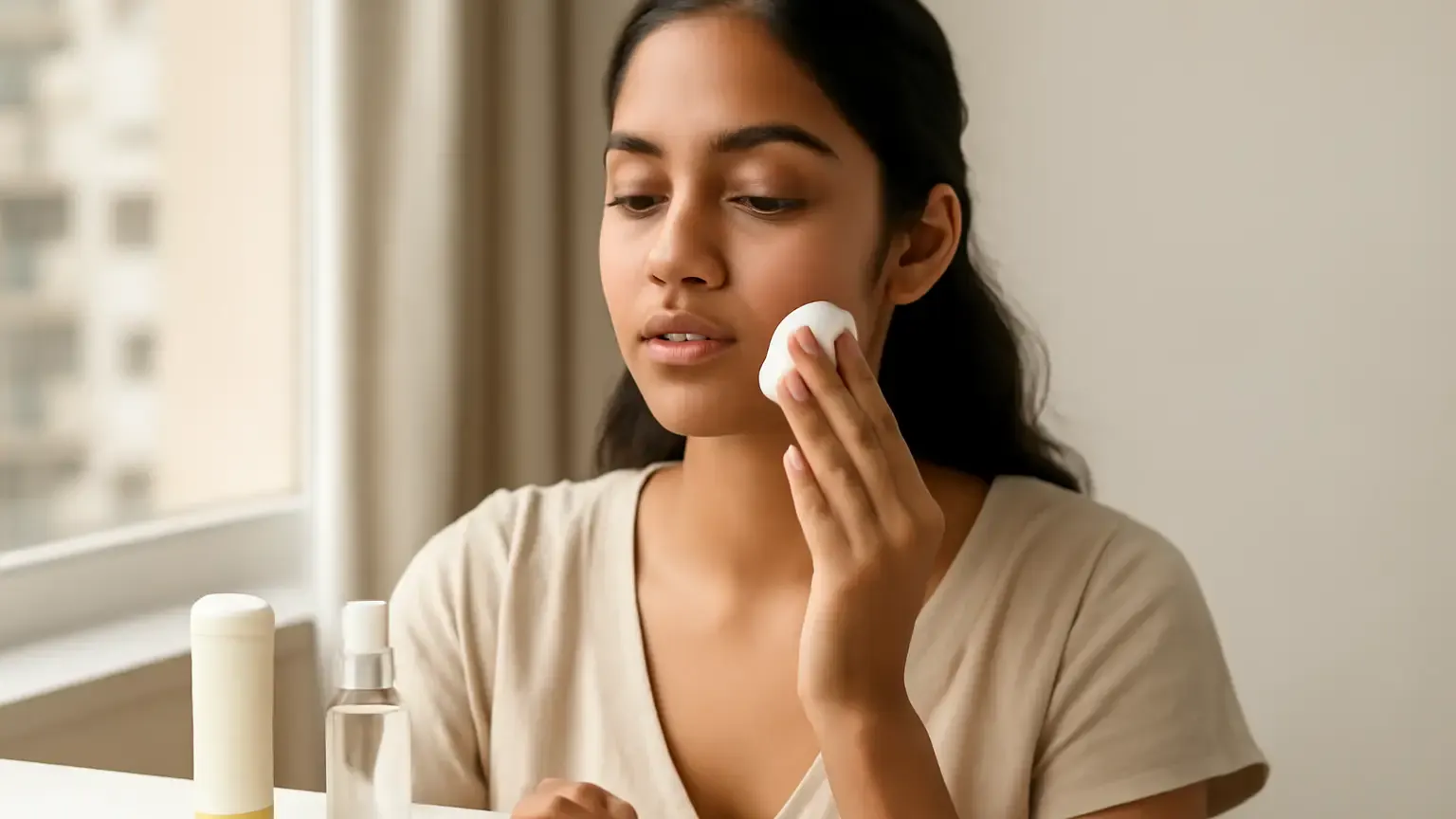
- Blot first. Press away sweat and oil with a clean tissue or soft towel. Avoid vigorous rubbing.
- Remove makeup gently. Use micellar water, a cleansing balm or another suitable first cleanser. Pay attention to the hairline, nose folds and jaw.
- Cleanse if needed. A mild face wash can remove residue, especially after sweat, pollution or water-resistant makeup. Rinse and pat dry.
- Reapply a generous layer. Use a comfortable broad-spectrum sunscreen and spread it evenly over the face, ears and neck. Let it settle before replacing makeup.
- Rebuild selectively. Use a light base, concealer, blush or powder rather than recreating a heavy layered look if you need to leave quickly.
This approach is particularly useful for beach days, outdoor weddings, sports, long drives and high-UV conditions. If you use a sweat-resistant sunscreen, remember that “sweat-resistant” does not mean permanent; towel drying and water exposure still affect the film.
How to choose a method for Indian weather and routines
For hot, humid or polluted conditions, a face sunscreen for Indian weather should feel comfortable enough to apply generously. Look for a finish that works with your skin and makeup rather than choosing a format only because it is portable. People who become shiny may prefer a lightweight lotion followed by a small amount of powder; people with dryness may find repeated powdering uncomfortable.
- Office day with limited outdoor exposure: begin with a full morning layer and use a stick, cushion or mist for exposed areas before commuting home.
- Long commute or outdoor work: reapply more deliberately, and choose a lotion or stick you can distribute evenly. A hat, sunglasses and shade add valuable protection.
- Heavy makeup or an important event: use a cushion for a gentle touch-up if exposure is brief; remove and reapply when you will be outside for hours.
- Exercise or high humidity: blot, cleanse when possible and apply a fresh layer. Do not keep piling products over wet sweat.
- Oil-prone skin: use a comfortable lightweight sunscreen first, then powder selectively. Oil control should not reduce the amount of sunscreen applied.
Hygiene rules that protect both skin and makeup
Reapplication tools touch oil, sweat, foundation and skin. Wash cushion puffs and reusable sponges according to their care instructions, allow them to dry fully and replace them when they remain damp, smell unusual or become difficult to clean. Keep sticks capped, avoid sharing them and wipe the surface when appropriate. Do not let a mist nozzle touch the face.
Clean hands are important if you are blending a stick or lotion over makeup. If your skin is irritated, stinging or unusually reactive, simplify the routine rather than repeatedly layering fragranced products. Persistent redness, swelling, painful breakouts or a concerning reaction deserves advice from a dermatologist or doctor.
Common mistakes that reduce protection
- Using a makeup product with SPF as the only morning sunscreen.
- Applying a mist from too far away or stopping before the skin is evenly covered.
- Making one fast stick swipe and assuming the whole face is protected.
- Dusting a small amount of powder on the nose and calling it full-face reapplication.
- Rubbing vigorously, which can lift makeup and create uncovered patches.
- Reapplying over sweat, dust or heavy oil without blotting or cleansing.
- Forgetting the ears, neck, hairline, eyelids where suitable and hands.
- Ignoring hats, sunglasses, shade and clothing during prolonged exposure.
Quick decision guide
Choose a sunscreen stick over makeup for portability and targeted areas, a mist for speed when the label supports facial use, a cushion for controlled pressing over light makeup and powder for shine management. Choose makeup removal and reapplication whenever you need the most even coverage or have had substantial sweat and outdoor exposure.
The central rule is simple: formats that preserve makeup are compromises on quantity or evenness. Use them thoughtfully, and reserve a full cleanse-and-reapply routine for situations where protection matters most. These skin care tips for sunscreen reapplication work best when your first morning layer is generous, your product is broad-spectrum and your reapplication method matches the day ahead.
Products that may help with this routine
Choose only what fits your skin, hair or personal needs. Use the links below to view current options on Amazon India.
Frequently Asked Questions
How do you reapply sunscreen over makeup?
For a short touch-up, blot sweat and oil, then press on a sunscreen stick, suitable mist or SPF cushion in a systematic pattern. For long outdoor exposure, remove makeup, cleanse if needed and apply a generous fresh layer before rebuilding makeup.
What is the best way to reapply sunscreen without ruining makeup?
Pressing with an SPF cushion or carefully applying a stick usually disturbs less makeup than rubbing in lotion. These methods may provide less product than a full application, so use them for maintenance and choose makeup removal and reapplication for extended outdoor exposure.
Can you use sunscreen stick over makeup?
Yes. Glide it gently over clean, relatively dry makeup in repeated passes and avoid dragging across wet sweat. A stick is convenient, but one swipe may not provide enough or even coverage for the whole face.
How often should sunscreen be reapplied in India?
During continuous outdoor exposure, reapply about every two hours and sooner after sweating, swimming, towel drying or wiping the face. If you remain indoors with little sun exposure, timing can be less frequent.
Is powder sunscreen enough for reapplication?
Usually not for substantial sun exposure, because most people apply too little powder to achieve the labelled SPF. Powder can support shine control and a light touch-up, but a lotion, stick or full fresh application is more dependable.
How do you remove makeup and reapply sunscreen?
Blot first, dissolve makeup with micellar water or a cleansing balm, cleanse gently if sweat or residue remains, pat dry and apply a generous broad-spectrum sunscreen. Reapply makeup lightly after the sunscreen settles.