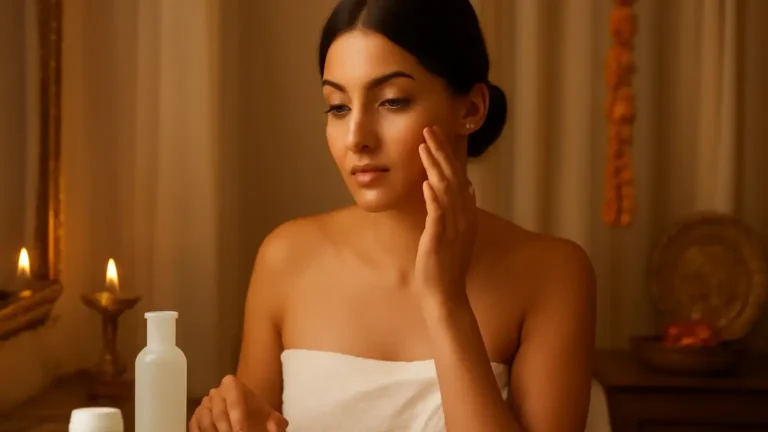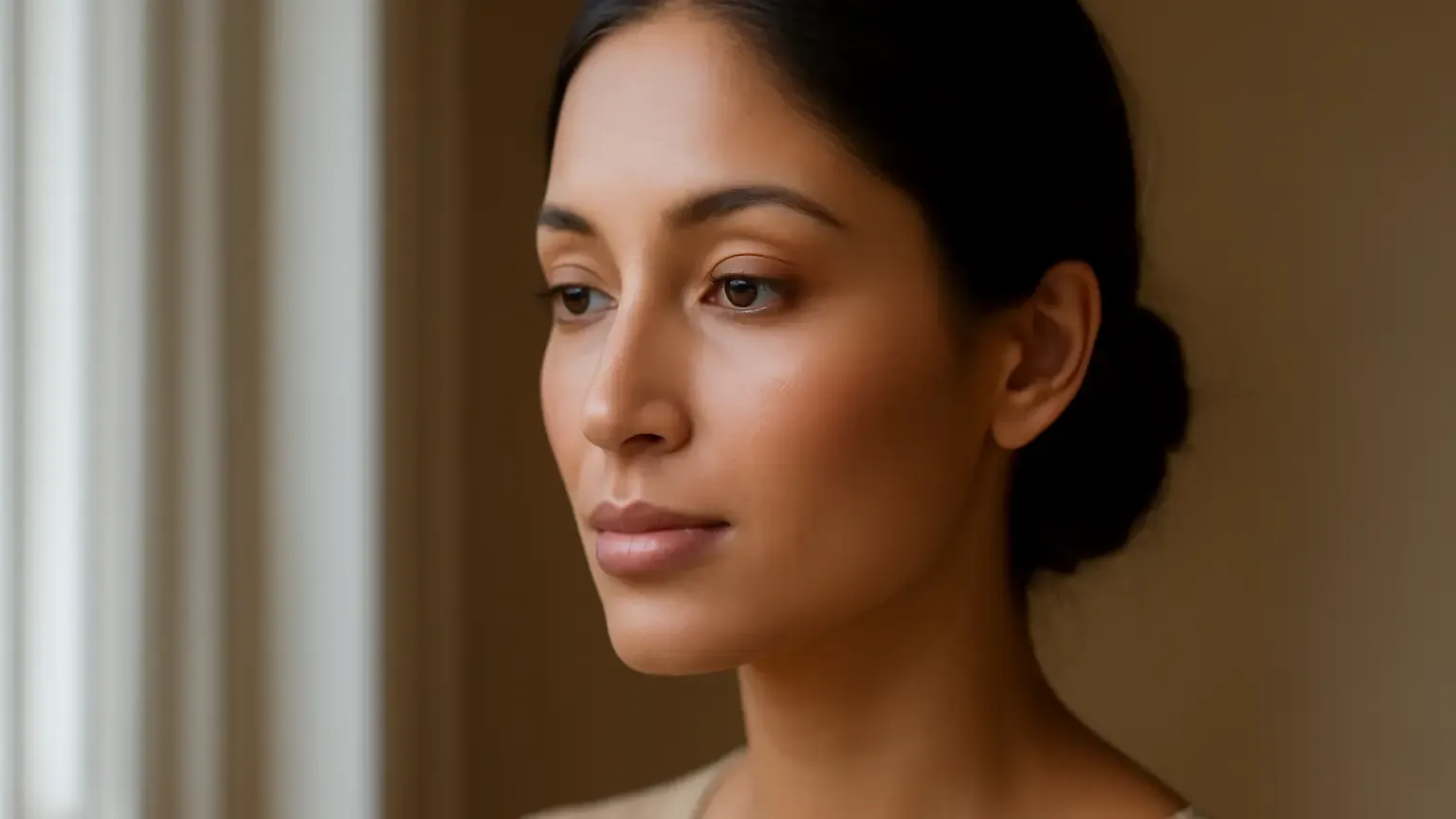
glowing skin with makeup is less about adding shine everywhere and more about choosing the right finish for your skin and surroundings. Dry skin usually benefits from a dewy base, combination skin often looks balanced with satin radiance, and oily skin can keep its glow through soft-matte layering. This guide is for anyone who wants natural glow makeup for Indian skin, with practical placement for foundation, blush, highlighter and powder that holds up in daylight, humid weather and indoor lighting.
Radiance can look fresh, polished or greasy depending on texture, placement and light. The most flattering result is rarely a fully shiny face. Instead, it combines controlled luminosity on the high points with a quieter finish around areas that crease, separate or become oily.
First, choose the finish that matches your skin
Dewy, satin and soft-matte are not strict rules; they are visual strategies. Your skin type, the climate and the occasion should decide how much light you allow on each area.
- Dewy: Reflective and fresh, with visible moisture-like sheen. It suits dry skin and relaxed daytime makeup, but can become slippery in humid weather.
- Satin: Softly luminous without looking wet. It is the most adaptable finish for combination skin, office makeup and close-up photographs.
- Soft-matte: Smooth and low-shine while retaining a natural skin-like quality. It suits oily skin and long events, especially when glow is added selectively.
For a reliable starting point, use a satin finish foundation, then customise the cheeks with cream blush or highlighter. This gives more control than choosing an intensely luminous product for the entire face.
How to create glowing skin with makeup step by step
1. Prepare only where hydration is needed
Begin with clean, comfortable skin and a lightweight moisturiser suited to your usual routine. Allow skincare to settle before applying makeup. A hydrating primer can help makeup sit smoothly on dry patches, but apply it mainly to areas that need comfort rather than coating the whole face in shine.
If your skin becomes oily quickly, choose a thin, non-greasy base and keep richer products away from the centre of the forehead, nose and chin. Skin preparation should support the finish, not compete with it.
2. Place foundation strategically
Apply natural-looking foundation in a thin layer from the centre of the face outward. Use extra coverage only around redness or uneven tone, then leave the outer cheeks lighter if your skin already looks even there. This face makeup layering technique prevents a heavy, flat result.
For a dewy look, a moisturising or luminous formula can work across the cheeks, but lightly set areas that tend to move. For satin makeup, keep the foundation even and let blush provide most of the visible radiance. For soft-matte makeup, press rather than drag the product, and avoid repeatedly building layers over pores.
3. Add blush before deciding on highlighter
Blush often creates more believable radiance than highlighter because it brings colour and dimension to the face. Cream blush placement is usually most flattering on the upper apples of the cheeks, blended slightly towards the temples. On oily skin or in humid weather, apply a modest cream layer and reinforce it with a compatible powder blush if needed.
Peach, coral, rose and terracotta tones can complement many Indian skin tones, but the best choice depends on undertone and personal contrast. Test the shade in natural daylight: a colour that looks soft indoors may appear stronger outdoors.
4. Use highlighter only where light naturally lands
Tap a small amount of liquid highlighter on the tops of the cheekbones, the bridge of the nose and, if desired, the cupid’s bow. Blend the edges until there is no obvious stripe. Avoid placing strong shimmer across textured areas, the sides of the nose or the centre of the forehead.
For a subtle result, mix a tiny amount of liquid highlighter into moisturiser or tap it over foundation. Powder highlighter is more concentrated and can be useful for evening makeup, but use a fine layer rather than sweeping it across the whole cheek.
5. Powder by zone, not by habit
Powder does not have to remove all radiance. Press a small amount over the under-eyes, around the nostrils, on the chin and through the T-zone if those areas crease or become shiny. Leave the upper cheekbones and temples mostly unpowdered when you want luminosity.
For a soft-matte result, use a light veil across the centre of the face and keep the high points less set. For oily skin, setting powder for oily skin is most effective when pressed into the areas that produce shine instead of brushed heavily over every feature.
Finish recommendations by skin type
Dry skin
Choose makeup for dry skin with flexible, hydrating textures. A thin luminous base, cream blush and restrained highlighter usually look more natural than a thick layer of powder. If foundation catches on dry texture, remove excess product with a damp sponge or clean fingertips rather than adding more moisturiser on top of a fully made-up face.
Keep powder to the inner corners, crease-prone under-eye area and any spot where makeup moves. A dewy finish can be beautiful, but too much sheen may emphasise flakes, so aim for moisturised-looking rather than wet-looking skin.
Combination skin
Makeup for combination skin works best with a mixed-finish method. Use a comfortable satin base, powder the T-zone lightly and leave the cheekbones fresh. Add cream blush to the cheeks, then check whether the formula needs setting before applying highlighter.
This approach avoids forcing the entire face into one finish. It also makes touch-ups easier: blot the centre of the face and refresh the cheeks only if they look dull.
Oily skin
Oily skin can still wear glow makeup. Start with a thin layer of base, avoid stacking multiple luminous products and use soft-matte makeup through the centre of the face. Place a restrained highlighter on the cheekbones rather than using glow-enhancing products everywhere.
If makeup for radiant skin tends to separate, wait briefly between skincare, primer and foundation. Pressing powder onto cleanly set areas is usually more effective than repeatedly adding powder after shine appears. Blot first, then touch up with a small amount of product.
Lighting changes the result
Makeup should be checked in the lighting where it will be seen. Direct daylight reveals excess texture and sparkle, while warm indoor bulbs can make skin look flatter or more yellow. A finish that appears subtle in a bedroom mirror may look shiny in a bright office or outdoor setting.
- Daylight: Check the edges of foundation, the intensity of blush and whether highlighter looks like shimmer rather than skin.
- Warm indoor light: Confirm that blush and foundation are not too orange. A satin finish usually remains balanced under this lighting.
- Flash photography: Use thin layers and avoid an overly reflective base. Look for visible powder cast or sharp highlighter before taking photos.
- Evening events: You can increase cheekbone highlight slightly, but keep the nose and forehead controlled so the face retains structure.
Take a quick photograph near a window and another under the event lighting if possible. This simple check is often more useful than judging the makeup under one fixed mirror light.
Common mistakes that reduce natural radiance
- Making every product luminous: Luminous primer, foundation, blush and highlighter together can look oily rather than dimensional.
- Using too much highlighter: Shine on the whole cheek can erase the difference between the cheekbone and the surrounding face.
- Powdering before the base settles: This can create a dry, patchy surface. Give liquid products a moment, then set selectively.
- Ignoring the jaw and neck: Blend foundation to avoid a visible boundary, especially when the face and neck have different levels of natural colour.
- Choosing shade by indoor light: Indian skin tones span a wide range of depth and undertone. Check base shades near a window and allow them to settle before deciding.
A simple decision guide
Choose dewy when your skin is comfortable, the setting is casual and you want a fresh, moisturised impression. Choose satin when you need versatility, balanced texture and a finish that works from office to dinner. Choose soft-matte when oil control, longevity or photography matters, then return dimension to the cheekbones with blush and a small amount of highlight.
The most dependable formula is not one finish over the whole face. It is a controlled combination: natural-looking foundation, colour on the cheeks, targeted reflection and powder only where makeup needs help staying in place.
Takeaway
Great glowing skin with makeup comes from placing radiance, not maximising it. Start with the finish your skin naturally supports, adapt the centre of the face to your climate, and check the result in the lighting where you will spend time. If persistent irritation, unusual sensitivity or concerning skin changes affect makeup wear, seek advice from a qualified dermatologist rather than layering more products over the area.
Products that may help with this routine
Choose only what fits your skin, hair or personal needs. Use the links below to view current options on Amazon India.
Frequently Asked Questions
How do you do glowing skin with makeup without looking greasy?
Use a thin base, keep the T-zone lightly powdered and place cream blush or highlighter only on the upper cheeks. Blot before touch-ups instead of adding powder repeatedly.
Which makeup finish is best for oily skin?
Soft-matte makeup is usually the easiest to control for oily skin. Keep the centre of the face low-shine and add a small amount of highlight to the cheekbones for dimension.
How do you apply highlighter for a natural glow?
Tap a small amount onto the tops of the cheekbones and blend the edges. Use less on textured areas, the sides of the nose and the forehead, where strong shimmer can look obvious.
What is natural glow makeup for Indian skin in humid weather?
Use a thin satin or soft-matte base, cream or long-wearing blush, and targeted highlighter. Set the T-zone lightly and check the colours in daylight because humidity and warm light can intensify shine.
What is the best way to set makeup without losing glow?
Press a small amount of translucent or finely milled powder onto the under-eyes, nose, chin and T-zone only. Leave the cheekbones mostly unpowdered so their natural radiance remains visible.