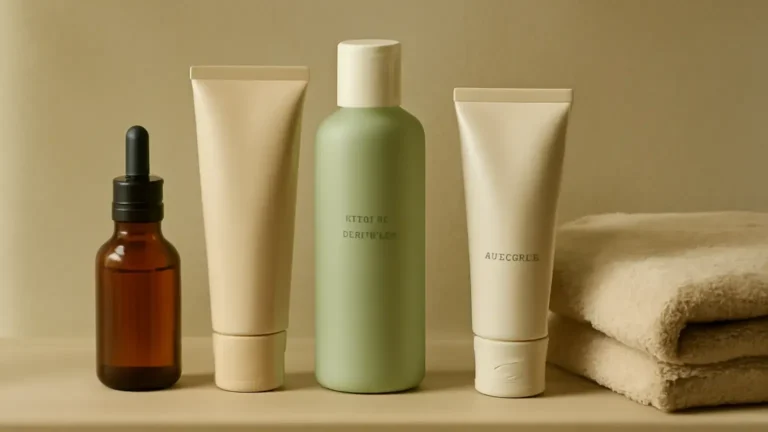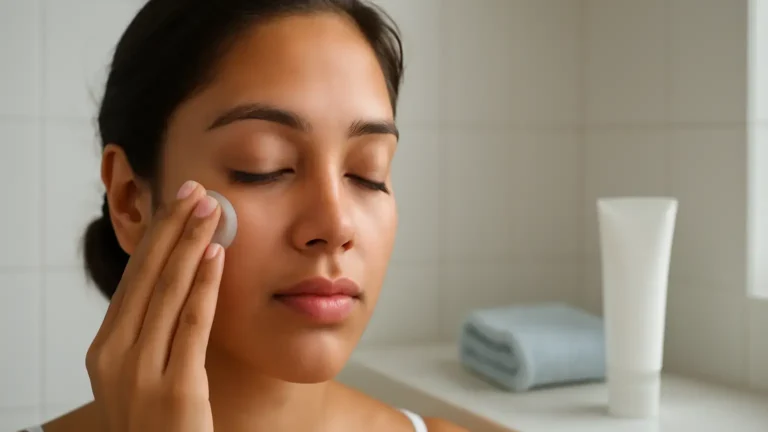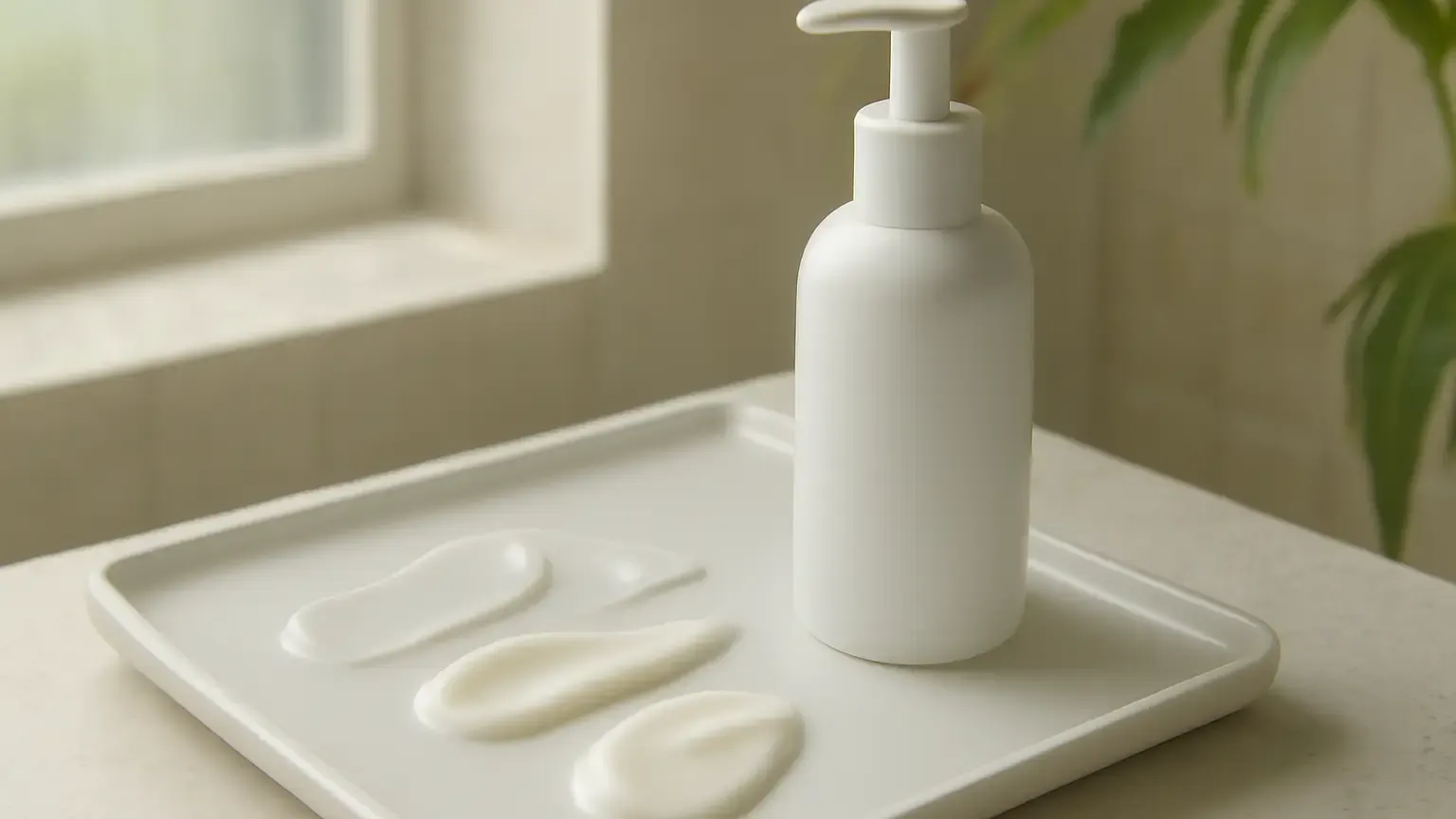
For acne prone skin and moisturiser choices, start with texture rather than a trend: a light gel usually suits very oily skin and humid days, while a lotion or light cream can be more comfortable when cleansing or acne products leave you tight and flaky. This guide is for anyone comparing face moisturisers in India and explains how to choose, patch test and introduce one slowly without ignoring congestion, stinging or persistent breakouts.
Moisturiser is not automatically unsuitable for acne-prone skin. In fact, when the skin barrier becomes dry or irritated, a comfortable moisturiser may make a routine easier to maintain. The goal is not to make the face feel completely matte or stripped. It is to add enough hydration and barrier support without a heavy, greasy finish that feels uncomfortable or appears to worsen congestion.
What to look for in a moisturiser for acne prone skin
“Non-comedogenic” can be a useful screening term, but it is not an absolute guarantee that every formula will suit every person. Skin reacts to the complete formula, the amount applied, the climate and the rest of the routine. Use the label as a starting point, then judge the product by comfort and how your skin behaves over several uses.
A practical acne-safe skincare routine often benefits from a short ingredient list and a simple texture. Helpful categories include:
- Humectants: Glycerin, hyaluronic acid and panthenol attract and hold water, helping skin feel less tight without necessarily adding an oily coating.
- Barrier-supporting ingredients: Ceramides and well-tolerated emollients can help reduce roughness, especially when the skin feels dry from acne products.
- Soothing support: Panthenol and some forms of niacinamide may be comfortable for many people, although any ingredient can cause irritation in an individual formula.
- Formula features: An oil-free moisturiser or a water-based moisturiser may feel preferable if rich finishes make you uncomfortable, particularly in hot, humid weather.
Fragrance and essential oils are not automatically harmful, but a fragrance-free moisturiser can be a sensible choice if your skin is reactive or already exposed to several active products. You do not need a moisturiser containing exfoliating acids simply because you have breakouts. Salicylic acid or other actives may be useful in some routines, but adding them through multiple products can increase dryness and stinging. Keep the moisturising step focused on comfort unless a qualified professional has advised otherwise.
Gel, lotion or light cream: which texture fits?
The best texture depends on oiliness, dryness, climate and how much product you can comfortably apply. “Light” describes feel, not necessarily performance, so read the ingredient list and consider your own response rather than choosing by the front label alone.
Gel moisturiser
A gel is usually the first texture people consider when asking, “Is gel moisturiser better for oily acne prone skin?” It often spreads quickly, feels fresh and leaves less noticeable residue. This makes a gel moisturiser for oily skin useful for very oily skin, humid weather, daytime use or anyone who dislikes creaminess.
However, a gel can be too light if your skin is peeling, tight or uncomfortable after cleansing. Some gel formulas also contain a high level of alcohol, fragrance or cooling ingredients that feel refreshing at first but may sting sensitive skin. Check the full formula and do not use a weightless finish as proof that the product is gentler.
Lotion
A lotion sits between a gel and a cream. It can offer hydration with a soft, low-grease finish and may be a useful everyday option for combination skin. If your cheeks feel dry but your forehead and nose become oily, a lotion can be easier to balance than applying a rich product everywhere.
Choose a lotion when a gel disappears too quickly or leaves you wanting more, but a cream feels heavy. A lightweight face moisturiser in lotion form can also work well under sunscreen if it does not pill when layered.
Light cream
A light cream generally contains more emollient or occlusive ingredients than a gel. It may suit normal-to-dry, combination or irritated-feeling skin, and it can be particularly useful at night or during cooler, drier periods. This does not mean every cream will clog pores; it means the richer feel may be unnecessary for some very oily users.
If you are wondering, “Can acne prone skin use light cream?” the answer is yes, provided the formula feels comfortable and your skin does not show a consistent pattern of new congestion after introduction. Apply a thin layer first, especially across the T-zone, and use a little more only on areas that feel dry.
How climate and skin condition change the decision
For Indian weather, texture can be as important as ingredients. In hot, humid conditions, sweat and sebum may make a thick layer feel unpleasant, so a gel or lotion can be easier to wear. In air-conditioned rooms, winter weather or after a drying routine, a lotion or light cream may prevent the tight, over-cleansed feeling that encourages product switching.
Skin can also be oily and dehydrated at the same time. Oiliness refers to sebum; dehydration refers to insufficient water in the outer layers. If your face looks shiny but feels tight after washing, moving to an oil-free moisturiser with humectants may be more comfortable than skipping moisturiser altogether. If there is flaking, roughness or persistent stinging, a modest amount of a barrier-supporting lotion or light cream may be more appropriate than repeatedly increasing cleanser strength.
How to introduce moisturiser gradually
Even a well-designed product can feel wrong when introduced alongside several new products. A slow process makes it easier to identify irritation or congestion.
- Keep the rest of the routine stable. Avoid starting a new cleanser, exfoliant, serum and moisturiser in the same week.
- Patch test first. Apply a small amount to a limited area, such as along the jaw or behind the ear, while remembering that a small-area test cannot predict every facial reaction.
- Start once daily. Use a pea-sized amount on clean, slightly damp skin. If your skin is very oily, begin with a thin layer on the drier areas rather than applying a thick coat everywhere.
- Observe comfort and congestion. Note stinging, itching, redness, unusual tightness, persistent bumps or a greasy film. Do not judge the product only by how hydrated it feels in the first hour.
- Increase only if needed. If the skin remains comfortable after several uses, apply it morning and night or use a slightly fuller layer on dry areas.
- Layer carefully. In the morning, apply moisturiser before sunscreen. If sunscreen already feels moisturising, you may need less moisturiser rather than automatically adding a thick layer.
Do not confuse initial irritation with a desirable “purge”. A moisturiser is not expected to make skin break out before it improves. If a product causes burning, swelling, marked redness or a repeated pattern of new bumps, stop using it and simplify the routine. Seek medical advice for painful, widespread or persistent acne, sudden severe irritation, or symptoms that concern you. Do not stop prescribed care without speaking to the prescribing clinician.
Common mistakes when choosing a daily face moisturiser
- Choosing only by the word “matte”: A very drying finish can leave skin uncomfortable and may encourage over-cleansing.
- Applying too much: More product is not always more hydration. Start with a small amount and spread it evenly.
- Changing products too quickly: Give one simple formula a fair observation period unless it causes clear irritation.
- Ignoring sunscreen compatibility: Pilling may come from the combination of layers, the amount used or insufficient drying time between steps.
- Assuming “natural” means non-irritating: Botanical extracts and essential oils can still be unsuitable for reactive skin.
- Using a heavy cream on the whole face: If only the cheeks are dry, try targeted application instead of covering an oily T-zone with the same amount.
A simple decision guide
Choose a gel if you have very oily skin, dislike residue or live in consistently humid conditions, as long as your skin does not feel tight afterwards. Choose a lotion if you have combination skin or want a middle-ground texture for daily wear. Choose a light cream if cleansing or active products leave you dry, flaky or uncomfortable, particularly at night or in a drier environment.
Regardless of texture, prioritise a formula that is easy to apply, does not sting and works with sunscreen. If you are shopping for a non comedogenic moisturiser India search, compare the texture, ingredient list and return or usage guidance rather than relying on the claim alone. The right product is the one you can use consistently without discomfort or a noticeable worsening of congestion.
Takeaway for acne prone skin and moisturiser choices
For acne prone skin and moisturiser selection, gel is not automatically best and cream is not automatically too rich. Match the texture to oiliness, dryness and Indian weather: gel for a lighter feel, lotion for balance, and light cream for greater comfort when the barrier feels dry. Introduce one product slowly, keep the rest of the routine steady, and monitor both immediate comfort and ongoing congestion before deciding whether it belongs in your routine.
Products that may help with this routine
Choose only what fits your skin, hair or personal needs. Use the links below to view current options on Amazon India.
Frequently Asked Questions
Which moisturiser is best for acne prone skin?
There is no single best texture for everyone. A gel may suit very oily skin and humid weather, a lotion may suit combination skin, and a light cream may be more comfortable when skin feels dry or irritated. Choose a simple, comfortable formula and monitor your response.
Is gel moisturiser better for oily acne prone skin?
Often, a gel feels lighter and less greasy on oily skin, making it practical for warm, humid conditions. It is not automatically better: if it leaves your skin tight or stinging, try a gentle lotion with humectants and barrier-supporting ingredients.
How do I choose a non comedogenic moisturiser in India?
Use non-comedogenic labelling as a starting point, then consider climate, finish, fragrance and the rest of your routine. Choose a gel or lotion for a lighter feel in humidity, or a light cream if your skin is dry. Patch test and introduce it gradually.
How do I introduce moisturiser to acne prone skin?
Keep other routine steps unchanged, patch test a small area, then apply a thin layer once daily. Monitor stinging, itching, tightness and new congestion for several uses before increasing application or adding other new products.
Should I moisturise if my skin is oily and acne prone?
Yes, oily skin can still feel dehydrated or irritated. Use a small amount of a lightweight, comfortable formula and adjust the quantity by area. Moisturising does not replace professional advice for persistent or severe acne.