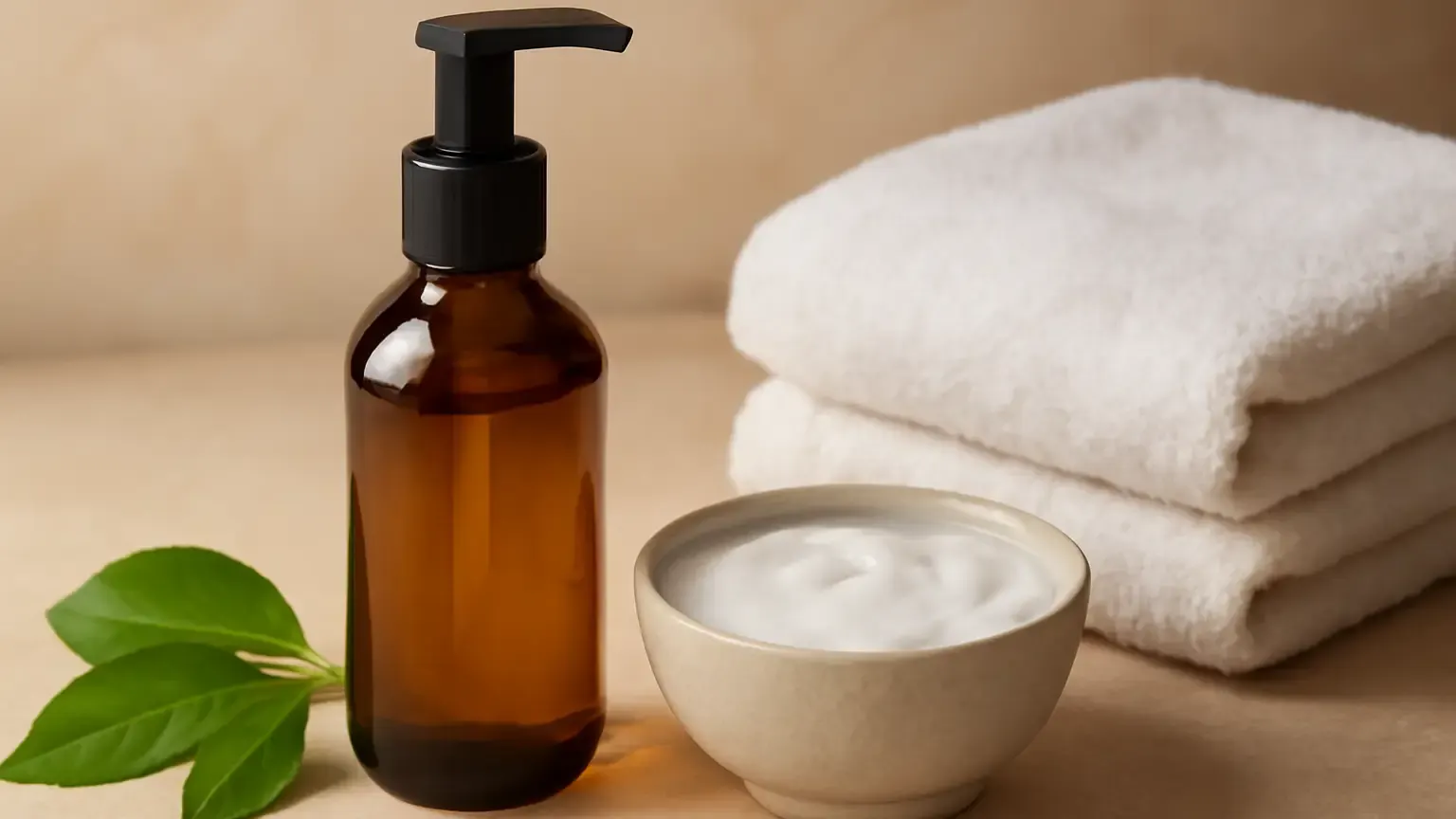
Oily skin and cleansing oil can work well together when the formula rinses clean and you follow it with a suitable water-based cleanser. This guide is for anyone dealing with shine, sunscreen, makeup or humid-weather buildup and wondering whether oil cleansing will worsen it. The practical decision is simple: choose a lightweight emulsifying oil for thorough removal, or switch to micellar water or a balm if the texture, rinse or routine does not suit you.
Why cleansing oil can help oily skin
Oily skin produces more sebum, but that does not mean every oil-based cleanser is unsuitable. Cleansing oils use the principle that oil dissolves oil-soluble substances, including many sunscreen filters, long-wear makeup pigments and the oily film left by sebum. When the product is massaged over dry skin, these materials loosen before the cleanser is mixed with water.
The goal is not to remove every trace of oil from the face. Over-cleansing can leave skin tight and uncomfortable, which may make the rest of a routine harder to tolerate. A good cleanser removes daily buildup while allowing the skin barrier to feel calm rather than squeaky. For many people, the benefit of an oil cleanser is more complete makeup removal with less rubbing around the eyes and nose.
However, a cleansing oil is a rinse-off product, not a leave-on facial oil. Its performance depends on the emulsifiers and surfactants in the formula, how thoroughly it is rinsed, and whether a second cleanser is needed.
What emulsifying means—and why it matters
An emulsifying cleansing oil is designed to turn milky when water is added. This change helps the oil, loosened debris and water combine so they can be rinsed from the skin. It is one of the most important selection points for oily skin because a formula that leaves a noticeable film may feel heavy, especially in India’s warm or humid weather.
How to use cleansing oil for oily skin
- Start with dry hands and a dry face, unless the product label says otherwise.
- Use a modest amount and spread it gently over the face for about 30 to 60 seconds. Avoid vigorous scrubbing.
- Wet your hands and massage again until the product looks milky. This is the emulsifying step.
- Rinse thoroughly with lukewarm water. Do not use very hot water.
- If you wore water-resistant sunscreen, makeup or a substantial product layer, follow with a mild water-based cleanser.
Do not keep massaging in the hope of extracting every pore blockage. Longer massage is not a substitute for a well-formulated cleanser, and excessive friction can aggravate visible redness or sensitivity.
When to double cleanse oily skin
Double cleansing oily skin means using an oil-based first cleanser, followed by a water-based cleanser. It is most useful at night when you have worn makeup, water-resistant sunscreen or several layers of skincare. The first step dissolves the oil-soluble layer; the second removes remaining sweat, water-soluble residue and traces of the first cleanser.
You may not need to double cleanse every morning or after a light indoor day. A single gentle cleanser can be enough when there is no makeup or tenacious sunscreen to remove. Washing twice by habit, particularly with a strong foaming product, can be unnecessarily drying.
A practical night-time cleansing routine
- Light day: use a gentle cleanser once if there is only sweat and minimal skincare.
- Sunscreen day: use cleansing oil, emulsify completely, then use a mild water-based cleanser if residue remains.
- Makeup or heavy sunscreen day: take time with the first cleanse, rinse, and complete a short second cleanse.
- After cleansing: pat dry and apply the rest of your routine while the skin is comfortable, not tight.
If your face feels stripped after this routine, reduce the amount of cleansing, shorten contact time or choose a gentler second cleanser. If it still feels greasy, the formula may not be emulsifying well or may simply not match your preference.
How to choose a cleansing oil for oily skin
Look for a lightweight facial oil cleanser with clear rinse-off instructions and an emulsifier near the top or middle of the ingredient list. Texture is personal, but a thinner oil is often easier to spread and rinse for people who dislike a rich finish. A fragrance-free cleansing oil may be preferable if your skin is easily reactive or your eyes sting during makeup removal.
The term “non-comedogenic cleansing oil” can be a helpful starting point, but it is not a guarantee that every person will have the same experience. Skin response depends on the complete formula, how thoroughly it is removed and what else is used in the routine. If you are concerned about pore-clogging ingredients, introduce one new product at a time and observe how your skin behaves over several uses rather than judging it after one application.
Also consider the product’s practical details:
- Does it turn milky quickly when water is added?
- Does it rinse without a waxy or slippery coating?
- Is the pump hygienic and easy to use?
- Does the fragrance bother your eyes or nose?
- Can you use a small amount without excessive rubbing?
People with persistent painful breakouts, marked irritation or a sudden change in skin should seek advice from a dermatologist rather than repeatedly changing cleansers.
Cleansing oil versus balm versus micellar water
There is no universally best first cleanser. The better choice is the one that removes your daily products effectively without encouraging harsh rubbing or leaving an unwanted film.
| Option | Best suited to | Potential drawback |
|---|---|---|
| Cleansing oil | People who want a fluid texture and thorough removal of sunscreen or makeup | Can feel greasy if it does not emulsify or is not rinsed well |
| Cleansing balm for oily skin | Those who prefer a rich, solid texture and controlled application | May feel heavy, and some formulas need careful rinsing |
| Micellar water for oily skin | Quick removal, travel, or people who dislike massaging oil over the face | Cotton-pad friction may be irritating; rinsing is useful when residue remains |
A balm is essentially a more solid first-cleanse format that melts with warmth. It can be comfortable for dry-feeling areas but may be less appealing if you dislike a rich after-feel. Micellar water uses micelles to lift dirt and makeup from the skin. It is convenient, but repeated wiping can cause friction, especially around the eyes. If you use micellar water as a first step, follow with a gentle rinse or cleanser when the product instructions and your skin’s feel suggest it.
When to switch away from cleansing oil
Switch products if the cleanser consistently leaves a film, causes eye discomfort, feels difficult to rinse, or makes your routine feel unnecessarily elaborate. You may also prefer micellar water if you need a fast option after commuting or travelling, provided you avoid vigorous wiping. A cleansing balm may be a better fit if you want a less runny texture and usually wear heavy makeup.
If oil cleansing seems to coincide with new congestion, stop using that product long enough to assess whether the pattern settles, while keeping the rest of your routine stable. This does not prove that every oil is pore-clogging; it simply helps you identify personal compatibility. Do not respond by scrubbing harder or washing repeatedly.
For oily skin, a gentle gel cleanser used alone can also be entirely reasonable on low-product days. The essential test is whether the face feels clean but not tight, and whether sunscreen or makeup has actually been removed.
Common mistakes with an oil cleansing routine
- Using too much product: A large amount can be harder to emulsify and rinse.
- Applying it to wet skin: This may dilute the product before it loosens sunscreen or makeup, unless the label specifically recommends wet use.
- Skipping emulsification: Rubbing in water briefly is not always enough; work until the texture turns milky.
- Replacing cleansing with pore massage: A cleanser cannot safely or permanently “pull out” all congestion.
- Using a harsh second cleanser: The second step should remove residue, not leave the face tight.
- Expecting sebum control skincare from a cleanser: A rinse-off product can support comfort and cleanliness, but it is not a complete solution for persistent oiliness.
Bottom line: is cleansing oil right for oily skin?
Oily skin and cleansing oil are compatible when the product emulsifies, rinses clean and matches the amount of sunscreen or makeup you wear. Choose an oil for fluid, thorough removal; a balm for a richer controlled texture; or micellar water for speed and simplicity. Use a second gentle cleanser when needed, not automatically, and let your skin’s comfort guide the final decision.
Products that may help with this routine
Choose only what fits your skin, hair or personal needs. Use the links below to view current options on Amazon India.
Frequently Asked Questions
Is cleansing oil good for oily skin?
Yes, it can be useful when it is a rinse-off, emulsifying formula that removes sunscreen, makeup and sebum without leaving a heavy film. Follow with a gentle water-based cleanser when needed.
How do you use cleansing oil for oily skin?
Apply a small amount to dry hands and dry skin, massage gently, add water until it turns milky, rinse thoroughly, and use a mild second cleanser if residue, sunscreen or makeup remains.
Should you double cleanse oily skin?
Double cleansing is most useful at night after water-resistant sunscreen or makeup. It is not always necessary on light-product days, and a harsh second cleanse can leave skin uncomfortable.
Is cleansing balm better than cleansing oil for oily skin?
Neither is automatically better. Choose a balm if you prefer a solid, richer texture; choose an oil if you want a fluid formula. In both cases, emulsification and complete rinsing matter most.
Cleansing oil or micellar water for oily skin—which should you choose?
Choose cleansing oil for thorough removal and gentle massage, or micellar water for convenience and travel. Avoid vigorous cotton-pad wiping, and rinse or cleanse afterward if residue remains.
Can cleansing oil clog pores?
It can feel congesting for some people if the formula does not suit them or is not removed well, but a rinse-off cleansing oil is not automatically pore-clogging. Introduce it gradually and monitor your skin.