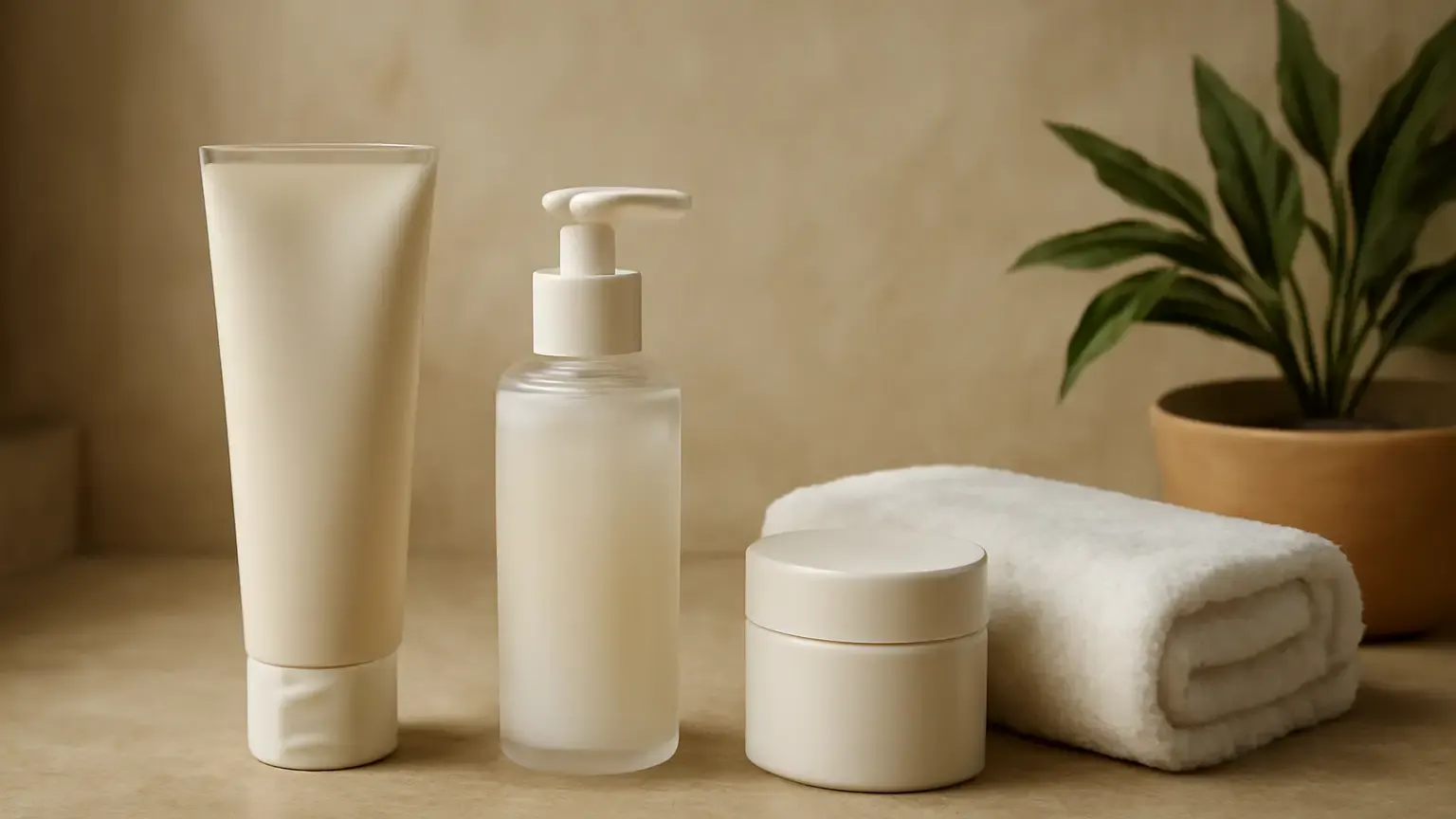
A skin care routine for beginners only needs three starting decisions: choose a cleanser that does not leave skin tight, a moisturiser that suits your climate and a broad-spectrum sunscreen you will use every morning. This framework is for Indian teens and adults dealing with humidity, heat, dust or dry indoor air. It creates a manageable AM-PM routine first, then shows when—and how carefully—to add another step without overwhelming your skin.
Starting skincare can feel unnecessarily complicated because shelves are full of toners, serums, masks and exfoliants. The better approach is to build a small routine that protects your skin barrier and fits your daily life. For most beginners, the first three choices are a cleanser, moisturiser and sunscreen. Everything else can wait until these basics feel comfortable.
The three choices to make before buying more products
1. Choose cleansing based on how your skin feels
A cleanser removes sweat, excess oil, sunscreen and everyday grime. It should leave your face clean but not squeaky, stretched or itchy after rinsing. If your skin feels tight within a few minutes, the formula may be too stripping or you may be cleansing too often.
For a shiny T-zone or frequent oiliness, look for a mild cleanser for oily skin with a comfortable gel or low-foam texture. “Deep cleaning” is not automatically better; harsh scrubbing can make a simple routine harder to tolerate. For dry, sensitive or easily irritated skin, a gentle cleanser for dry skin with a cream or lotion-like texture may be more comfortable.
Indian weather can change the decision. In a hot, humid city, you may prefer a light cleanser in the evening after sunscreen and commuting. In a cooler or dry season, a water rinse in the morning may be enough if your skin is comfortable and not oily.
2. Choose a moisturiser for texture, not just skin type
Moisturiser helps reduce water loss and supports the skin barrier, the outer layer that helps defend against irritation. Oily skin still needs hydration; skipping moisturiser can leave some people feeling tight and tempted to over-cleanse.
- Gel moisturiser: often suits oily or combination skin, especially in humid weather, because it feels light and absorbs quickly.
- Cream moisturiser: can be useful for dry skin, cooler weather, air-conditioned rooms or areas that feel rough and tight.
- Light lotion: a flexible middle option for normal or combination skin and for people who dislike both heavy cream and very watery gel.
If you are wondering, “what moisturiser should beginners use for oily skin?”, start with a lightweight, non-sticky formula labelled non-comedogenic skincare where possible. That label is a helpful preference, not a guarantee that a product will suit everyone. Apply a small amount to slightly damp skin and adjust based on comfort.
3. Pick sunscreen you can apply generously
Sunscreen is the morning step that helps protect exposed skin from ultraviolet radiation, including on ordinary work, college and travel days. Choose a broad-spectrum sunscreen with at least SPF 30 sunscreen protection. A product with a clear UVA rating such as PA+++ sunscreen can also be useful when comparing options.
The best sunscreen is one you can apply in a sufficient amount without avoiding it because of excessive greasiness, eye sting, pilling or a visible cast. Gel, fluid and cream textures can all work; the choice depends on your skin, climate, makeup habits and comfort. Sunscreen should be the final skincare step in the morning, before makeup if you wear it.
A simple AM-PM skincare routine for Indian climates
Here is a practical AM PM skincare routine for someone starting from zero.
Morning
- Rinse with water or use a gentle cleanser if you wake up oily or have product residue.
- Apply moisturiser if your skin feels dry, tight or uncomfortable. Oily skin may still need a thin layer.
- Apply broad-spectrum sunscreen generously to the face, ears, neck and other exposed areas. Let it settle before makeup.
Evening
- Cleanse to remove sunscreen, sweat, pollution and makeup. If you wore stubborn makeup, remove it gently first rather than rubbing the skin repeatedly.
- Apply moisturiser while the skin is clean and slightly damp.
This is the complete starter routine. A toner is optional, not essential. A serum, face oil or mask should not be added simply because a routine looks incomplete without one.
Product order and frequency: what beginners should know
The general order is from the lightest water-based step to the heaviest, with sunscreen last in the morning: cleanse, optional treatment, moisturise, sunscreen. At night, cleanse, optional treatment and moisturise. If you use no treatment, the routine is simply cleanser, moisturiser and—during the day—sunscreen.
Cleanse once in the evening and in the morning only when useful for your skin. Washing repeatedly throughout the day can increase dryness or irritation. Moisturiser can be used once or twice daily according to comfort. Sunscreen belongs in your morning routine whenever you will be exposed to daylight; it is not usually needed at night.
For sunscreen reapplication, reapply when you are outdoors for extended periods, sweating, swimming or wiping your face. Reapplication is especially practical during long commutes, sports or beach trips. Hats, shade, sunglasses and clothing add useful protection, but they do not replace sunscreen on exposed skin.
How to adapt the routine to your skin and climate
Your skin may not behave the same way all year. Use these decision points rather than forcing a fixed category.
- Humid and hot weather: choose a lightweight cleanser, gel moisturiser and a sunscreen with a finish you can tolerate. Reduce layers rather than skipping cleansing or sun protection.
- Dry or cooler weather: use a gentler cleanser, a richer cream moisturiser and lukewarm—not hot—water. Add moisturiser to areas that feel tight.
- Combination skin: use a lighter layer on the T-zone and more moisturiser on dry areas. You do not need separate products for every part of the face at first.
- Sensitive-feeling skin: keep the routine short, avoid scrubs and introduce one product at a time. Fragrance-free options may be worth considering if fragrance tends to bother you.
Skin type is a guide, not a permanent identity. Oiliness can increase with heat, stress or humidity, while dryness can become more noticeable with air conditioning or seasonal changes.
When to add one new skincare step
Use the basic routine consistently for at least a couple of weeks before deciding that it needs an upgrade. The key question is not whether a product is popular, but what specific purpose it serves. If your cleanser, moisturiser and sunscreen are comfortable, you may add one targeted product at a time.
For example, a beginner might add a hydrating serum if the routine feels insufficiently comfortable, or a carefully selected active ingredient for a particular cosmetic concern. Do not begin several actives together. Follow the product directions, start at a low frequency where appropriate and give your skin time to respond. The answer to “when to add active ingredients to skincare routine” is: only after the basics are stable, and only one change at a time.
Before applying a new product widely, practise patch test skincare by placing a small amount on a discreet area according to the product’s instructions. A patch test cannot guarantee that a facial product will never irritate you, but it is a sensible precaution. Stop using a new product if you develop persistent burning, swelling, a severe rash or worsening discomfort.
Common beginner mistakes to avoid
- Starting with too many products: several new formulas make it difficult to identify what caused irritation.
- Using harsh scrubs: rough particles and vigorous rubbing are not required for clean-looking skin.
- Skipping moisturiser because of oiliness: choose a lighter texture instead of removing hydration altogether.
- Applying too little sunscreen: an elegant product cannot provide its intended protection if only a thin smear is used.
- Changing products every few days: give a basic routine time to become a reliable habit, unless a product clearly causes discomfort.
- Copying someone else’s routine: climate, skin sensitivity, budget and daily exposure all affect what is practical.
Who this starter routine suits—and when to seek advice
This framework suits beginners who want basic cleansing, hydration and daytime UV protection without a complicated shelf of products. It can also help someone reset an over-layered routine by returning to a few well-tolerated essentials.
Persistent itching, significant swelling, painful or rapidly worsening breakouts, oozing, bleeding or a rash that does not settle deserves professional attention. A dermatologist or doctor can assess ongoing or severe symptoms; general skincare advice should not replace prescribed care or medical evaluation.
Concise takeaway
A successful skin care routine for beginners starts with three choices: a non-stripping cleanser, a moisturiser matched to your skin and climate, and a comfortable broad-spectrum sunscreen. Use them in the right order, keep the frequency realistic and introduce only one extra step after the basics are stable. Consistency and comfort are more useful than a crowded routine.
Products that may help with this routine
Choose only what fits your skin, hair or personal needs. Use the links below to view current options on Amazon India.
Frequently Asked Questions
How do I start a skin care routine for beginners?
Start with a gentle cleanser, a suitable moisturiser and a broad-spectrum sunscreen. Use cleanser and moisturiser in the evening, and apply sunscreen each morning when you will be exposed to daylight. Add only one new product after the basics feel comfortable.
What is the best beginner skincare routine in India?
For most Indian climates, a practical beginner routine is cleansing, moisturising and sunscreen in the morning, followed by cleansing and moisturising at night. Choose lighter textures for humid weather and richer moisturiser for dry or air-conditioned environments.
What order should beginners apply skincare products?
Apply products from lightest to heaviest: cleanse first, then any optional treatment, moisturiser and sunscreen last in the morning. At night, cleanse, use an optional treatment and finish with moisturiser.
How often should beginners use sunscreen?
Apply sunscreen every morning when exposed to daylight. Reapply during prolonged outdoor exposure, sweating, swimming or after wiping the face. Hats, shade and protective clothing can provide additional support.
What moisturiser should beginners use for oily skin?
A lightweight gel or lotion moisturiser is often a comfortable starting point for oily skin, particularly in humid weather. Apply a thin layer and choose a non-comedogenic option if that is helpful for your preferences.
When should beginners add active ingredients to a skincare routine?
Add an active only after your cleanser, moisturiser and sunscreen routine is stable and comfortable. Introduce one product at a time, follow its directions and stop if it causes persistent irritation.