Seasonal hair care for Diwali smoke is most useful for anyone attending several festive gatherings, especially with frequent blow-drying, curling or tight accessories. Apply a lightweight leave-in or heat protectant before styling, keep hair loosely secured away from smoke, cleanse the scalp after exposure and condition the lengths. This simple sequence helps reduce residue, dryness, frizz and friction without requiring a complicated product shelf or skipping the hairstyles you enjoy.
Diwali celebrations can mean several evenings of outdoor air, fireworks, incense, traffic pollution, warm weather and repeated styling. Hair is not damaged by every brief exposure in the same way, but smoke and airborne particles can settle on the scalp and hair surface. Heat tools, sweat, hairspray and tight clips may then make the hair feel rough, limp or tangled.
The most effective approach is not to wash aggressively before every event. Instead, match protection and cleansing to your exposure. Use a light protective layer before styling, avoid unnecessary high heat, remove residue from the scalp after a smoky evening and restore moisture to the lengths between occasions.
What Diwali smoke can do to hair
Firework smoke contains fine particles and gases that can leave hair smelling smoky and feeling coated. Dust and soot may cling more readily to textured, porous, dry or product-heavy hair. The scalp can also feel sweaty or uncomfortable when pollution mixes with oil and styling products.
Smoke exposure does not automatically mean permanent damage. However, repeated exposure can contribute to dullness, tangling and dryness, while brushing, heat styling and tight accessories can increase mechanical stress. Hair that is already coloured, chemically treated, curly or dehydrated may need a gentler plan.
Pre-event hair protection before styling
Start with a clean, comfortable base
For the first event, style hair that is clean enough to feel fresh but not stripped. Wash according to your normal schedule and focus shampoo on the scalp rather than rubbing the lengths. If your hair is dry or curly, follow with conditioner and detangle from the ends upwards.
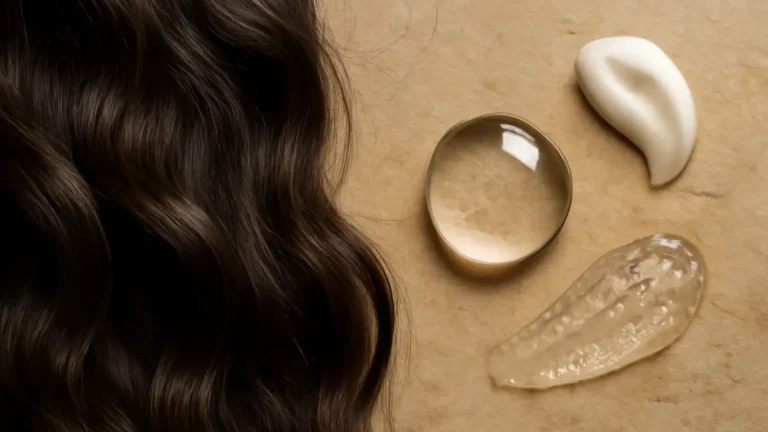
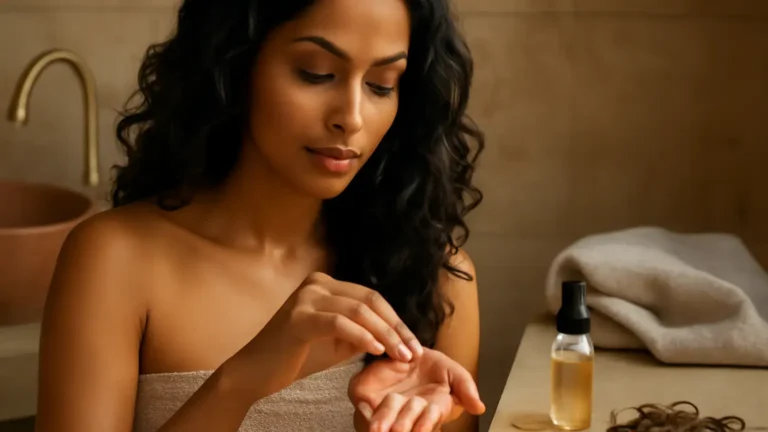
A small amount of leave-in conditioner can create slip and reduce friction during styling. Apply it mainly from mid-length to ends. Fine hair may need only a light mist, while thick or coarse hair can usually tolerate a richer cream in small amounts.
Use a heat protectant correctly
A heat protectant spray is useful before a blow-dryer, straightener or curling tool, but it is not a licence to use maximum heat. Apply it evenly to dry or damp hair according to the label, comb through if appropriate and allow damp hair to dry before using a hot iron. Uneven application can leave some sections more vulnerable than others.
Choose the lowest temperature that creates the result you need. Fewer passes are generally kinder than repeatedly correcting one section. If you are attending multiple events, alternate heat-styled looks with low-heat or no-heat hairstyles.
Choose a smoke-friendly style
Loose braids, a low bun or a soft ponytail can reduce the amount of hair exposed to smoke and limit tangling. These protective hairstyles should not be pulled tightly at the hairline. Leave enough room for comfortable movement and use a fabric-covered tie or a soft scrunchie rather than a rough elastic.
Hair care during Diwali pollution: what to do between events
After a smoky event, let hair cool before brushing or tying it tightly. If there is visible residue or a strong odour, gently shake out the hair outdoors or in a well-ventilated area, then wash when practical. Avoid vigorous dry brushing, which can increase static, breakage and knotting.
For light exposure, your usual shampoo may be enough. Massage the scalp pads of your fingers for about a minute, rinse thoroughly and condition the lengths. Do not scratch the scalp with nails or scrub hard in the belief that this removes more pollution.
When to use a clarifying shampoo
A clarifying shampoo can help when hair feels waxy, heavily coated or weighed down by several layers of styling product. It is not essential after every Diwali outing and may leave dry, curly or colour-treated hair feeling rough if overused. Follow it with a nourishing conditioner or hydrating hair mask.
If the main issue is sweat and ordinary pollution rather than product buildup, a gentle regular shampoo is often the better first choice. Clarifying products should support your routine, not replace it.
Scalp cleansing routine after smoke exposure
A practical scalp cleansing routine has four steps:
- Loosen the hair gently: Remove pins and ties without pulling through knots. Detangle the ends first with a wide-tooth comb if needed.
- Wet thoroughly: Use comfortable lukewarm water so the scalp and roots are fully saturated before shampooing.
- Clean the scalp, not the whole length: Work shampoo into the roots and let the rinse pass through the ends. Repeat only if the first wash does not remove oil or product.
- Condition strategically: Apply conditioner from mid-length to ends, leave it for the recommended time and rinse well.
If hair still smells smoky after a gentle wash, a second careful cleanse on the next wash day may be more sensible than repeated shampooing in one session. Persistent itching, burning, sores or unusual flaking deserves advice from a dermatologist or doctor rather than stronger home cleansing.
Managing dry ends, frizz and heat between celebrations
Dry ends often show the effects of repeated heat, brushing and environmental exposure before the roots do. A dry ends treatment can be as simple as conditioner used consistently, a small amount of leave-in cream or a few drops of a suitable smoothing serum. Apply product sparingly so the ends feel flexible rather than greasy.
A hair serum for frizz can improve surface smoothness and help reduce snagging during combing. It does not repair split ends permanently; visibly split ends may need a trim. Use serum on the lengths and tips, avoiding the scalp if your roots become oily easily.
Once or twice during a busy festive week, use a hydrating hair mask instead of your usual conditioner if your hair feels rough or tangled. Fine hair may need a short application and a lightweight formula. Thick, curly or bleached hair may benefit from a richer mask, but too much heavy product can make hair limp and difficult to style.
Reducing accessory friction and styling stress
Hair accessory friction is easy to overlook when a hairstyle looks neat in photographs. Metal edges, rough clips, tight rubber bands and repeated pin placement can catch the cuticle and create local breakage. Choose smooth, well-finished accessories and change the position of pins rather than placing them on exactly the same section every evening.
For dupattas or saree pallu fabrics that rub against the back of the hair, a low braid or bun can limit tangling. A silk or satin scrunchie may reduce snagging compared with a bare elastic, but it still needs to be comfortably loose. Do not sleep in a tight festive hairstyle after returning home.
When removing temporary extensions, decorative pins or heavy accessories, take your time. Hold the hair near the root while sliding out a pin and undo knots with conditioner or a detangling product instead of forcing a brush through them.
A simple recovery plan for multiple Diwali events
Before the first event: Wash as needed, condition the lengths, apply a light leave-in and use heat protectant if styling. Pick a secure but low-tension hairstyle.
After a smoky evening: Remove accessories gently, allow the hair to cool, then cleanse the scalp when it feels oily, smoky or coated. Condition the ends every time you shampoo.
Before the next event: Assess the hair rather than automatically repeating the same routine. If roots are clean but ends are dry, refresh only the lengths with a small amount of leave-in or serum and choose a low-heat style. If there is buildup, wash before applying more product.
After the festive run: Return to your regular wash schedule. Use a clarifying shampoo only if buildup remains, and add a hydrating hair mask if the lengths feel dry. Avoid compensating for a week of styling with aggressive scrubbing, very hot water or multiple harsh treatments.
Common mistakes to avoid
- Applying oil immediately before a hot tool: Oil and heat are not interchangeable with a properly labelled heat protectant. Follow product instructions and avoid heating heavily coated hair.
- Washing repeatedly to remove smoke: Over-cleansing can worsen dryness and frizz. Use the mildest effective wash.
- Using dry shampoo as a complete pollution cleanse: It can absorb oil temporarily but does not remove smoke particles, sweat or styling residue.
- Keeping hair tightly tied all evening: Tension plus accessory friction can increase snapping around the hairline.
- Layering too many products: A leave-in, serum, spray and heavy mask may create buildup. Add one product at a time and judge the result.
Takeaway
Good seasonal hair care for Diwali smoke is a balance of protection, sensible cleansing and recovery. Protect the lengths before heat styling, keep smoke-exposed hair loosely secured, clean the scalp without harsh scrubbing and give dry ends targeted moisture. Adjust the routine to your hair texture, product buildup and number of events rather than following a rigid daily wash rule.
Products that may help with this routine
Choose only what fits your skin, hair or personal needs. Use the links below to view current options on Amazon India.
Frequently Asked Questions
How can I protect hair from Diwali smoke before styling?
Apply a lightweight leave-in conditioner to the lengths, use a labelled heat protectant before hot tools, choose a loose braid or low bun and avoid unnecessary high-temperature passes. Smooth, low-friction accessories can also reduce tangling while you are outdoors.
What is the best hair care routine during Diwali pollution?
Before an event, condition the lengths and protect hair before styling. After noticeable smoke exposure, cleanse the scalp with a gentle shampoo when practical, condition the ends and use a hydrating mask once or twice during a busy festive week if the hair feels dry.
How should I wash smoke-exposed hair after Diwali?
Detangle gently, wet the hair thoroughly, massage shampoo into the scalp with your fingertips, rinse well and condition from mid-length to ends. Use a clarifying shampoo only when there is clear product buildup, and avoid repeated harsh washing.
How can I protect dry hair ends during Diwali celebrations?
Use conditioner consistently, apply a small amount of leave-in cream or serum to the tips and reduce hot-tool passes. A loose braid or bun can limit exposure and friction. If ends remain visibly split, a trim is the practical solution.
Does Diwali smoke damage the scalp?
Smoke and residue can make the scalp feel uncomfortable, oily or coated, particularly when combined with sweat and styling products. Gentle cleansing is usually appropriate. Persistent itching, burning, sores or unusual flaking should be assessed by a dermatologist or doctor.