October fashion trends India are easiest to wear when you balance festive polish with airflow: choose cotton-silk, chanderi or linen blends, add one light layer, then finish with jewel tones and comfortable accessories. This guide is for women dressing for daytime pujas, family lunches, Diwali gatherings or October weddings in warm cities, with six practical combinations that can move from afternoon plans to evening celebrations without feeling heavy.
October in India can look festive on the calendar while still feeling like summer by lunchtime. That makes outfit planning less about adding sparkle everywhere and more about controlling heat, movement and visual balance. The most useful formula is simple: start with a breathable base, add one celebratory detail, and use accessories to make the look feel occasion-ready.
What makes a good warm-weather festive outfit?
A reliable outfit should answer four questions before you leave home:
- Can the fabric breathe? Cotton, cotton-silk, mulmul, chanderi and linen blends are usually more comfortable than dense synthetics in warm conditions.
- Can you move easily? Look for relaxed sleeves, a manageable hem and waistbands that do not dig in while sitting through meals or ceremonies.
- Is the decoration concentrated? A border, embroidered neckline or statement earring often looks more refined than heavy embellishment across every piece.
- Can the outfit adapt? A removable dupatta, cropped jacket or change of footwear helps create useful day-to-evening outfits.
These principles make warm-weather ethnic wear feel considered rather than compromised. They also help you shop your wardrobe instead of buying a completely new festive look for every invitation.
October fashion trends India: six combinations to try
1. Cotton-silk saree with a sleeveless blouse
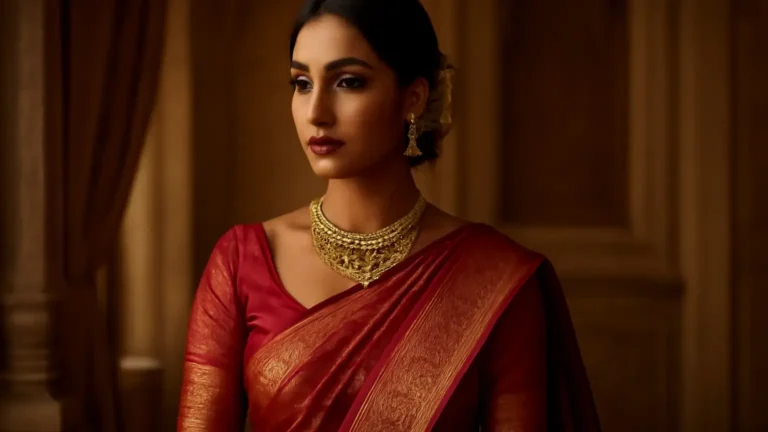
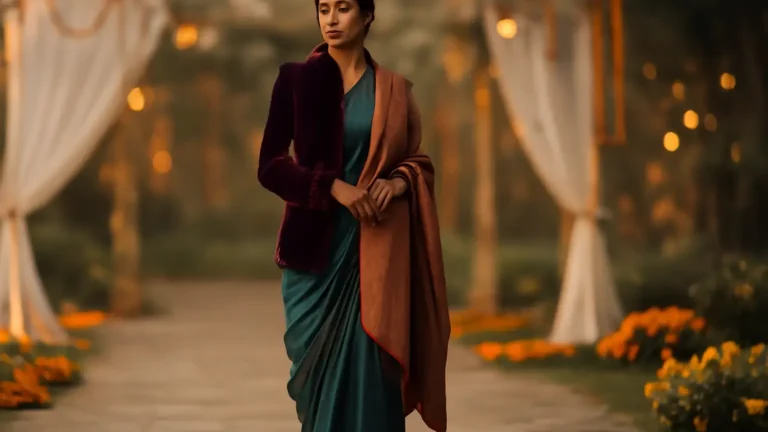
A cotton silk saree is a practical choice for a puja, family lunch or daytime festive visit because it gives you traditional structure without the weight of a heavily woven silk. Choose a fluid drape in emerald, sapphire, wine or deep rose, and pair it with a sleeveless or short-sleeved blouse in a similar depth of colour.
Keep the jewellery selective: medium jhumkas, a slim bangle stack and one ring are enough. If the blouse is high-necked or embroidered, skip a necklace. Secure the pleats neatly and use a discreet safety pin at the shoulder so the saree stays comfortable when you are moving between indoor and outdoor spaces.
2. Kurta palazzo set with a short festive jacket
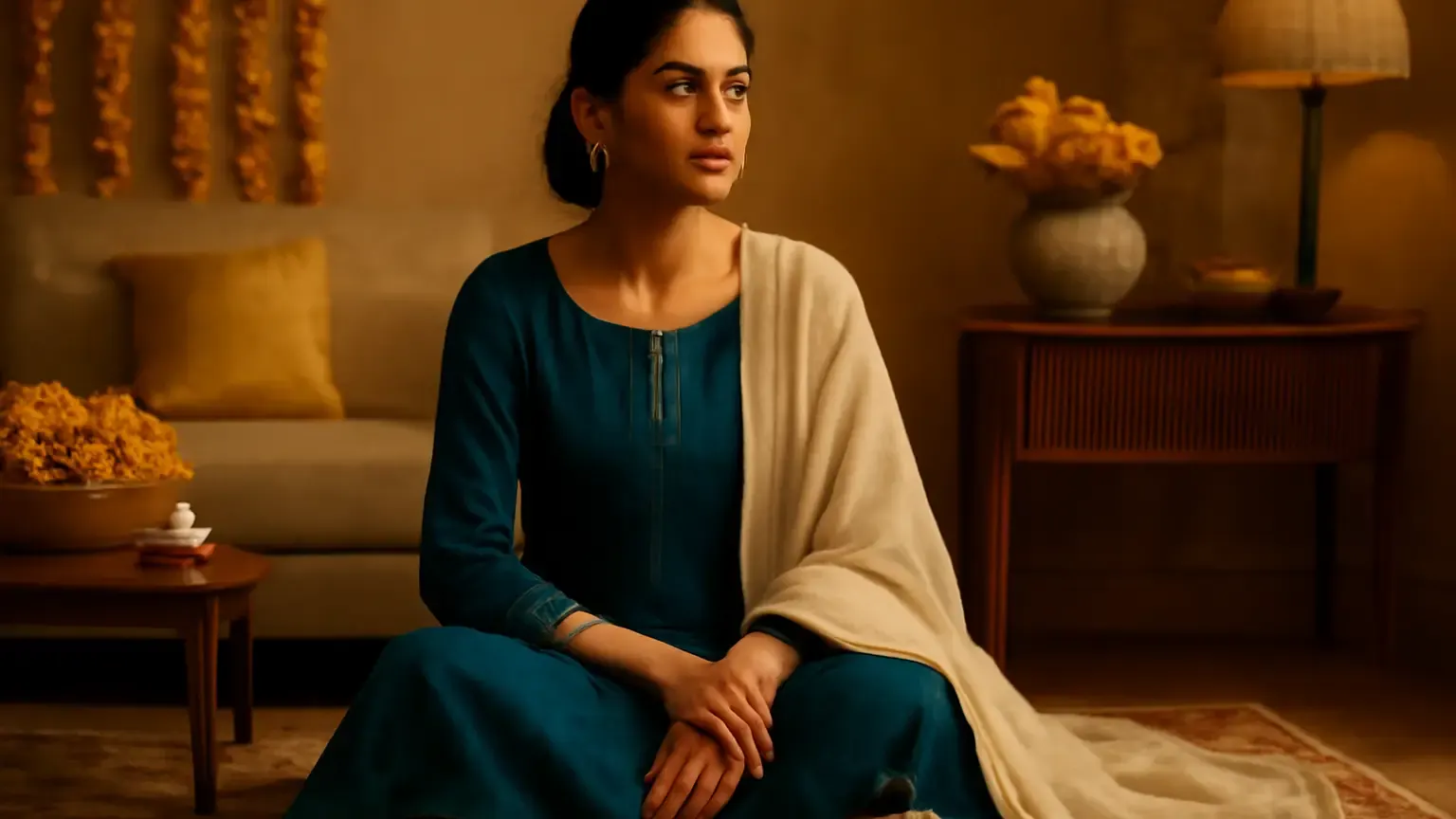
For an easy family gathering look, try a kurta palazzo set in cotton, chanderi or a light linen blend. A straight kurta with a wide palazzo creates airflow, while a short jacket adds polish without wrapping the whole body in a heavy layer. This is one of the most versatile options for festive weekend dressing.
Use colour contrast carefully. A teal kurta with a wine jacket, or a marigold base with a plum layer, feels festive without looking overly matched. Wear small hoops or enamel earrings, a compact potli bag and comfortable festive footwear such as embellished flats or low block heels. The jacket can come off during the warmest part of the afternoon.
3. Jewel-tone anarkali with a lightweight dupatta
A jewel-tone outfit creates occasion impact even when the silhouette is uncomplicated. Choose a flowing anarkali in ruby, peacock blue, amethyst or bottle green, preferably with a cotton lining and restrained embroidery. Pair it with an organza or soft chanderi dupatta rather than a thick, layered stole.
To prevent the look from becoming visually busy, keep the dupatta border narrow and let the colour do the work. A metallic sandal, a structured clutch and one statement ring provide enough finish for a card party or evening gathering. If you tend to feel warm, drape the dupatta over one shoulder instead of wrapping it around your neck.
4. Printed co-ord set with polished accessories
A printed kurta-and-trouser or tunic-and-skirt co-ord is useful when you want modern styling with an Indian base. Look for block prints, abstract florals or small festive motifs in a breathable fabric. The matching pieces create a clean column, so the outfit appears intentional even when the cut is relaxed.
This is where polished accessories make the largest difference. Add a metallic belt only if the fabric is not bulky, then choose a sleek watch, sculptural earrings and a small top-handle bag. Keep the footwear low and walkable. For an evening update, replace the daytime tote with a potli and add a lipstick or bindi in one shade taken from the print.
5. Draped skirt with a fitted blouse and soft shrug
A draped skirt can give you the movement of a saree with less wrapping and re-pinning. Pair it with a fitted blouse or simple embellished top, then add a soft shrug or open-front overlay for a little coverage. Choose a skirt in a jewel tone and keep the blouse neutral, or reverse the combination for a quieter look.
This outfit suits dinners, rooftop celebrations and informal receptions, especially when you want something less traditional than a saree. Make sure the skirt waistband sits securely and the hem clears your footwear. A small shoulder bag is easier than a clutch if you expect to stand, greet guests or carry your phone throughout the evening.
6. Light kurta with a brocade or gota-patti dupatta
For the simplest solution, start with a solid cotton or mulmul kurta and let the dupatta provide the festive detail. A narrow brocade edge, gota patti work or a bright woven border can lift a plain base without adding much heat. This combination is particularly useful for daytime celebrations where comfort matters more than formal grandeur.
Try ivory with emerald, blush with wine, or soft yellow with cobalt. These combinations sit comfortably within an Indian festive colour palette while still feeling fresh. Add a pair of jhumkas and metallic flats, and tuck the dupatta into your bag once the afternoon becomes warmer. For a more formal setting, choose a longer kurta and a dupatta with a denser border.
How to choose fabric and layers for October heat
The best breathable fabrics for October festive wear are not automatically the thinnest ones. Very sheer material may need multiple inner layers, which can feel warmer than a slightly substantial natural-fibre blend. Check how the garment is lined, whether the sleeves allow airflow and how much surface embroidery traps heat.
- For peak afternoon heat: choose mulmul cotton, cotton voile, light cotton-silk or unlined chanderi with a suitable inner layer.
- For a polished evening look: try chanderi, linen blends, tissue accents or a light silk-cotton mix.
- For unpredictable indoor air-conditioning: carry a cropped jacket, fine stole or open shrug rather than wearing a thick base layer.
Light festive layers should be removable and breathable. A jacket over a sleeveless kurta is usually more practical than a long-sleeved kurta under a heavy dupatta. Also consider the journey: if you will spend an hour in traffic, prioritise a non-creasing fabric and a loose silhouette over delicate draping.
Colour, accessories and footwear: the finishing decisions
Jewel tones work especially well for October because they look celebratory in evening lighting and photograph clearly without requiring heavy embellishment. If a full jewel-tone outfit feels too intense, use the shade in your dupatta, blouse, bag or earrings.
Balance is the key to polished accessories. With a detailed neckline, choose earrings and a bracelet. With a plain kurta, you can use a more noticeable necklace or embroidered bag. A single metallic element—gold, antique gold or silver—also helps connect separate pieces.
Comfortable festive footwear should be chosen before the final accessory. Low block heels, embellished flats, cushioned juttis and dressy sandals are sensible for venues involving stairs, grass or long standing periods. Break in new footwear at home, and avoid pairing a very ornate outfit with shoes that you cannot comfortably wear for several hours.
Quick styling plans for different occasions
For a daytime puja: choose the cotton-silk saree, a light kurta with a bordered dupatta, or a simple kurta palazzo set. Keep makeup, jewellery and footwear light enough for sitting on the floor.
For an October Diwali gathering: use the jewel-tone anarkali or draped skirt. Add one metallic accessory, a small bag and a lip or bindi that echoes the outfit rather than matching every detail.
For October wedding guest outfits: select a saree, anarkali or coordinated set with one noticeable feature, such as a rich border or embellished blouse. Avoid wearing white or very pale shades if the hosts have indicated a specific dress code, and check the invitation before choosing the level of formality.
For a day-to-night schedule: begin with flats, a practical bag and minimal jewellery. Carry statement earrings, a potli and a light layer so you can change the mood without changing the entire outfit.
Common mistakes to avoid
- Over-layering: Wearing a camisole, lined kurta, thick dupatta and jacket together can defeat the purpose of breathable dressing.
- Too many festive signals: Sequins, zari, bright jewellery, metallic shoes and a heavily decorated bag can compete rather than complement one another.
- Ignoring the lining: A natural-fibre outer fabric may still feel uncomfortable if its lining is tight, synthetic or poorly ventilated.
- Choosing the look before the venue: A long drape may be beautiful for a seated dinner but impractical for a crowded home celebration or garden event.
- Forgetting the bag: A tiny clutch can become inconvenient if you need space for your phone, keys, tissues and a compact touch-up kit.
A simple takeaway for your festive wardrobe
The most wearable October fashion trends India offers are built around proportion: one breathable base, one festive highlight, one light layer if needed and accessories that support the occasion. Start with the weather and venue, then choose between a cotton-silk saree, an easy set, a jewel-tone dressy silhouette or a plain kurta with an expressive dupatta. The result will feel festive, comfortable and personal rather than overworked.
Products that may help with this routine
Choose only what fits your skin, hair or personal needs. Use the links below to view current options on Amazon India.
Frequently Asked Questions
What should I wear for a warm festive weekend in India?
Choose a breathable cotton-silk saree, kurta palazzo set, light anarkali or cotton kurta with a bordered dupatta. Add one jewel-tone or metallic detail and comfortable footwear rather than layering heavily.
What are the best breathable fabrics for October festive wear?
Mulmul cotton, cotton voile, cotton-silk, chanderi and light linen blends are useful choices. Always check the lining, since a synthetic or tight inner layer can make even a natural-fibre outfit feel warm.
How can I style jewel tones for Indian festive outfits?
Use emerald, ruby, sapphire, amethyst or bottle green as the main colour, then keep the silhouette simple. You can also introduce a jewel tone through a dupatta, blouse, bag or earrings instead of wearing it head to toe.
What are comfortable October wedding guest outfits in India?
A lightweight saree, flowing anarkali or tailored kurta set works well. Choose breathable fabric, manageable footwear and one standout detail such as a rich border, embellished blouse or structured accessory.
What should I wear to an October Diwali gathering?
A jewel-tone anarkali, draped skirt, cotton-silk saree or solid kurta with a festive dupatta can suit a Diwali gathering. Adjust the embellishment and footwear to the formality of the venue.
How can I layer Indian festive clothes in warm weather?
Use one removable layer, such as a short jacket, open shrug, fine stole or lightweight dupatta. Avoid combining multiple lined garments, and keep the base outfit comfortable enough to wear without the layer.