festive outfit colour combinations India can make a familiar saree or kurta feel new without relying on red. For October celebrations, choose one dominant shade, one supporting colour and a controlled metallic or neutral accent. This guide is for women shopping for Diwali, Navratri, puja gatherings and weddings, with seven formulas that work across sarees, kurtas, skirts and lehengas. You will also find practical ways to adapt each palette to warm, cool and neutral Indian skin tones.
Colour is often the quickest way to make festive dressing look considered. Instead of matching every piece exactly, use a three-part formula: a hero colour, a complementary or contrasting partner, and a small accent through jewellery, footwear, a border or a bag. This keeps an outfit expressive while preventing it from looking overworked.
How to choose festive outfit colour combinations India
Start with the event, light and fabric. Daytime pujas and family lunches suit lighter shades, cotton-silk blends and soft metallic details. Evening Diwali parties and October wedding functions can carry deeper jewel tones, velvet, brocade and stronger contrast.
- For a daytime event: choose one pale or mid-tone shade and keep the second colour fresh rather than very dark.
- For an evening event: use saturation or depth, then add shine through zari, sequins, metallic accents or jewellery.
- For a smaller frame: keep the strongest contrast near the face or waist rather than dividing the body into many horizontal blocks.
- For Indian skin tones: warm complexions often glow beside marigold, rust, coral, teal and antique gold; cool complexions may prefer berry, sapphire, emerald, lavender and silver. Neutral undertones can move between both groups.
These are helpful starting points, not rules. Fabric finish, lighting and personal comfort can change how a shade appears.
1. Emerald green and antique gold
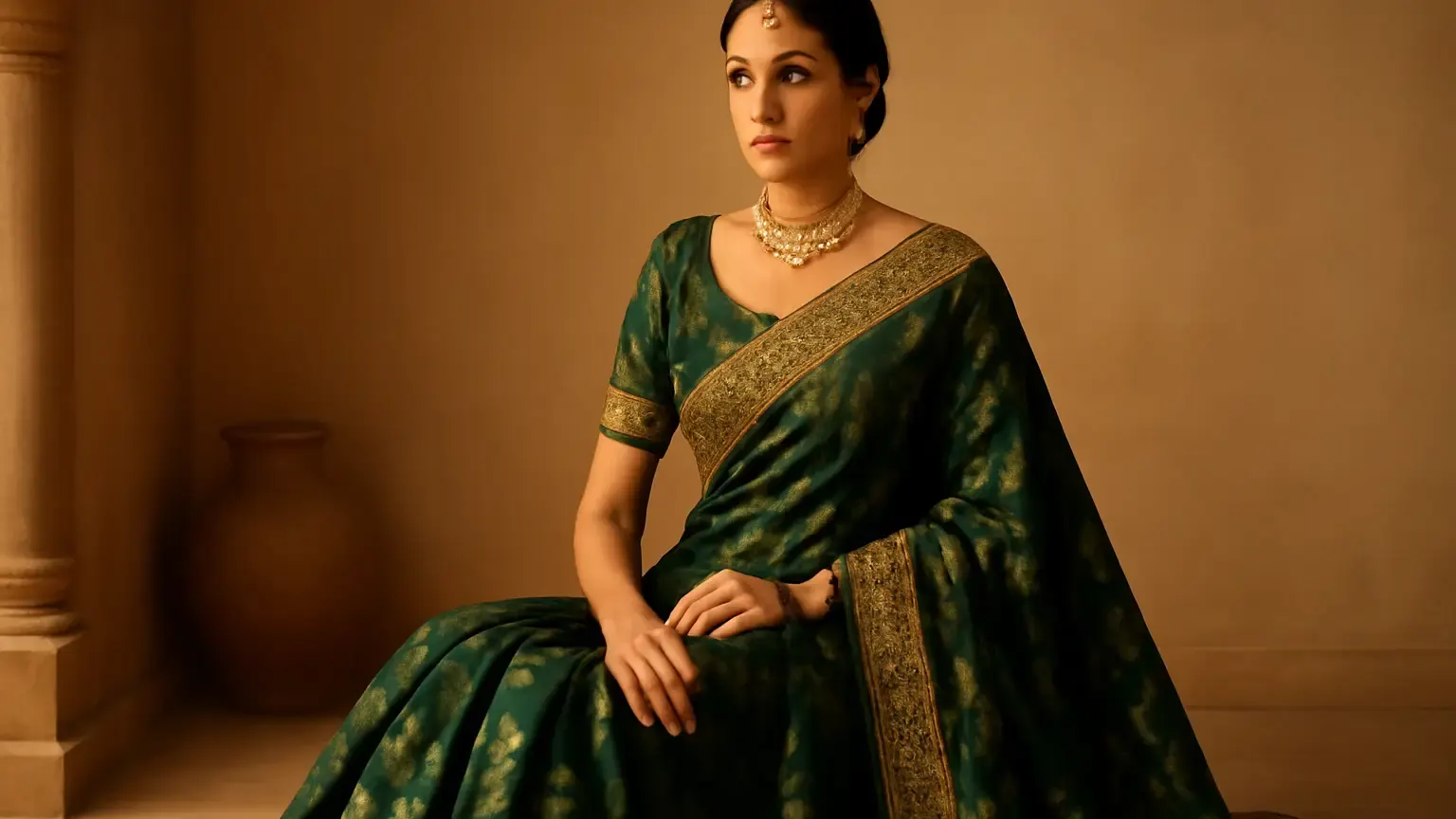
Emerald with antique gold is a sophisticated alternative to red for sarees, anarkalis and lehengas. The green brings depth, while the aged gold prevents the combination from looking too stark or bridal. Try an emerald silk saree with a muted gold blouse, or a green kurta with a gold-edged dupatta.
This palette suits evening Diwali gatherings and formal pujas particularly well. For saree blouse colour combinations, choose antique gold, champagne or a slightly deeper forest green. Gold jhumkas, a slim bangle stack and tan or gold sandals are enough; adding a heavily embellished clutch may make the outfit feel busy.
Best for: medium to deep complexions, evening lighting and anyone who wants a rich, polished result.
2. Cobalt blue and fuchsia pink
Cobalt and fuchsia create high-energy contrast without copying the usual red-and-gold formula. Use cobalt as the main colour in a skirt, saree or straight kurta, then introduce fuchsia through a blouse, dupatta, border or embroidered panel.
This pairing is one of the most adaptable Navratri outfit ideas because it feels festive, photographs well and can be styled with either silver or gold. Silver works for a sharper, cooler finish; yellow gold warms the palette. Keep the footwear neutral if both colours are already saturated.
For a quieter version, replace fuchsia with raspberry or use the pink only in the earrings and potli bag. This is also a practical choice for colour blocking for ethnic wear when you want clear blocks of colour rather than multicoloured prints.
3. Mustard yellow and deep plum
Mustard and plum balance warmth and drama. A mustard kurta with a plum dupatta is easy to repeat for family celebrations, while a plum skirt with a mustard blouse feels more fashion-forward. The combination works particularly well in raw silk, cotton silk and brocade, where texture adds dimension to the relatively simple palette.
When planning kurta dupatta colour pairing, look for a dupatta with a narrow zari edge rather than a second large print. Warm gold jewellery, brown juttis and a neutral makeup palette keep the outfit grounded. If mustard feels too strong near your face, wear plum or ivory on top and place mustard at the skirt, border or footwear.
Best for: daytime celebrations, warm and neutral undertones, and wardrobes that need an outfit beyond conventional pinks.
4. Teal and coral
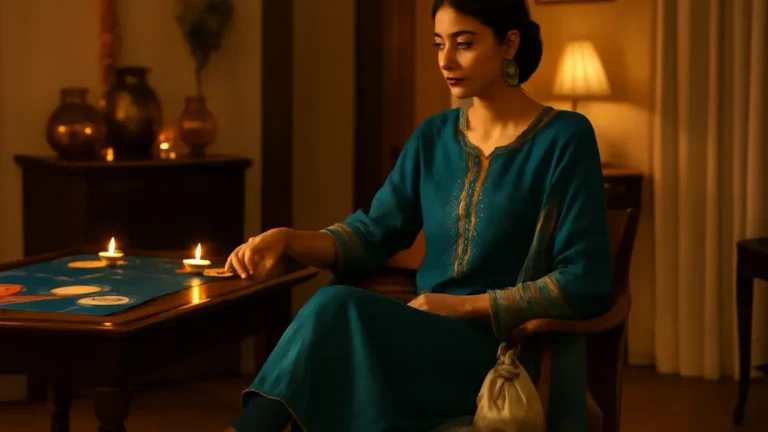
Teal with coral feels fresh for October, when the weather may still be warm in many parts of India. The blue-green base gives coral structure, making the brighter shade look intentional rather than loud. Pair a teal saree with a coral blouse, or wear a coral kurta with teal trousers and a printed dupatta.
This is a strong option for pastel festive wear if you soften both shades: think dusty teal with peach-coral. For a bolder evening look, choose a saturated teal and use coral only as piping, embroidery or earrings. Pearl, rose-gold and brushed-gold festive accessories all work, but choose one finish instead of mixing several metals.
5. Ivory and rani pink
Ivory and rani pink offer a bright, celebratory look with less visual weight than a fully saturated outfit. An ivory organza saree with a rani pink blouse is elegant for a lunch or card party; an ivory anarkali with pink embroidery is comfortable for a long puja or open-air gathering.
Because ivory reflects light, check the fabric in daylight and avoid a shade that is too close to your skin tone if you want definition. A pink border, earrings or dupatta can frame the face. This palette suits pastel festive outfits for daytime celebrations when the pink is softened to rose, but it can also become a statement look with hot pink and mirror work.
Choose rose gold for a modern finish, or pearls for a softer traditional feel. A coloured bindi can connect the two shades without adding another competing colour.
6. Sapphire blue and silver
Sapphire and silver are clean, cool and especially effective for evening events. They are ideal for women who prefer jewel tone outfits but do not want gold-heavy styling. Consider a sapphire velvet blouse with a silver-grey saree, a blue lehenga with a silver choli, or a navy kurta set with a sequin dupatta.
Keep the silhouette simple when the fabric already has shine. Silver jhumkas, crystal-style hair pins or a metallic clutch can finish the look, but one or two reflective details are usually enough. If silver washes you out, switch to pewter or champagne, or add a warmer berry lip and a contrasting bindi for balance.
This formula is also useful for October wedding outfits because it transitions easily from a formal ceremony to a reception. Add a velvet layer if the evening is cool, particularly in northern cities.
7. Rust, blush and soft gold
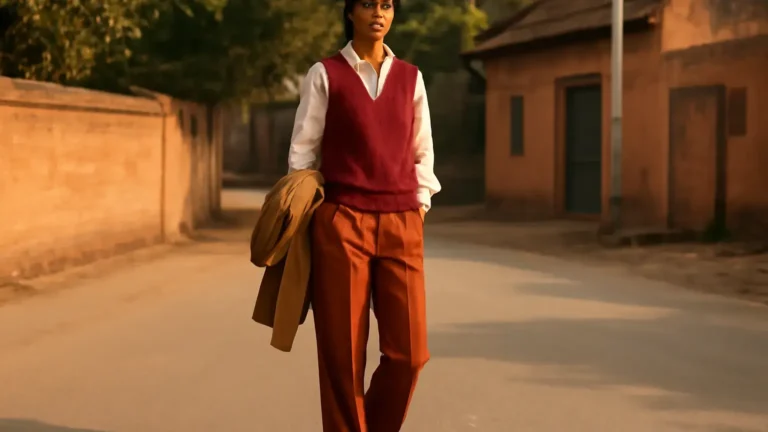
Rust with blush and soft gold is a warmer, more understated alternative to red. Use rust as the anchor in a saree, skirt or jacket, blush as the blouse or dupatta, and soft gold as the trim. The result feels festive but wearable beyond one celebration.
For lehenga colour combinations, try a rust skirt with a blush choli and a light gold odhani. For a smaller budget, recreate the formula with a plain rust kurta, a blush printed dupatta and gold-toned earrings. Terracotta, cinnamon and peach can be substituted according to your wardrobe and complexion.
This palette is flattering in warm indoor light and works well with antique gold, woven sandals and a neutral potli. If you have a cool undertone, choose a rose-blush partner and avoid overly orange rust; berry-rust can create a more balanced effect.
How to adapt one colour formula to different outfits
A colour pairing does not have to be purchased as a complete set. Build it around the garment you already own:
- Saree: keep the saree as the hero colour, then use the blouse for contrast. Repeat the blouse colour in earrings, bangles or the border.
- Kurta set: make the kurta and trousers the base, then use the dupatta to introduce the second shade. This is the easiest route for comfortable family events.
- Lehenga or skirt: let the skirt carry embroidery or print, keep the blouse comparatively clean and use the dupatta as the softening colour.
- Accessories: use metallic accents, footwear or a bag to echo one shade already present. Avoid adding a fourth bright colour unless the print clearly calls for it.
Common colour-styling mistakes to avoid
Matching everything exactly: An identical blouse, bag, shoes and jewellery set can flatten the outfit. Repeat a colour once or twice, then use texture or a neutral.
Ignoring the lighting: Neon and very pale shades change dramatically between daylight, warm bulbs and phone cameras. Take a quick photograph before committing to a full look.
Using too many metallics: Gold, silver, rose gold and mirror work together can compete with the main palette. Select one dominant metal.
Choosing trend over comfort: A colour looks better when you are not adjusting a slippery dupatta or carrying an impractical bag. Test movement, sitting and walking before an important function.
A simple festive colour checklist
Before buying or styling an outfit, ask four questions: Is this event in daylight or after dark? Which shade will sit closest to my face? Does the fabric have enough texture for the colours? Can I reuse at least one piece with a different neutral or contrasting accessory?
If the answer to the last question is yes, the outfit is more likely to earn repeat wear. The most useful festive wardrobe is not built around one perfect trend but around a few colours that can move between sarees, kurtas, skirts and accessories.
Takeaway
The strongest festive outfit colour combinations India offers do not depend on red. Emerald and antique gold bring depth, cobalt and fuchsia add energy, mustard and plum feel distinctive, while teal-coral, ivory-rani, sapphire-silver and rust-blush offer options for different moods, complexions and October occasions. Choose one hero colour, one supporting shade and a restrained accent, then let the fabric and silhouette do the rest.
Products that may help with this routine
Choose only what fits your skin, hair or personal needs. Use the links below to view current options on Amazon India.
Frequently Asked Questions
What are the best festive colour combinations for Indian weddings?
Emerald with antique gold, sapphire with silver, cobalt with fuchsia and rust with soft gold are versatile choices for Indian weddings. Select deeper tones for evening functions and lighter versions for daytime ceremonies.
What festive outfit colour combinations work best for dusky skin?
Jewel tones such as emerald, sapphire, teal and plum usually create beautiful contrast with dusky skin. Warm shades including rust, mustard and antique gold can also work well; choose the depth and undertone that feels comfortable rather than following a rigid rule.
What colour combination suits a saree for Diwali?
Emerald and antique gold, teal and coral, or sapphire and silver all suit Diwali sarees. Use a contrasting blouse and repeat a small amount of its colour in the jewellery, border or clutch.
How can I style jewel tones for October festivals?
Choose one jewel tone such as emerald, sapphire or cobalt as the main garment colour, then add one lighter or metallic partner. Keep the silhouette breathable for warmer October weather and use jewellery rather than multiple embellished layers for shine.
What is the best blouse colour for an emerald green saree?
Antique gold, champagne, forest green and muted rose are reliable blouse colours for an emerald green saree. Gold creates a traditional festive look, while rose or blush gives the pairing a softer contemporary feel.
What are good pastel festive outfits for daytime celebrations?
Ivory with softened rani pink, dusty teal with peach-coral, and blush with soft gold are graceful daytime options. Choose breathable fabrics and keep metallic details light so the outfit suits natural daylight.