October fashion trends India are easiest to wear when you balance festive detail with airflow: choose cotton, linen, mulmul or cotton-silk, then add one polished accent such as earrings, a dupatta or metallic footwear. This guide is for anyone dressing for warm daytime celebrations, humid city commutes or cooler evening events. The seven outfit formulas below help you decide what to wear, how much layering you need and which accessories create occasion-ready style without sacrificing comfort.
October sits between monsoon after-effects and the cooler festive season, so dressing for it requires more judgement than simply reaching for heavy embroidery. Many parts of India remain warm during the day, while evenings can feel noticeably fresher. The most reliable approach is to start with a breathable base, keep the silhouette easy to move in and use accessories or surface detail to make the look festive.
How to choose an October festive outfit
Before choosing a colour or trend, assess three practical details: the event timing, the venue and how much travel is involved. A daytime puja or family lunch suits airy cotton and soft colours. An evening celebration can handle richer shades, a light metallic finish or a more structured layer. If you will be outdoors, walking between venues or travelling by public transport, prioritise comfortable ethnic wear and footwear that does not need constant adjustment.
Fabric matters as much as shape. Cotton, mulmul, linen, cotton-silk blends and light chanderi allow more comfort than dense polyester or multiple layers of synthetic lining. Natural fabrics can crease, but that is usually a better trade-off than feeling overheated. Look for relaxed armholes, lined but not padded bodices and dupattas that sit securely without being too heavy.
7 breathable October fashion trends India outfit formulas
1. Cotton kurta set with a statement dupatta
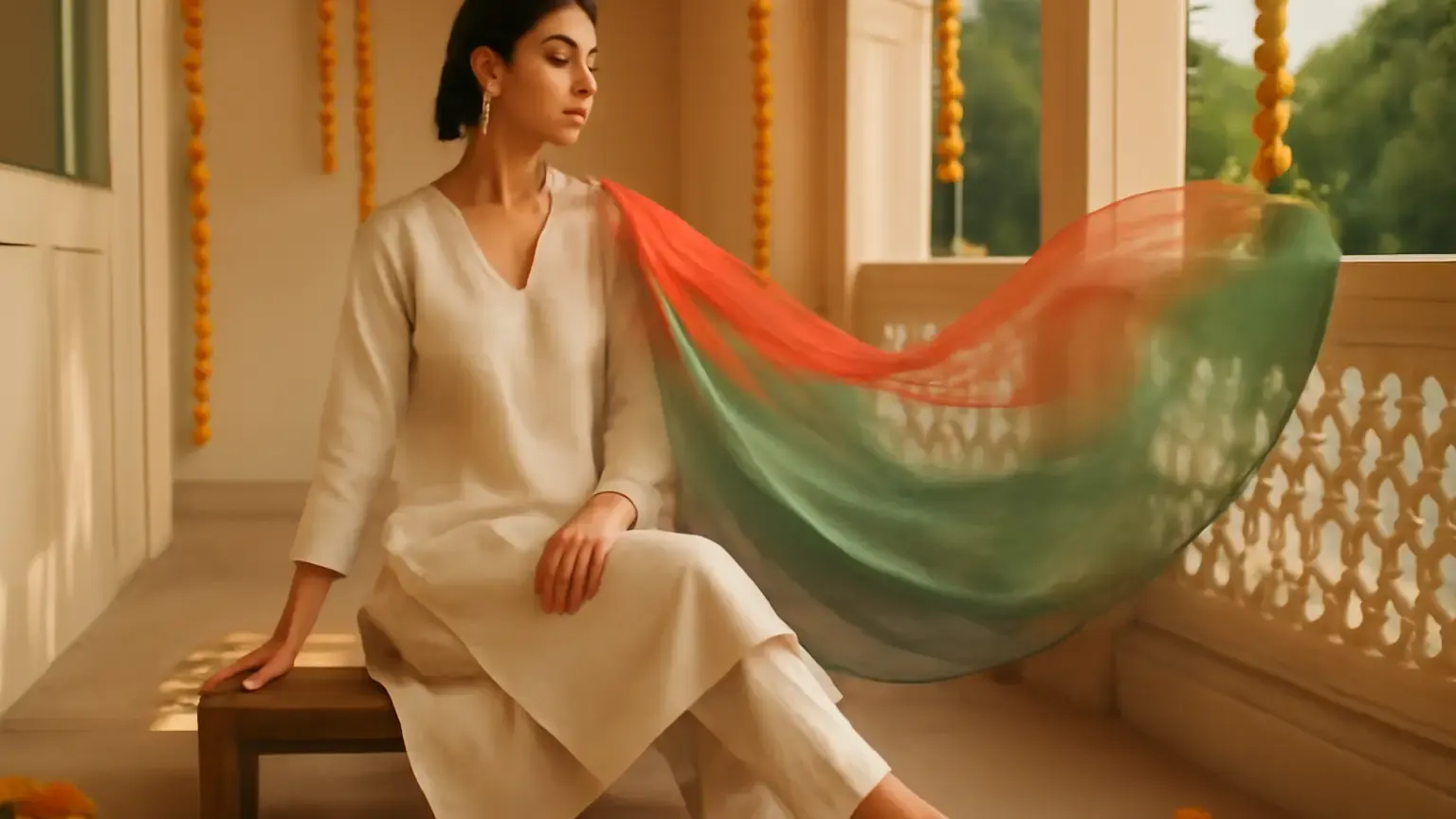
A straight or gently flared cotton kurta with matching trousers is the most dependable starting point for a daytime celebration. Choose a solid base in ivory, powder blue, sage, rose or marigold, then bring in festive colour through a printed, woven or lightly embellished dupatta. This creates the impact of a more elaborate outfit without making the entire look warm or difficult to pack.
For a neat finish, keep the kurta relatively clean if the dupatta has a strong border. Small jhumkas, a low bun and embroidered flats are enough for a family gathering. This is also one of the easiest festive outfit ideas to adapt from a workday: carry the dupatta and earrings separately, then add them before the event.
2. Linen saree with a comfortable blouse
A linen saree works particularly well for hosts, older celebrations and occasions where you want a polished Indian silhouette without heavy draping. Pick a six-yard saree with a narrow zari, contrast or handwoven border. Pair it with a sleeveless, elbow-sleeve or short-sleeve blouse in a breathable lining rather than a thick padded construction.
Pre-pleating the saree or using a discreet waist belt can make movement easier, especially if you will be standing for long periods. Pearl studs keep the look refined, while sculptural earrings add a more contemporary note. Among the most wearable linen sarees, those with a soft fall are generally easier for daytime than stiff, heavily starched versions.
3. Pastel kurta with a tonal lightweight dupatta
Pastel Indian outfits do not have to look casual. A pistachio, blush, lilac, butter yellow or powder blue kurta becomes festive when its neckline, cuffs or hem includes delicate threadwork. Add a tonal lightweight dupatta in chiffon, kota or fine cotton, rather than contrasting the look with a heavy brocade layer.
This formula suits daytime ceremonies, office festive lunches and anyone who prefers understated dressing. Add one metallic detail—such as a slim bracelet, gold-toned sandals or a small clutch—and keep the rest quiet. If the venue is brightly lit, a matte fabric often photographs more gracefully than a very shiny synthetic surface.
4. Printed anarkali with flat or low-heeled footwear
A printed anarkali offers volume and movement while remaining lighter than a fully embroidered one. Look for cotton, rayon or cotton-silk versions with a breathable lining and a hem that does not drag. Small florals, block prints and geometric motifs suit the daytime; a darker base or metallic border can carry the same shape into an evening event.
Pair it with juttis, kolhapuri sandals or low block heels. Block heels for festive wear are especially useful when you want extra height but expect to stand or walk. Avoid an excessively long flare if the celebration involves stairs, crowded rooms or outdoor surfaces.
5. Short kurti, wide-leg trousers and a light jacket
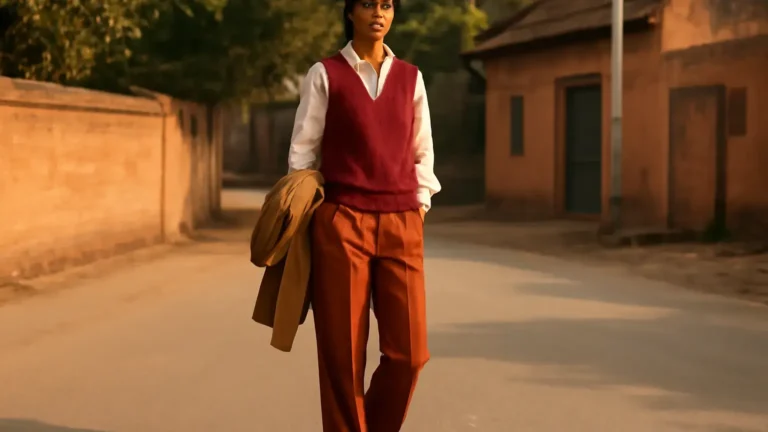
This is a practical choice for those who prefer Indo-western outfits over traditional sets. Wear a short embroidered or printed kurti with fluid wide-leg trousers, then add a cropped cotton jacket or an open longline layer. The jacket should be optional: remove it during a warm afternoon and put it back on for a cooler evening.
Keep the proportions intentional. A short kurti works well with high-waisted trousers, while a longer tunic is better with a narrower straight pant. Choose one standout element—an embroidered jacket, colourful earrings or metallic footwear—so the combination looks edited rather than busy.
6. Lightweight lehenga with a breathable blouse
For a larger evening celebration, a lightweight lehenga can provide occasion impact without the density of bridal-style dressing. Choose a cotton-silk, georgette or light chanderi skirt with limited embroidery and a blouse that allows comfortable arm movement. A detachable or loosely draped dupatta is more practical than a heavily pinned arrangement if you expect to dance or move between rooms.
Balance volume with simplicity elsewhere. If the skirt has a detailed border, select a plain blouse and minimal jewellery. A small potli or compact crossbody-style festive handbag keeps your hands free; a large everyday tote can interrupt the silhouette.
7. Jewel-toned co-ord with a sheer or woven layer
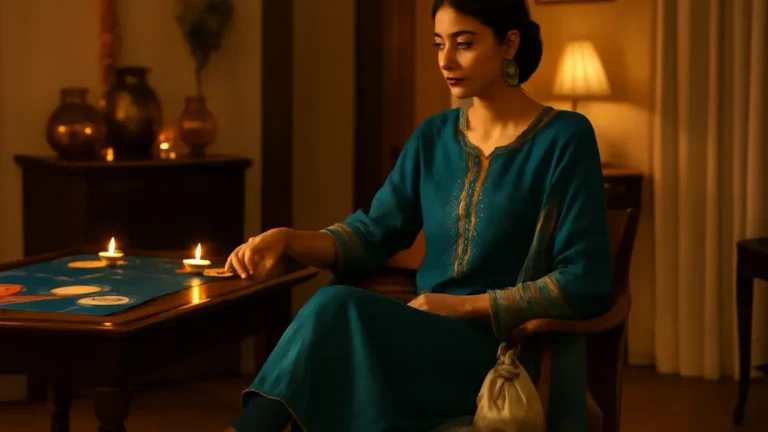
A deep emerald, sapphire, wine or rust co-ord gives evening dressing a richer mood while the matching top and trouser keep the outfit easy to wear. Add a sheer organza, fine cotton or woven layer only if the venue is air-conditioned or the temperature drops after sunset. This is a polished alternative to a full saree or lehenga for dinners and cocktail-style festive events.
Because jewel tones already have visual weight, use a restrained accessory plan: statement earrings, a sleek bracelet and a small festive handbag. Choose breathable linings and test the neckline while sitting, reaching and carrying a phone. Comfort is part of looking polished.
How to layer for Indian October weather
Layering for Indian weather works best when every extra piece has a purpose. Use a light dupatta, cropped jacket or open overshirt rather than stacking a camisole, blouse, kurta and coat. For air-conditioned halls, keep a fine cotton stole or compact woven jacket in your bag. For warm outdoor events, make the top layer removable and avoid dense sleeves.
A useful day-to-night sequence is simple: begin with a breathable base, add small jewellery for daytime polish, then switch to a deeper lip colour or metallic accessory for the evening. You do not need to change the entire outfit. A folded dupatta, earrings and footwear can make a practical difference without adding bulk.
Accessories that finish the look without adding heat
Accessories should create the festive signal when the clothing is intentionally light. Statement earrings work with almost every formula, from a cotton set to a co-ord. Choose a proportion that suits the neckline: longer earrings complement open necklines, while studs or medium hoops balance high collars.
For bags, select a potli, small top-handle bag or compact shoulder bag that holds essentials without weighing down the outfit. Festive handbag styling is easiest when the bag echoes one colour from the border, print or jewellery. Footwear should be broken in before the event. Cushioned juttis, flat sandals and low block heels are more reliable than new high heels on long celebration days.
Common mistakes to avoid
- Choosing heavy fabric for a daytime event: Dense velvet, thick brocade and multiple synthetic layers can feel uncomfortable before the celebration has even begun.
- Over-accessorising a detailed outfit: Let embroidery, print or jewellery lead; combining all three can make the look appear crowded.
- Ignoring the lining: A breathable outer fabric loses its benefit if the lining is tight, scratchy or made from a heat-trapping material.
- Wearing untested footwear: Festive dressing often involves standing, greeting guests and walking on uneven surfaces. Comfort should be checked at home.
- Forgetting the venue: A floor-length flare may be beautiful but inconvenient for a garden, crowded home or event with stairs.
A simple decision guide
Choose a cotton kurta set or pastel kurta for a hot daytime function. Select a linen saree when you want classic polish and are comfortable managing a drape. Pick an anarkali for easy movement and a flattering vertical line. Choose the jacket-and-trouser formula for modern styling or commuting. Reserve the lightweight lehenga and jewel-toned co-ord for evening occasions where richer colour and a little more structure feel appropriate.
The best Indian fashion trends October looks are not necessarily the most embellished. They are the ones that match the weather, allow natural movement and use one or two considered details to signal celebration. Start with fabric and fit, then build the festive mood through colour, texture and accessories. That approach keeps October fashion trends India practical for real celebrations, from sunny afternoon gatherings to cooler evenings.
Products that may help with this routine
Choose only what fits your skin, hair or personal needs. Use the links below to view current options on Amazon India.
Frequently Asked Questions
What should I wear to an October festival in India?
Choose a breathable cotton kurta set, linen saree, printed anarkali or lightweight lehenga. Add one festive detail such as a woven dupatta, statement earrings or metallic footwear, and match the layering to the venue and time of day.
Which fabrics are best for October festive wear in India?
Cotton, mulmul, linen, cotton-silk blends, light chanderi and fine kota are useful choices because they provide airflow while still looking polished. For evening events, lightweight georgette or organza can work as a layer when the base remains breathable.
How can I style a breathable kurta set for a festive event?
Pair a solid or lightly printed cotton kurta set with a colourful dupatta, small or statement earrings and embroidered flats. Keep the base simple if the dupatta has a bold border, and carry the accessories separately for an easy day-to-evening update.
What are comfortable Indian outfits for an evening celebration?
Try a jewel-toned co-ord, a lightweight lehenga, a cotton-silk anarkali or a linen saree with a secure blouse. Low block heels, flat sandals and a removable light layer make the outfit easier to wear for several hours.
How do I layer Indian clothes in warm October weather?
Use one removable layer, such as a fine cotton stole, lightweight dupatta, cropped jacket or open overshirt. Avoid stacking several dense pieces, and choose layers that can be folded into a bag or removed when the temperature rises.
What accessories make a simple festive outfit look polished?
Statement earrings, a woven or metallic dupatta, a small potli, a slim bracelet and well-finished footwear can elevate a simple outfit. Coordinate one accessory with the outfit’s border or print instead of matching every item.