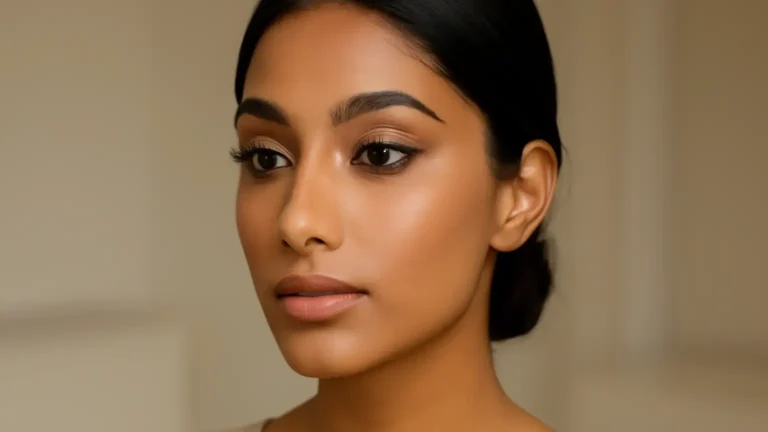
Makeup basics for setting spray come down to five practical choices: match the formula to your skin, build a thin base, hold the bottle at the right distance, spray at the right stage and layer powder only where needed. This guide shows how to use setting spray so your complexion looks more even and comfortable for longer, especially when Indian humidity causes makeup melting in humidity. The immediate payoff is a controlled, five-minute finishing routine rather than repeatedly soaking your face in product.
Setting spray is a liquid finishing product designed to help makeup look more cohesive and, depending on its formula, improve comfort, shine control or transfer resistance. It is not a universal seal that makes every foundation waterproof. The result depends on the ingredients, the amount applied and how well the underlying base has been prepared.
1. Choose the formula before you choose the finish
The most important step in a setting spray makeup basics routine is matching the product to your skin, climate and desired finish. A lightweight hydrating mist can soften the powdery appearance of foundation, while a film-forming formula may help makeup resist light humidity, friction and fading.
Understand the main formula types
- Dewy setting spray: Suitable for normal, dry or dehydrated-feeling skin when the base looks flat or overly matte. Look for comfortable humectants such as glycerin, but avoid applying several wet layers if your makeup tends to slide.
- Matte setting spray: Often a better starting point for combination or oily skin. It can reduce a fresh, greasy appearance, but too much may make textured areas look tight or emphasise dry patches.
- Alcohol-containing or fast-drying formulas: These can feel lighter and dry quickly, which may suit humid conditions. However, they can feel uncomfortable on sensitive or very dry skin. Patch-test new products and stop if you experience persistent burning or irritation.
When comparing a setting spray for oily skin, look beyond the word “matte” and consider comfort, drying time and how the formula behaves with your foundation. A setting spray for dry skin may be better served by a natural or dewy finish and fewer powder layers.
Do not confuse a setting spray with a simple facial mist. A mist may refresh skin but may not contain the film-forming ingredients used to improve makeup wear. A fixing spray can be stronger in its hold, so read the label and choose a product that feels appropriate for regular use.
2. Prepare a thin base before you spray
No setting spray can fully correct a thick, oily or poorly blended base. Long-lasting base makeup starts with skincare that has settled, a suitable makeup primer where needed and thin layers of foundation and concealer. Wait briefly after moisturiser or sunscreen so the surface is comfortable rather than slippery.
Apply foundation mainly where you need coverage, then press rather than repeatedly rub it into the skin. Use less product around the nose, mouth and under-eye area, where excess makeup commonly creases or separates. If you are using cream blush or bronzer, blend those products before powdering and spraying.
This preparation matters especially when makeup is melting in humidity. Heavy layers trap warmth and moisture, and adding more spray over them can make the surface look wet without improving wear.
3. Use the right setting spray application technique
Distance and movement make a noticeable difference. Hold the bottle approximately 20 to 30 centimetres from your face, close your eyes and mouth, and mist in a light X followed by a T pattern. Keep the bottle moving instead of concentrating spray on one cheek or the centre of the forehead.
How much setting spray should I use?
For most people, two to four light passes are enough, depending on the nozzle and the size of the face. The skin should look lightly misted, not soaked. If large droplets land on the face, gently tap them with a clean damp sponge before they dry. Do not fan aggressively, as uneven drying can disturb the base.
Spray the hairline, jawline and sides of the face as well as the centre if those areas show makeup transfer. Avoid spraying directly into the eyes, and do not use a product on broken or irritated skin. Clean the nozzle occasionally so the spray remains even.
4. Get the timing right: before, between or after makeup
People often ask, “Should setting spray be used before or after makeup?” The simple answer is: after makeup is the standard use, but a light layer between steps can be useful in specific routines.
- Before makeup: A light mist can add comfort to dry-feeling skin, but it should dry fully before primer and foundation. It is optional, not a replacement for moisturiser or sunscreen.
- Between cream and powder products: After cream complexion products are blended, a brief mist followed by complete drying can help the layers feel more settled. Use this sparingly; repeated wetting can lift makeup.
- After all makeup: This is the most reliable step. Apply powder first where shine or creasing is a concern, then finish with spray to reduce a powdery appearance and bring the layers together.
For a long event, allow the first application to dry before deciding whether another light pass is necessary. More product does not automatically mean longer wear. This sequence is the foundation of a practical makeup setting spray routine.
5. Layer powder and spray for humid Indian weather
Powder and setting spray do different jobs. Powder absorbs some surface oil and reduces movement; spray helps the makeup layers look more unified and may add a flexible film. Used together, they can be more practical than relying heavily on either one.
For combination or oily skin, press a small amount of translucent loose powder or pressed powder onto the sides of the nose, centre of the forehead, chin and areas that crease. Avoid sweeping a thick layer across the whole face unless you want a very matte finish. Follow with a light setting spray application technique and let it dry naturally.
For dry skin, use less powder and keep it targeted. A hydrating or natural-finish spray can take away the chalky look, but it cannot replace a comfortable moisturising routine. If the T-zone becomes shiny later, blot first and add a tiny amount of powder rather than repeatedly spraying.
How to choose a setting spray by skin type and occasion
| Need | Useful starting point | What to watch for |
|---|---|---|
| Oily or combination skin | Matte setting spray with targeted powder | Over-mattifying, tightness and visible texture |
| Dry or normal skin | Natural or dewy setting spray with thin base layers | Heavy misting that makes foundation move |
| Very humid outdoor event | Light, fast-drying formula plus strategic powder | Sticky residue and spraying too close |
| Short daytime wear | Comfort-focused mist, if needed | Using strong hold when a simple finish is enough |
| Long celebration or wedding | Compatible primer, thin layers, powder and final spray | Trying several new products on the event day |
For anyone comparing the best setting spray for humid weather, prioritise a formula that dries comfortably, suits your skin and can be applied in a fine mist. “Long wear” on a label does not guarantee the same performance for every foundation or climate.
Common mistakes that shorten makeup wear
- Holding the bottle too close: This creates wet spots and can disturb concealer or blush.
- Applying too much: A soaked face may feel sticky and take longer to dry, particularly in monsoon weather.
- Spraying before the base has settled: Wet skincare, sunscreen or foundation can mix and move.
- Skipping powder in high-shine areas: A dewy formula alone may not control oil through a long, warm day.
- Powdering every layer heavily: This can create a dry, thick finish that spray cannot fully soften.
- Rubbing after spraying: Let the film dry, then blot gently if necessary.
- Testing a new formula at the event: Try it on a normal day first, especially if your skin is sensitive.
A simple five-minute finishing routine
- Check that foundation, concealer and cream colour products are blended and settled.
- Press a small amount of powder onto areas that become shiny or crease.
- Shake the setting spray if the label instructs you to do so.
- Hold it 20 to 30 centimetres away and mist lightly in an X and T pattern.
- Keep your eyes and mouth closed, let the face dry, and blot later instead of adding repeated wet layers.
If your makeup still fades, identify where the problem begins. Oil breakthrough may call for better powder placement; dry patches may need fewer matte products; separation around the nose may be caused by too many skincare or base layers. Adjust that stage rather than simply adding more spray.
Takeaway
The most dependable makeup basics for setting spray are simple: match the finish to your skin, build a thin base, hold the bottle at a safe distance, spray after the complexion is blended and use powder only where humidity and oil require it. In warm Indian weather, a controlled combination of formula, timing and targeted layering usually looks fresher and wears better than applying a large amount of any one product.
Products that may help with this routine
Choose only what fits your skin, hair or personal needs. Use the links below to view current options on Amazon India.
Frequently Asked Questions
How do I use setting spray for long-lasting makeup?
Complete your base first, press powder onto shine-prone areas, then hold the spray 20 to 30 centimetres away and apply two to four light passes in an X and T pattern. Let it dry without rubbing. Formula choice and thin makeup layers matter as much as the spray itself.
Should setting spray be used before or after makeup?
It is normally used after foundation, concealer, colour products and targeted powder. A light layer before makeup can add comfort for some people, but it should dry fully and is not a substitute for moisturiser, sunscreen or primer.
What is the best way to apply setting spray in humid weather?
Use a light, fast-drying formula that suits your skin, keep the bottle 20 to 30 centimetres away and mist while moving the bottle. Use powder only on oily or crease-prone areas, then allow the spray to dry naturally.
Can setting spray replace powder?
Usually, no. Powder helps absorb surface oil and limit movement, while setting spray helps unify the layers and may improve flexibility or transfer resistance. Dry skin may need little powder, but oily skin often benefits from using both strategically.
How much setting spray should I use?
Start with two to four light passes, depending on the nozzle and face size. Your skin should look lightly misted rather than wet. Applying more product does not guarantee longer wear and may make the base sticky or cause it to move.
Which setting spray is best for oily skin?
Look for a comfortable matte or natural-finish formula and combine it with targeted powder on the forehead, nose and chin. Avoid choosing only by the word “matte”; a formula that feels too drying can emphasise texture and encourage an uneven finish.