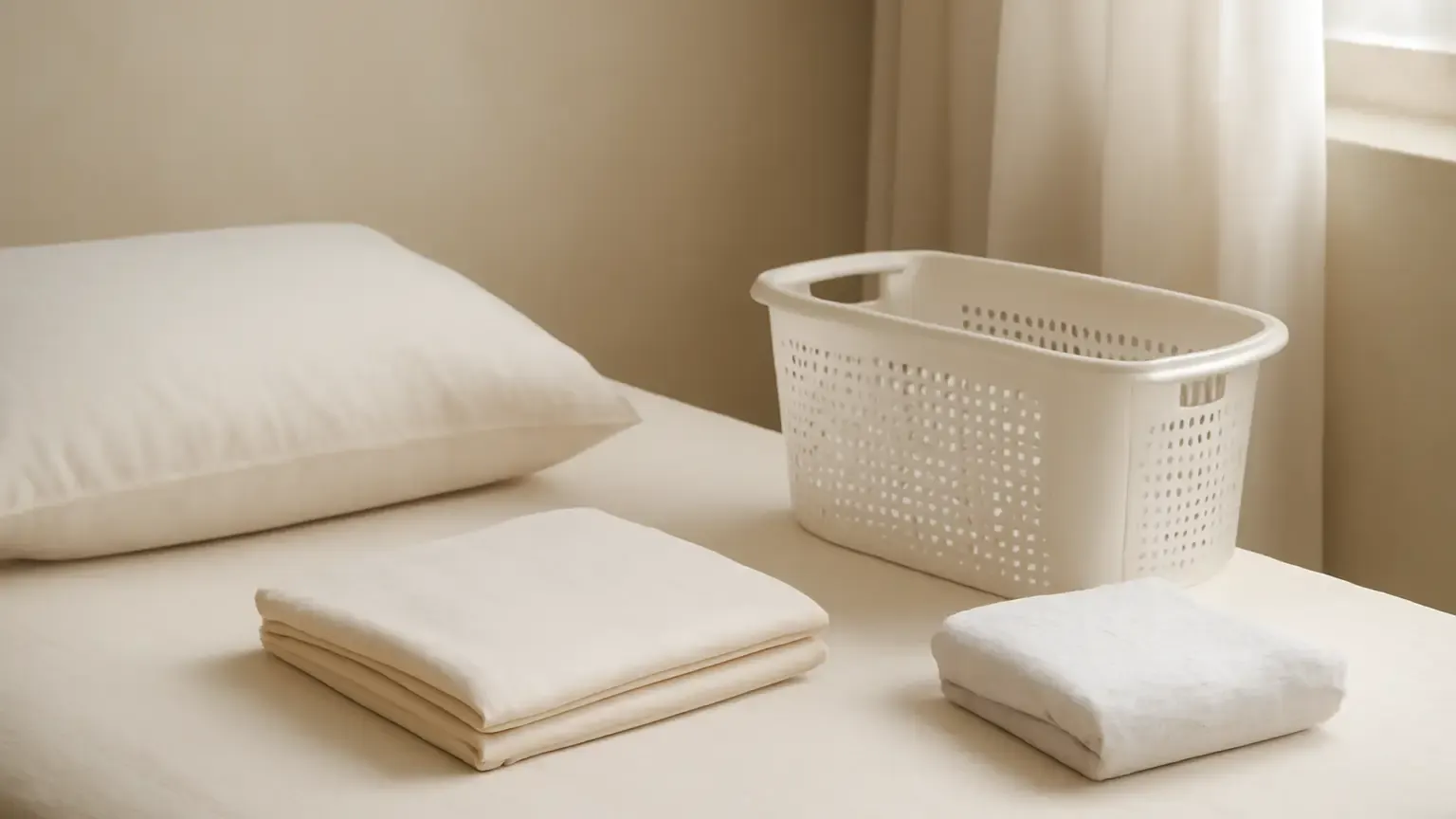
An acne prone skin pillowcase is worth changing every 3–4 days, or more often if you sweat heavily, use hair products, or sleep with wet hair. This advice suits people who notice breakouts or irritation around the cheeks, jawline and temples. Choose a smooth, breathable, washable fabric; rinse detergent thoroughly; and keep a spare set ready. Clean bedding can reduce avoidable contact with oil, sweat and residue, but it cannot cure acne or replace appropriate skincare or medical advice.
Your pillowcase sits against facial skin for hours, so its condition matters as part of a sensible hygiene routine. During the night, fabric can collect sebum, sweat, dead skin cells, hair products, moisturiser and traces of makeup or sunscreen. These substances do not automatically cause acne, but repeated contact can contribute to a less clean, more irritating sleep surface for some people.
How often should you change a pillowcase if you have acne?
For most people with blemish-prone skin, change or wash the pillowcase every three to four nights. This is a practical middle ground: frequent enough to limit the build-up of sweat and product residue without creating an unnecessarily demanding laundry routine.
Use a more frequent schedule when:
- you sweat during sleep or live in hot and humid weather;
- you apply heavy hair oils, leave-in products or styling creams;
- you sleep with wet hair;
- you have been unwell or share bedding with a pet;
- the fabric feels oily, smells musty or shows visible marks; or
- you are testing whether contact irritation is contributing to spots around the face.
In these situations, changing the case every one to two nights may be more comfortable. Keep at least two or three spare cases so the routine remains realistic. A clean case is useful, but changing it daily is not a universal acne requirement.
Why pillowcase hygiene for acne prone skin matters
A pillowcase can hold a mixture of sweat, sebum, skin flakes and cosmetic residue. It can also pick up bacteria from hands, hair and the surrounding bedroom. This does not mean pillowcase bacteria directly cause every breakout. Acne is influenced by several factors, including oil production, pore-clogging processes, inflammation, hormones and genetics.
The more accurate takeaway is that a dirty or product-coated case may increase avoidable exposure to irritants. If you repeatedly wake with greasy fabric or notice discomfort where your cheek touches the pillow, better pillowcase hygiene is a reasonable low-risk adjustment. It should support—not replace—a consistent skincare routine.
Choosing the best pillowcase for acne prone skin
There is no single fabric that prevents acne. The best choice is one that is smooth enough to minimise friction, breathable enough for your climate, easy to wash and comfortable against your skin. A fabric marketed as “anti-acne” is not automatically more effective than a well-maintained everyday case.
Cotton: practical and easy to wash
Cotton is widely available, breathable and generally straightforward to launder. A tightly woven, smooth cotton pillowcase can be a dependable option for Indian homes, particularly when washed regularly in hot and humid conditions. Very rough or heavily textured cotton may create more friction, so check how the material feels rather than focusing only on the label.
Silk and satin: smooth, but not self-cleaning
A silk pillowcase for skin may feel smooth and reduce hair friction, while satin offers a similar slippery feel at a different price point depending on the fibre. Neither fabric is inherently non-comedogenic, antibacterial or acne-curing. They still need frequent washing, careful detergent rinsing and complete drying. If a delicate case discourages you from laundering it regularly, a washable cotton option may be the more suitable choice.
What to look for in a breathable pillowcase fabric
- a smooth surface without scratchy seams or raised texture;
- good airflow, especially if you sleep hot;
- colourfast, washable construction;
- a fit that does not bunch beneath the cheek; and
- fabric care instructions that match your normal laundry routine.
“Non-comedogenic bedding” is not a tightly regulated promise in the same way consumers may assume from skincare labels. Treat such claims cautiously and prioritise cleanliness, comfort and low irritation.
How to wash pillowcases for acne prone skin
Good cotton pillowcase care is less about using the strongest wash possible and more about removing residue consistently. Follow the care label, separate heavily soiled laundry when practical, and wash cases before oil and product marks become deeply embedded.
- Check the fabric label. Use the warmest suitable setting recommended for the material. Delicate silk may need a gentler method than cotton.
- Use a modest amount of detergent. More detergent does not mean a cleaner case; excess product can remain in the fibres.
- Choose fragrance-free laundry detergent if your face is easily irritated or you are trying to identify a possible trigger.
- Run an extra rinse when the fabric feels slippery, stiff or strongly scented after washing.
- Dry the case completely. Damp fabric can develop an unpleasant smell and is not ready for contact with freshly cleansed skin.
- Store clean cases away from used towels, shoes and dusty surfaces.
Do not pour undiluted bleach, essential oils or harsh disinfectants onto bedding in an attempt to prevent acne. These substances may irritate the skin or damage the fabric. If you use fabric softener, consider skipping it for pillowcases when your skin is sensitive, as fragrance and coating ingredients can be unnecessary contact exposures.
Could detergent residue irritate facial skin?
Yes, detergent residue on skin may contribute to dryness, itching or contact irritation in sensitive individuals. Irritation is not the same as acne, although an irritated skin barrier can make the face feel more reactive and uncomfortable. Residue is more likely when too much detergent is used, the washing machine is overloaded, or the rinse cycle is inadequate.
Try a simple laundry reset for two weeks: reduce detergent to the label’s lower appropriate dose, select an extra rinse, avoid strongly fragranced products and wash pillowcases separately from very greasy loads. If redness or itching continues, stop experimenting with multiple products at once and seek professional advice.
Sleeping with wet hair: does it affect breakouts?
Sleeping with wet hair does not directly cause acne, but it can leave the pillowcase damp and transfer conditioner, oils and styling products onto the fabric. A damp surface may also feel less fresh by morning. If you have long or product-heavy hair, dry the roots before bed where possible, keep hair loosely away from the face and change the case sooner when it becomes wet or coated.
People with curly or textured hair may prefer a smooth case or a clean hair wrap to reduce friction and preserve the hairstyle. The key is to wash whichever surface touches your face regularly; a wrap is not a substitute for clean bedding.
A simple acne-friendly bedding routine
Use this routine as a practical starting point, then adjust it to your climate and habits:
- Change the pillowcase every three to four nights.
- Keep a fresh spare case available so laundry delays do not extend the schedule.
- Wash your face according to your usual gentle skincare routine before bed, especially after makeup, sunscreen or exercise.
- Keep hair products away from the cheek and forehead where possible.
- Wash pillow protectors and sheets according to their care labels; they also collect sweat and product residue.
- Do not repeatedly touch or inspect facial skin against the pillow.
- Notice patterns without assuming that every new spot came from bedding.
Face touching pillow is sometimes overlooked: pressing the cheek into the same area each night can transfer product and oil while also creating friction. Rotating the pillow is not a replacement for washing the case, but it can be useful between washes if the case is otherwise clean and dry.
Common pillowcase mistakes to avoid
Changing fabric instead of improving hygiene
Buying silk or satin will not compensate for leaving the case unwashed for weeks. Fabric choice is secondary to a manageable washing schedule.
Using too much detergent or scent
A strong fragrance may make laundry smell clean while leaving more ingredients close to facial skin. Clean does not have to mean heavily perfumed.
Going to bed with wet hair and a damp case
If this is a regular habit, dry the hair and replace the case when needed. Do not place a towel over a damp pillow indefinitely; wash the towel and case properly.
Expecting bedding hygiene to cure acne
Clean bedding supports comfort and reduces one possible source of irritation. It cannot cure acne, erase hormonal triggers or guarantee clear skin. Persistent, painful, spreading or scarring breakouts deserve advice from a dermatologist or doctor, particularly if they affect confidence or do not improve with a gentle routine.
Concise takeaway
Change an acne prone skin pillowcase every three to four nights, and more often after sweating, hair-product transfer or sleeping with wet hair. Choose a smooth, breathable fabric you can wash easily, use fragrance-free detergent when needed, rinse thoroughly and dry completely. Clean bedding is sensible skin hygiene—not an acne treatment—and it works best alongside appropriate everyday care.
Products that may help with this routine
Choose only what fits your skin, hair or personal needs. Use the links below to view current options on Amazon India.
Frequently Asked Questions
How often should you change your pillowcase if you have acne?
Change or wash it every three to four nights as a general starting point. Change it every one to two nights if you sweat heavily, use oily hair products, sleep with wet hair or notice visible residue and irritation.
What is the best pillowcase material for acne prone skin?
There is no universally best fabric for acne. Smooth, breathable cotton is practical and easy to wash; silk or satin may reduce friction but still require regular cleaning. Choose the material you can keep clean and that feels comfortable.
Can sleeping with wet hair make acne worse?
Wet hair does not directly cause acne, but it can make the pillowcase damp and transfer conditioner, oils or styling products. Drying the hair and washing a damp or coated case can reduce avoidable irritation.
How should you wash pillowcases for acne prone skin?
Follow the fabric care label, use a modest amount of detergent, consider fragrance-free laundry detergent, add an extra rinse if residue remains and dry the case completely before use.
Can detergent residue cause facial irritation?
Yes. Excess detergent or fragrance may irritate sensitive facial skin, although irritation is not the same as acne. Reduce the detergent amount, use an extra rinse and seek medical advice if itching or redness persists.