An acne prone skin moisturizer should leave skin comfortable, not tight, greasy or congested. For oily or blemish-prone skin in India, a light gel often suits humid weather; a lotion can offer more balanced hydration, while a cream is useful when the barrier feels dry or irritated. This guide helps shoppers choose a texture, read non-comedogenic claims sensibly and introduce a moisturiser gradually without disrupting their routine.
Moisturiser is useful even when skin looks shiny or experiences frequent breakouts. Cleansing, dry weather, air-conditioning, exfoliating products and strong acne-care ingredients can all leave the surface feeling tight. When skin is uncomfortable, people often apply too much product, change products repeatedly or skip hydration altogether. A suitable formula helps make a routine easier to tolerate, but it cannot prevent every breakout or replace professional advice for persistent skin concerns.
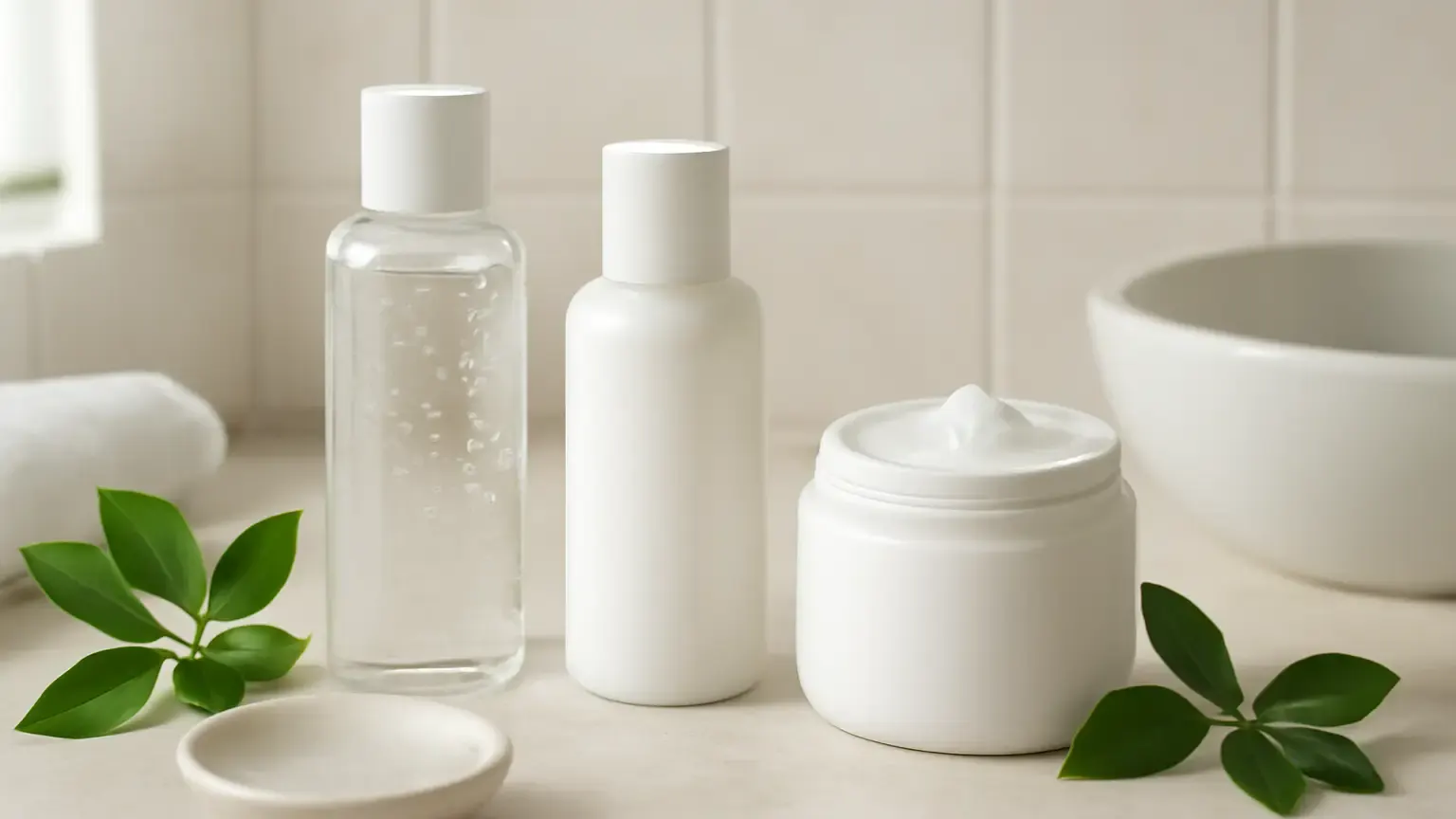
Gel, lotion or cream: what is the practical difference?
Texture describes how a formula feels and spreads; it does not, by itself, determine whether a product will suit your skin. The same category can contain very different ingredients. Think of the following as a starting point rather than a rigid rule.
Gel moisturiser
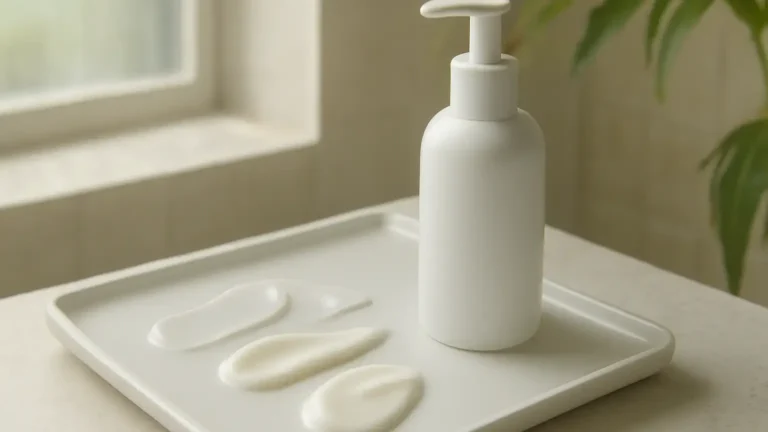
A gel is usually water-light, quick to spread and comfortable in hot, humid conditions. A hydrating gel moisturizer may rely on humectants such as glycerin or hyaluronic acid, which attract water to the skin’s surface. Gel textures are often a sensible choice for people who dislike residue, wear sunscreen soon after moisturising or have an oily T-zone.
However, a gel can feel insufficient if cheeks are dry, the skin barrier is unsettled or the formula evaporates quickly and leaves tightness. “Oil-free” also does not automatically mean non-irritating or suitable for every person.
Lotion moisturiser
A lotion sits between a gel and a cream. It can combine water, humectants and a modest amount of emollients, giving skin more softness without the richness of a heavy cream. This makes it a useful lightweight face moisturizer for combination skin, mild dryness or people who find gels too brief but creams too occlusive.
For many shoppers, a lotion is the most flexible option: use a smaller amount in humid weather and a little more on drier areas. Check the actual ingredient list and finish rather than choosing only by the word “lotion”.
Cream moisturiser
Creams generally contain more emollient and occlusive ingredients than gels or lotions. They can reduce water loss and improve comfort when the skin feels rough, flaky or tight. A cream may therefore suit dry-combination skin, cooler months, frequent air-conditioning or a compromised-feeling barrier.
That does not make every cream unsuitable for blemish-prone skin. It does mean that a rich finish may feel uncomfortable on an oily face, especially in India’s warmer, humid regions. Apply a thin layer first and reserve a richer cream for dry zones if your forehead, nose and chin become shiny quickly.
How to choose an acne prone skin moisturizer
Start with your skin’s behaviour, the climate and the rest of your routine. A product that works in a dry winter may feel excessive during a humid summer.
- Mostly oily and humid-weather skin: Try a water-based moisturizer or gel with a light, non-sticky finish. This is often more comfortable under sunscreen.
- Combination skin: Consider a lotion, applying less to the T-zone and a little more to the cheeks.
- Dry, tight or flaky areas: Choose a simple lotion or cream with barrier-supporting ingredients, and avoid layering several potentially irritating products at once.
- Sensitive or reactive-feeling skin: Look for a fragrance-free moisturizer with a short, familiar ingredient list. A bland formula is often easier to assess than a heavily fragranced product.
- Makeup or sunscreen users: Prioritise a finish that layers comfortably. Pilling can result from formula combinations, too much product or insufficient settling time, not only from the moisturiser itself.
People with moisturizer for oily skin needs do not have to avoid all oils or every cream. Ingredient tolerance varies, and “oil-free” is only one formulation detail. The goal is a comfortable amount of hydration with minimal shine, stinging or residue.
What does non-comedogenic really tell you?
A non comedogenic moisturizer India shopper may reasonably use the claim as a screening tool, but it should not be treated as a guarantee. Non-comedogenic generally means the product has been formulated or assessed with the aim of reducing the likelihood of pore blockage. Testing methods, standards and individual responses can vary.
The claim cannot promise that you will never experience a breakout. It also cannot tell you whether a product will sting, feel greasy, trigger redness or sit well with your sunscreen. A product without the claim may still work for you, while a labelled product may not. Look at the whole formula, finish and your own response.
How to read the label sensibly
- Prefer a formula that matches your desired finish: gel, lotion or cream.
- Be cautious with strongly fragranced products if your skin is easily irritated.
- Do not judge a formula from one ingredient alone; the complete composition and concentration matter.
- Remember that pore-clogging ingredients are not a universal pass-or-fail list. Skin responses differ, and online ingredient ratings can oversimplify formulation context.
- Choose packaging and texture you are likely to use consistently. A theoretically ideal product is not useful if it feels unpleasant every day.
How to introduce a moisturiser gradually
Changing one product at a time makes it easier to understand what your skin accepts. This is especially useful if you already use exfoliating acids, retinoid products, benzoyl peroxide or other active skincare. Do not stop prescribed care without speaking with your clinician; simply avoid introducing several new products on the same day.
- Patch test first: Apply a small amount to a limited area, such as along the jaw or behind the ear, for a few days. This is not a guarantee against facial irritation, but it can reveal obvious discomfort.
- Begin with clean, slightly damp skin: Use a small amount after cleansing. If you use a treatment product, follow its directions and keep the rest of the routine simple.
- Start once daily: Evening use gives you time to observe tightness, burning, itchiness or excessive residue. If comfortable, add morning use.
- Use less before using more: A thin, even layer is usually enough. Dry areas can receive a second small amount rather than the whole face getting a heavy coating.
- Monitor for one to two weeks: Note comfort, shine, flaking, stinging and any new pattern of congestion. Avoid judging the product after one hot afternoon or one isolated spot.
Patch testing skincare is different from diagnosing an allergy. Stop using a product if you develop significant burning, swelling, hives or worsening irritation, and seek medical advice when symptoms are concerning. A dermatologist can help when breakouts are persistent, painful, widespread or leaving marks.
Common mistakes when moisturising blemish-prone skin
Skipping moisturiser because skin is oily
Shine indicates surface oil, not necessarily adequate hydration. Skipping moisturiser can make cleansing and active-product routines feel harsher. Choose a smaller amount of a light product instead of leaving skin tight.
Picking the richest texture “for extra hydration”
More richness is not always better. If a cream feels hot, sticky or uncomfortable in humid weather, switch to a lotion or apply the cream only to dry patches.
Changing products too quickly
Trying a new cleanser, serum, sunscreen and moisturiser simultaneously makes reactions difficult to trace. Introduce one change, keep the rest stable and record how your skin feels.
Confusing purging with irritation
Do not assume every new spot is purging. A product that causes persistent burning, itching, redness or a rash deserves caution rather than repeated application. If the pattern is severe or does not settle, consult a dermatologist.
A simple routine for choosing the right texture
In the morning, cleanse gently if needed, apply your chosen moisturiser and finish with broad-spectrum sunscreen. In the evening, cleanse, use any dermatologist-recommended or familiar treatment as directed, then moisturise. During summer skincare for oily skin, a gel or light lotion may be most comfortable; during dry weather, a lotion or targeted cream may make more sense.
If your face feels tight after cleansing, start by reducing cleanser harshness or frequency rather than adding multiple moisturising layers. If it feels greasy, reduce the amount or use a lighter texture. If only the cheeks are dry, apply a richer product selectively instead of replacing the entire routine.
Takeaway
The best acne prone skin moisturizer is the texture and formula that keeps your skin comfortable without a greasy or congested feel. Gel is often convenient for oily, humid-weather skin; lotion is a versatile middle ground; cream can help dry or barrier-stressed areas when applied thoughtfully. Treat non-comedogenic labelling as useful context, not a promise, and introduce any new product gradually while watching comfort and irritation.
Products that may help with this routine
Choose only what fits your skin, hair or personal needs. Use the links below to view current options on Amazon India.
Frequently Asked Questions
Which texture is best for acne prone skin moisturizer?
There is no single best texture for everyone. A gel often suits oily skin and humid weather, a lotion suits combination skin, and a cream can help dry or tight areas. Choose based on comfort, finish and how your skin responds over one to two weeks.
Is gel moisturizer better for oily acne prone skin?
A gel may feel lighter and less sticky on oily skin, particularly in hot or humid conditions. It is not automatically better: check whether it leaves skin comfortable, hydrated and free from persistent stinging or congestion.
How do I choose a non comedogenic moisturizer in India?
Use the non-comedogenic claim as a starting point, then consider climate, finish, fragrance and your skin’s history. Choose a light gel or lotion for humid weather, patch test it and introduce it gradually.
Can acne prone skin use a cream moisturizer?
Yes. A cream can be useful for dry, flaky or tight areas, including during cooler weather or frequent air-conditioning. Apply a thin layer, consider using it only on dry zones and stop if it causes ongoing discomfort or congestion.
How should I introduce moisturizer to acne prone skin?
Patch test first, then apply a small amount once daily to clean, slightly damp skin. Keep other routine changes stable, monitor comfort for one to two weeks and increase frequency only if the product feels suitable.
Should I use moisturizer if I have acne prone skin?
Often, yes. A suitable moisturiser can improve comfort when cleansing or active skincare leaves skin dry. Pick a texture that does not feel heavy, apply a thin layer and seek professional advice for persistent, painful or concerning breakouts.