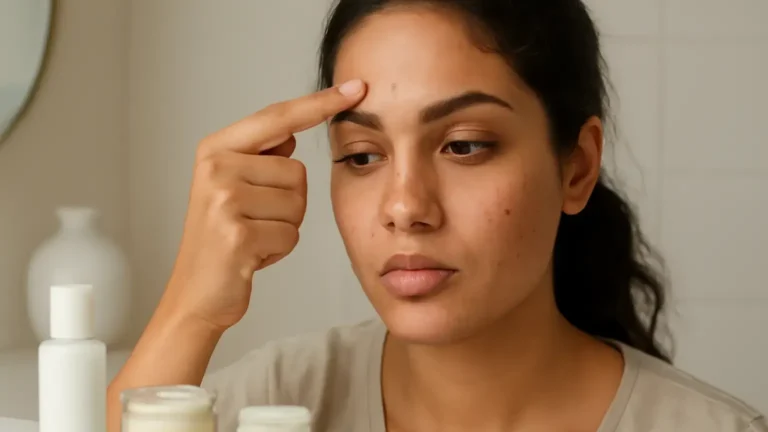
Acne Prone Skin Makeup Removal works best when it removes sunscreen, complexion products and eye makeup without scrubbing or leaving a heavy film. This guide is for anyone with breakouts, congestion or easily irritated skin who is choosing between a cleansing balm, micellar water and a gentle cleanser. In most cases, balm suits long-wear makeup, micellar water suits light makeup and quick removal, while a gentle cleanser is the essential finishing step.
Which makeup remover is best for acne-prone skin?
There is no single best product for every face. The right choice depends on the makeup you wear, how sensitive your skin feels and whether you rinse the product properly. A useful rule is simple: dissolve makeup first when needed, then cleanse away the remaining residue.
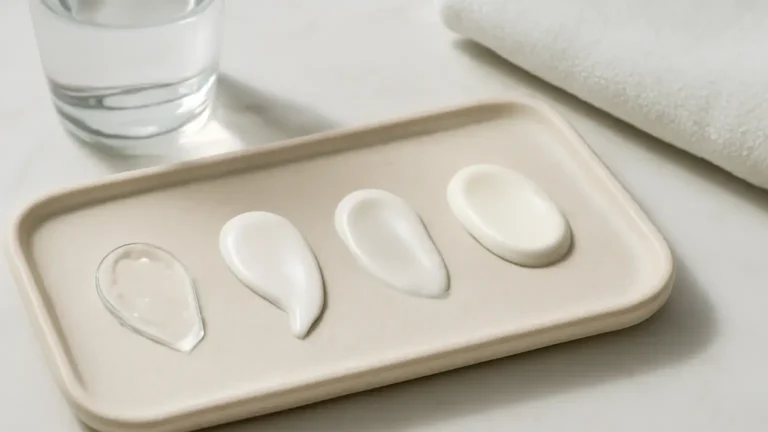
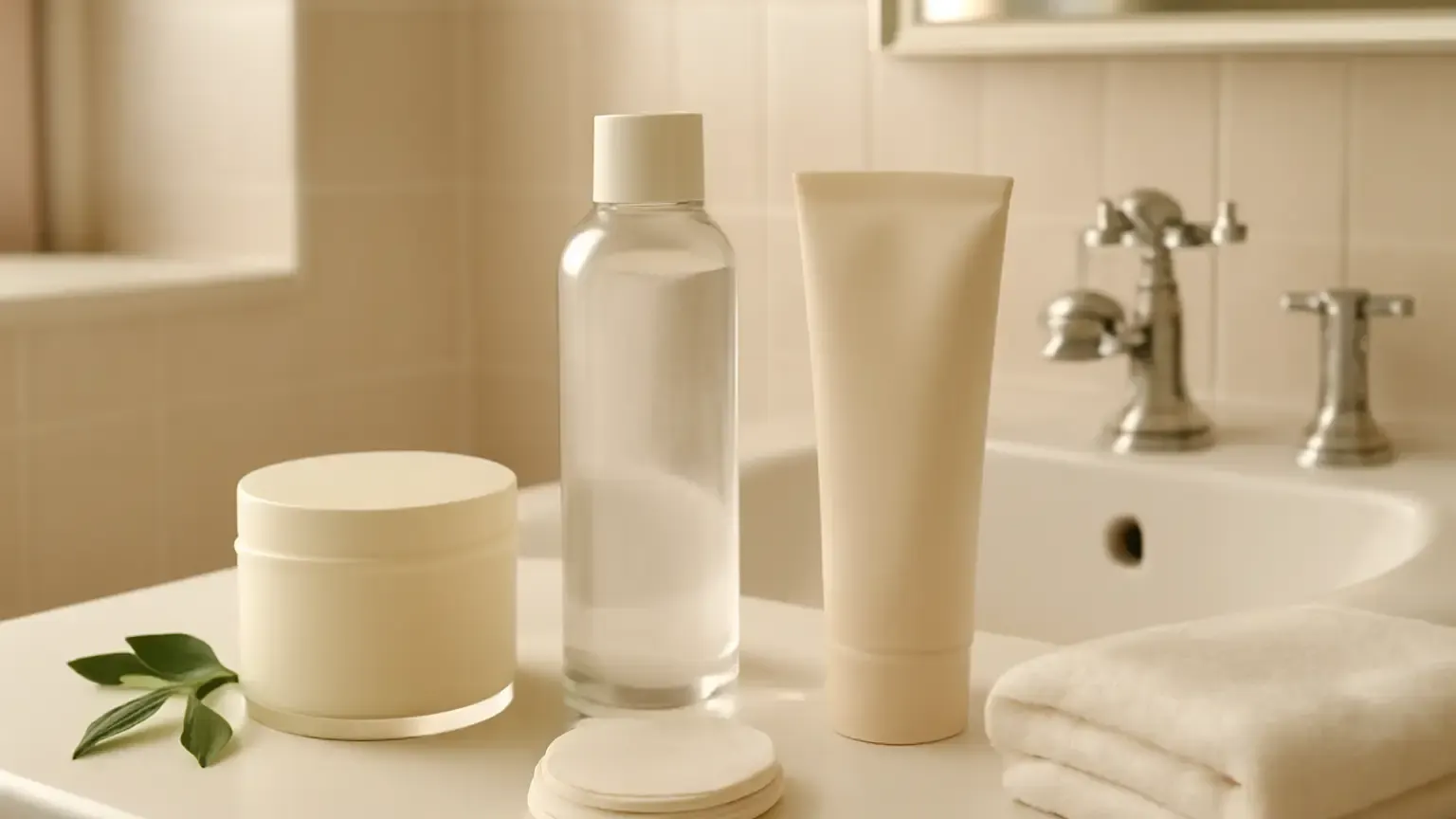
- Cleansing balm: Best for sunscreen, foundation, long-wear base makeup and waterproof formulas. It melts oil-soluble pigments with less rubbing.
- Micellar water: Best for light makeup, a quick post-workout removal or targeted eye makeup removal. It is convenient, but should not always be treated as the final cleanse.
- Gentle cleanser: Best for removing sweat, residue and the last traces of product. It may be enough on its own when makeup is minimal.
Look for formulas that are easy to rinse, low in fragrance and suited to your skin’s comfort. “Non-comedogenic” can be a useful label, but it is not a guarantee that every ingredient will suit every person. Your own pattern of congestion matters.
Acne Prone Skin Makeup Removal: balm, micellar water or cleanser?
When to choose a cleansing balm
A balm is a strong option when you wear a full base, setting products or water-resistant sunscreen. The oil-rich texture helps loosen makeup before water and cleanser touch the skin. Choose a non-comedogenic cleansing balm with a light, emulsifying texture that turns milky when mixed with water.
Use dry hands on dry skin, massage gently for around 30 to 60 seconds, and pay attention to the hairline, sides of the nose and jaw. Add lukewarm water to emulsify, then rinse thoroughly. Follow with a fragrance-free cleanser if the balm leaves a film or if you wore substantial makeup.
The oil cleansing method can be comfortable for some people, but it is not automatically better for acne-prone skin. A product that is difficult to rinse or that repeatedly causes congestion is not the right match, regardless of its marketing claims.
When micellar water makes sense
Micellar water for sensitive skin can be a practical choice for light makeup or for removing lipstick and mascara before washing your face. Micelles attract oil and makeup particles, allowing them to lift away with a cotton pad.
Soak the pad well rather than using a nearly dry one. Hold it over closed eyelids for several seconds, then wipe gently in one direction. Avoid repeatedly dragging the pad across active spots. If the label says rinse-off, rinse it; even when it is marketed as no-rinse, a gentle cleanser can be more comfortable for regular evening use.
Micellar water is not a shortcut for aggressive rubbing. If you need several pads to remove a long-wear foundation, switch to a balm or cleansing oil designed to rinse clean.
When a gentle cleanser is enough
A cleanser may be sufficient after tinted moisturiser, a small amount of concealer or no makeup beyond sunscreen. Pick a mild, low-foam or creamy formula that does not leave the skin tight. A gentle makeup remover and cleanser can be the same product if it reliably removes what you have applied without repeated washing.
Use lukewarm water, massage with fingertips and rinse well around the nose, brows and hairline. Avoid choosing a harsh cleanser simply because your skin is oily. Tightness can make your routine uncomfortable and may encourage over-cleansing.
How to remove makeup from acne prone skin without irritation
- Wash your hands first. Clean fingers reduce the chance of transferring dirt and product onto the face.
- Remove eye makeup separately. Press a saturated pad or a small amount of balm over the closed eye for 10 to 15 seconds. Wipe gently outward and repeat only as needed.
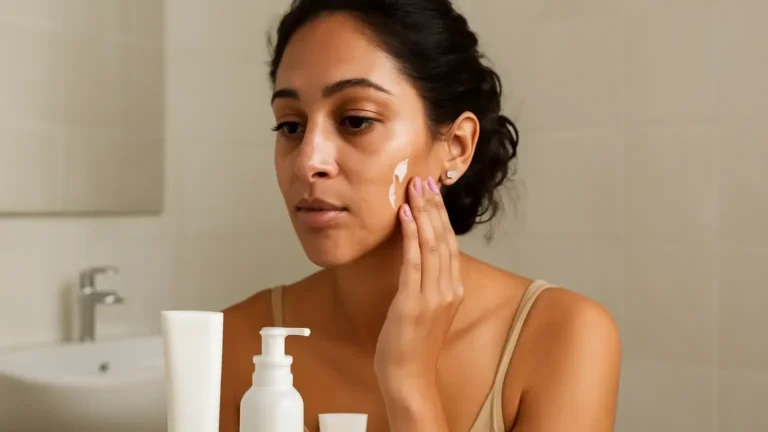
- Dissolve complexion makeup. Apply balm to dry skin, or use a well-soaked micellar pad for light makeup. Do not scrub over pimples.
- Cleanse the whole face. Use a small amount of a mild cleanser and massage for about 30 seconds. Include the jawline, hairline and sides of the nose.
- Rinse and pat dry. Use a clean, soft towel and press rather than rub.
- Finish with simple post-makeup skincare. Apply products you already know your skin tolerates, such as a lightweight moisturiser. Avoid adding several new actives after a long makeup day.
This approach supports barrier-friendly skincare because it prioritises adequate removal without repeated friction. If your skin feels burning, unusually tight or persistently itchy, reduce the number of cleansing steps and reassess the products involved.
How to remove eye and waterproof makeup gently
Eye products often need more contact time, not more force. For waterproof eye makeup removal, use a suitable bi-phase remover or cleansing balm and hold it against the lashes and lid before wiping. Keep the eye closed, avoid getting product into the eye and use a fresh section of the pad for each pass.
Do not use facial scrub, a rough towel or a cotton bud aggressively along the lash line. If mascara flakes remain, a small amount of remover on a clean cotton bud can help target the residue. Stop if you develop significant stinging or blurred vision, and rinse the eye with clean water if product enters it.
Complexion makeup needs a similarly calm technique. Break up foundation before cleansing rather than trying to force it off with a foaming wash. Pay special attention to areas where product collects, including around the nostrils, under the lower lip and along the hairline.
Should you double cleanse acne-prone skin?
Double cleansing for acne-prone skin means using an oil-based first step, such as a balm, followed by a water-based cleanser. It can be useful for heavy makeup or water-resistant sunscreen, but it is not compulsory every night.
Do I need double cleanse after makeup? Usually, only when one gentle cleanse does not remove the product comfortably. If you wore a light base and your cleanser removes it without residue, one cleanse may be enough. Over-cleansing can be one of the common makeup removal mistakes, especially when skin is already irritated.
If you use a balm, emulsify and rinse it before applying cleanser. If you use micellar water first, follow with cleanser when the product is part of your evening routine or when your face feels coated. There is no benefit in repeating steps that leave your skin sore.
Common makeup removal mistakes that can worsen congestion
- Rubbing active breakouts: Friction can make the area feel more inflamed and uncomfortable.
- Using too little remover: A dry cotton pad pulls at the skin instead of lifting makeup.
- Ignoring the hairline: Foundation and sunscreen can collect there and remain after a rushed cleanse.
- Leaving balm residue: A balm that does not emulsify or rinse clean may feel heavy on your skin.
- Washing repeatedly: More cleansing does not necessarily mean cleaner skin.
- Reusing dirty tools: Wash reusable cotton pads thoroughly and let them dry completely before the next use.
- Adding strong treatments immediately: Irritated skin may respond better to a simple moisturising step first.
Also clean makeup brushes regularly and avoid sharing eye products. If a particular remover repeatedly coincides with new congestion, stop using it long enough to observe whether your skin settles, then introduce replacements one at a time.
A simple acne-safe makeup removal routine
For light makeup, start with micellar water or a gentle cleanser, then rinse and moisturise. For full makeup, use a balm on dry skin, emulsify, rinse and follow with a fragrance-free cleanser. For eye makeup, remove it first with a dedicated gentle product so you do not drag dark pigment across the rest of your face.
Keep your routine consistent for a few weeks rather than changing several products at once. Choose clean hands, lukewarm water, soft reusable cotton pads if you use them, and products that rinse without effort. This makes it easier to identify whether irritation comes from friction, fragrance, residue or over-cleansing.
Takeaway
Effective Acne Prone Skin Makeup Removal is about complete but gentle removal, not the most powerful cleanser. Choose balm for durable makeup, micellar water for light or targeted removal, and a gentle cleanser to finish or handle minimal makeup alone. Use the fewest steps that leave your skin clean, comfortable and free of visible residue. For persistent, painful, rapidly worsening or concerning skin changes, seek advice from a qualified dermatologist rather than repeatedly changing makeup removers.
Products that may help with this routine
Choose only what fits your skin, hair or personal needs. Use the links below to view current options on Amazon India.
Frequently Asked Questions
How do you remove makeup from acne prone skin?
Use a cleansing balm for heavy or long-wear makeup, or micellar water for light makeup, then wash with a gentle cleanser if residue remains. Massage lightly, rinse with lukewarm water and avoid scrubbing active spots.
Is micellar water good for acne prone skin?
It can be useful for light makeup and sensitive areas when applied with a well-saturated pad and minimal friction. Rinse or follow with a gentle cleanser if the product leaves residue or your skin feels coated.
What is the best way to remove waterproof makeup without irritating acne?
Hold a suitable eye remover or cleansing balm over closed eyes for several seconds, then wipe gently. Emulsify and rinse a balm, and avoid rough towels, repeated rubbing and facial scrubs.
Can cleansing balm clog pores?
A cleansing balm can feel congesting if it does not suit your skin or is not emulsified and rinsed properly. Choose a rinse-clean formula, use a small amount and follow with a gentle cleanser when needed.
Do I need to double cleanse after makeup?
Not always. Double cleansing is most useful after full makeup, water-resistant sunscreen or a product that does not come away with one gentle cleanse. Avoid repeating steps if your skin feels tight or irritated.
What cleanser should you use after makeup removal?
Choose a mild, fragrance-free cleanser that removes residue without leaving the skin squeaky or tight. A low-foam or creamy formula may be more comfortable for easily irritated, acne-prone skin.