Acne prone skin in winter needs a balance: remove sweat, sunscreen and makeup without stripping the skin, then add lightweight hydration that supports the barrier without feeling greasy. This guide is for anyone whose breakouts coexist with tightness, flaking or sensitivity during colder, drier weather. The key decision is simple: keep cleansing gentle, reduce active frequency when skin stings, and choose non-comedogenic moisturiser and sunscreen textures that you can use consistently.
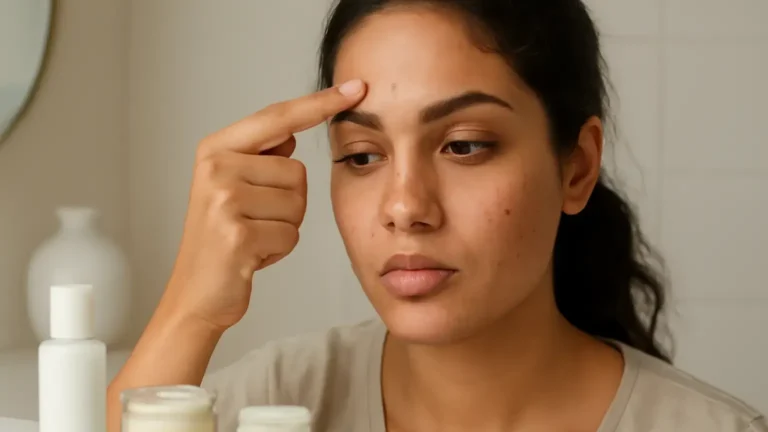
Winter can make acne-prone skin confusing. Your face may look oily by afternoon but feel tight after cleansing, while spots sit beneath patches of peeling skin. This is often a sign that the routine is too drying for the weather, not proof that you need stronger products.
Why acne-prone skin can feel drier in winter
Cooler air, indoor fans or heaters, hot showers and lower humidity can increase water loss from the skin. When the protective barrier is stressed, cleansing and acne-focused products may sting more easily. The skin can also produce oil while lacking water, creating a combination of shine, roughness and congestion.
That does not mean every winter blemish is caused by dryness. Hormonal changes, sweat, occlusive products, friction and existing acne patterns still matter. The practical response is to adjust texture and frequency rather than abandoning all acne care or layering many new products.
Build a gentle winter cleansing routine
A gentle cleanser for acne-prone skin should remove sunscreen, excess oil and daily debris without leaving the face squeaky, tight or hot. Use lukewarm water and cleanse for a short, comfortable period. In the morning, a water rinse may be enough for some people, especially if the skin feels dry. Cleanse in the evening to remove the day’s products.
A low-foam or creamy formula can suit dry, sensitive areas, while a mild gel cleanser may feel better on oilier skin. A cream cleanser for acne-prone skin is not automatically pore-clogging; the full formula, how much you use and whether it rinses comfortably matter more than the word “cream”.
- Do not scrub flakes with a rough towel, brush or grainy exfoliant.
- Do not wash repeatedly to compensate for winter shine.
- If you wear water-resistant sunscreen or makeup, remove it thoroughly but gently rather than rubbing harder.
Choose hydration that does not feel heavy
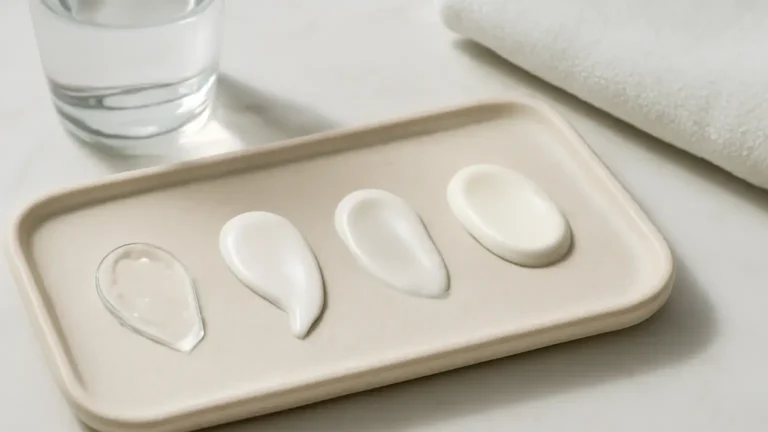
Moisturiser helps reduce tightness and supports barrier function; it does not automatically cause breakouts. Look for a non-comedogenic moisturiser with a light lotion, gel-cream or fluid texture. Ingredients such as glycerin, panthenol, hyaluronic acid, ceramides and niacinamide can support hydration, although individual tolerance always comes first.
A gel moisturiser for acne-prone skin may be comfortable in humid Indian weather or for an oily T-zone. If your cheeks are peeling, a lotion or slightly richer cream may be more suitable there. You can use different amounts by area instead of applying a thick layer across the whole face.
How to apply it
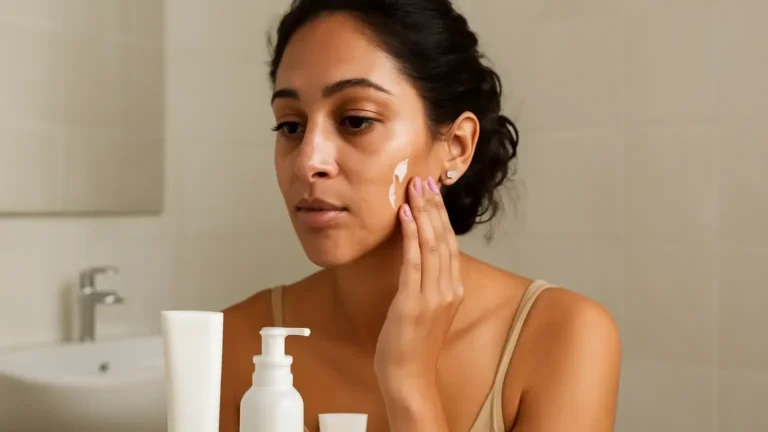
Apply moisturiser to slightly damp, not dripping-wet, skin. Use a thin layer after cleansing and add a second small layer only to areas that remain tight. If you are using a drying acne product, moisturiser can be applied before or after it depending on comfort and product directions. Patch-test new products and introduce one change at a time.
Adjust actives instead of forcing your usual schedule
Winter is a good time to review salicylic acid frequency, exfoliating toners, retinoid products or benzoyl peroxide if your skin has become sore and flaky. More frequent application is not automatically more effective. If your routine causes persistent stinging, redness, cracking or increased sensitivity, simplify it temporarily to a gentle cleanser, moisturiser and sunscreen while the skin settles.
Do not interpret every worsening reaction as “purging”. Skin purging vs irritation is not always easy to distinguish, but burning, intense itch, swelling, widespread redness and raw flaking suggest irritation rather than a useful adjustment period. Avoid adding another active to correct it. If you use prescribed acne treatment, do not stop or change it without discussing the reaction with your dermatologist or doctor.
A simple active decision guide
- Skin feels comfortable: keep your established active schedule; do not increase it just because it is winter.
- Mild tightness or occasional flakes: reduce frequency, add moisturiser and avoid other exfoliants.
- Burning, cracks or marked redness: pause non-essential cosmetic actives and focus on gentle barrier-supporting skincare; seek professional advice if it persists.
Use sunscreen even when the weather is cool
Daily sunscreen remains useful in winter because daylight and ultraviolet exposure do not disappear with cooler temperatures. Choose a broad-spectrum SPF 30 or higher product that feels comfortable enough to apply generously. For winter sunscreen for oily skin, look for fluid, gel or lotion textures rather than choosing a very matte formula that leaves your face tight.
Sunscreen can also help reduce the chance that post-blemish marks look darker over time. Apply it as the last morning skincare step and reapply when you are outdoors for extended periods, sweating or wiping your face. If one formula pills under makeup, try applying fewer skincare layers, allowing each layer to settle, or changing the sunscreen texture.
Makeup choices that support the routine
Makeup is compatible with acne-prone skin when removal and hygiene are handled well. Choose acne-safe makeup based on a comfortable, non-irritating formula rather than marketing alone. Non-comedogenic claims can be helpful, but they are not a guarantee for every person.
- Prefer a lighter base or spot concealer on days when the skin is flaky.
- Do not apply thick powder over dry patches; it can emphasise texture and encourage rubbing.
- Wash reusable sponges and brushes regularly, and avoid sharing them.
- Practise gentle makeup removal for acne-prone skin every night, followed by a mild cleanser if needed.
- Replace products according to their intended use and discard anything that changes smell, texture or causes repeated irritation.
If makeup stings, the issue may be a compromised barrier, fragrance or another ingredient rather than acne itself. Choose fragrance-free skincare while simplifying the routine, particularly around the eyes and nose.
A practical acne prone skin winter routine
Morning
- Rinse with water or use a gentle cleanser if you feel oily.
- Apply a light hydrating layer if needed.
- Use moisturiser on dry areas.
- Finish with broad-spectrum sunscreen.
Evening
- Remove makeup and sunscreen without scrubbing.
- Cleanse once with a comfortable formula.
- Use your established acne active only as often as your skin tolerates it.
- Apply moisturiser, adding a little extra to flaky zones.
This routine is a starting framework, not a treatment prescription. Your skin may need a richer moisturiser in a dry inland winter and a lighter layer in a humid coastal city. Travel, pollution, masks and indoor heating can also change what feels comfortable.
Common winter mistakes to avoid
Using hot water, scrubbing flakes, layering several acids, skipping moisturiser and choosing an overly drying sunscreen are common ways to worsen discomfort. Another mistake is replacing every product at once. When several changes happen together, it becomes difficult to identify what caused a reaction.
Introduce one product at a time, keep a simple note of where and when irritation appears, and give your routine enough time to show whether it is comfortable. Seek advice from a dermatologist or doctor for painful or deep breakouts, spreading rash, significant swelling, persistent cracking, scarring concerns or symptoms that do not improve with gentle care.
Takeaway
The best approach to acne prone skin in winter is not maximum dryness or maximum richness. Cleanse gently, moisturise with a suitable non-comedogenic texture, reduce irritating active frequency when needed, wear sunscreen and remove makeup carefully. If your face begins to sting or peel, simplify first; once it is comfortable, rebuild the routine slowly.
Products that may help with this routine
Choose only what fits your skin, hair or personal needs. Use the links below to view current options on Amazon India.
Frequently Asked Questions
How do I care for acne prone skin in winter?
Use a gentle cleanser, apply a lightweight non-comedogenic moisturiser, continue broad-spectrum sunscreen and keep acne actives at a frequency your skin tolerates. Reduce unnecessary exfoliation if you develop tightness or flaking.
What is the best moisturiser for acne prone skin in winter?
Choose a fragrance-free, non-comedogenic lotion, gel-cream or light cream with hydrating and barrier-supportive ingredients. A richer texture may suit flaky cheeks, while a gel-cream may feel better on an oily T-zone.
Can I use salicylic acid in winter for acne?
Many people can continue using salicylic acid, but winter dryness may require less frequent application. Stop adding other exfoliants if skin burns, cracks or becomes markedly red, and seek professional advice if irritation persists.
What is a good winter routine for oily acne prone skin?
In the morning, cleanse lightly if needed, moisturise selectively and apply sunscreen. At night, remove makeup and sunscreen, cleanse gently, use an established active only as tolerated, and moisturise rather than leaving the skin stripped.
How can I stop dry flaky skin around pimples?
Avoid scrubbing and hot water, reduce irritating actives, use a gentle cleanser and apply moisturiser to slightly damp skin. Persistent cracking, pain or redness deserves advice from a dermatologist or doctor.
Is gel moisturiser good for acne prone skin?
A gel moisturiser can be a comfortable choice for oily or combination acne-prone skin, especially in humid weather. If it does not relieve winter tightness, use a lotion or cream on drier areas instead.