Skin care after threading is simplest when you protect freshly exposed skin from friction, heat, strong products and sunlight. This guide is for anyone who has had facial, eyebrow or upper-lip threading and wants less redness and stinging without over-treating the area. Use a gentle cleanse, a plain moisturiser and careful sun protection; pause makeup, exfoliants, intense exercise and hot water until the skin feels calm.
Threading removes hair from the root while the cotton thread repeatedly contacts the surface of the skin. That combination can leave temporary redness, warmth, tiny raised spots or sensitivity, especially around the eyebrows, upper lip and cheeks. A simple routine is usually more helpful than a shelf full of active products.
The first 24 hours: keep the routine deliberately boring
Immediately after threading, treat the area as temporarily sensitised rather than dirty or in need of deep cleansing. Wash your hands before touching your face, then leave the skin alone for a few minutes. If there is warmth or mild facial redness, a clean cool compress held gently against the area can feel comfortable. Do not rub, press hard or place ice directly on the skin.
For a basic post-threading skincare routine, use three steps:
- Cleanse gently: If you need to wash, use lukewarm water and a mild, fragrance-free cleanser. Rinse without scrubbing and pat dry with a clean, soft towel.
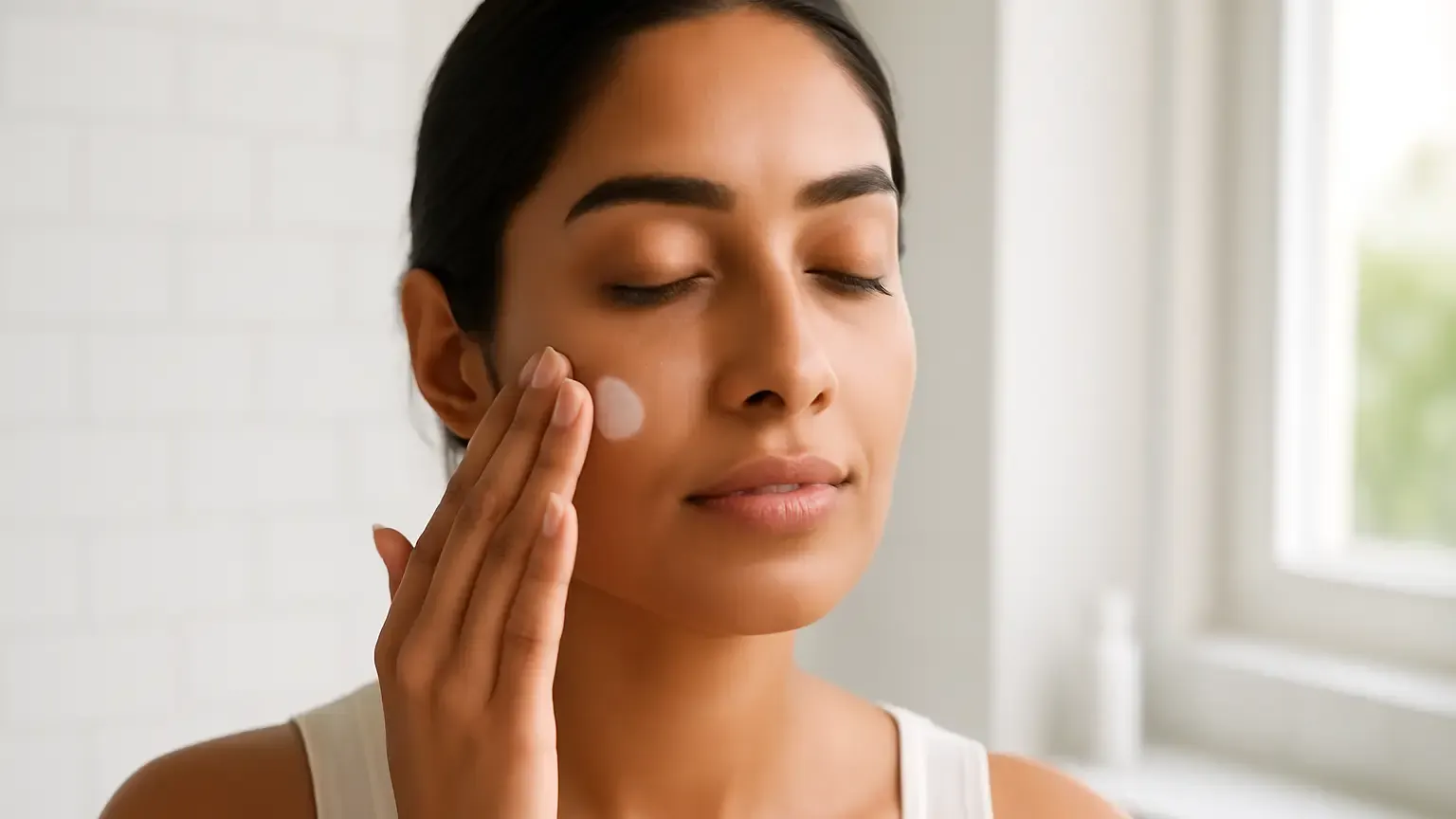
- Moisturise: Apply a thin layer of a plain, non-perfumed moisturiser. A lightweight cream or lotion is often more comfortable than a heavily fragranced product.
- Protect: During the day, use broad-spectrum sunscreen if the product does not sting. Apply it by patting rather than dragging it over the threaded area.
There is no need to apply lemon juice, toothpaste, baking soda or an untested DIY paste. These can add irritation when the skin barrier is already feeling reactive.
6 irritation triggers to avoid after threading
1. Strong skincare actives and exfoliation
Pause retinoids, exfoliating acids, scrubs, peels and strong acne treatments on the threaded area until it no longer feels tender or looks unusually red. This includes products containing glycolic acid, salicylic acid, lactic acid or benzoyl peroxide. The exact pause depends on your sensitivity and the product, but 24 to 48 hours is a sensible starting point for many people; wait longer if stinging or redness continues.
Exfoliation after threading is not a way to prevent every bump. Scrubbing too soon may create more irritation and make small follicle-related spots look worse. Resume an active gradually, and do not layer several actives together on the first day back.
2. Fragrance, essential oils and unfamiliar products
Perfume, essential oils, alcohol-heavy toners and strongly scented creams can sting freshly threaded skin. Even a product that normally suits you may feel uncomfortable immediately after threading facial hair removal. Choose familiar, uncomplicated formulas and patch-test any new product on another area before using it near the brows or upper lip.
This matters especially for threading sensitive skin. If your skin reacts easily, keep the routine to a gentle cleanser, a bland moisturiser and a sunscreen you already know you tolerate. Avoid trying a new facial, mask or brightening serum on the same day.
3. Makeup and repeated touching
Fresh makeup can introduce fragrance, pigments and bacteria to a recently threaded area, while brushes and sponges create friction. Ideally, avoid makeup after threading for the rest of the day, particularly on the brows, upper lip and any visibly irritated patch. If you must wear makeup for work or an event, wait until the skin is calm, use clean tools and remove it gently without rubbing.
Do not keep checking the area with your fingers, pick at tiny bumps or tweeze stray hairs repeatedly. Touching transfers oils and microbes and can prolong visible irritation.
4. Heat, steam and hot water
Hot showers, steam rooms, saunas and very warm compresses can intensify flushing. A hot shower after threading may also encourage you to rub the face while washing. Use lukewarm water instead, and keep steam away from the threaded area for at least the first day if your skin is prone to redness.
Gentle cooling can support threading redness relief, but do not hold a frozen pack directly against the skin. Wrap a cool pack in clean fabric, use light contact and stop if the area becomes painful or numb.
5. Sweat, friction and close-contact activities
Delay intense workouts, swimming and activities that produce heavy sweat until the skin has settled, commonly for the rest of the day. Sweat, pool chemicals, helmets, tight caps and repeated towel contact can all irritate the area. This is why exercise after threading is better planned for the following day when possible.
If you cannot postpone exercise, keep it moderate, avoid touching your face and rinse with lukewarm water afterwards. Pat dry with a clean towel rather than wiping. Change pillowcases regularly and avoid sleeping with freshly applied heavy products on the threaded skin.
6. Direct sun and unprotected outdoor time
Sun exposure can make temporary redness more noticeable and may leave discolouration after inflammation. Sunscreen after threading is useful when you are going outside, provided the formula does not burn or sting. Apply a broad-spectrum SPF 30 or higher to calm skin, or use a hat and shade while the area is sensitive.
For the question “can I use sunscreen after threading?”, the practical answer is yes if your skin tolerates it. Do not force a sunscreen that causes stinging. A familiar fragrance-free option is preferable, and mineral filters may feel more comfortable for some sensitive users, though individual tolerance varies.
What to apply after threading on the face
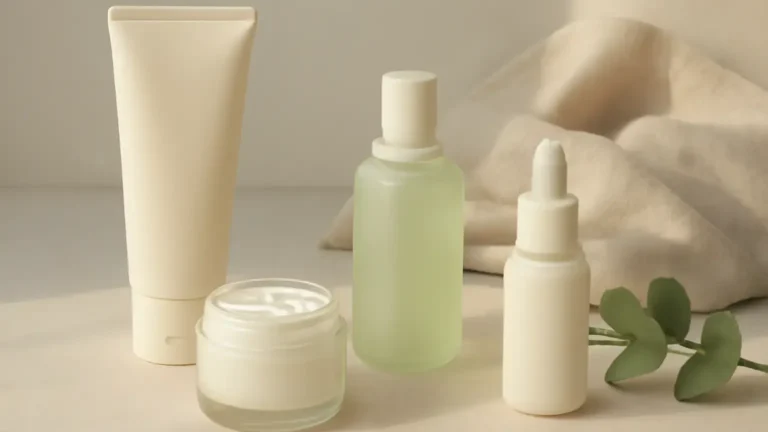
The safest choice is usually a short ingredient list. Look for a gentle cleanser and a moisturiser designed to support the skin barrier. Ingredients such as glycerin, ceramides, panthenol or squalane may be comfortable in a simple formula, but no ingredient is automatically suitable for everyone.
For “what to apply after threading on face,” avoid building a treatment stack. A moisturiser should reduce tightness without burning, itching or leaving the area heavily occluded. If a product stings for more than a brief moment, rinse it off and return to the simplest routine that feels comfortable. Do not apply antibiotic, steroid or medicated creams unless a qualified clinician has specifically advised them for you.
When can you wash your face after threading?
You can usually wash your face the same day, but timing and technique matter more than waiting for a fixed number of hours. Use clean hands, lukewarm water and a gentle cleanser. Avoid facial brushes, washcloths, scrubs and vigorous towel drying. If the area is only mildly red, a careful wash is generally enough; if it feels raw or intensely tender, minimise contact and rinse gently.
Use separate caution around the eyes. Keep cleanser and moisturiser out of the eyes, and remove contact lenses before washing if your eyes are watering or irritated. Eyebrow threading does not normally require special treatment, but swelling, severe pain or visual symptoms should not be dismissed as ordinary aftercare.
Threading bumps prevention: what helps and what does not
Small bumps can occur after hair removal because of friction, sensitivity or the normal response of the follicles. You cannot guarantee their prevention, but you can reduce avoidable triggers:
- Choose a trained professional who follows clean threading practices.
- Arrive with clean skin and mention known sensitivities or previous reactions.
- Avoid makeup, sweat, heat and fragranced products immediately afterwards.
- Do not pick, squeeze or exfoliate bumps.
- Use a clean pillowcase and keep hands away from the area.
Do not use harsh antiseptics or repeated alcohol wipes as a DIY solution. They can dry and irritate the skin without solving the underlying discomfort.
Who should take extra caution?
Take a conservative approach if you have very reactive skin, a history of contact reactions, active sunburn, open cuts, a flare of a known skin condition or recent professional exfoliation. Tell the threading professional about relevant sensitivities before the service. If the area has already been treated with a peel, laser procedure or other cosmetic treatment, follow the specific provider’s aftercare rather than combining advice from several sources.
Seek medical advice if redness is severe or spreading, pain is increasing, swelling affects the eyes or lips, blisters or pus-like drainage appear, or symptoms do not begin settling. A dermatologist or doctor can assess persistent or concerning symptoms; ordinary mild redness should gradually become less noticeable.
Quick decision guide for the day of threading
| Situation | Better choice |
|---|---|
| Skin feels mildly warm or red | Cool clean compress, gentle moisturiser and no rubbing |
| You need to cleanse | Lukewarm water, mild cleanser and patting dry |
| You must go outdoors | Tolerated broad-spectrum sunscreen, shade and a hat |
| You have a workout planned | Postpone intense exercise until the skin feels settled |
| You notice stinging after a product | Stop using it on the area and simplify the routine |
Takeaway
Good skin care after threading is mostly about restraint: cleanse softly, moisturise simply, use tolerated sun protection and avoid heat, sweat, friction, makeup and strong actives until the area is calm. Mild redness can be temporary, but worsening or persistent symptoms deserve professional advice rather than more home remedies.
Products that may help with this routine
Choose only what fits your skin, hair or personal needs. Use the links below to view current options on Amazon India.
Frequently Asked Questions
How long should I avoid makeup after threading?
Ideally, avoid makeup on the threaded area for the rest of the day. If you need it sooner, wait until the skin feels calm, use clean tools and remove makeup gently without rubbing.
Can I use sunscreen after threading?
Yes, if the sunscreen does not sting and the skin is not raw. Choose a familiar broad-spectrum SPF 30 or higher, apply gently and use shade or a hat as extra protection.
How can I soothe skin after threading naturally?
Use a clean cool compress for short periods, avoid touching the area and keep the routine fragrance-free. Do not apply lemon, toothpaste, baking soda or essential oils.
When can I wash my face after threading?
You can usually wash your face the same day with lukewarm water and a gentle cleanser. Use clean hands, avoid scrubbing and pat dry with a soft clean towel.
What should I avoid after eyebrow threading?
Avoid strong actives, exfoliation, fragranced products, hot water, steam, heavy sweating, direct sun and repeated touching until the eyebrow area feels comfortable.