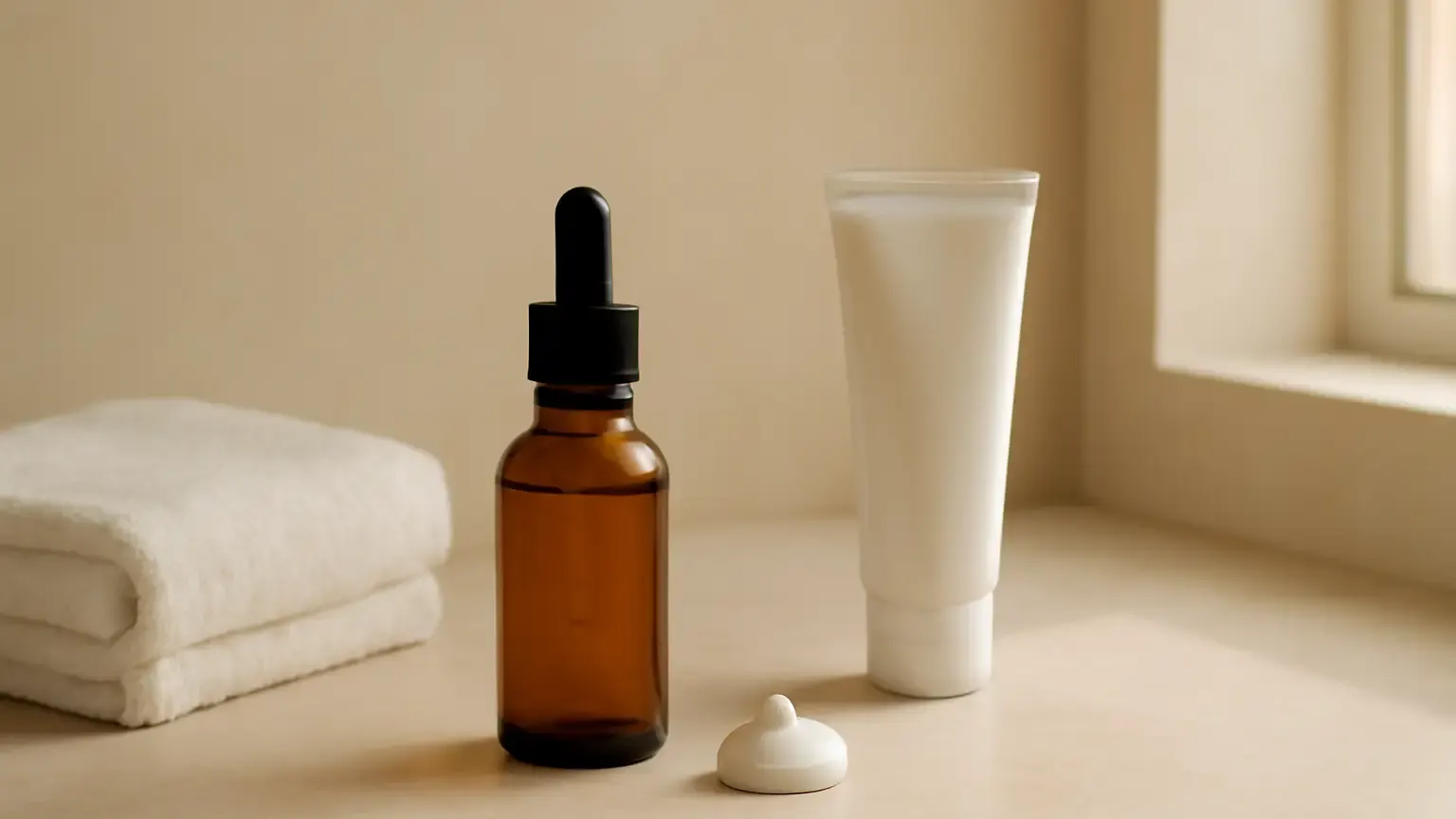
These skin care tips for retinol beginners are for anyone adding an over-the-counter retinol to a simple routine, especially if your skin is sensitive or easily dried out. Start with a low-strength formula twice weekly, use only a pea-sized amount on completely dry skin, buffer with moisturiser if needed, and wear sunscreen every morning. The aim is steady tolerance—not faster results—so you can decide calmly when to continue, reduce frequency or seek professional advice.
Retinol can be a useful addition to a beginner routine, but it is not a product to rush. It belongs to the retinoid family, which includes vitamin A-derived ingredients used in cosmetic and medical skin care. Because it can temporarily cause dryness, flaking or sensitivity, the way you introduce it matters as much as the product you choose.
These steps are general beauty guidance for over-the-counter retinol. Product instructions may differ, and anyone who is pregnant, trying to conceive or breastfeeding should ask a doctor or dermatologist whether retinoid products are appropriate before using them.
What to know before you start retinol
Retinol is different from a prescription retinoid in strength and formulation, but beginners should still treat it as an active ingredient. A higher percentage is not automatically a better choice. Look for a clearly labelled beginner retinol concentration and avoid starting several new products at the same time.
Your baseline routine should be uncomplicated:
- Morning: gentle cleanser, moisturiser if needed, and broad-spectrum sunscreen.
- Retinol night: gentle cleanser, completely dry skin, retinol, then moisturiser.
- Non-retinol nights: cleanser, hydrating products if comfortable, and barrier-supporting moisturiser.
Patch testing retinol on a small area, such as along the jawline, can help you spot an obvious reaction before applying it across the face. It cannot guarantee that irritation will not occur, so still introduce the product slowly.
7 skin care tips for retinol beginners
1. Begin with a low frequency
Use retinol once or twice a week at first, leaving several recovery nights between applications. If your skin remains comfortable for a few weeks, you may gradually move to every other night. Daily use is not a requirement for a sensible retinol beginner skin care routine.
Track how your skin feels rather than following a rigid calendar. Mild dryness may mean you need more recovery time; persistent burning, swelling or marked redness means you should pause and reassess. Increasing retinol frequency before your skin is ready can make the routine unpleasant and harder to maintain.
2. Measure a pea-sized amount
For the entire face, a retinol pea-sized amount is generally enough. Dot it lightly across the forehead, cheeks and chin, then spread a thin, even layer. Avoid the eyelids, corners of the nose, lips and any cracked or freshly irritated areas unless your product directions specifically say otherwise.
More product does not mean proportionally faster results. It can simply increase the chance of dryness and retinol irritation. Wash your hands after application, particularly if the formula is being used near the face.
3. Use moisturiser as a buffer
If your skin is dry or reactive, try the moisturiser sandwich method: apply a light layer of plain moisturiser, let it settle, use the small amount of retinol, and finish with another moisturiser layer. This can make the introduction more comfortable without requiring you to abandon the ingredient.
Alternatively, apply retinol first and moisturiser afterwards when your skin tolerates it well. Choose a simple barrier repair moisturiser with ingredients such as glycerin, ceramides or squalane. Avoid pairing the first few applications with a moisturiser that also contains exfoliating acids or other strong actives.
4. Apply it at night and protect your skin in the morning
Retinol is commonly included in a nighttime skin care routine. Cleanse gently, pat dry and wait until the skin is fully dry before applying it. Damp skin can make some active products feel more intense, which is not helpful when you are learning your tolerance.
In the morning, apply a broad-spectrum sunscreen with SPF 30 or higher, use enough for face and exposed neck, and reapply when outdoors for extended periods, sweating or wiping your face. A hat and shade add practical protection. If you skip sun protection, everyday exposure can undermine a careful routine and make visible irritation more noticeable.
5. Keep competing actives separate at first
During the adjustment phase, avoid layering retinol with every active in your cabinet. Be especially cautious with retinol and AHA BHA products, including glycolic acid, lactic acid and salicylic acid. Use these on different nights only after your skin has demonstrated good tolerance, and do not add them merely because a routine feels too simple.
Retinol and vitamin C can both have a place in a broader routine, but beginners may find it easier to use vitamin C in the morning and retinol at night. If either product causes stinging or dryness, simplify rather than trying to push through. Avoid adding scrubs, strong peels, benzoyl peroxide or another retinoid at the same time unless a qualified professional has given you specific guidance.
6. Know the difference between adjustment and a warning sign
Some people experience mild tightness, light flaking or temporary dryness when beginning. This is often discussed as retinol purging, but not every breakout or rash should be labelled that way. Irritation usually looks or feels different: burning, intense itching, swelling, painful cracking, widespread redness or discomfort that keeps worsening.
If you notice significant retinol irritation, pause the product, cleanse gently and use a bland moisturiser. Do not scrub away flakes or apply more active ingredients to correct the reaction. Once the skin feels settled, you can decide whether to restart less often, use more buffering or ask a dermatologist for product-specific advice. Stop experimenting and seek prompt medical advice for facial swelling, blistering, breathing difficulty or a severe reaction.
7. Review your routine before increasing strength
Give a new retinol routine time to settle before judging it. If your skin is comfortable after several weeks, you might increase frequency gradually, but there is no need to move to a stronger formula if the current one suits you. Consistency, sunscreen and a healthy skin barrier are more useful decision factors than chasing the highest percentage.
Keep a short note of application dates, other actives and symptoms. This makes it easier to identify whether a reaction followed retinol, an exfoliant, a new cleanser or environmental dryness. If you have eczema-prone, very sensitive or persistently acne-prone skin, a dermatologist can help you choose a suitable approach without diagnosing yourself through trial and error.
A simple beginner routine by skin comfort
| Skin response | What to do next |
|---|---|
| Comfortable, no ongoing dryness | Continue once or twice weekly; consider a slow move to alternate nights only after several weeks. |
| Mild tightness or light flaking | Reduce frequency, use the moisturiser sandwich method and keep other actives separate. |
| Persistent burning, swelling or painful redness | Pause retinol and seek advice from a dermatologist or doctor, especially if symptoms continue. |
For a retinol beginner routine for sensitive skin, the safest practical version is often cleanser, moisturiser and sunscreen as the foundation, with retinol added sparingly on a separate night. You do not need a ten-step routine to introduce one active ingredient responsibly.
Common mistakes to avoid
- Starting every night: tolerance is individual, and rapid escalation can create avoidable dryness.
- Using too much: a thin, even pea-sized layer is preferable to a thick application.
- Applying to wet skin: let the face dry after cleansing before using retinol.
- Stacking actives: separate exfoliating acids and other potentially irritating products while you learn tolerance.
- Skipping sunscreen: morning sun protection is a core part of responsible active-ingredient care.
- Calling every breakout purging: painful, itchy or worsening symptoms deserve a pause and possibly professional review.
Concise takeaway
The best skin care tips for retinol beginners are simple: choose a modest strength, start once or twice weekly, use a retinol pea-sized amount on dry skin, moisturise, separate other strong actives and apply sunscreen every morning. If discomfort persists or looks severe, pause and consult a dermatologist rather than forcing your way through it.
Products that may help with this routine
Choose only what fits your skin, hair or personal needs. Use the links below to view current options on Amazon India.
Frequently Asked Questions
How often should beginners use retinol?
Start once or twice a week on non-consecutive nights. If your skin remains comfortable for several weeks, you can gradually increase to every other night, but daily use is not essential.
How do you use retinol with moisturiser?
Apply retinol to clean, completely dry skin and follow with moisturiser. If you are dry or sensitive, use the moisturiser sandwich method: moisturiser, retinol, then another light layer of moisturiser.
Can you use retinol with vitamin C?
Many people use vitamin C in the morning and retinol at night to keep the routine simple. If the combination causes dryness or stinging, use them on separate days or simplify the routine.
What should you do if retinol irritates your skin?
Pause retinol, avoid scrubs and other strong actives, and use a gentle cleanser with a bland moisturiser. Seek dermatologist or doctor advice if burning, swelling, painful cracking or marked redness persists.
Should you wear sunscreen with retinol?
Yes. Use broad-spectrum SPF 30 or higher every morning, reapplying during prolonged outdoor exposure. Hats and shade provide additional protection.
What is a good retinol beginner routine for sensitive skin?
Keep the foundation to a gentle cleanser, barrier-supporting moisturiser and daily sunscreen. Add a low-strength retinol once weekly on dry skin, buffer with moisturiser if needed, and increase only when your skin is comfortable.



