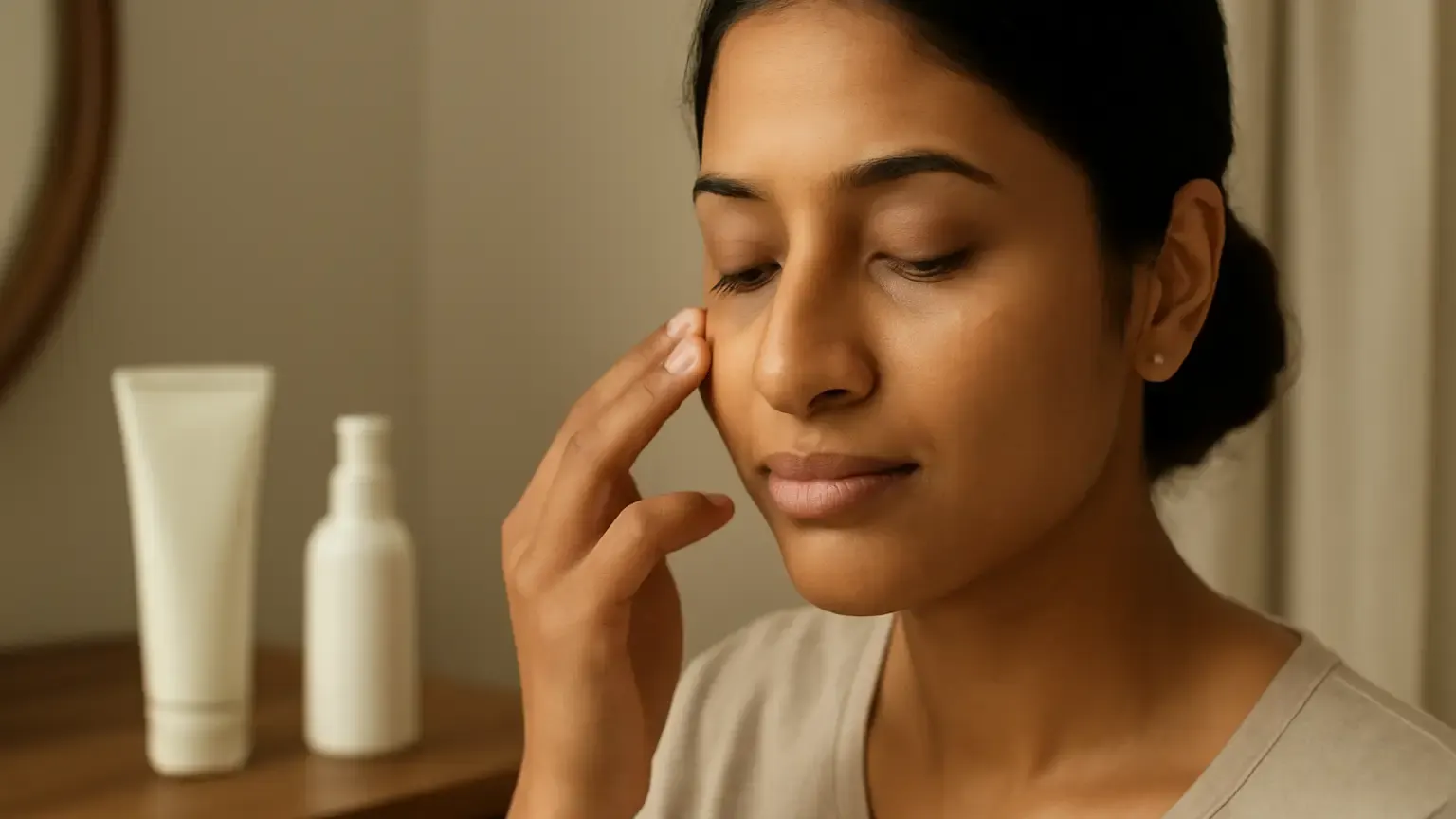
These skin care tips for under eye care are for anyone whose delicate eye area feels dry, stings after products or looks tired. Keep the routine simple: cleanse without rubbing, moisturise with a low-irritant formula, protect the area from UV exposure and remove makeup thoroughly. Puffiness and visible darkness may improve modestly when triggers and habits are addressed, but no cream can guarantee a complete change in anatomy, pigmentation or sleep-related shadows.
The skin around the eyes is thinner and more mobile than much of the face, so it can react to friction, fragrance, sweat and strong active ingredients sooner. That does not mean you need a crowded shelf or a separate product for every concern. A careful routine is usually built around three priorities: preserve the skin barrier, limit avoidable irritation and use sun protection consistently.
1. Cleanse gently, not aggressively
Start with clean hands and a mild gentle eye cleanser or a face cleanser that does not sting. Use lukewarm water rather than very hot water. If you are removing kajal, mascara or long-wear liner, hold a damp cotton pad over the closed eyelid for several seconds so the product loosens before wiping downward or outward.
Do not scrub back and forth, stretch the skin or use a rough towel. The aim is to lift residue, not create a squeaky sensation. If cleanser repeatedly gets into your eyes or causes watering, switch to a simpler formula and rinse carefully. People who wear contact lenses should remove them according to their usual lens-care instructions before using makeup remover or cleansing products near the eyes.
2. Build a simple under eye moisturiser routine
A practical under eye moisturiser routine can be as short as cleanse, moisturise and protect. Apply a small amount of a lightweight, fragrance-free eye cream or a bland facial moisturiser to the orbital bone—the area around the eye socket—rather than pushing product directly into the lash line.
Use your ring finger or little finger and tap gently. More product is not more effective; excess cream can migrate into the eyes and cause watering, especially in warm Indian weather. Ingredients such as glycerin, hyaluronic acid and ceramides can support hydration, while a modestly occlusive texture may reduce moisture loss. Choose based on comfort and tolerance rather than a long ingredient list.
How to introduce a new product
Patch test a small amount on another discreet area first, then introduce the product on one side of the face for a few uses if you are particularly reactive. A patch test cannot predict every eye-area reaction, but it is a useful precaution. Avoid applying a new eye product immediately before an important event, and stop using it if you experience persistent burning, swelling or a rash.
3. Apply sunscreen without forcing it into the eyes
UV exposure can make uneven pigmentation look more noticeable and can contribute to long-term skin ageing. Apply your regular facial sunscreen carefully around the orbital area, following its label and keeping it away from the waterline. A under-eye sunscreen does not have to be a separate product if your facial sunscreen feels comfortable there.
If chemical filters sting, a mineral sunscreen containing zinc oxide or titanium dioxide may be worth considering, although any sunscreen can irritate an individual person. Tinted formulas can also help reduce the visible cast that some mineral products leave on deeper skin tones. Reapply when you are outdoors, sweating or wiping your face, and add sunglasses and a hat for stronger protection.
Apply sunscreen after moisturiser in the morning. If it pills, reduce the amount of moisturiser underneath, allow each layer to settle, or change the product combination. Never rub firmly to correct pilling; that defeats the purpose of a low-irritation routine.
4. Treat makeup removal as a separate step
Thorough makeup removal matters because leftover pigment, waterproof film and cleansing friction can all become irritating. For eye makeup, choose a dedicated eye makeup remover that suits your makeup type. An oil-based or bi-phase remover may loosen waterproof mascara more efficiently than repeated rubbing, but it should still be used carefully and rinsed if the instructions recommend it.
Close the eye, hold the soaked pad in place, then gently sweep in one direction. Use a fresh section of the pad for the other eye to avoid moving residue around. Cotton buds can help with a small liner mark, but do not use them inside the eye or along the waterline. Clean makeup brushes regularly and replace old mascara according to the product’s usage guidance.
5. Reduce habits that commonly trigger irritation
Eye rubbing is one of the easiest habits to overlook. It can worsen temporary redness, disturb makeup and increase friction on already delicate skin. If your eyes feel itchy or gritty, pause before rubbing and consider whether smoke, dust, pollen, dry air, contact lens discomfort or a new cosmetic is involved. A cool, clean compress over closed eyes may feel soothing for temporary puffiness, but it should not be used as a substitute for professional advice when symptoms persist.
Other common triggers include heavily fragranced products, essential oils near the eyes, strong exfoliating acids, retinoids applied too close to the eyelids, glitter particles and repeatedly layering several new products. Keep hair products, facial sprays and perfume away from the eye area. Wash your hands before applying creams and avoid sharing eye makeup.
For people with sensitive skin, a short routine is easier to monitor. Add only one new item at a time, record when irritation begins and avoid “pushing through” burning. Mild tingling is not a requirement for a product to work.
6. Set realistic expectations for puffiness and visible darkness
Puffiness can be more noticeable after poor sleep, crying, salty meals, heat or prolonged screen time, and it may vary from morning to evening. Gentle cooling, adequate rest and avoiding rubbing may make the area look temporarily calmer. Caffeine-based eye products can give a short-term refreshed appearance for some people, but they are not a permanent fix.
Visible darkness has several possible contributors, including genetics, natural skin tone, shadows from the tear trough, sun exposure, post-irritation colour and tired-looking skin. Moisturiser can improve dryness and texture, while sunscreen can help prevent UV-related darkening. Neither guarantees that the underlying shadow or pigmentation will disappear.
Take comparison photos in similar daylight and at the same time of day if you want to assess a routine. Look for less stinging, reduced dryness and a more comfortable feel before judging small visual changes. Be cautious of products promising instant brightening or dramatic transformation.
A quick morning and night routine
Morning
- Wash your hands and cleanse only as much as needed.
- Apply a small amount of moisturiser around the orbital bone.
- Use comfortable facial sunscreen around the area, avoiding the waterline.
- Add sunglasses outdoors and reapply sunscreen after sweating or wiping.
Night
- Remove contact lenses safely if you wear them.
- Loosen eye makeup with a suitable remover instead of scrubbing.
- Cleanse gently and pat dry.
- Apply moisturiser, keeping it away from the lash line if products tend to migrate.
When to simplify the routine or seek advice
If a product stings, stop that product and return to the basics your skin already tolerates. Persistent redness, marked swelling, pain, discharge, vision changes or symptoms that keep returning deserve advice from a dermatologist, doctor or eye-care professional. This is especially important if discomfort affects contact lens use or does not settle after removing a suspected cosmetic trigger. Do not use prescribed eye medication or stop prescribed care based on general beauty advice.
Takeaway
The most reliable skin care tips for under eye care are gentle cleansing, a modest moisturiser, careful sunscreen application, thorough makeup removal and less rubbing. Choose comfort over aggressive actives, introduce products slowly and judge results realistically. A calm, consistent routine can support the skin barrier, even when puffiness or visible darkness has causes that skincare alone cannot change.
Products that may help with this routine
Choose only what fits your skin, hair or personal needs. Use the links below to view current options on Amazon India.
Frequently Asked Questions
How should you care for the skin under your eyes?
Cleanse gently with lukewarm water, remove makeup without rubbing, apply a small amount of fragrance-free moisturiser around the orbital bone and use comfortable sunscreen around the area. Avoid fragrance, harsh actives and repeated rubbing.
What is the best under eye moisturiser routine?
In the morning and evening, apply a small amount of a well-tolerated, fragrance-free moisturiser to clean skin around the orbital bone. Keep it away from the lash line if it migrates into your eyes, and introduce new products slowly.
How do you apply sunscreen under the eyes without irritation?
Use a facial sunscreen that feels comfortable, apply it carefully around the orbital area but not the waterline, and avoid rubbing. If chemical sunscreens sting, consider trying a mineral sunscreen and add sunglasses for extra protection.
How do you remove eye makeup gently?
Close the eye, hold a suitable eye makeup remover on a cotton pad for several seconds, then sweep gently in one direction. Avoid scrubbing, stretching the eyelid or using cotton buds inside the eye.
Can skincare reduce under-eye puffiness?
Skincare may temporarily improve dryness or the appearance of puffiness, and a cool compress may feel soothing. Sleep, heat, crying and individual anatomy also affect puffiness, so creams cannot guarantee a permanent change.



