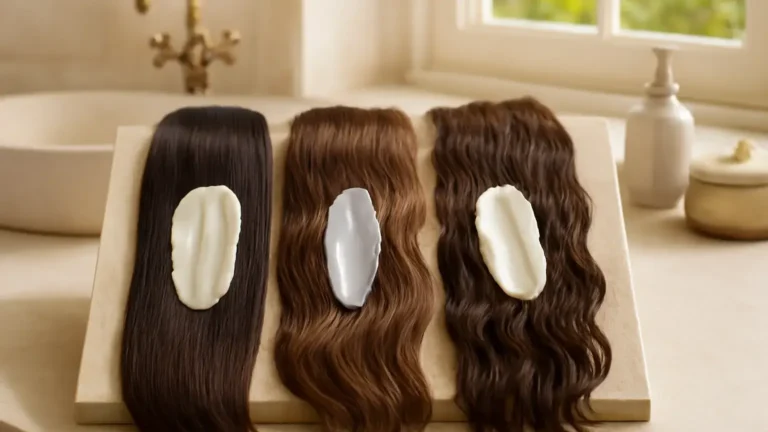
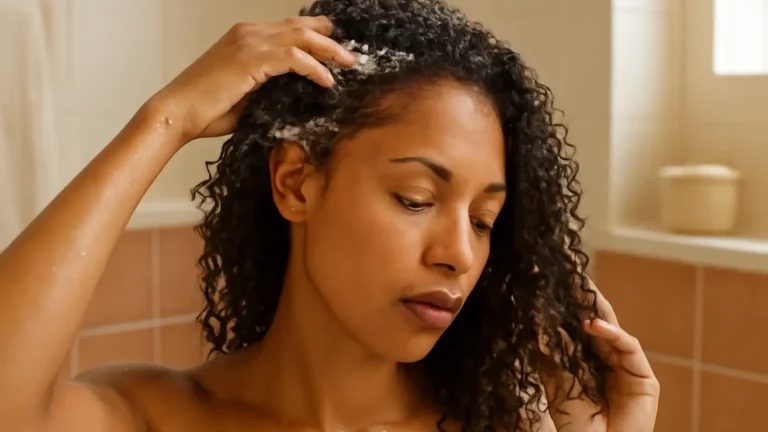
Hair care routines for busy mornings work best when they begin with your hair’s actual condition, not a long product list. This guide gives office-goers, students and parents three ten-minute routes: a smooth styling plan for fresh hair, a second-day hair refresh, and a gentle routine for naturally textured hair. Each path prioritises quick detangling, targeted moisture and low-tension styling, so you can choose a polished, comfortable finish without rushing through damaging brushing or excessive heat.
A useful morning routine is not necessarily the one with the most steps. It is the one that matches whether your hair is freshly washed, carrying yesterday’s style, or naturally curly, coily or wavy. The right approach can save time while reducing unnecessary pulling, repeated brushing and heat exposure.
Start with a 30-second hair assessment
Before reaching for a brush, check three things:
- Condition: Is the hair damp, oily at the roots, dry at the ends or flattened from sleep?
- Texture: Is it straight, wavy, curly, coily, fine, dense or a mixture of patterns?
- Finish needed: Do you need a neat ponytail for work, loose definition for college, or simply less frizz and fewer flyaways?
This short check decides which of the three routes below will be fastest. Avoid brushing every section automatically. Hair that is already smooth may only need a light mist and a few targeted adjustments, while textured hair usually benefits from moisture and finger separation rather than dry brushing.
Route one: fresh hair in ten minutes
This ten-minute hair routine suits hair that has been washed and is clean, damp or nearly dry. The aim is controlled drying and simple shaping, rather than recreating a salon blow-dry.
Minutes 0–2: remove excess water gently
Press the hair with a soft microfibre towel or a clean cotton T-shirt. Do not rub it vigorously, as rough friction can increase frizz and make strands harder to manage. If the hair is dripping wet, use your fingers to divide it into two or four loose sections.
Minutes 2–4: add targeted moisture
Apply a small amount of leave-in conditioner from the mid-lengths to the ends, keeping the scalp area mostly clear unless the product is specifically designed for it. Fine hair needs very little; thick or dry ends may need a little more. A lightweight detangling spray can be useful when knots form easily.
Minutes 4–6: detangle from the ends upward
Use a wide-tooth comb or flexible detangling brush. Hold the hair above a knot to reduce tension at the roots, then work from the tips upwards. This is a simple hair breakage prevention habit: it avoids forcing a knot through the entire length.
Minutes 6–10: choose a low-effort finish
For a straight or wavy finish, allow the hair to air-dry as much as possible and use a hair dryer on a moderate setting only where needed. Direct airflow downward along the hair shaft if you are smoothing the surface. Alternatively, make a low ponytail or loose braid while the hair is still slightly damp. These are practical examples of heatless hair styling when time is short.
Use a tiny amount of anti-frizz serum only on dry-looking ends or visible flyaways. Too much near the roots can make clean hair look flat.
Route two: second-day hair in ten minutes
A second-day hair refresh is usually more efficient than washing hair that only looks slightly flattened. This route suits people with mild root oiliness, sleep-related creases or dry ends that still feel manageable.
Minutes 0–2: reset the shape
Remove the previous night’s scrunchie or braid and shake the hair gently at the roots. If there is a strong parting, change it slightly rather than repeatedly brushing the same flattened area. Use clean fingers to separate sections.
Minutes 2–4: refresh only what needs it
Mist a little water or a lightweight refresh spray onto flattened lengths. For dry ends, smooth a small amount of leave-in conditioner between wet palms and press it onto the last few centimetres. If the roots are oily, use a dry shampoo sparingly according to its label, allow it to sit briefly, and then massage or brush it through. Do not use it as a substitute for regular cleansing.
Minutes 4–7: manage the visible areas
Quick detangling does not mean combing the whole head aggressively. Focus on the front hairline, crown and ends that will remain visible. A soft brush can smooth the surface, while fingers are often better for preserving waves or curls.
Minutes 7–10: secure without pulling
Choose one of these low-tension hairstyles:
- A low ponytail secured with a fabric-covered tie.
- A loose claw-clip twist with the ends tucked or left out.
- A relaxed side braid for hair that is slightly tangled or uneven.
- A half-up style that keeps the front neat while leaving the lengths loose.
Move the position of a ponytail or clip from day to day. Repeated tension in exactly the same place may make the scalp feel uncomfortable and can contribute to avoidable breakage around the hairline.
Route three: naturally textured hair in ten minutes
This natural hair routine is for wavy, curly and coily textures that need moisture and shape preservation. The goal is not to make every strand identical. It is to revive the existing pattern with as little disturbance as possible.
Minutes 0–2: rehydrate selectively
Lightly mist the hair with water, concentrating on flattened or frizzy sections rather than soaking the entire head. If your hair responds well to it, mix a small amount of leave-in conditioner into the water in your palm before applying. Avoid adding product automatically to areas that already feel moisturised.
Minutes 2–5: separate with fingers
Use your fingers to loosen surface tangles, beginning at the ends. For a stubborn knot, add more slip with water or a detangling product before working through it. Dry brushing can break up curl clumps and create unnecessary frizz, so reserve a wide-tooth comb for situations where the hair genuinely needs thorough detangling.
Minutes 5–8: reshape the pattern
Scrunch waves or curls upwards with open palms. For coily hair, gently coil a few front sections around a finger if they need definition. Apply a small amount of styling cream or gel only where the pattern has collapsed. This targeted method is quicker and avoids product build-up across the whole head.
Minutes 8–10: set a protective finish
Leave the hair loose if it is already comfortable, or choose a loose puff, low bun or two relaxed twists. Use a satin scrunchie where possible and avoid tying textured hair tightly while it is wet. If the hair is very dense, divide it into larger sections rather than repeatedly manipulating small strands.
How to choose the right route
| Morning situation | Best route | Priority |
|---|---|---|
| Freshly washed or damp hair | Route one | Gentle drying, moisture and simple shaping |
| Flattened but otherwise manageable hair | Route two | Root refresh, selective smoothing and easy styling |
| Waves, curls or coils needing revival | Route three | Water, slip, finger detangling and pattern preservation |
Hair density and porosity also matter. Fine, low-porosity hair may become weighed down by rich creams, while dense or highly porous hair may need more water and conditioning for manageable detangling. Adjust the amount, not necessarily the number of steps.
Build a small morning hair kit
Keep only the tools that solve a real problem. A practical kit may include a wide-tooth comb, a water mister, a lightweight leave-in conditioner, a fabric-covered tie or satin scrunchie, and a small amount of anti-frizz serum. People with textured hair may also prefer a styling cream or gel for selective reshaping.
Choose scalp-friendly hair products with labels and textures that suit your routine. Fragrance, rich oils or heavy styling ingredients may not feel comfortable for everyone, so introduce one new product at a time. Product residue, itching or persistent scalp discomfort is a reason to simplify the routine and seek professional advice if it continues.
Common mistakes that waste time
- Starting with dry, tangled ends: Add water or conditioner for slip before combing.
- Using too much product: Begin with a small amount and add only if necessary.
- Brushing textured hair dry: This can disturb definition and increase frizz for many hair types.
- Relying on high heat every morning: Use moderate heat and keep the dryer moving when heat is necessary.
- Tying hair tightly: A loose style is usually more comfortable and supports lower-tension styling.
- Refreshing every strand: Focus on visible problem areas to protect time and moisture balance.
Plan the night before for an easier morning
The quickest hair routine often starts before bed. Detangle gently, allow hair to dry before tying it, and use a loose braid or satin scrunchie if that suits your texture. Place your comb and styling product together so the routine does not become a search for missing tools. If you wash at night, remove excess water with a soft towel and avoid sleeping with hair tightly secured while wet.
For humid weather hair care, keep styles flexible rather than chasing a perfectly flat finish. A little natural movement is easier to maintain than repeatedly applying serum or heat when the air is damp, including during monsoon weather.
Takeaway
The most effective hair care routines for busy mornings are condition-led: use a fresh-hair route after washing, refresh rather than rewash manageable second-day hair, and use water plus gentle reshaping for naturally textured hair. In all three cases, quick detangling, modest product use and low-tension hairstyles deliver a more reliable ten-minute finish than aggressive brushing or excessive heat.
Products that may help with this routine
Choose only what fits your skin, hair or personal needs. Use the links below to view current options on Amazon India.
Frequently Asked Questions
What is the best hair routine for rushed mornings?
Assess whether your hair is fresh, second-day or naturally textured, then use the matching ten-minute route. Focus on targeted moisture, gentle detangling and a low-tension style rather than trying to restyle every strand.
How do I refresh second-day hair in ten minutes?
Loosen the roots with your fingers, mist flattened lengths with water, refresh oily roots sparingly if needed, smooth only visible tangles and finish with a loose ponytail, braid, claw-clip twist or half-up style.
How do I care for naturally textured hair in the morning?
Lightly mist flattened areas, add a small amount of leave-in conditioner if more slip is needed, finger-detangle from the ends, scrunch or reshape the pattern, and use a loose style that does not pull.
How can I detangle my hair quickly without breakage?
Apply water or a conditioner-based product for slip, divide the hair into manageable sections, hold each section above the knot and work from the ends upward with your fingers or a wide-tooth comb.
What low-tension hairstyles are good for busy mornings?
Loose low ponytails, relaxed braids, claw-clip twists, half-up styles and soft low buns are practical choices. Change the position regularly and avoid tight ties that pull at the hairline.
How do I reduce frizz in humid weather quickly?
Use a small amount of leave-in conditioner or anti-frizz serum on damp or dry lengths, avoid rough towel friction, preserve natural texture and choose a flexible style rather than repeatedly brushing or applying heat.