October Fashion Trends India are easiest to wear when you balance airy fabrics with one polished layer. For women dressing for pujas, lunches, engagements or evening family gatherings, the most reliable choices are cotton-silk sarees, refined kurta sets, fluid anarkalis, shararas, and light festive separates. Choose the fabric and sleeve length for the time of day, then add one structured accessory or layer so the outfit remains comfortable in afternoon warmth and presentable when temperatures dip after sunset.
How to dress for an Indian family function in October
October sits between seasons in much of India. Afternoons can still feel humid in cities such as Mumbai, Chennai and Kolkata, while mornings and evenings may be noticeably cooler in Delhi, Jaipur, Lucknow and Bengaluru. A successful festive outfit therefore needs more than colour or ornamentation: it should allow airflow, resist creasing where possible and adapt without looking unfinished.
Start with three decisions. First, identify the function and its dress code: a daytime puja usually calls for lighter embellishment than an evening reception. Second, consider the venue. An outdoor gathering needs breathable fabric and comfortable footwear, while an air-conditioned banquet hall makes a light stole or jacket useful. Finally, choose a base outfit that works on its own, then add a removable layer or accessory for polish.
These family function outfit ideas use Indian ethnic wear in practical ways, with options for different comfort levels, body proportions and degrees of formality.
1. Cotton-silk saree with a crisp blouse
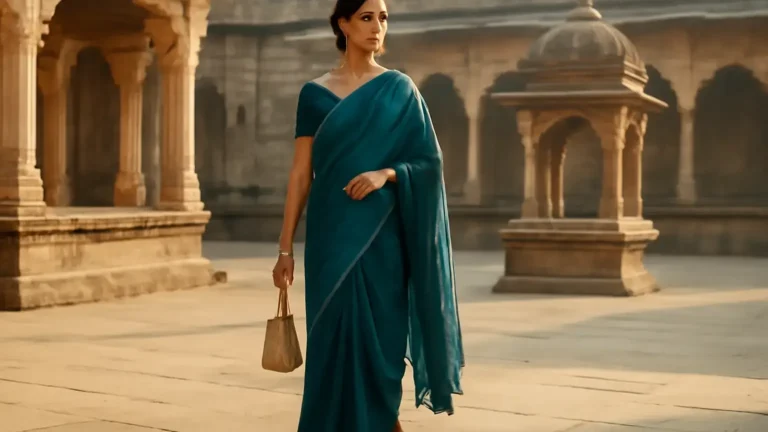
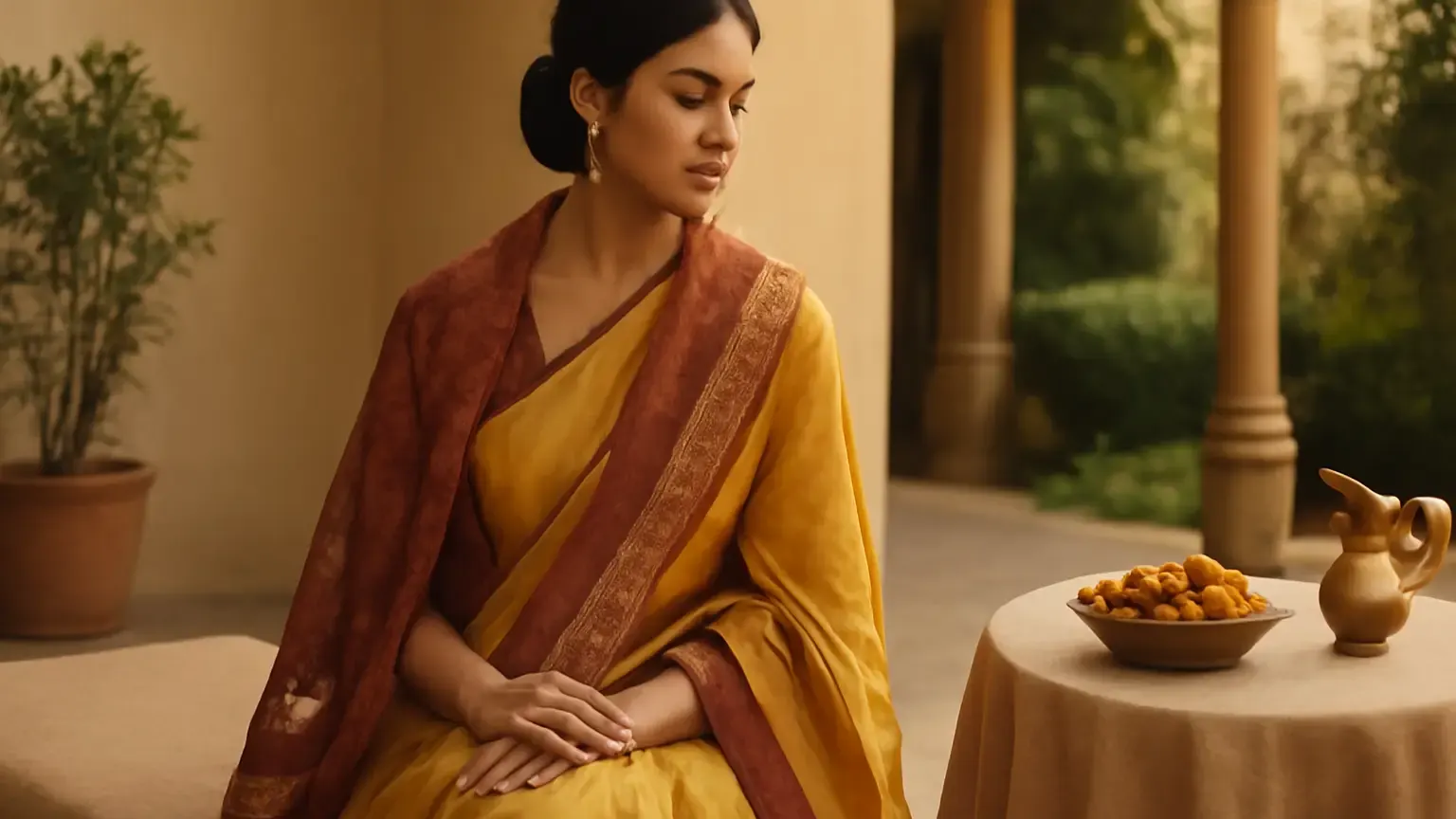
A cotton-silk saree is one of the most dependable choices for a daytime puja, family lunch or intimate festive gathering. It has more structure and sheen than everyday cotton, but generally feels less heavy than a densely embroidered silk saree. Look for a medium-weight weave with a clean drape rather than excessive stiffness.
Pair a muted saree with a blouse in a related jewel-tone colour, such as emerald, wine, sapphire or deep teal. A short-sleeved or elbow-length blouse keeps the look comfortable in warm weather. If the venue is formal, add a slim waist belt or a small brooch; avoid piling on a necklace, large earrings and a heavily decorated border at the same time.
- Best for: daytime celebrations, mature styling and guests who prefer a classic silhouette.
- Fabric choice: cotton silk, handloom cotton silk or a light linen-silk blend.
- Finish with: jhumka earrings, a compact potli bag and low block heels or embellished flats.
2. Printed kurta set with a lightweight dupatta
A printed kurta set is an easy answer when you want comfortable occasion wear without looking overly dressed. Choose a straight or gently flared kurta with coordinated trousers or narrow pants. Block prints, small florals, geometric motifs and restrained metallic details work well for family lunches and daytime ceremonies.
For kurta set styling, let the dupatta provide the festive element. A plain cotton or rayon-blend base can look more occasion-ready with a chanderi, organza or tissue dupatta that has a narrow border. Drape it over one shoulder for a longer vertical line, or keep it loose around the elbows if you expect to move around and greet guests.
To make the outfit suitable for day-to-evening dressing, carry statement earrings and apply them only when the event becomes more formal. A small change of footwear from flat sandals to low heels can also shift the look without requiring a full outfit change.
3. Fluid anarkali with a cropped festive jacket
A lightweight anarkali provides movement and coverage while avoiding the cling of close-fitting separates. Choose a cotton-silk, modal, chanderi or soft viscose style with a defined shoulder and moderate flare. Very full, layered versions can feel warm and cumbersome, especially at outdoor events.
Add a cropped jacket in brocade, raw silk or a breathable woven fabric. This is useful lightweight layering: the jacket can be removed during a warm afternoon and worn later when the air cools. Keep the jacket shorter than the widest point of the anarkali so the proportions remain clear. If the dress has a printed or textured surface, select a solid jacket; if the base is plain, a subtle woven motif adds interest.
This formula suits guests who want more coverage at the arms or torso, but it may not be the best choice for very humid venues if both layers are lined heavily. Check the garment’s inner lining before buying, and favour cotton voile or a breathable lining over thick synthetic fabric.
4. Sharara set with a streamlined kurta
A sharara set creates a festive silhouette without the restrictive feel of a fitted lehenga. For October, select wide-leg trousers in a fluid fabric and pair them with a short or mid-length kurta that does not have too many layers. A light georgette, crepe or cotton-silk blend can provide movement while remaining easier to manage than heavy velvet or multiple stiff net panels.
Keep the rest of the outfit edited. If the sharara has a decorated hem, choose a simple kurta and a narrow-border dupatta. If the kurta carries mirror work or thread embroidery, let the trousers remain relatively clean. This balance is particularly useful for October wedding guest outfits, where you want to look celebratory without competing with the wedding party.
Wear the set with cushioned juttis or block heels that are stable enough for standing. Test the trouser length with your chosen footwear before the event; a hem that drags on wet ground or catches under a heel can quickly make a festive outfit impractical.
5. Lightweight lehenga with a breathable blouse
For an engagement, sangeet or larger evening function, a lightweight lehenga gives more glamour while remaining manageable in October. Choose a skirt with a limited number of panels, soft gathers or fluid pleats rather than several stiff underskirts. Chanderi, lightweight silk, georgette and cotton-silk blends are useful alternatives to heavily layered net.
The blouse should be comfortable enough to wear for several hours. A breathable lining, wider straps or elbow-length sleeves can make a meaningful difference. Add a dupatta in organza or a light woven fabric, but pin only one shoulder and keep the other side free if you expect to dance, eat or move between rooms.
Use festive accessories strategically: choose either a prominent necklace or noticeable earrings, then add a slim bangle stack. A small potli or shoulder bag in a related shade keeps essentials close without interrupting the lehenga’s line.
6. Monochrome kurta, trousers and statement stole
A monochrome kurta-and-trouser combination is a polished option for women who prefer contemporary dressing or need an outfit that travels well. Cream, rust, olive, indigo, plum and deep pink can all work for October, depending on the time of day and your existing wardrobe. A tonal base also makes accessories easier to coordinate.
Add a statement stole in bandhani, block print, ikat or a fine woven textile. This is a practical way to bring colour and occasion detail without wearing a heavily embellished outfit. For a daytime event, select a cotton-silk or linen-blend stole. For an evening gathering, a fine metallic border or restrained zari detail can increase formality while keeping the layer removable.
This look works especially well for weather-ready fashion because each piece can be adjusted independently. Roll the sleeves or remove the stole in the heat; add a short sleeveless jacket or shawl-style wrap after sunset. Select trousers with a comfortable waistband if the event includes a long meal.
Choosing fabrics, colours and accessories for October
Prioritise breathable festive fabrics
Fabric weight matters as much as fibre content. Cotton, cotton silk, chanderi, linen blends and soft viscose are often comfortable for daytime functions, but a garment’s weave, lining and embellishment also affect ventilation. Dense embroidery, multiple polyester layers and tight synthetic linings can feel warm even when the outer fabric appears light.
For a simple fabric test, hold the garment away from your body and check whether air can move through the weave. Then inspect the underarm, waist and neckline lining, which are the areas most likely to feel uncomfortable first. If you are attending an outdoor function, avoid choosing an outfit based only on its evening appearance.
Use colour to set the level of formality
Soft ivory, peach, sage, powder blue and dusty pink suit morning and afternoon events. Jewel-tone colours such as emerald, cobalt, ruby and plum create a richer evening impression. Metallic accents can be attractive, but one controlled detail usually looks more refined than metallic fabric, sequins and glittering jewellery together.
Select accessories for movement
Festive dressing should accommodate real activities: sitting on the floor, greeting relatives, carrying a phone and walking across uneven surfaces. Choose earrings that do not pull, bags with a secure closure and shoes with a stable sole. If you wear bangles, keep enough wrist movement to eat comfortably. A low block heel, embellished flat or cushioned mojari is generally more practical than a very high heel for a long family event.
A simple October outfit planning routine
- Check the timing: select lighter fabrics and softer colours for daytime; reserve deeper tones and modest shine for evening.
- Check the temperature gap: pack a stole, cropped jacket or light shawl if the event runs from afternoon into night.
- Try the full outfit: sit, walk, lift your arms and wear the intended footwear before finalising the look.
- Edit the accessories: choose one focal point—earrings, necklace, dupatta or bag—and keep the remaining pieces quieter.
- Prepare for practical details: use breathable inner layers, fashion tape where needed and a small safety pin kit for sarees or dupattas.
Common mistakes to avoid
The most frequent mistake is confusing visual lightness with actual comfort. A sheer outer layer over a thick synthetic lining may look airy but feel warmer than a cotton-silk garment. Another is selecting a dramatic outfit without considering the venue: a heavily flared lehenga can be difficult at a crowded home gathering, while a very plain kurta may feel underdressed at a formal evening reception.
Avoid buying a new silhouette immediately before the function without testing its fit and movement. Also avoid matching every accessory exactly to the outfit. Contrast through texture—a woven bag with a smooth kurta, or metallic earrings with a printed saree—usually creates a more considered result.
Quick takeaway
The most useful October Fashion Trends India choices are adaptable rather than merely decorative. Begin with a breathable base, add only the amount of embellishment the event requires and carry one removable layer for temperature changes. Cotton-silk sarees, printed kurta sets, fluid anarkalis, shararas, lighter lehengas and monochrome separates can all look festive when their proportions, fabric weight and accessories are chosen for the occasion.
Products that may help with this routine
Choose only what fits your skin, hair or personal needs. Use the links below to view current options on Amazon India.
Frequently Asked Questions
What to wear to an Indian family function in October?
Choose a breathable kurta set, cotton-silk saree, fluid anarkali or lightweight sharara. Match the fabric and embellishment to the time of day, and carry a stole or cropped jacket for cooler evenings.
What are the best October outfits for family functions in India?
The most versatile options are a cotton-silk saree, printed kurta set, lightweight anarkali, streamlined sharara, soft lehenga or monochrome kurta with a statement stole. Each can be adjusted for venue and temperature.
What are breathable Indian outfits for October weather?
Cotton-silk, chanderi, linen blends, light cotton and soft viscose are useful choices. Look beyond the outer fabric and check that the lining, embroidery and number of layers do not trap heat.
How do you layer ethnic wear in October?
Start with a breathable base and add a removable organza dupatta, woven stole, cropped jacket or light shawl. Keep the outer layer easy to remove and avoid thick synthetic linings for warm daytime events.
What should I wear as a wedding guest in India in October?
For a daytime wedding, consider a printed kurta set, cotton-silk saree or light anarkali. For evening celebrations, choose a lighter lehenga or sharara with controlled embellishment and comfortable footwear.