Seasonal Hair Care After Diwali is for anyone whose hair feels smoky, dusty, sticky or unusually dry after celebrations. Start with a thorough lukewarm-water rinse, follow with a gentle shampoo focused on the scalp, condition the lengths, and dry without high heat. Use a clarifying wash only when residue remains after one normal wash—not automatically. Clean pillowcases and hair accessories too, so freshly washed hair does not pick up lingering soot, fragrance or oil overnight.
Firecracker smoke and festive air pollution can leave fine particles, fragrance, sweat and styling-product residue on the scalp and hair. The result may be a smoky odour, dull-looking lengths, roughness or a coated feeling. This does not mean the hair needs repeated harsh washing. A measured routine is more useful: remove loose residue first, cleanse the scalp properly, restore slip with conditioner, and give the hair time to dry fully.
What smoke exposure can do to hair
Smoke-exposed hair may collect particulate matter on the outer surface, particularly when it is damp, oily or covered with styling products. Hair can then feel less soft and may hold odours. The scalp may also feel sweaty or uncomfortable after outdoor celebrations, but smoke residue is not the same as a scalp infection and does not require aggressive scrubbing.
Hair texture and porosity matter. Fine or straight hair may look limp when residue builds up, while curly, wavy, bleached or chemically treated hair can feel drier after repeated shampooing. If the hair was exposed briefly and still feels normal, one gentle wash may be enough. If it has a persistent coated feel, visible dust or a strong smell, a more thorough routine may be appropriate.
Seasonal Hair Care After Diwali: the first wash plan
1. Remove surface residue before shampooing
Before stepping into the shower, shake out the hair gently outdoors or in a well-ventilated area. Detangle from the ends upwards with a wide-tooth comb. Do not vigorously brush dusty hair, because friction can make already dry lengths feel rougher.
Rinse with comfortably lukewarm water for one to two minutes. Let the water reach the scalp and hairline, and use your fingertips to separate sections. This initial rinse helps loosen soot and residue so the shampoo does not have to do all the work.
2. Cleanse the scalp, not every inch of the lengths
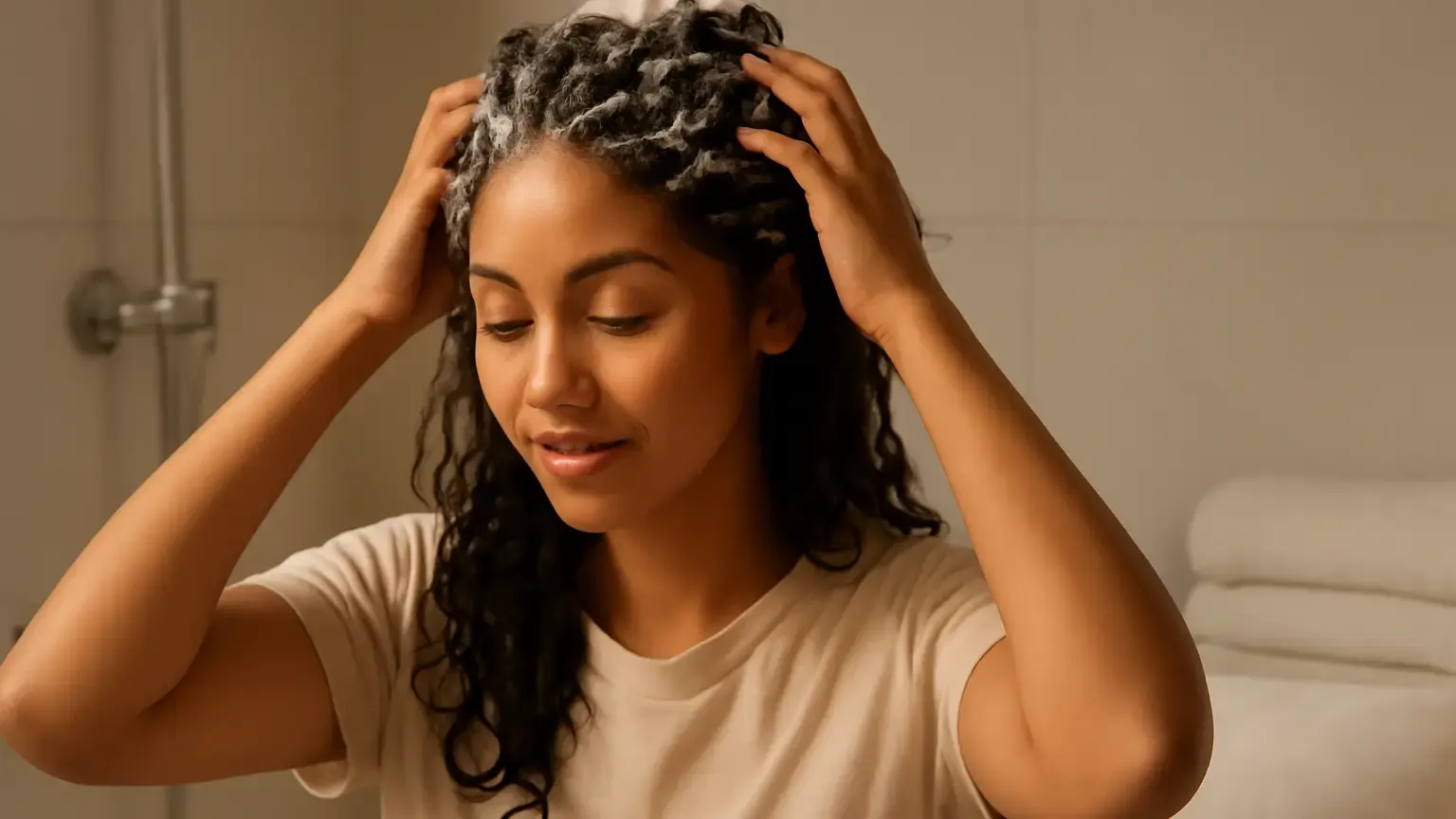
Apply a small amount of gentle shampoo to wet palms, then place it mainly on the scalp. Massage lightly with the pads of the fingers for about 30 to 60 seconds. Avoid nails and forceful circular rubbing. As the lather runs through the lengths, it can lift everyday residue without repeatedly scrubbing the ends.
Rinse thoroughly. A second light application can make sense when the first lather was minimal or the hair still feels coated, but do not keep washing until the hair feels squeaky. That tight, rough sensation can signal that too much surface oil and moisture-supporting conditioning has been removed.
3. Condition the lengths
Use hair conditioning from the mid-lengths to the ends, keeping heavier formulas away from a scalp that becomes oily easily. Leave it on for the time stated on the product, then rinse well. A conditioner helps improve slip and reduce tangling after cleansing, especially for long, curly, coloured or heat-styled hair.
If the ends feel dry after rinsing, use a small amount of leave-in conditioner on towel-damp hair. Start with less than you think you need and keep it away from the roots. This approach supports frizz control without creating another coated layer.
When a clarifying wash is appropriate
A clarifying shampoo is designed to remove heavier buildup than a typical gentle shampoo. It may be useful when hair still feels waxy, sticky or visibly dull after a normal wash, or when smoke has combined with oil, dry shampoo, hairspray or other styling products.
It is not automatically the best first step after Diwali. Use it occasionally and follow with a rich conditioner, particularly if your hair is curly, bleached, coloured, chemically treated or naturally dry. If your hair feels clean after one gentle wash, there is no benefit in clarifying simply because it was exposed to smoke.
For a simple decision rule:
- Normal feel after rinsing and one wash: stop there and condition.
- Persistent coating or product buildup: consider one clarifying wash, followed by conditioning.
- Stinging, intense itching or a sore scalp: avoid experimenting with stronger products and seek professional advice if it persists.
Drying hair safely after washing
Drying hair safely is part of the cleansing routine. Press water out with a soft towel or microfibre towel instead of rubbing the lengths. Keep the hair gently wrapped for only a short time, then let it air-dry where there is good ventilation.
If you use a hair dryer, choose a low or medium-warm setting, keep it moving, and hold it away from the hair. High heat on freshly cleansed, already dry hair can increase roughness. Avoid tying wet hair tightly, sleeping with wet roots or going outdoors immediately with damp hair if it can pick up more dust.
Skip straighteners and curling tools until the hair is fully dry. If styling is necessary, use a heat-protective product according to its label and keep the temperature moderate.
Oiling, dry scalp care and odour control
Hair oiling after Diwali is optional, not a required smoke-removal step. Oil does not wash away soot by itself, and applying a heavy layer before cleansing may leave fine hair or an oily scalp more difficult to clean. If oiling is already part of your routine, use a small amount on the lengths or scalp only when it suits you, leave it on for a limited period, and follow with a gentle wash.
For dry scalp care, distinguish dryness from residue. Flaking, tightness or mild roughness after repeated washing may call for a gentler shampoo and better conditioning of the lengths, rather than more scrubbing. Avoid adding several fragranced oils or home remedies at once, especially if the scalp is sensitive.
To remove smoke smell from hair, washing and ventilation are more dependable than masking it with perfume. Once the hair is clean and dry, a small amount of a suitable leave-in product may improve manageability. Spraying perfume directly onto the scalp or hair can be irritating and may make the odour mixture stronger.
Pillow hygiene and hair accessories
Freshly washed hair can pick up residue from a pillowcase, scarf, helmet lining or hairbrush. Pillow hygiene is therefore a practical part of post Diwali hair care. Change the pillowcase after the main wash, particularly if it smells smoky or has visible dust. Wash scarves, caps and reusable hair wraps according to their care instructions.
Remove shed hair from brushes and combs, then clean them with mild soap and water if the material allows. Let them dry completely before use. Do not share combs, towels or pillow covers, especially when someone has scalp discomfort.
Common mistakes to avoid
- Washing repeatedly in one day: one careful wash is usually preferable to several harsh washes.
- Scrubbing the scalp with nails: this can increase irritation and does not guarantee better residue removal.
- Using very hot water: lukewarm water is more comfortable and less likely to leave the hair feeling stripped.
- Putting conditioner on the roots by default: focus on the lengths unless the product is specifically intended for scalp use.
- Applying strong fragrance to cover odour: clean, ventilated hair is a better solution than layering scents.
- Clarifying every time: reserve stronger cleansing for genuine buildup, not routine use after every celebration.
A simple two-day recovery routine
On day one, rinse thoroughly, use a gentle shampoo, condition the lengths and dry completely. Change the pillowcase and clean the accessories that touch the hair. On day two, assess the feel rather than washing automatically. If the hair is comfortable, leave it alone or refresh the ends with a small amount of leave-in conditioner. If it remains coated despite the first wash, one clarifying wash may be considered, followed by generous conditioning.
People with coloured, bleached, curly or very dry hair should generally favour the gentler option and avoid adding multiple cleansing steps. People with fine hair may need less conditioner but should still protect the ends from friction and heat.
Takeaway
Effective Seasonal Hair Care After Diwali means removing residue without chasing a squeaky-clean feeling. Rinse first, shampoo the scalp gently, condition the lengths, dry with low friction, clean the pillowcase and use a clarifying shampoo only when buildup remains. If redness, swelling, persistent burning, severe itching or unusual hair shedding continues, speak with a dermatologist or doctor rather than repeatedly changing products.
Products that may help with this routine
Choose only what fits your skin, hair or personal needs. Use the links below to view current options on Amazon India.
Frequently Asked Questions
How do I wash hair after Diwali smoke?
Rinse the hair thoroughly with lukewarm water, apply a gentle shampoo mainly to the scalp, rinse well, condition the mid-lengths and ends, and dry without vigorous towel rubbing or high heat. A second light wash is only needed if the hair still feels coated.
Should I use clarifying shampoo after Diwali?
Use a clarifying shampoo only if a gentle wash leaves persistent waxiness, stickiness, visible buildup or a coated feeling. It is not necessary after every smoke exposure, and it should be followed by conditioning.
What is the best post Diwali hair care routine?
The best routine is a thorough pre-shampoo rinse, gentle scalp cleansing, conditioner on the lengths, low-friction drying, a clean pillowcase and washed hair accessories. Assess the hair before deciding whether a clarifying wash is needed.
How can I remove smoke smell from hair?
Wash the scalp and hair thoroughly, allow the hair to dry in a well-ventilated space, and change smoky pillowcases, scarves and hair wraps. Avoid spraying perfume directly on the scalp or using fragrance to mask an unwashed smoky smell.
Can I oil my hair after smoke exposure?
You can oil your hair if it is already part of your routine, but oil is not a substitute for cleansing smoke residue. Use a small amount, avoid heavy application if the scalp is oily, and wash it out gently.
How often should I wash smoke-exposed hair?
Wash when the scalp or hair feels smoky, dusty, oily or coated rather than following a fixed number of washes. One thorough gentle wash is often enough; repeated washing or frequent clarifying can leave the lengths dry.