Acne prone skin sunscreen is easiest to reapply when its finish matches your routine: a light gel or fluid usually layers best, while a matte formula helps shine but can cake over makeup. This guide is for people managing oiliness, breakouts or humid Indian weather who want reliable daily protection without a heavy feel. The practical choice is less about one “perfect” finish and more about whether you can apply enough, repeat it comfortably and avoid irritating ingredients.
Choosing a sunscreen for acne prone skin is not only about finding the highest SPF on the label. Texture affects whether you apply the right amount, whether your face feels greasy by midday and whether you can repeat the layer after commuting, sweating or spending time outdoors. A sunscreen that sits untouched in a drawer is less useful than one you can wear consistently.
What makes a sunscreen practical for acne-prone skin?
Acne-prone skin can be oily, dry, combination or easily irritated. It may also be using other skincare products that make the surface more sensitive or prone to flaking. Look for a formula labelled broad-spectrum SPF 50 when suitable for your routine, and consider an oil-free or water-based sunscreen if richer creams feel congesting.
“Non-comedogenic” can be a helpful screening term, but it is not a guarantee that every person will tolerate a product. Skin reactions depend on the complete formula, climate, sweat, cleansing habits and individual sensitivity. A fragrance-free sunscreen may be a sensible option if scented products commonly sting or trigger discomfort.
Most importantly, assess four things:
- Coverage: Can you apply a generous, even layer to the face, ears and exposed neck?
- Comfort: Does it stay wearable for several hours without excessive oiliness, tightness or stinging?
- Compatibility: Does it sit well with moisturiser, concealer or foundation?
- Repeatability: Can you reapply without creating clumps, visible residue or painful rubbing?
Finish-by-finish comparison
Gel finish: the easiest everyday option for many oily skin types
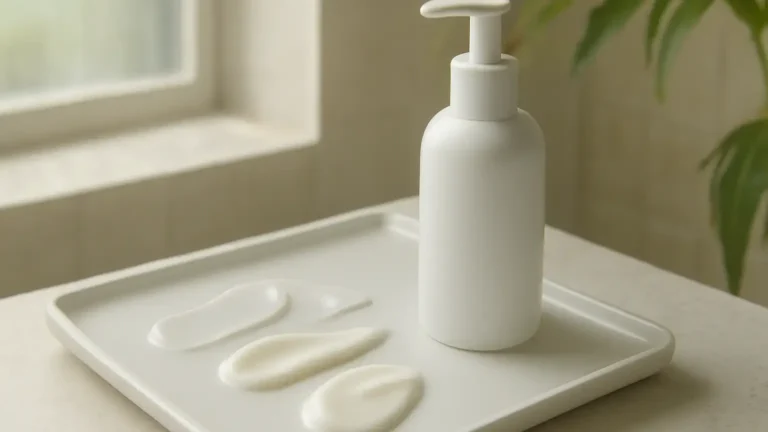
A gel texture usually feels light, spreads quickly and leaves less of a creamy film. That makes a gel sunscreen for oily skin appealing in warm, humid conditions and for people who dislike the sensation of layered skincare. It can also work well beneath makeup when allowed to settle before primer or base products.
The limitation is that some gels contain a high level of alcohol or cooling ingredients, which may feel drying or sting around the eyes. Others can roll into little flakes when rubbed over a rich moisturiser. If you choose this finish, apply skincare in thin layers and give each layer a short settling period.
Fluid finish: light, spreadable and makeup-friendly
A fluid sunscreen is runnier than a cream and often distributes easily across the face. It is a strong option when you want a lightweight facial sunscreen that does not visibly add much thickness. Fluid formulas can be particularly convenient for reapplication because they are easy to press over small areas without dragging the skin.
Some fluids leave a natural or slightly luminous finish rather than a powdery one. If your T-zone becomes shiny, use a small amount of tissue or blotting paper before the second layer. Do not scrub away the first application; gentle pressing is enough.
Matte finish: useful for shine control, with a few trade-offs
A matte sunscreen for acne-prone skin can reduce the appearance of surface shine and may make makeup last longer. This finish suits people who prefer a dry-touch feel or who spend the day in a hot, sticky environment. It can be a practical sunscreen for humid weather, especially when the formula does not feel chalky.
Matte products can be less forgiving over dry patches. Reapplying a set, powdery layer may also create texture around the nose or on healing blemish marks. If your skin feels tight, use a light moisturiser underneath instead of applying more sunscreen over an uncomfortable base. Matte does not automatically mean non-comedogenic or irritation-free, so read the ingredient and usage information rather than relying on the finish alone.
Dewy or cream finish: comfortable for dry, dehydrated or sensitive-feeling skin
A dewy sunscreen can make the skin look fresh and may be more comfortable when the barrier feels dry. It is often easier to spread without repeated rubbing, which helps protect against unnecessary friction. However, a glossy finish can feel heavy on oily skin and may make reapplication over makeup visibly slippery.
If you like this finish but dislike shine, reserve it for drier areas and use a small amount of translucent powder later. Avoid choosing a richer product solely because your skin is acne-prone; the better match is the texture that supports comfort without leaving you tempted to under-apply.
Which sunscreen finish is easiest to reapply?
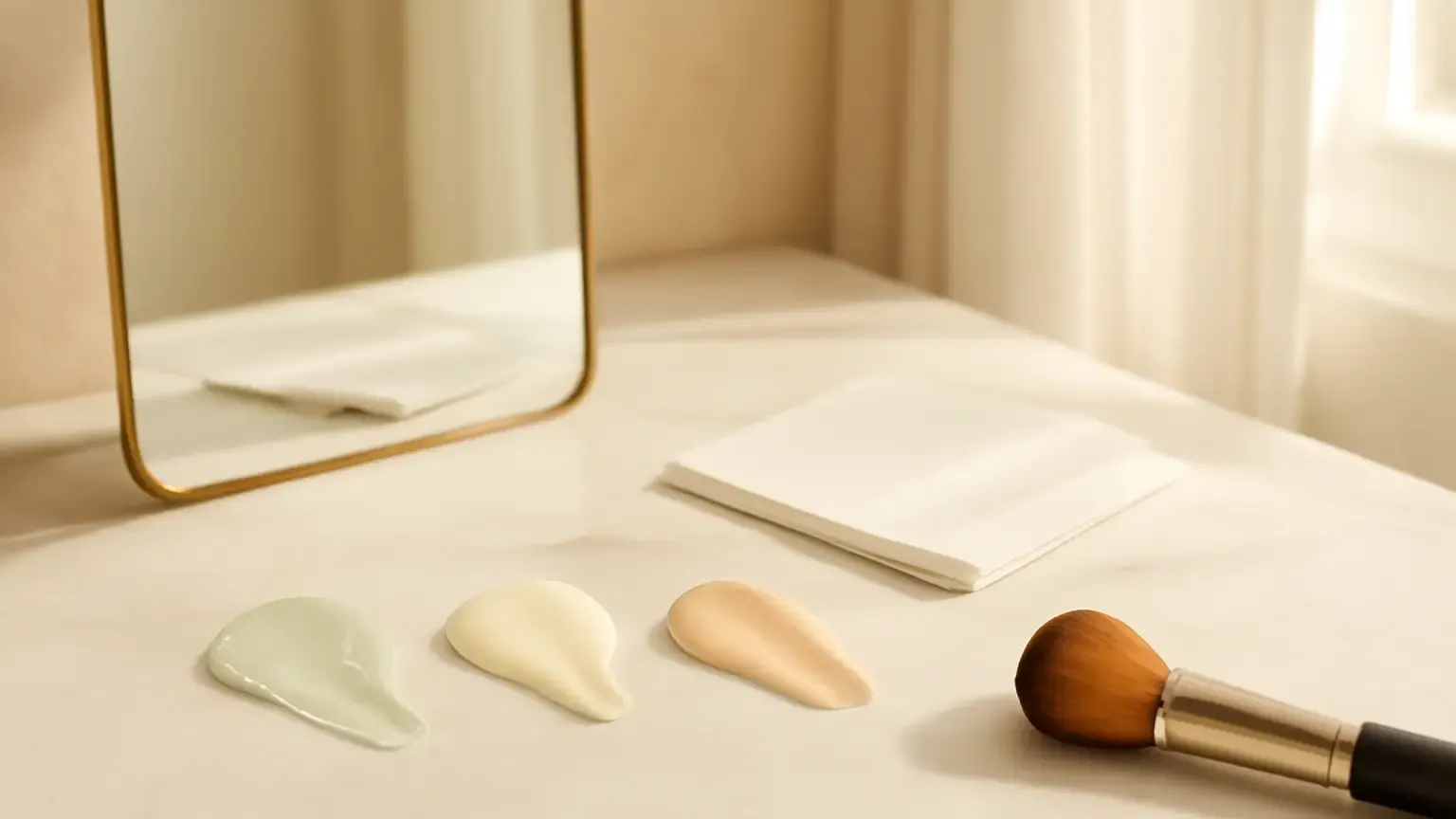
For most people, a light fluid or flexible gel is the simplest finish to repeat on bare skin. A matte formula is convenient if you reapply after cleansing or before makeup, but can be harder to layer once powder and foundation are already in place. A dewy cream is comfortable for dry skin but may need blotting before the next application.
The best method depends on the situation:
- Before leaving home: Apply a generous, even layer as the last step of morning skincare. Let it set before makeup.
- Over clean bare skin: Reapply directly, spreading in sections to reduce missed areas.
- After sweating: Gently cleanse or rinse when practical, pat dry and apply a fresh layer. If washing is not possible, remove obvious sweat first with clean tissue rather than rubbing hard.
- Over makeup: Press a fluid sunscreen carefully onto exposed areas, or use a compatible sunscreen product designed for touch-ups. Do not assume a powder with SPF replaces a properly applied base layer.
How to prevent pilling, shine and patchiness
Sunscreen pilling often comes from rubbing too much, applying incompatible layers or using a large amount all at once over a tacky product. Try these adjustments:
- Use a simple morning routine: gentle cleanser, moisturiser if needed, then sunscreen.
- Apply skincare in thin layers and wait until the previous layer no longer feels wet.
- Divide the sunscreen into two light passes rather than aggressively massaging one thick blob.
- Use pressing and smoothing motions instead of circular rubbing, particularly over blemishes.
- Before reapplying, blot excess oil and remove visible dirt or sweat where possible.
- Test the full combination of moisturiser, sunscreen, primer and base on one cheek before an important day.
If your face becomes shiny, that does not mean the sunscreen has stopped protecting you. Blot gently, then reapply. If the formula consistently burns, causes a rash or creates persistent bumps, stop using that product and seek professional advice rather than repeatedly layering it.
How to choose between gel, fluid and matte formulas
| Your priority | Finish to consider | What to check |
|---|---|---|
| Low weight and quick absorption | Gel or fluid | Whether it stings or dries the skin |
| Less visible midday shine | Matte or soft-matte | Whether it catches on dry patches |
| Easy makeup layering | Fluid or light gel | Set time and primer compatibility |
| Comfort over dry areas | Natural or dewy cream | Whether the finish feels too rich |
| Frequent outdoor exposure | Any comfortable finish | Broad-spectrum protection, water resistance claims and repeatability |
When comparing non comedogenic sunscreen India listings or labels, treat the phrase as one decision point rather than a promise. Check whether the product is intended for the face, whether it suits your sensitivity level and whether you can obtain a consistent, even application. Patch testing on a small area is sensible when introducing a new formula.
A simple routine for acne-prone skin in India
In the morning, cleanse gently if needed, apply a light moisturiser only where your skin requires it, and finish with sunscreen. In humid weather, avoid piling on multiple mattifying products before sunscreen; too many powders or gripping layers can make a fluid separate. Carry the same sunscreen or a compatible touch-up option for outdoor plans.
Reapplication is especially relevant after prolonged direct sun, sweating, swimming or towel-drying. Indoor days do not always require the same frequency as beach or sports activities, but daylight exposure through windows and commuting can still make morning protection worthwhile. A hat, sunglasses and shade add useful physical protection and reduce the burden on any one product.
Do not pick at active spots to make sunscreen sit more smoothly. If breakouts, swelling, severe irritation or a persistent rash continue, consult a dermatologist. This article offers general skincare guidance and does not replace personalised medical care.
Takeaway
The most reapplicable acne prone skin sunscreen is usually a comfortable gel or fluid for oily and combination skin, while a matte formula can be preferable when shine control is the priority. Dry or sensitive-feeling skin may prefer a natural or dewy finish. Choose broad-spectrum protection and a texture you can apply generously, layer calmly and repeat when exposure calls for it.
Products that may help with this routine
Choose only what fits your skin, hair or personal needs. Use the links below to view current options on Amazon India.
Frequently Asked Questions
Which sunscreen finish is best for acne prone skin?
A lightweight gel or fluid is often the easiest starting point for acne-prone, oily or combination skin because it spreads easily and layers with less bulk. Matte can suit shine-prone skin, while a natural or dewy finish may feel better on dry areas. Comfort, ingredient tolerance and reapplication matter more than the finish label alone.
How to reapply sunscreen over makeup?
Gently blot excess oil first, then press a compatible fluid or touch-up sunscreen onto exposed areas in thin layers. Avoid vigorous rubbing, which can disturb makeup and irritate blemishes. Sunscreen powders should be treated as a touch-up aid rather than a substitute for a properly applied morning layer.
What is the best gel sunscreen for oily acne prone skin?
Look for a lightweight facial gel with broad-spectrum protection that feels comfortable, does not sting and does not pill with your moisturiser or makeup. There is no universally best formula, so patch test a suitable product and assess it in your actual climate and routine.
Can I use matte sunscreen every day?
Yes, a matte sunscreen can be used daily if it feels comfortable and does not leave your skin tight, flaky or irritated. Apply moisturiser underneath where needed, and avoid choosing a very drying texture simply to control shine.
What sunscreen texture works in humid Indian weather?
A light gel, fluid or soft-matte texture often feels more manageable in humid weather. Choose the finish you can apply evenly without skipping areas, and consider reapplying after heavy sweating or towel-drying.
How often should acne prone skin reapply sunscreen?
Reapply after prolonged direct sun exposure, heavy sweating, swimming or towel-drying, following the product’s directions. For ordinary indoor days, a well-applied morning layer may be sufficient for many routines, but outdoor exposure calls for more frequent attention.