Oily skin makeup can keep cheek colour fresh in Indian heat when you use less product, place it strategically and set only the areas that turn shiny. This method suits people whose blush fades, separates or slides during hot commutes, humid days and long events. Start with light skin prep, build a cream blush in a thin layer, press powder blush over the high points, then powder the centre of the face rather than flattening every cheek.
Why cheek colour fades in Indian heat
Blush often disappears for two different reasons: oil breaks down the base underneath it, or sweat and friction move too much product across the face. High humidity can make both problems more noticeable. A heavy layer of foundation, cream blush and powder may initially look polished, but it can soften, patch or crease as the skin warms.
The goal is not to remove every trace of natural glow. The goal is cheek colour longevity: a flexible base that stays even while the centre of the face remains comfortable and controlled. Thin makeup layers are more reliable than one thick layer because each product has less moisture and pigment to shift.
Start with skin preparation, not extra powder
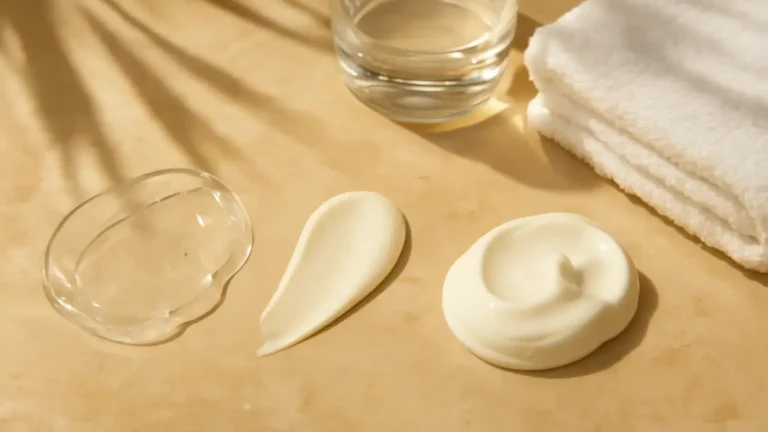
Cleanse gently, then use a lightweight gel moisturiser if your skin feels tight after cleansing. Even oily skin can become uncomfortable when it is under-moisturised, and adding excess powder to compensate may make the cheeks look dry while the forehead and nose still shine.
In the daytime, allow sunscreen to settle before makeup. If the sunscreen leaves a very dewy film, press a clean tissue lightly over the face instead of rubbing. This removes surface slip without stripping away the layer underneath.
Use an oil-control primer selectively
An oil-control primer is most useful on the forehead, sides of the nose, inner cheeks and chin when those areas become shiny first. You do not need to spread it over the entire face by default. Keeping the outer cheeks less coated can help blush blend smoothly and prevent a dry, overly matte finish.
Give primer a minute to set. Applying foundation immediately over a wet or tacky layer can create uneven coverage and make cheek products move during blending.
Build the base in thin layers
Choose a light-to-medium, long-wearing base or a mattifying foundation only where you need coverage. Apply a small amount to the centre of the face and blend outward. If redness or marks remain, add pinpoint concealer rather than increasing foundation everywhere.
Thin makeup layers matter because they reduce the amount of emollient sitting under the blush. They also make touch-ups easier: you can remove shine without lifting a thick patch of complexion product.
- Use a damp sponge for a thinner, pressed-in finish.
- Use a small synthetic brush when you need more precise coverage around the nose or blemishes.
- Wait briefly between complexion and cheek products so the base is set but not dry and tight.
For very humid days, avoid applying a rich cream or facial oil beneath the makeup unless it is part of advice from your dermatologist. Heavy layers can increase slip for some people, although skin responses vary.
Choose cream-to-powder placement for longer wear
The most dependable approach for a long-lasting blush is to combine compatible textures: a small amount of cream blush for stain-like colour, followed by powder blush to reinforce it. This is a cream-to-powder technique, not a requirement to layer two full-strength products.
Step 1: Apply cream blush sparingly
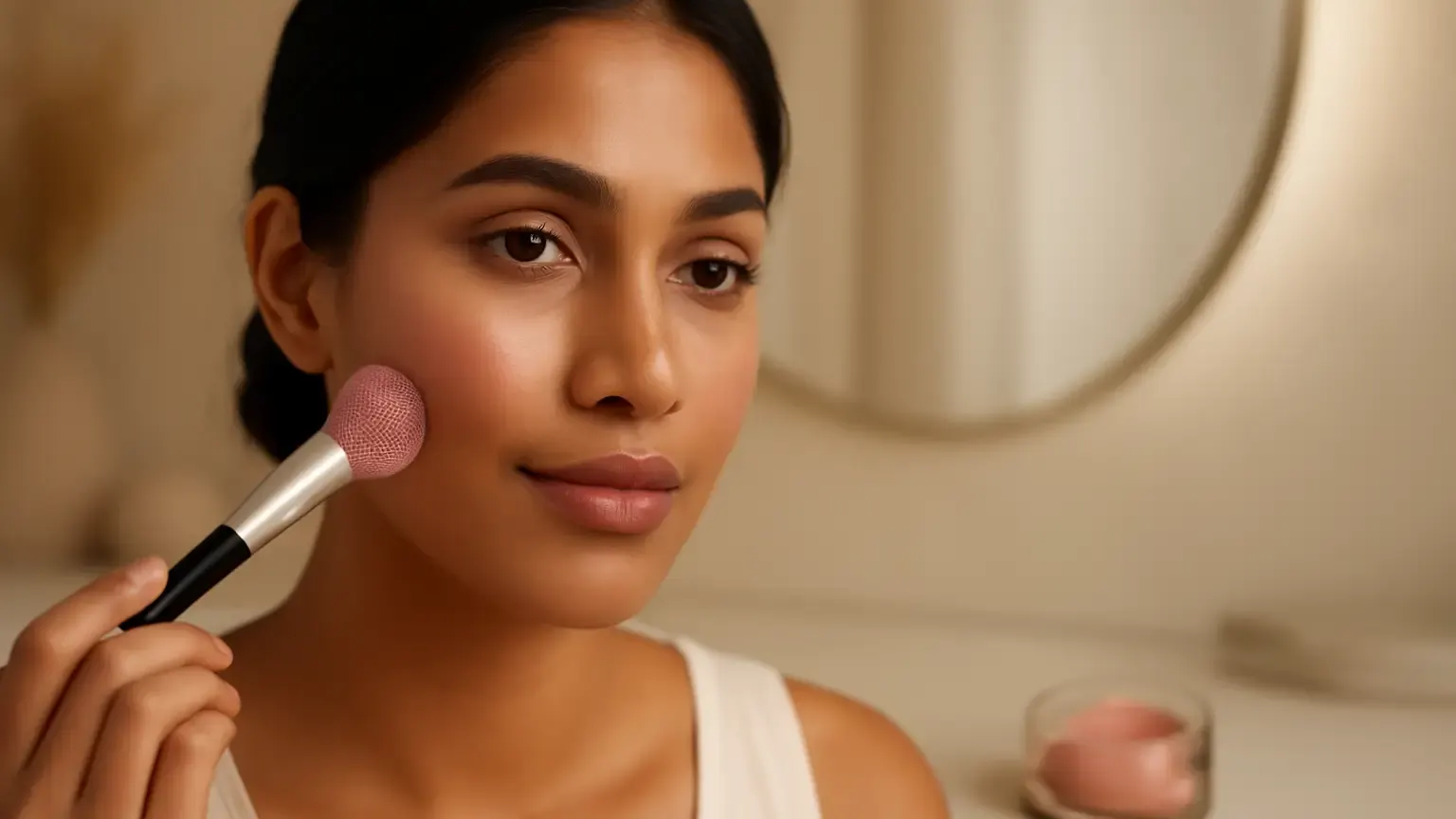
Use a pea-sized amount or less, depending on pigment strength. Place it slightly higher on the cheek, beginning near the outer apple and blending toward the temple. Keeping the strongest colour away from the crease beside the nose can reduce the chance of oil breaking it apart.
Tap the colour in with fingertips, a compact synthetic brush or a sponge. Do not drag repeatedly across the foundation. If the cream blush lifts the base, press a tiny amount of foundation over the disturbed area and start again with less product.
Step 2: Seal with powder blush
Once the cream layer looks even, press a coordinating powder blush over the same general area. A soft-matte or satin powder is usually easier to manage than a very sparkly formula, especially when the skin is already producing shine. Use a small fluffy brush and build gradually.
This layering technique is especially helpful for people asking, “Should I use cream or powder blush for oily skin?” Cream gives natural-looking adhesion and dimension; powder generally offers easier oil control. Together, they can be more durable than either one applied heavily.
Blush placement that survives heat
Blush placement affects both appearance and wear. For a lifted effect, keep the main colour on the upper outer cheek and blend it toward the hairline. Avoid carrying a dense band across the centre of the cheek, where movement, sweat and frequent touching can make the colour patchy.
If you prefer a fresh, rounded look, tap a smaller amount onto the apples and diffuse the edges upward. The key is a soft perimeter. Harsh edges become more visible when the skin develops shine.
Use highlighter carefully. A shimmery product over an oily area can look like additional grease rather than glow. If you want luminosity, choose a finely milled satin finish and place it on the upper cheekbone, away from the most active oil zones.
Powder strategically instead of flattening the cheeks
Targeted powdering controls shine without erasing the dimension of the blush. Use a small powder puff or tapered brush to press setting powder for oily skin onto the forehead, sides of the nose, inner cheeks and chin. These are common areas where base makeup slides first.
Leave the outer cheek relatively light if the blush already looks set. If you need more security, press a nearly clean puff over the edges rather than adding a visible white or thick layer.
Loose powder or pressed powder?
Loose translucent powder can give a finely diffused finish when pressed lightly into the T-zone. Pressed powder is convenient for controlled application and midday touch-ups. Neither is automatically better; the useful choice depends on how much shine you experience and whether you need portability.
For a quick touch-up, first blot oil with tissue or blotting paper. Then press a small amount of powder onto the shiny area. Brushing powder directly over accumulated oil can create a dull, cakey patch.
Set the face without making it heavy
A makeup setting spray can help merge visible powder and reduce a dry, powdery appearance. Spray from the recommended distance and allow it to dry without touching the face. A setting spray does not replace a stable base, and it cannot prevent all transfer in extreme humidity, but it can make layered products look more cohesive.
Choose according to the finish you want. A soft-matte setting product may suit an all-day event, while a natural-finish option can look better for daily wear. If fragrance or alcohol tends to irritate your skin, check the ingredient list and patch-test new products before an important occasion.
For a long workday or wedding, carry blotting sheets, a small pressed powder and a clean cotton bud. Blot first, then repair only the area that needs it. Adding another complete layer over the whole face is the fastest way to lose freshness.
A practical oily skin makeup routine for humid weather
- Cleanse gently and apply a light moisturiser and sunscreen.
- Press away excess surface slip after sunscreen has settled.
- Apply oil-control primer only to high-shine zones.
- Use a thin layer of foundation, adding concealer only where needed.
- Tap on a small amount of cream blush high on the cheeks.
- Set the T-zone and other oily areas with targeted powdering.
- Press a matching powder blush over the cream blush.
- Add minimal highlighter, if desired, and finish with setting spray.
- Blot before touch-ups throughout the day.
This makeup for oily skin India approach can be adjusted for season and setting. In dry indoor air, use less powder and more moisturising preparation. During monsoon weather or a long outdoor event, keep layers thinner and make the T-zone setting more deliberate.
Common mistakes that make blush disappear faster
- Using too much moisturiser or primer: Excess slip can make the base move before blush has a chance to set.
- Applying powder before the cream blush is blended: This can lock in edges and make the cheek look uneven.
- Layering a wet cream blush over a very dewy base: The pigment may become patchy. Lightly set the base where necessary.
- Powdering the entire face repeatedly: This can create a heavy surface while doing little for oil breaking through in one specific zone.
- Rubbing during touch-ups: Rubbing moves foundation and blush. Blot and press instead.
- Choosing very glittery cheek products: Fine glow is usually easier to control than large reflective particles on shiny skin.
Quick decision guide for cheek products
| Skin concern or situation | Useful choice | Why |
|---|---|---|
| Blush vanishes by midday | Cream base plus powder blush | Two light layers improve colour persistence without requiring a thick application. |
| Cheeks look dry after setting | Less powder on the outer cheek | Keep powder to the T-zone and press, rather than sweep, over the base. |
| Very shiny forehead and nose | Targeted powdering and oil-control primer | Controls active areas while preserving cheek dimension. |
| Daily office makeup | One thin cream or powder layer | It is faster, lighter and easier to refresh discreetly. |
| Outdoor event in humid weather | Thin base, cream-to-powder blush and setting spray | Reduces slip and creates a more resilient finish. |
Takeaway
Effective oily skin makeup is less about using the most matte products and more about controlling where product sits. Keep preparation light, use thin layers, place cream blush high on the cheek, reinforce it with powder, and set only the zones that become oily. Blot before touching up, and adjust the amount of powder for the weather, your skin’s comfort and the length of wear you need.
If oiliness is accompanied by persistent irritation, painful breakouts or a sudden change in your skin, consult a dermatologist rather than repeatedly adding stronger makeup products.
Products that may help with this routine
Choose only what fits your skin, hair or personal needs. Use the links below to view current options on Amazon India.
Frequently Asked Questions
How can I make blush last on oily skin in Indian heat?
Use light skin preparation, a thin base, a small amount of cream blush and a coordinating powder blush. Set the T-zone and inner cheeks, then blot oil before any touch-up instead of layering powder over it.
Should I use cream or powder blush for oily skin?
Powder blush is usually easier to control on oily skin, while cream blush can provide natural colour and grip. For long wear, apply a very thin cream layer and press a matching powder blush over it.
What is the best blush layering technique for oily skin?
Blend cream blush high on the outer cheek without dragging the base, allow it to settle, then press powder blush over the same area. Keep both layers light and soften the edges.
Where should I apply powder when wearing blush?
Press powder mainly onto the forehead, sides of the nose, inner cheeks and chin. Avoid heavily powdering the outer cheek unless it is visibly oily, so the blush keeps dimension.
What should an oily skin makeup routine for humid weather include?
Use lightweight moisturiser and sunscreen, selective primer, a thin complexion base, strategically layered blush, targeted powdering and optional setting spray. Carry blotting sheets for maintenance.