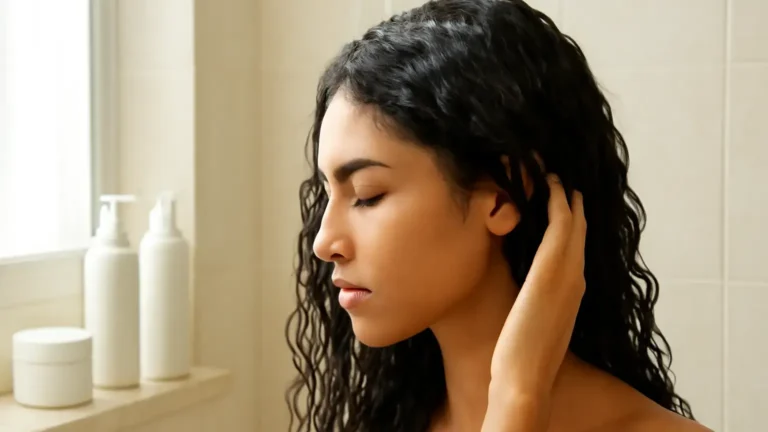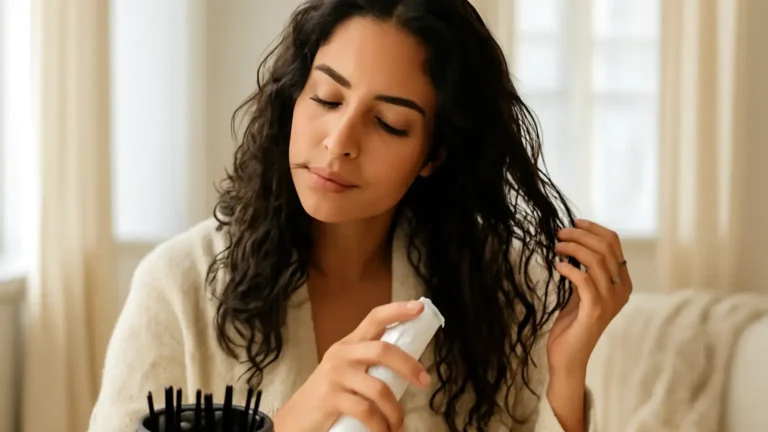
Seasonal hair care for October weddings works best when you prepare gradually, not by trying unfamiliar treatments the night before. This five-day plan is for wedding guests, bridesmaids and brides in India who want clean, comfortable, style-ready hair without excessive oiliness, dryness or heat damage. It helps you decide when to wash, condition, oil, use a mask and protect your ends according to your scalp, hair texture, weather and planned hairstyle.
October weddings in India often arrive during a changeable weather window. Some cities remain humid after the monsoon, while others become noticeably drier and cooler. Air-conditioning, travel, dust, frequent styling and late nights can make hair feel oily at the roots but rough at the ends. A useful preparation plan therefore needs to balance freshness with manageability.
This checklist assumes the main event is on Day 0. Shift the plan by a day if your hair is very dry, your scalp becomes oily quickly or your stylist has given you specific instructions. The aim is not perfectly “new” hair; it is hair with a comfortable scalp, controlled frizz, flexible ends and enough grip for the chosen style.
Before you begin: match the plan to your hair
Choose your routine based on how your hair behaves, rather than copying a bride or influencer’s schedule. Fine or oily hair usually needs a cleaner root and less rich product. Curly, coily or very dry hair may need more conditioning and less frequent shampooing. Chemically treated or heat-damaged hair benefits from gentle handling and limited hot tools.
- Oily scalp: keep the final wash close enough to the event to prevent flat, greasy roots, and avoid heavy oiling.
- Dry or textured hair: prioritise a lightweight conditioner, careful detangling and a small amount of leave-in product on the lengths.
- Fine hair: use a modest amount of product below the ears and rinse conditioner thoroughly so the style does not collapse.
- Frizz-prone hair: plan for humidity and friction; do not repeatedly brush dry texture in an attempt to make it smooth.
- Sensitive or uncomfortable scalp: stick to familiar, fragrance-light products and avoid vigorous scrubbing or new salon chemicals before the event.
Day 5: reset the scalp without over-cleansing
Start with a normal wash if your hair has product buildup, sweat or dust from travel. A scalp-friendly shampoo should clean the roots without leaving the scalp tight or the lengths squeaky. Massage with fingertips rather than nails, and rinse longer than you think necessary. Shampoo the lengths only as the lather passes through them; rubbing them directly can increase roughness.
Use a clarifying shampoo only if you regularly use dry shampoo, styling wax, silicone-heavy products or have visible buildup. It is not automatically better for every hair type. If your scalp and hair already feel clean, a regular gentle shampoo is the safer choice. Follow with conditioner from mid-length to ends and let hair dry naturally or on a low, comfortable setting.
Day 5 decision
If your roots are oily again within 24 hours, plan your final wash nearer to the event. If your hair stays fresh for several days, you can wash earlier and preserve natural texture for styling. This is the first useful test in your hair wash schedule.
Day 4: condition for softness and check your ends
Day 4 is a good time for a familiar hair mask, especially when the lengths feel dry after repeated washing or heat exposure. Apply it mainly to the mid-lengths and ends, follow the product’s timing instructions and rinse thoroughly. A mask can improve temporary softness and detangling, but it cannot repair a split end permanently.
After drying, inspect the ends in bright light. If they feel rough, use a small amount of leave-in conditioner or a light smoothing cream. Do not layer several rich products just because the event is approaching. Product overload can make hair look dull, sticky or difficult for pins to hold.
Do not schedule an aggressive haircut, chemical straightening, bleaching or unfamiliar treatment this close to the function. A minor, familiar trim may be reasonable if your stylist knows your hair, but last-minute experimentation creates more variables than it solves.
Day 3: decide about oiling and protect scalp comfort
Hair oiling before wedding events is not a universal rule. A short pre-wash oiling session can suit coarse, dry or curly lengths that respond well to it. Apply a small amount to the lengths and, only if your scalp normally tolerates oil, a little at the roots. Leave it for a limited period before shampooing rather than sleeping in a heavy layer.
Skip or reduce oil if your scalp becomes greasy, itchy or flat easily, if you have a history of product-related discomfort, or if the planned hairstyle needs airy root volume. Oil can also be difficult to remove when used heavily, leading to repeated shampooing immediately before the event. Never use oil as a substitute for cleaning sweat or styling residue.
For scalp comfort, keep water lukewarm, avoid scratching and wash after intense exercise. Persistent flaking, soreness, marked redness, hair loss or worsening irritation deserves advice from a dermatologist rather than a last-minute cosmetic fix.
Day 2: control frizz and plan for heat
Now assess the likely October conditions. In humid cities, focus on humidity-proof styling with a light smoothing product rather than applying multiple layers of cream and serum. An anti-frizz serum can help reduce surface roughness when used sparingly on dry or nearly dry lengths. Keep it away from the roots unless the product specifically suits scalp use.
If you will use a blow-dryer, curler or straightener, apply a genuine heat protectant spray according to its label and allow it to distribute before using hot tools. Heat protection reduces exposure-related damage; it does not make unlimited high heat safe. Use the lowest effective temperature, keep the tool moving and avoid repeatedly passing over the same section.
Make a practical styling plan with your hairdresser: reference photos, the event timing, hair accessories, veil or dupatta placement and whether you need a style that can survive travel. If you are styling at home, practise only the broad technique, not an exhausting full rehearsal that leaves the hair dry.
Day 1: final wash and gentle preparation
For many people, the final wash belongs on Day 1, but the ideal timing depends on texture and the hairstyle. Straight, fine or oily hair often styles best when freshly washed or washed the previous day. Thick, curly or textured hair may need more time for moisture to settle and can be easier to shape after an earlier wash.
Use your familiar shampoo, rinse thoroughly and apply conditioner only where needed. Avoid a heavy oil treatment, new mask or thick styling butter. Dry the roots fully before going to bed; damp hair can become flattened, tangled or uncomfortable overnight. If you need extra smoothness, use a small amount of leave-in product on the ends.
Night-before sleep protection hairstyle
Choose a loose braid or low ponytail with a soft, snag-free tie if your hair benefits from gentle control. Very tight buns can create tension and leave unwanted creases. A clean satin or smooth pillowcase may reduce friction, but it is not a replacement for careful detangling. Keep hair away from wet towels, rough clips and tight elastic bands.
Day 0: keep the finished hair clean, light and protected
On the event day, start with a dry-hair check rather than automatically adding product. Smooth only visible flyaways with a tiny amount of serum or cream. If the scalp feels oily, use the smallest amount of dry shampoo that suits you, brush or press it through as directed and avoid building up several layers. Do not apply oil to make the hair “shiny” before a formal style; it can reduce hold and make sections separate.
Tell the stylist about recent oiling, masks, chemical services, extensions and scalp sensitivity. Ask for heat protection before hot tools and request that the ends are handled gently. Once the style is complete, avoid repeatedly touching it, leaning against rough fabrics or exposing it to unnecessary steam. Carry a few pins, a small comb and a travel-size product already familiar to your hair rather than an entire new routine.
Common mistakes in October wedding hair care
- Washing too early: hair may become oily, dusty or flat before the function.
- Washing too late: damp or freshly conditioned hair may not have the texture a complicated style requires.
- Heavy oiling: excess oil can demand repeated shampooing and reduce root volume.
- Overusing protein or masks: more treatment is not always more softness; hair can feel stiff or coated.
- Skipping heat protection: one event does not justify unprotected, repeated hot-tool passes.
- Trying a new chemical service: reactions and texture changes are difficult to predict immediately before a wedding.
- Ignoring the weather: humidity, sweat and travel friction should influence your product amount and hairstyle choice.
A simple takeaway for seasonal hair care for October weddings
Work backwards from the ceremony: reset on Day 5, condition and inspect on Day 4, make an informed oiling decision on Day 3, manage frizz and heat on Day 2, then complete a familiar final wash on Day 1. On Day 0, use less product than you think you need and protect the hair from friction and unnecessary heat. The best result from seasonal hair care for October weddings is hair that feels comfortable at the scalp, looks polished and still behaves naturally enough for your chosen style.
Products that may help with this routine
Choose only what fits your skin, hair or personal needs. Use the links below to view current options on Amazon India.
Frequently Asked Questions
How many days before a wedding should I wash my hair?
For many people, the final wash is one day before the wedding. Fine or oily hair may prefer a same-day or near-event wash, while thick, curly or dry hair may style better after more settling time. Use your normal pattern as the guide and avoid a brand-new shampoo.
Should I oil my hair before an October wedding?
Only if your hair and scalp normally respond well to oiling. A small, short pre-wash application can suit dry or coarse lengths, but heavy oiling may flatten roots and require repeated shampooing. Skip it if your scalp becomes greasy or uncomfortable easily.
What is the best hair care routine for wedding week in India?
Use a gentle wash, a lightweight conditioner, one familiar mask if needed, limited oiling, careful detangling and heat protection. Adjust the final wash to your texture, local humidity, travel plans and the hairstyle you will wear.
How can I control frizz in humid October weather?
Use a small amount of anti-frizz serum or leave-in product on the lengths, dry the roots fully and choose a style that tolerates some natural movement. Apply heat protectant before hot tools and avoid repeatedly brushing dry textured hair.
What should I do to protect hair ends before styling?
Condition the mid-lengths and ends, detangle from the tips upward and use a modest amount of leave-in conditioner or smoothing serum. Avoid aggressive brushing, tight elastics and repeated high-heat passes. A product can improve the feel of dry ends but cannot permanently mend split ends.
Can I use a hair mask before wedding day?
Yes, if it is a familiar product and your hair needs extra softness. Use it around Day 4, rinse it thoroughly and do not test a new mask immediately before the event. Fine hair may need only a small amount on the ends.