Dry skin hand care works best when it reduces irritation first, then replaces lost moisture and seals it in. This guide is for anyone whose hands feel tight after washing, look rough around the knuckles or become uncomfortable in dry weather, frequent handwashing or household chores. The five changes are simple: use gentler cleansing, moisturise damp skin, choose barrier-supportive ingredients, protect hands during chores and add overnight care when needed.
Why hands become rough and tight
Hand skin faces repeated exposure to soap, water, sanitiser, detergents, dust, air-conditioning and changes in weather. In India, hot summers, dry indoor air and frequent washing can all make that cycle more noticeable. Every wash removes some surface oil along with dirt. When the skin does not have enough time or support to restore that protective layer, water escapes more easily and the hands can feel tight, coarse or papery.
Roughness does not always mean you need a stronger scrub. Scrubbing, peeling and harsh cleansing can remove more of the surface barrier and leave tiny areas of irritation. A better approach is to make small changes that lower daily stress on the hands while keeping them comfortably moisturised.
The aim is not perfectly smooth hands overnight. It is to reduce the tight feeling, soften rough patches and help the skin tolerate normal washing and daily tasks more comfortably.
Fix 1: Make handwashing gentler
Start with the step you repeat most often. Choose a gentle hand wash that cleans without leaving a strong squeaky or stretched feeling. A mild, non-abrasive cleanser is generally more comfortable for dry hands than a heavily fragranced or very stripping formula.
Use lukewarm water rather than very hot water. Hot water may feel satisfying, but it can increase dryness by removing surface oils more quickly. Wash the palms, backs of the hands, between the fingers and around the nails, then rinse well. Pat with a soft towel instead of rubbing vigorously.
Hand sanitiser remains useful when soap and water are not available. If it stings repeatedly or leaves your hands uncomfortably dry, apply a moisturiser once the product has fully dried. Moisturising does not replace appropriate hand hygiene; it supports comfort after cleansing.
Fix 2: Moisturise while skin is still slightly damp
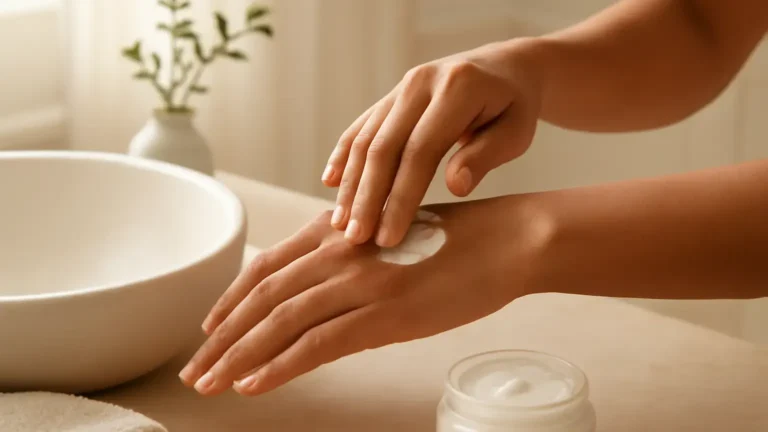
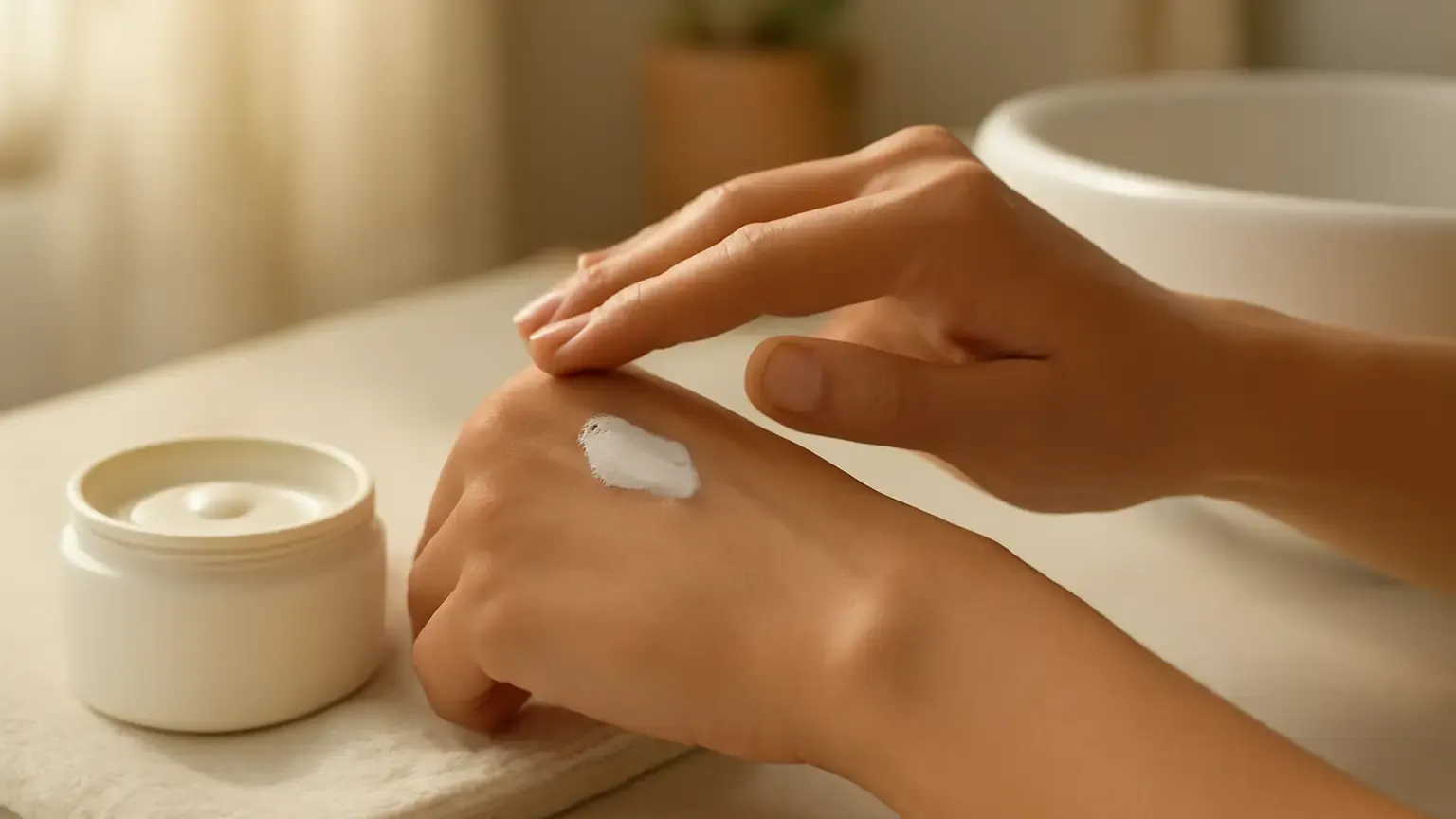
The timing of a hand moisturiser matters. Apply it within a few minutes of washing, while the hands are clean and slightly damp. This helps hold some of that water near the surface instead of allowing the skin to dry completely and feel tight again.
Use enough product to cover the backs of the hands, palms, fingertips, cuticles and knuckles. These areas are often missed, especially when applying cream quickly. Reapply after handwashing whenever the skin feels tight, and keep a small tube near the sink or in a work bag so the habit is practical.
For daytime use, choose a formula that absorbs comfortably and does not make it difficult to handle your phone, utensils or paperwork. If you work with food, follow workplace hygiene requirements and allow the product to absorb fully before handling anything where residue would be unsuitable.
Fix 3: Choose ingredients that support the skin barrier
A useful hand cream for very dry hands usually combines ingredients with different jobs rather than relying on one fashionable ingredient. Humectants such as glycerin attract water to the outer skin. This is why a glycerin hand cream can feel especially helpful when hands are tight or dehydrated.
Emollients smooth the spaces between surface skin cells, while occlusive ingredients form a protective layer that slows water loss. Petrolatum, dimethicone, shea butter and certain plant oils may provide this sealing or softening effect. Products containing ceramides for skin barrier support can also be a sensible choice when the skin feels persistently dry from repeated washing.
For most people, a fragrance-free hand cream is a reasonable starting point if dryness is accompanied by stinging. A fragrance-free hand cream may reduce the chance of added irritation, although no formula suits everyone. Patch test a new product on a small area if your skin is reactive, and stop using it if it causes persistent burning, swelling or a worsening rash.
Fix 4: Protect hands during chores and known triggers
Water alone is not the only issue. Dishwashing liquid, laundry products, surface cleaners, soil and prolonged contact with wet materials can all contribute to dryness. Wear protective gloves for cleaning and dishwashing, especially if you already know that certain products make your hands rough.
Choose gloves that fit comfortably and avoid wearing them for longer than necessary. If your hands sweat inside them, take breaks and dry the skin properly. A thin cotton liner may make gloves more comfortable for some people, but it should be changed if it becomes damp.
Pay attention to personal hand eczema triggers without assuming every dry patch is eczema. Fragrance, preservatives, rubber additives, detergents and repeated wet work can irritate some people. Keep a simple note of products or activities followed by burning, itching or redness. That pattern can help you make more informed choices and gives a dermatologist useful context if the problem persists.
Fix 5: Add overnight care for stubborn roughness
Night-time is useful because your hands are exposed to fewer products and less friction. After washing, apply a richer cream to the backs of the hands, knuckles, fingertips and cuticles. On particularly dry areas, press a thin layer of petrolatum ointment over the cream to reduce moisture loss.
This is the basis of simple overnight hand care. If comfortable, wear clean, breathable cotton gloves for a short period or overnight. They can help keep the product in place, but they are optional. Do not use gloves over wet skin, and remove them if heat, sweating or itching develops.
Do not seal in a product that causes burning, or cover open, weeping or infected-looking areas without professional advice. Overnight care should feel soothing and protective, not greasy to the point that it interferes with sleep or causes discomfort.
A simple hand care routine for dry skin
Morning
- Wash with a mild cleanser and lukewarm water.
- Pat dry, leaving the skin slightly damp.
- Apply a moisturiser over the backs of the hands, palms and knuckles.
- Use sunscreen on the backs of the hands when they will be exposed outdoors.
During the day
- Reapply after washing whenever hands feel tight.
- Use sanitiser when needed, then moisturise once it has dried.
- Wear protective gloves for detergents, cleaning and prolonged wet work.
- Keep a fragrance-free product within easy reach rather than waiting for cracking.
At night
- Cleanse gently and pat dry.
- Apply a richer cream, concentrating on rough knuckles and fingertips.
- Add a thin occlusive layer if the skin is very dry and the product is comfortable.
- Use optional cotton gloves only when the hands are dry and the gloves remain breathable.
What to avoid when hands are dry
Skip gritty scrubs, lemon juice, baking soda, undiluted essential oils and toothpaste-based DIY remedies. These ingredients may seem convenient, but they can irritate already vulnerable skin and make roughness more noticeable. Avoid peeling loose skin or cutting cuticles deeply, since this can create small breaks and increase tenderness.
Another common mistake is applying cream only once at bedtime while continuing to use hot water, strong detergents and frequent rubbing throughout the day. Consistency matters more than using an exceptionally thick product once. Similarly, do not judge a hand cream only by how quickly it disappears. A light lotion may be convenient for daytime, while a richer cream or ointment may be more suitable for night.
When to seek professional advice
Consider speaking with a dermatologist or doctor if dryness continues despite several weeks of gentle care, or if you have intense itching, spreading redness, swelling, painful fissures, blisters, bleeding, pus or recurrent flare-ups. These signs may need professional assessment rather than increasingly strong home remedies. Seek prompt advice if a reaction is sudden or severe.
Quick takeaway
Effective dry skin hand care is a repeatable routine: cleanse gently with lukewarm water, moisturise while skin is slightly damp, choose barrier-supportive ingredients, protect hands from detergents and use richer overnight care when needed. The best routine is the one you can repeat after washing without adding irritation.
Products that may help with this routine
Choose only what fits your skin, hair or personal needs. Use the links below to view current options on Amazon India.
Frequently Asked Questions
What is the best hand care routine for dry skin in India?
Use a gentle hand wash and lukewarm water, pat rather than rub, and apply a moisturiser while the hands are slightly damp. Reapply after washing, wear protective gloves for household chores and use a richer cream at night if the skin remains rough.
What should I use for very dry rough hands?
Look for a fragrance-free cream containing moisturising and barrier-supportive ingredients such as glycerin, ceramides, dimethicone, shea butter or petrolatum. A cream followed by a thin occlusive layer at night may feel more protective than a light lotion alone.
How often should I apply hand cream to dry hands?
Apply it after washing whenever possible and whenever your hands feel tight. At minimum, use it several times during the day and again before bed. If frequent application is inconvenient, keep a tube beside the sink, in your work bag or near household cleaning supplies.
Is hot water bad for dry hands?
Very hot water can remove surface oils more quickly and may increase tightness. Lukewarm water is usually a gentler choice. The cleanser, washing frequency, drying method and moisturising habit also affect how dry your hands feel.
Can glycerin help dry hands?
Glycerin is a humectant that helps attract and hold water in the outer skin, so it can be useful in a hand cream for dryness. It works well when combined with emollient or occlusive ingredients that help reduce moisture loss.
How can I repair a damaged hand skin barrier?
Reduce irritants, avoid hot water and harsh DIY treatments, use a gentle cleanser, moisturise damp skin frequently and protect your hands during wet work. If cracking, itching, redness or pain persists, consult a dermatologist or doctor for personalised advice.