A useful dry skin body care routine is simple: keep showers lukewarm and brief, cleanse only where needed, moisturise while skin is still damp, and give elbows, knees and heels an extra layer at night. This guide is for anyone dealing with tight, flaky or rough body skin, especially in dry Indian winters or after frequent bathing. The key decision is choosing barrier-supporting moisture over aggressive scrubbing, which can make high-friction areas feel rougher.
Dry body skin often becomes most noticeable on the elbows, knees, heels, ankles and knuckles. These high-friction skin areas are exposed to rubbing from clothing, floors, footwear and daily movement. They may also have fewer natural oils or receive less consistent moisturising than the face. A good routine does not try to remove every visible flake. It reduces water loss, softens built-up roughness gradually and protects the skin barrier.
What a dry skin body care routine should do
The aim is to make skin comfortable and flexible, not unnaturally shiny or perfectly smooth overnight. A practical routine has four parts:
- Gentle cleansing: remove sweat, sunscreen and dirt without stripping the skin.
- Water-smart bathing: use lukewarm water and avoid long, very hot showers.
- Layered moisturising: apply a humectant- and emollient-rich product soon after bathing.
- Targeted care: add a thicker cream or balm to rough elbows, knees and heels.
Ingredients such as glycerin, ceramides, fatty acids and petrolatum can support a dry skin routine in different ways. Glycerin attracts water to the outer skin, while ceramides and emollients help improve the feel of a compromised barrier. Occlusive ingredients such as petrolatum help slow moisture loss, particularly overnight.
Build your body care routine around bathing
Before and during the shower
Keep the water comfortably warm rather than hot, and aim for a short shower. Hot water can leave dry skin feeling tighter by removing more of its surface oils. Use a fragrance-free body wash on areas that genuinely need cleansing, such as the underarms, feet and skin folds. The rest of the body may only need water and the rinse-off foam that reaches it.
A fragrance-free body wash is especially useful if your skin stings, flakes or feels tight after cleansing. Avoid rough loofahs, stiff brushes and vigorous rubbing. They can create small areas of irritation even when they make the skin feel temporarily smooth. Pat dry with a towel instead of dragging it across the skin.
Immediately after bathing
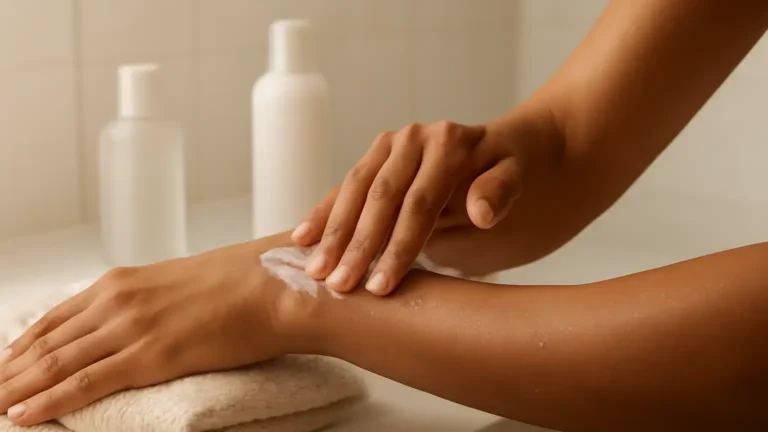
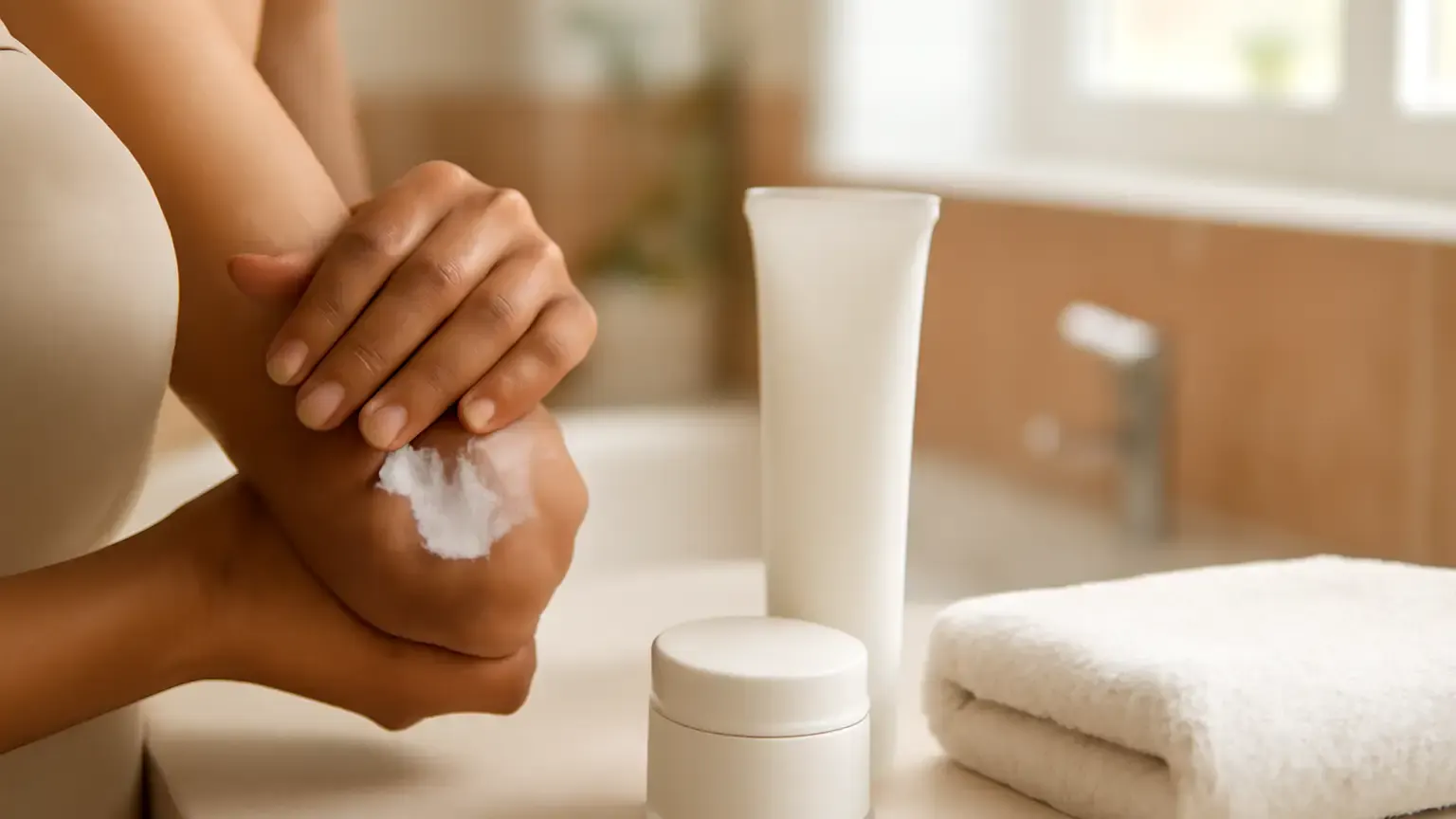
Post-shower moisturising works best when the skin is slightly damp. You do not need to wait until the body is completely dry. Within a few minutes of stepping out, smooth on a body moisturiser for dry skin, paying attention to the shins, forearms, elbows and knees. Choose a lotion for daytime convenience or a cream when skin feels persistently tight.
Can you use body lotion immediately after bathing? Yes. Applying it while the skin is still damp helps reduce the dry, tight feeling that can develop after water evaporates. It does not mean the product must be applied while water is dripping; gently towel-dried skin is ideal.
Choose products by skin need, not just texture
Product labels can be confusing, so use the following distinctions:
- For everyday dryness: look for glycerin, ceramides, squalane, shea butter or other emollients in a comfortable lotion or cream.
- For very rough patches: choose a richer cream or ointment-like balm. Apply it over normal lotion if the area loses moisture quickly.
- For heels: a urea foot cream can help soften thick, rough skin. Follow the product directions and avoid applying exfoliating creams to cuts or visibly irritated skin.
- For sensitive skin: favour minimal-fragrance or fragrance-free formulas and introduce one new product at a time.
Urea, lactic acid and salicylic acid can loosen excess surface roughness, but more active does not always mean better. If a product burns, causes marked redness or makes skin peel excessively, stop using it on that area and return to a plain moisturiser. Patch testing on a small area is sensible when trying a new formula.
How to treat rough elbows and knees
For rough elbows and knees, start with daily moisturising rather than scrubbing. After a shower, apply a cream to the damp skin. At night, add a thin layer of an occlusive balm over the cream if these areas remain dry. This two-step approach traps moisture and is often more useful than using a harsh scrub.
If the skin is intact and comfortable, gentle body exfoliation can be added once a week. A mild leave-on exfoliating body lotion may be easier to control than a gritty scrub. Do not exfoliate immediately after shaving, waxing or using a strong active product. Skip exfoliation altogether when the skin is cracked, sore, itchy or inflamed.
How can you soften rough elbows and knees naturally? Consistent moisturising, shorter lukewarm showers and reducing friction are safer starting points than lemon juice, baking soda or abrasive kitchen scrubs. These home remedies can sting and may irritate already dry skin.
Cracked heels care: a separate night routine
Heels often need more than a light body lotion because pressure and friction can create a thick, dry surface. In the evening, wash gently, dry carefully between the toes and apply a rich heel cream. A product containing urea may be useful for hard, rough skin; a plain balm or petrolatum layer can be applied over it if tolerated.
Wear clean cotton socks after moisturising to reduce transfer to bedding and help keep the product in place. Do not use a razor or aggressively file deep cracks. A soft foot file can be used sparingly on intact thick skin, but avoid it when there is bleeding, soreness or open fissuring. Comfortable footwear also matters: repeated rubbing can undo the benefit of a good cream.
How often should you exfoliate dry body skin?
Most dry body skin needs exfoliation no more than once weekly, and some people do better without it. Begin with moisturising for two weeks before deciding whether roughness still needs extra care. If you exfoliate, choose one method: a gentle chemical body lotion or a soft physical exfoliant, not several products layered together.
Exfoliation should never be used to remove a tan quickly, erase natural colour variation or force dark-looking elbows and knees to match surrounding skin. The appearance of these areas can be influenced by friction, dryness and normal pigmentation. Focus on comfort and texture. If roughness is persistent, spreading or accompanied by significant itching, pain or changes that concern you, seek advice from a dermatologist.
Adjust the routine for Indian weather and habits
A dry body skin routine in India may need to change with the season and location. In winter or dry inland weather, use a cream instead of a thin lotion and reapply to elbows, knees and shins. In humid weather, a lighter lotion may feel more comfortable, while heels and other rough patches can still receive a richer product at night.
Frequent bathing, hot water, swimming and air-conditioning can all increase tightness. If you spend time outdoors, use body sunscreen for dry skin on exposed areas such as the arms, neck, shoulders and feet. A moisturising sunscreen can combine two steps, but reapplication is still important during prolonged outdoor exposure.
Common mistakes that keep body skin rough
- Scrubbing daily: temporary smoothness can be followed by more irritation and dryness.
- Using face products everywhere: a small facial moisturiser may not provide enough coverage or richness for the body.
- Moisturising only when skin looks flaky: regular use is more effective than occasional rescue care.
- Ignoring friction: kneeling, leaning on elbows, rough fabrics and tight footwear can maintain rough patches.
- Applying actives to broken skin: acids and urea can sting when the skin barrier is compromised.
- Expecting instant changes: texture usually improves gradually with consistent care.
A simple weekly plan
Daily: take a short lukewarm shower, cleanse gently, moisturise damp skin and add a thicker cream to elbows, knees and heels. Use sunscreen on exposed body skin during the day.
One evening each week: if your skin is comfortable and intact, use one gentle exfoliating product on rough areas, then moisturise. Do not combine it with a scrub, retinoid or other potentially irritating active.
Every night for heels: apply a heel cream or rich balm and wear breathable socks if useful. Reduce friction with supportive, well-fitting footwear.
Reassess after several weeks: if the skin remains very painful, deeply cracked, persistently itchy, inflamed or unusually changed, consult a dermatologist or doctor. General body care is not a substitute for assessment of ongoing or severe symptoms.
Concise takeaway
The best dry skin body care routine is built on gentle bathing, moisturising while skin is damp and targeted night care for elbows, knees and heels. Limit exfoliation to what your skin tolerates, choose richer barrier-supporting products in dry weather, and reduce friction wherever possible. Consistency matters more than using many products.
Products that may help with this routine
Choose only what fits your skin, hair or personal needs. Use the links below to view current options on Amazon India.
Frequently Asked Questions
What is the best dry skin body care routine?
Use a short lukewarm shower, a gentle cleanser on areas that need it, and a fragrance-free cream on slightly damp skin. Add a richer balm to rough elbows, knees and heels at night.
How often should you exfoliate dry body skin?
Start with once a week at most, and only when the skin is intact and comfortable. Many people with very dry or sensitive skin may need less exfoliation or none at all.
What should I apply on cracked heels at night?
Apply a rich heel cream, such as one formulated with urea, followed by a plain occlusive balm if needed. Wear breathable socks, and avoid filing or applying actives to open, bleeding cracks.
Which moisturiser is best for dry skin in India?
Choose a fragrance-free lotion or cream with ingredients such as glycerin, ceramides, emollients or petrolatum. Use a lighter texture in humid weather and a richer cream during dry winter conditions.
Can I use body lotion immediately after bathing?
Yes. Apply it within a few minutes of gently towel-drying, while the skin still feels slightly damp. This helps reduce moisture loss and post-shower tightness.
How can I soften rough elbows and knees naturally?
Moisturise consistently, keep showers lukewarm, reduce friction and avoid abrasive scrubs or acidic home remedies. If the roughness persists or becomes irritated, seek professional advice.