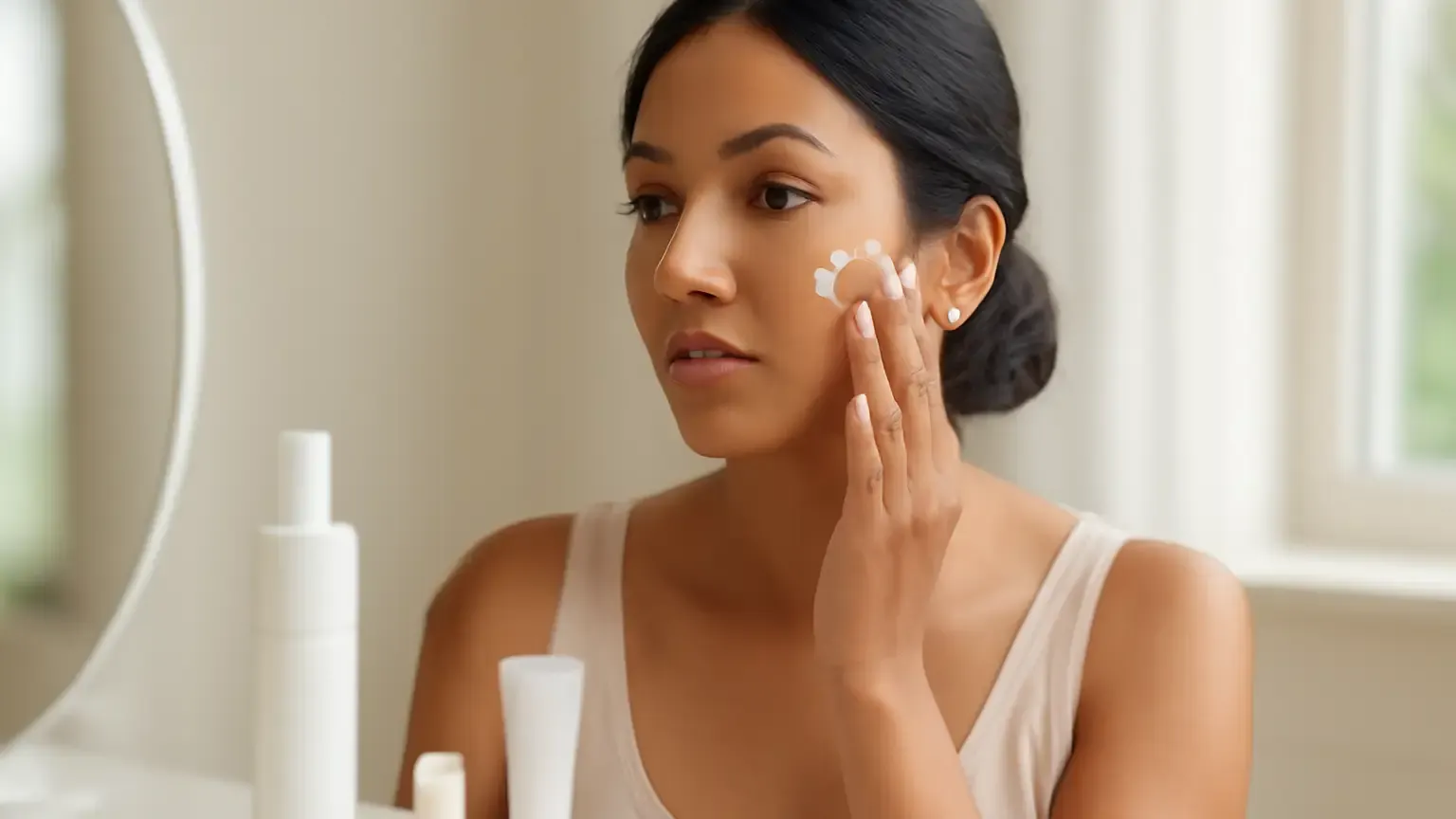
Skin care tips for sunscreen reapplication matter most if you commute, work near windows, exercise outdoors or wear makeup in India’s heat. Reapply after prolonged sun exposure, sweating, swimming or towel-drying; for routine touch-ups, choose a lotion for the most reliable coverage, a stick or cushion for makeup, and mist only as a convenient refresh—not your sole protection. Four simple layering habits can reduce pilling, patchiness and disruption.
Sunscreen reapplication is not only about choosing a high SPF. The format, amount, timing and order of your products all affect whether your protection looks smooth or rolls into little flakes. This is especially noticeable in hot, humid weather, when sweat and excess sebum make cosmetic layering less predictable.
When does sunscreen need to be reapplied?
For everyday indoor routines, apply a broad-spectrum sunscreen in the morning as the final skincare step before makeup. Reapply when you have had extended direct sun exposure, or after sweating, swimming, vigorous exercise or wiping your face with a towel. People who commute, sit beside bright windows, drive frequently or spend time outdoors should plan a daytime touch-up rather than relying on the morning application.
There is no useful benefit in applying a thick new layer every hour if you have remained indoors and your face has not been rubbed or exposed to sweat. However, a morning application can become uneven as the day progresses. Sunscreen reapplication frequency should therefore reflect exposure and product loss, not a rigid clock alone.
Use enough product for the initial application. A practical face-and-neck guide is the two-finger rule: dispense two lines of sunscreen along two fingers, then apply in sections. A light layer spread evenly is preferable to a large amount rubbed aggressively over makeup later.
Which sunscreen format is best for touch-ups?
Each format solves a different problem. The most suitable choice depends on whether you need dependable coverage, speed, cosmetic neatness or portability.
Sunscreen lotion: best for dependable coverage
A sunscreen lotion is generally the strongest choice for the first application and for a full reapplication when you are able to remove or move makeup aside. It is easier to measure than a stick or mist and can be spread over the face, ears, jawline and neck with fewer missed areas. Choose a lightweight, makeup-friendly sunscreen if you dislike heaviness, and allow it to settle before applying foundation.
For sunscreen for oily skin, look for a fluid or gel-lotion texture that dries down comfortably rather than adding several rich layers. If you have sunscreen for sensitive skin needs, keep the rest of the routine simple and avoid introducing multiple fragranced or active products at the same time.
Sunscreen stick: convenient for targeted touch-ups
A sunscreen stick is compact and useful for the nose, cheekbones, forehead, ears and other exposed areas. It is a practical option for a handbag or office drawer, particularly when you need sunscreen touch up tips that do not require a mirror full of products.
Do not assume one quick swipe gives the same coverage as a measured lotion application. Apply several passes in a criss-cross pattern, then gently pat the product to even it out. Avoid pressing a dirty stick directly over visibly sweaty or dusty skin; blot first, or clean the surface when possible.
Sunscreen cushion: the most makeup-compatible option
A sunscreen cushion can be useful for light, controlled patting over foundation or concealer. It tends to disturb makeup less than rubbing in a lotion, making it attractive for office and travel touch-ups. Its limitation is coverage: a cushion puff can deposit too little product, particularly across larger areas. Build it in thin, overlapping sections and pay attention to the hairline and sides of the face.
Sunscreen mist: convenient, but easy to under-apply
A sunscreen mist feels refreshing and can be useful for exposed arms, the neck or a quick outdoor refresh. On the face, however, misting until the skin feels cool does not confirm adequate coverage. Wind, distance and uneven spraying can leave gaps, while inhalation and eye irritation are avoidable concerns.
Use a mist according to its label, keep your eyes and mouth closed, and spray in a well-ventilated area. If the product permits application to the hands first, spreading it evenly may be more reliable than spraying directly on the face. A mist should be treated as a convenience format, not automatically as a replacement for a measured lotion layer.
How to reapply sunscreen over makeup: four ways to reduce pilling
These four methods help protect the finish of your makeup while reducing sunscreen pilling and uneven patches.
1. Start with a clean, less-saturated surface
Before touching up, press blotting paper or a clean tissue over oily areas instead of wiping back and forth. Remove visible sweat and dust as gently as possible. If your face is heavily soiled after exercise or a long outdoor commute, a proper cleanse followed by sunscreen is more reliable than layering product over residue.
Do not apply a fresh sunscreen layer over wet sweat. Give the skin a moment to cool and dry, then use small amounts. This simple pause prevents the new layer from mixing with water, sebum and loosened base makeup.
2. Wait between skincare layers and use less friction
Sunscreen pilling often happens when products remain wet, too many layers are combined, or the skin is rubbed repeatedly. Apply moisturiser in a thin layer, wait until it no longer feels slippery, and then apply sunscreen with gentle spreading motions. After sunscreen settles, allow another short pause before foundation, concealer or powder.
During a touch-up, do not drag a lotion across the face as if removing cleanser. Place small dots or short strokes on one section at a time, then press and pat. A cushion or clean makeup sponge can help distribute a thin layer without pulling at the base.
3. Match the touch-up format to your makeup finish
For sheer or powder makeup, a sunscreen lotion applied in small sections may work well. Over fuller coverage, a cushion or carefully layered stick usually causes less disruption than massaging in a wet lotion. If your complexion is already dewy, choose a lighter amount and concentrate on exposed zones before blending the edges.
Those searching for how to reapply sunscreen over makeup without ruining it should remember that no format can guarantee an unchanged base. If you need a substantial reapplication after hours in direct sun, removing makeup and applying a measured lotion layer is the most dependable approach. Cosmetic convenience should not replace adequate coverage.
4. Rebuild the finish without piling on powder
After reapplication, let the sunscreen settle before using a small amount of powder only where needed. Heavy powder between multiple wet layers can make the complexion look cakey and may encourage more rubbing. Press rather than sweep, especially around the nose and under-eye area.
Setting spray is not automatically sunscreen. Unless a product is specifically labelled with an appropriate SPF and directions for sufficient application, it should be considered a makeup-finishing product rather than sun protection.
Choosing a format for common routines
| Routine | Most practical option | What to watch for |
|---|---|---|
| Morning skincare before makeup | Sunscreen lotion | Use a measured amount and wait before makeup. |
| Office-day touch-up over light makeup | Cushion or stick | Pat in sections; do not rely on one pass. |
| Long outdoor commute | Lotion when possible, stick for exposed zones | Reapply after sweat, wiping or prolonged exposure. |
| Post-workout refresh | Lotion after cleansing | Remove sweat and residue before reapplying. |
| Neck, arms and travel use | Lotion or mist, following the label | Spray evenly and avoid inhalation or the eyes. |
Common mistakes that cause patchiness
- Using too little product: A tiny amount may look elegant but cannot provide the coverage expected from the label.
- Rubbing over unset makeup: Friction lifts foundation and mixes pigments with sunscreen.
- Skipping the ears, hairline and neck: These areas are often exposed even when the centre of the face is covered.
- Layering incompatible textures: A rich moisturiser, silicone-heavy primer and wet sunscreen can roll when repeatedly rubbed together.
- Assuming SPF lasts unchanged all day: Sweat, towels, masks, hands and sebum can remove or redistribute the film.
- Treating a mist as a measured application: A refreshing sensation is not proof of even coverage.
A simple sunscreen touch-up routine
- Move into shade and let overheated skin cool.
- Blot sweat and oil gently; cleanse if the skin is visibly dirty or makeup is badly disturbed.
- Choose lotion for a more complete layer, or stick/cushion for a controlled makeup touch-up.
- Apply in small sections, using pressing and patting motions rather than vigorous rubbing.
- Wait briefly, then repair only the makeup areas that need it.
Keep a separate clean puff, sponge or applicator for touch-ups, and avoid sharing it. If sunscreen repeatedly causes burning, swelling or persistent irritation, stop using that cosmetic product and seek advice from a dermatologist or doctor, particularly if symptoms are severe or do not settle.
Takeaway
The most reliable skin care tips for sunscreen reapplication are to match the format to the situation, remove sweat before layering, allow products to settle and minimise friction. Lotion gives the clearest coverage, stick and cushion are useful for makeup-friendly touch-ups, and mist is best treated as a convenient supplement. Reapply after meaningful exposure or product loss, and choose a full measured lotion layer whenever protection matters more than preserving your makeup.
Products that may help with this routine
Choose only what fits your skin, hair or personal needs. Use the links below to view current options on Amazon India.
Frequently Asked Questions
How often should you reapply sunscreen?
Reapply after prolonged direct sun exposure, sweating, swimming, exercise or towel-drying. For ordinary indoor days, a morning application may be enough unless the product is rubbed away or you move into stronger sunlight.
How to reapply sunscreen over makeup without ruining it?
Blot oil and sweat first, then use a stick or cushion in small sections with pressing motions. For a substantial reapplication, removing makeup and applying a measured sunscreen lotion is more dependable.
What is the best sunscreen stick for touch ups?
Choose a broad-spectrum stick with clear application directions, a texture that does not drag, and a finish suitable for your skin. Apply several passes rather than assuming one swipe provides full coverage.
Can you reapply sunscreen without removing makeup?
Yes, for a light touch-up, especially with a cushion or stick. Pat instead of rubbing and accept that a full, even reapplication may require removing makeup first.
How do you stop sunscreen from pilling?
Use fewer skincare layers, let moisturiser and sunscreen settle, apply smaller amounts in sections and reduce rubbing. Blot sweat and oil before reapplying.
Is sunscreen cushion or stick better for makeup?
Both can be useful. A cushion often allows controlled patting over foundation, while a stick is more portable and practical for targeted areas. Neither should be assumed to provide full coverage after one pass.



