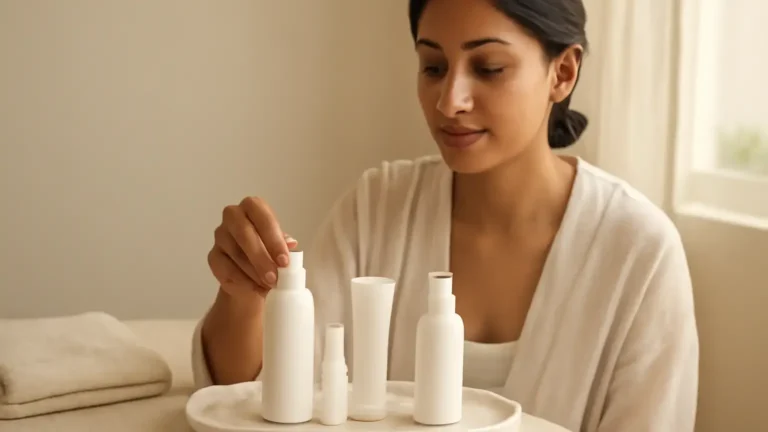
These skin care tips for face masks are for anyone who wants a clearer, calmer-looking face without overdoing active ingredients. Choose the mask according to your skin’s need, patch test first, follow the stated mask application time and avoid six common irritants: fragrance, harsh alcohol, rough scrubs, strong actives, hot water and unclean tools. Finish with a simple moisturiser, and use sunscreen after face mask use in the daytime.
Why safe mask use starts before application
A face mask is a targeted step, not a replacement for cleansing, moisturising or sun protection. The right formula can add hydration, absorb excess oil or gently lift surface buildup. The wrong combination, however, may leave skin feeling tight, hot, itchy or unusually dry.
Start with clean, dry hands and a freshly cleansed face. Unless the product instructions say otherwise, avoid applying a mask immediately after shaving, waxing, threading or using another exfoliating product. These steps can make skin more reactive.
Before using a new formula across your face, practise patch test skincare. Apply a small amount to an inconspicuous area, such as the jawline or behind the ear, and follow the product’s directions. A patch test cannot guarantee that irritation will never occur, but it is a sensible way to spot obvious sensitivity before a full application.
The six irritants to avoid before and after a face mask
1. Added fragrance and essential oils
Perfume, aromatic extracts and essential oils can be irritating for reactive skin, especially when left on for several minutes under warm or humid conditions. They may also make it harder to identify which ingredient caused discomfort in a multi-ingredient product.
For a sensitive skin routine, consider fragrance-free skincare with a short, clear ingredient list. “Natural” does not automatically mean gentle, and a pleasant scent is not evidence that a mask is more effective.
2. Harsh or drying alcohols
Some alcohols are useful solvents, while others can feel drying or sting when used in high amounts. If your face already feels tight, flaky or uncomfortable, avoid combining a mask with a strongly astringent toner or a drying alcohol-heavy product.
This is particularly relevant to an acne-prone skin routine. Removing too much surface oil at once may leave skin feeling stripped rather than balanced. Look at the overall routine instead of assuming that a stronger, drier finish means better pore care.
3. Rough physical scrubs and cleansing brushes
Scrubbing before a mask can create unnecessary friction. Grainy particles, cleansing brushes and vigorous rubbing may disturb the skin barrier, making a clay or exfoliating formula feel more intense.
Cleanse gently with lukewarm water and your usual mild cleanser. Do not massage a drying mask aggressively while removing it. If the mask has a peel-off texture, lift it slowly as directed rather than pulling repeatedly at the skin.
4. Strong exfoliating or retinoid products
Alpha hydroxy acids, beta hydroxy acids, retinoids and other potent actives can be useful in a well-planned routine, but layering them with an exfoliating face mask may increase dryness and sensitivity. Avoid using multiple high-impact steps together unless the product instructions or a qualified professional specifically supports that routine.
For the question “can you use a face mask after exfoliating?”, the safer general answer is to avoid stacking them on the same day, particularly if either product is new or your skin is sensitive. Keep the routine simple and reintroduce active products only when your skin feels comfortable.
5. Hot water, steam and over-cleansing
Very hot water can make the face feel flushed and dry. Long steam sessions are also not necessary for a mask to work. Use lukewarm water, rinse patiently and avoid washing repeatedly to remove every last trace of product.
If a clay face mask leaves your skin tight, reduce the frequency or choose a shorter application time rather than adding more cleanser afterwards. Tightness is a sign to reassess the routine, not a target result.
6. Unclean hands, brushes and heavy layering
Applying a product with unwashed hands or a damp, poorly cleaned brush can introduce unwanted debris. Wash reusable tools according to their care instructions and allow them to dry fully. Never share face-mask applicators without cleaning them properly.
After masking, avoid immediately covering the skin with several heavy products. Occlusive layers may feel uncomfortable, especially in hot and humid Indian weather. Choose one suitable post-mask moisturiser and add other products only when your skin genuinely needs them.
Choose the mask by your skin’s immediate need
Different mask types are designed for different jobs. The best face mask for sensitive skin is usually the one with the simplest, least irritating formula, not necessarily the one promising the most dramatic result.
- Clay face mask: Useful when excess oil or shine is the main concern. Apply a thin layer, avoid the eye and lip area, and do not wait for it to crack completely. A kaolin-based formula may feel less intense than a very absorbent mask, but every formula should be judged by how your skin responds.
- Hydrating face mask: Suited to skin that feels dry or tight. Look for humectants such as glycerin or hyaluronic acid and supportive ingredients such as ceramides. Follow it with moisturiser if the product instructions recommend rinsing or if your skin still feels dry.
- Exfoliating face mask: Intended to loosen surface buildup using acids or enzymes. Keep this separate from scrubs, retinoids and other exfoliants. Beginners should use it less often than a basic hydrating mask and follow the label carefully.
- Sheet mask: Convenient for a short hydration-focused step. It should not be left on until the fabric dries out. Remove it at the stated time, press in excess serum gently and apply moisturiser if needed.
Timing, frequency and application: a safe routine
When people ask “how long should you leave a face mask on?”, the correct answer is the time printed on that specific product. More time does not automatically deliver better results. If you feel burning, intense itching or marked discomfort, remove the mask rather than waiting for the timer.
- Read the directions: Check whether the mask belongs on dry or damp skin, whether it needs rinsing and how often it can be used.
- Prepare gently: Cleanse with lukewarm water, pat dry and skip scrubbing.
- Apply evenly: Use a thin, comfortable layer and avoid broken, freshly irritated or highly sensitive areas.
- Respect the mask application time: Set a timer if helpful, especially with exfoliating formulas.
- Remove without friction: Rinse with lukewarm water or peel off as directed. Do not scrape dried product.
- Replenish simply: Apply a suitable moisturiser while skin is slightly comfortable and clean.
How often should you use a face mask? It depends on the type and your skin’s response. A gentle hydrating or sheet mask may fit into a routine more often than an exfoliating or strongly absorbent clay mask. Start conservatively, such as once weekly for a new treatment formula, then adjust according to the label and your skin’s comfort.
What to apply after a face mask
The answer to “what to apply after a face mask?” is usually a gentle moisturiser suited to your skin type. Choose a lightweight lotion or gel if you dislike heaviness, or a richer cream if your face feels dry. Ingredients such as glycerin, ceramides and panthenol can support everyday skin barrier care.
In the morning, finish with sunscreen after face mask use. A broad-spectrum sunscreen with an appropriate SPF helps protect skin from UV exposure, especially after an exfoliating product. At night, keep the rest of the routine uncomplicated and avoid adding another strong active immediately after masking.
If the skin feels hot, persistently itchy, swollen or increasingly uncomfortable, stop using the new mask and rinse gently. Persistent or severe symptoms deserve advice from a dermatologist or doctor, particularly if the reaction affects the eyes or breathing.
Common face-mask mistakes to avoid
- Using a clay mask on every area of the face when only the T-zone is oily.
- Leaving a sheet mask on until it becomes dry.
- Using an exfoliating mask after a scrub or at-home peel.
- Assuming tingling always means the product is working.
- Skipping moisturiser because the mask already felt creamy.
- Applying a new mask before an important event instead of testing it earlier.
A simple takeaway for safer masking
Good skin care tips for face masks are less about using a mask frequently and more about choosing the right type, limiting irritants and respecting your skin’s signals. Patch test new formulas, keep exfoliation separate, follow the stated timing and finish with moisturiser. When in doubt, a gentle hydrating mask and a simple routine are usually easier to manage than several intense treatments layered together.
Products that may help with this routine
Choose only what fits your skin, hair or personal needs. Use the links below to view current options on Amazon India.
Frequently Asked Questions
How often should you use a face mask?
Use a mask according to its instructions and your skin’s response. A gentle hydrating or sheet mask may be used more often than a clay or exfoliating mask. Start with once weekly for a new treatment formula and adjust if your skin remains comfortable.
Can you use a face mask after exfoliating?
It is generally safer not to use an exfoliating mask immediately after a scrub, acid or retinoid product. Combining strong steps can increase dryness and sensitivity, particularly for reactive skin.
What should you apply after a face mask?
Apply a gentle moisturiser suited to your skin type. In the daytime, follow with sunscreen. Avoid adding several strong actives immediately after the mask.
How do you patch test a face mask?
Apply a small amount to an inconspicuous area, such as behind the ear or along the jawline, and follow the product directions. A patch test can help identify obvious sensitivity but cannot guarantee a reaction will not occur later.
How long should you leave a face mask on?
Follow the timing on the product label. Leaving a mask on longer does not necessarily improve results. Remove it early if you experience burning, intense itching or significant discomfort.