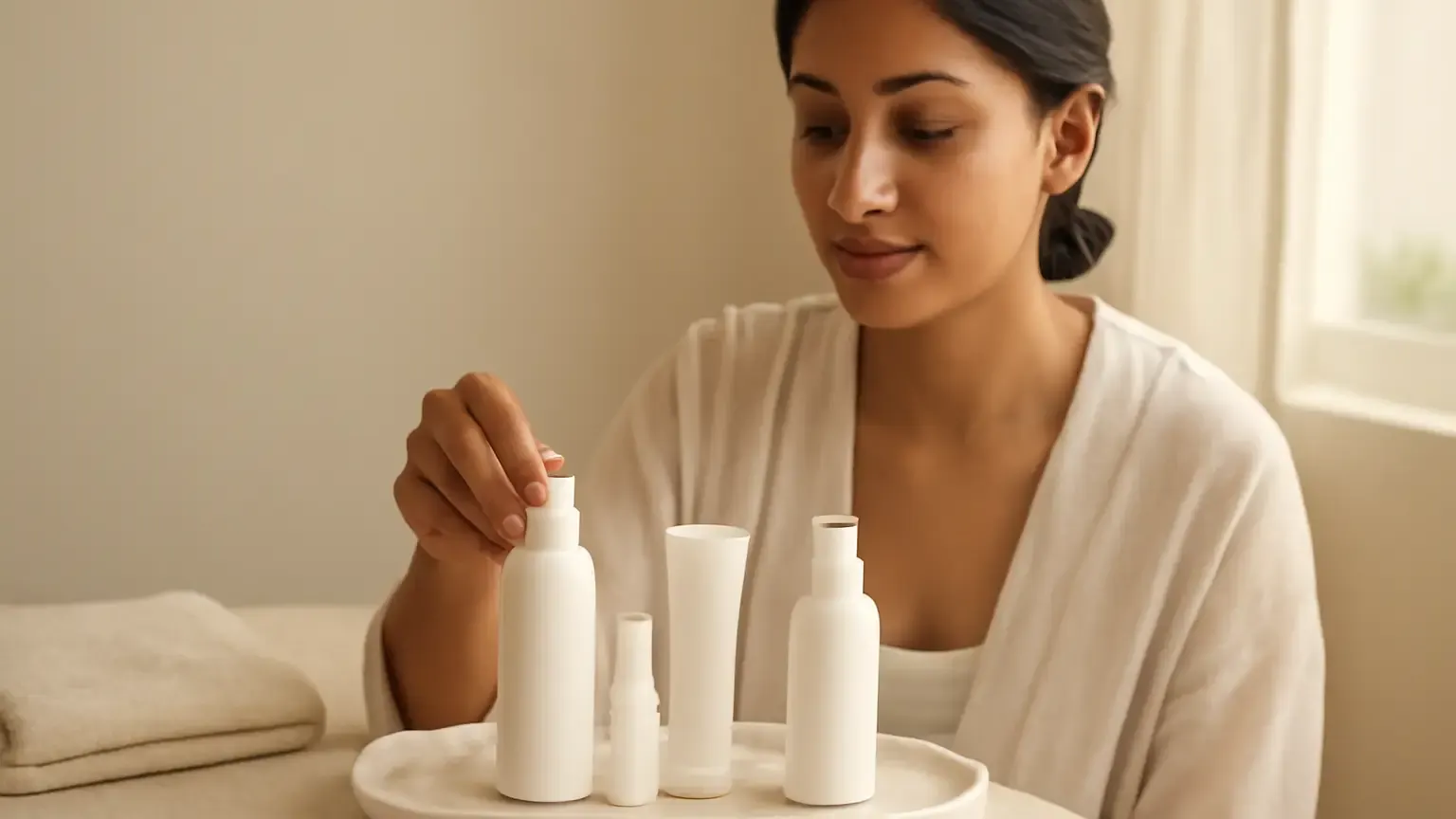
Seasonal skin care for October is about making small changes before cooler nights, lower humidity or continued post-monsoon heat make skin feel tight and unsettled. This guide is for people across India, from humid coastal cities to drier inland areas, who want a practical October skincare routine. Start by observing your climate and skin, then adjust cleanser strength, moisturiser texture, exfoliation, sunscreen and body care gradually rather than replacing every product at once.
October is a transition month in much of India. Monsoon moisture may be fading, but heat can remain strong in coastal and southern regions. Inland areas may begin to feel drier, while air-conditioned offices and cooler evenings can make the skin feel less comfortable. The right approach is not a fixed seasonal product list; it is a flexible routine that responds to humidity, sweat, indoor air and your skin’s behaviour.
What changes in October skin care?
Skin can feel oily on the forehead and dry around the cheeks at the same time. Some people notice more tightness after cleansing, flaky lips, rough elbows or increased sensitivity to familiar products. These changes often reflect a combination of weather, water loss, cleansing habits and indoor cooling—not necessarily a need for stronger treatments.
Use three observations to guide your routine:
- Humidity: In a humid city, sweat and sebum may still make lightweight layers more comfortable.
- Tightness: If skin feels stretched after washing, your cleanser or water temperature may be too harsh.
- Texture and sensitivity: Roughness, stinging or visible flakes are signals to simplify before adding exfoliating products.
A useful rule for skin care for October weather is to change one variable at a time. Give a new adjustment several days, unless it causes clear irritation, before deciding whether your skin needs another layer or a different texture.
Build a climate-aware October skincare routine
For humid and warm regions
In Mumbai, Goa, Kolkata, Chennai and other warm or coastal areas, humid climate skincare can still be light. Cleanse after heavy sweating, but do not repeatedly wash the face simply because it feels oily. A gentle cleanser used in the morning or evening, depending on your skin and activity, is usually a better starting point than a strongly foaming formula at every wash.
Choose a fluid or gel moisturiser containing humectants such as glycerin, and apply it to slightly damp skin. If you use a hydrating serum, keep the rest of the routine simple. A non-greasy broad spectrum sunscreen remains important because October sunlight can be intense even when the air feels less wet.
For dry or inland regions
In Delhi, Jaipur, Lucknow, parts of central India and other areas where the air begins to feel drier, dry climate skincare may need more cushioning. Consider a creamy, low-foam cleanser in the evening and a richer moisturiser on areas that feel tight. Ingredients such as ceramides, glycerin, squalane or shea butter can support comfort without requiring a complicated routine.
If your face is comfortable in the morning but tight by afternoon, apply moisturiser more consistently rather than immediately adding an oil or multiple serums. A barrier repair moisturiser can be useful when the skin feels dry or easily irritated, but “barrier repair” should not be treated as a promise to fix a medical condition. Persistent redness, burning or cracking deserves professional advice.
For variable weather and combination skin
A combination skin routine can use different textures on different zones. Apply a light moisturiser to the T-zone and a slightly richer layer to the cheeks if needed. This is often more practical than using a heavy cream everywhere or drying out the whole face to control shine.
Climate can also change during the day. If you commute through heat but spend hours in air conditioning, carry a simple moisturiser for dry patches rather than cleansing repeatedly. Blotting excess oil is less disruptive than scrubbing or layering astringent products.
Adjust cleansing and hydration before exfoliation
Start October changes with cleansing and hydration because these steps influence how well the rest of the routine feels. Use lukewarm water, massage cleanser briefly and pat—not rub—the face dry. Remove sunscreen and makeup thoroughly at night, but avoid turning removal into a long, abrasive process.
Hydration and moisturisation are related but different. A hydrating serum may add water-attracting ingredients, while a moisturiser helps reduce water loss and improves comfort. You may need both in dry conditions, but a moisturiser alone may be enough in humid weather. Apply products in thin layers and stop when the skin feels comfortable rather than sticky.
When planning exfoliation frequency, begin conservatively. If your skin is already smooth and calm, you may not need to increase exfoliation for the new season. If you use an exfoliating acid or scrub, avoid introducing several exfoliants together. Once weekly may be a reasonable starting point for many people, but sensitive or dry skin may need less, while product instructions and individual tolerance should guide use.
Do not exfoliate over freshly shaved, irritated or sun-exposed skin. Stinging is not evidence that a product is working better. Pause new actives if you develop ongoing burning, marked redness, swelling or worsening discomfort.
Keep sunscreen in the October routine
Shorter-feeling days or cooler mornings do not remove the need for daytime sun protection. Apply a broad-spectrum sunscreen to exposed areas as the final morning skin-care step, using the amount recommended on its label. Reapply when you are outdoors for extended periods, sweating heavily or wiping the face.
Choose a texture you can use consistently: a fluid may feel more comfortable in humid weather, while a moisturising sunscreen may suit drier skin. Sunscreen is not a replacement for shade, sunglasses, hats or protective clothing. If you are dealing with a persistent pigmentation concern or a prescribed skin treatment, ask a dermatologist how sun protection fits your care plan.
Extend the seasonal change to body, lips and hands
Face care often gets attention first, but October tightness can appear on the body. A practical body care routine includes shorter lukewarm showers, a mild body cleanser and moisturiser applied soon after patting the skin dry. Focus on shins, elbows, knees and feet if those areas become rough.
Keep a lip balm nearby and reapply when lips feel dry, especially in air-conditioned rooms or during travel. For hand care, use a simple hand cream after washing when possible. If hands are exposed to sunlight while driving or commuting, include them in your sunscreen routine.
Do not use a face exfoliant automatically on every rough body area. Body skin can tolerate different textures, but repeated scrubbing may worsen irritation. A plain moisturiser used regularly is often the most useful first step.
A gradual October adjustment plan
- Days 1–3: Observe. Note when your skin feels oily, tight, itchy or comfortable. Do not change every product at once.
- Days 4–7: Refine cleansing. Reduce unnecessary washing and switch to a gentler cleanser if the face feels tight after rinsing.
- Week 2: Improve moisturisation. Add a lightweight layer for humid weather or a richer layer to dry areas. Keep the application consistent.
- Week 3: Review exfoliation. Reduce frequency if there is sensitivity or flaking. Add no new exfoliant until the basic routine feels settled.
- Throughout October: Protect and maintain. Continue sunscreen, lip care and body moisturiser, adjusting texture as the weather changes.
This plan suits beginners and people whose skin becomes unpredictable during seasonal transitions. Those using prescription products, managing a known skin condition or experiencing persistent symptoms should follow their clinician’s instructions rather than making broad routine changes.
Common October skin-care mistakes
- Replacing everything at once: It becomes difficult to identify what caused irritation or improved comfort.
- Using a stronger cleanser for every oily feeling: Temporary freshness can be followed by tightness and discomfort.
- Skipping sunscreen because the weather feels cooler: Temperature does not determine daytime UV exposure.
- Over-exfoliating rough patches: Scrubbing can make the skin feel more sensitive instead of smoother.
- Choosing texture by trend rather than climate: A heavy cream may feel unpleasant in humidity, while a very light gel may not be enough in dry air.
- Ignoring the body: Lips, hands, feet and shins often show seasonal dryness early.
October skin-care takeaway
Good seasonal skin care for October is a controlled adjustment, not a complete reset. Match cleanser and moisturiser texture to your local climate, support comfort before increasing exfoliation, keep broad-spectrum sunscreen in the morning routine and moisturise the body after bathing. If your skin remains painful, severely irritated, swollen or unusually reactive, consult a dermatologist or doctor instead of continuing to experiment.
Products that may help with this routine
Choose only what fits your skin, hair or personal needs. Use the links below to view current options on Amazon India.
Frequently Asked Questions
How should I change my skincare routine in October?
Change one step at a time. Start by using a gentler cleanser if washing causes tightness, then adjust moisturiser texture to your local humidity. Continue sunscreen and keep exfoliation conservative while your skin settles.
What is the best skincare routine for October weather in India?
Use gentle cleansing, climate-appropriate moisturisation, daily broad-spectrum sunscreen and simple body care. Humid cities often suit lightweight layers, while drier inland areas may need a creamier cleanser and richer moisturiser.
What should an October skincare routine for dry skin include?
Dry skin may benefit from a low-foam cleanser, a moisturiser containing ingredients such as glycerin or ceramides, lip balm, body moisturiser and daily sunscreen. Avoid frequent scrubbing and introduce exfoliation cautiously.
How often should I exfoliate in October?
There is no single October schedule for everyone. If your skin is calm, once weekly may be a cautious starting point for some exfoliating products; dry, sensitive or irritated skin may need less or none. Follow product directions and stop if burning or persistent redness develops.
Should I use sunscreen in October?
Yes. Cooler temperatures or changing humidity do not eliminate daytime UV exposure. Apply a broad-spectrum sunscreen to exposed skin and reapply during prolonged outdoor activity, sweating or wiping.
What is the best skin care for October weather in humid cities?
Use a gentle cleanser without over-washing, lightweight hydration, a comfortable non-greasy moisturiser and broad-spectrum sunscreen. Add richer products only to areas that feel dry.