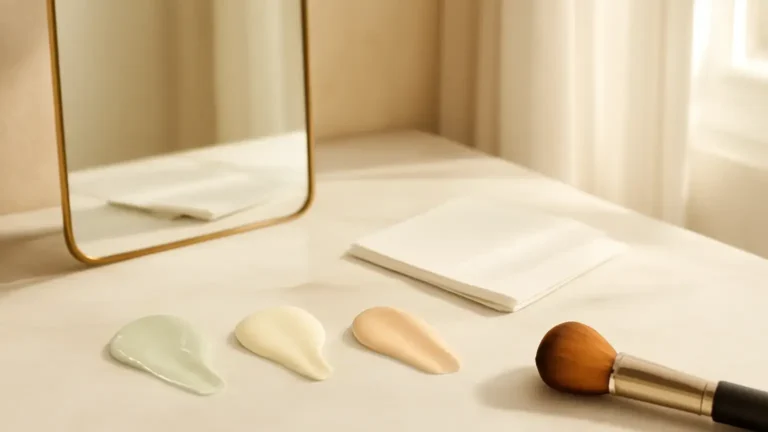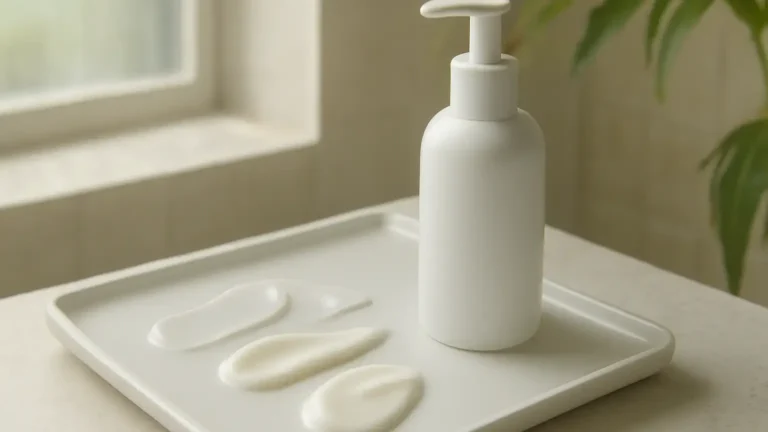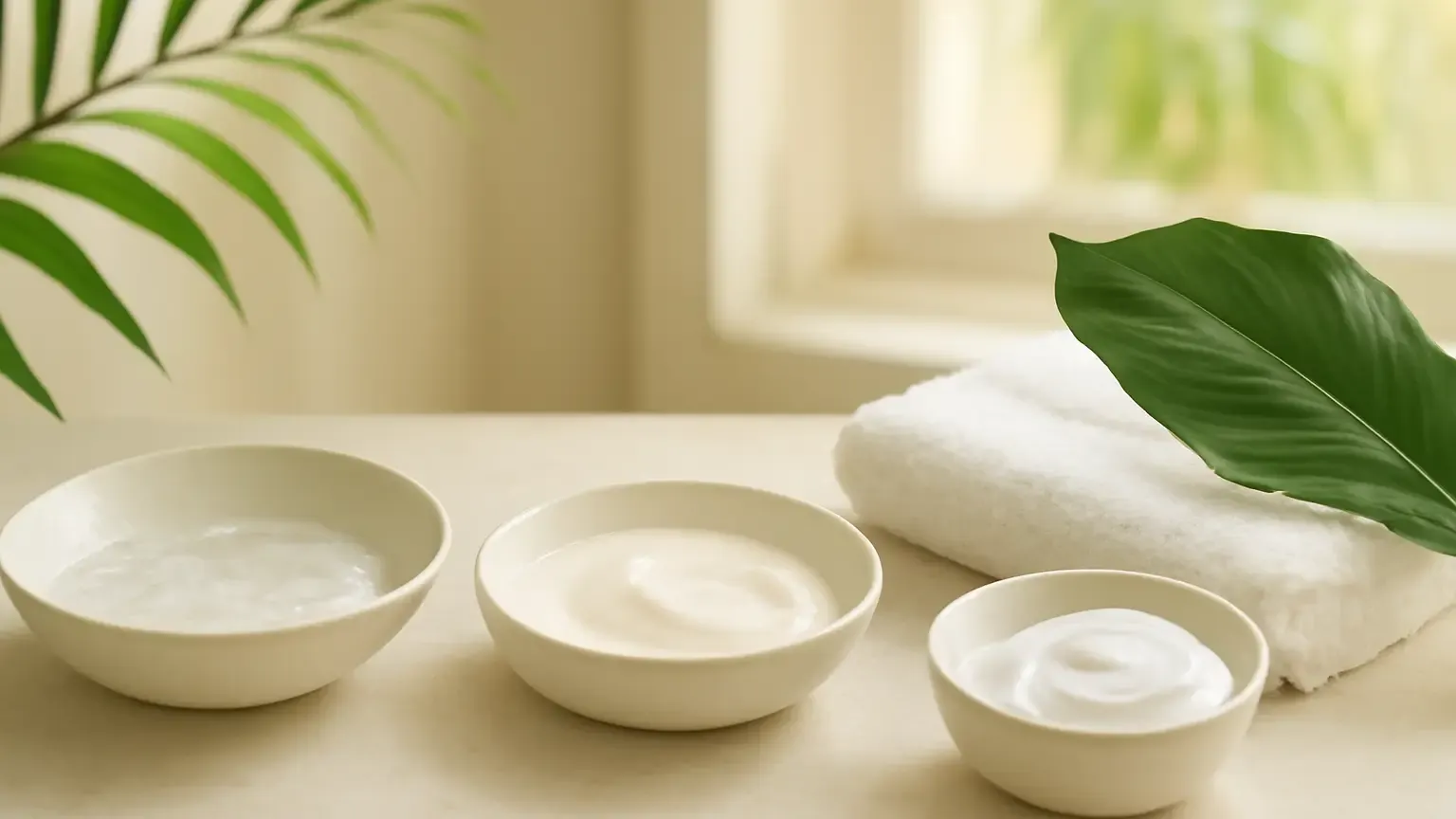
An acne prone skin moisturizer should feel comfortable, support the skin barrier and avoid leaving a heavy, congested film. For most oily skin in hot, humid Indian cities, a light gel is a sensible starting point; dehydrated skin, winter weather or frequent acne actives may call for a lotion or cream instead. This guide helps you choose by climate, dryness, finish and routine—not by texture alone—and introduces a careful way to test tolerance.
Moisturiser is useful even when skin is oily or breakout-prone. Cleansing, sun exposure, air-conditioning and acne-focused ingredients can all increase water loss from the skin. When the surface becomes tight or irritated, applying more strong products is rarely a comfortable strategy. The better approach is to choose a texture that supplies hydration without making your routine feel greasy or overloaded.
Gel, lotion or cream: what is the practical difference?
Texture is a helpful starting point, but it does not tell the whole formula story. A gel may be light yet contain ingredients that sting sensitive skin; a cream may feel rich but be appropriate for a dry, compromised barrier. Look at the full ingredient list, your climate and how your skin behaves after cleansing.
Gel moisturisers
A gel or gel-cream usually spreads quickly and leaves a fresh, low-residue finish. It is often a comfortable gel moisturizer for oily skin, particularly during hot and humid months. Humectants such as glycerin, hyaluronic acid or panthenol can attract water, while a light formula is less likely to feel sticky under sunscreen.
However, a very watery gel may not be enough for dehydrated skin. If your face feels tight again within an hour, flakes around the nose or becomes uncomfortable after cleansing, you may need a lotion or a gel-cream with more emollient support.
Lotions
Lotions sit between gels and creams. They can provide a useful balance for combination skin, mild dryness or people using potentially drying acne actives. A lotion may include humectants plus lightweight emollients, giving a softer finish without the density of a traditional cream.
For many people, a lotion is the most versatile lightweight face moisturizer for daily use. It can work in a humid climate when applied in a small amount, and it may be more comfortable than a gel during cooler, drier periods.
Creams
Creams generally contain a higher proportion of emollients and occlusive ingredients. They are worth considering when skin is visibly dry, rough, peeling or irritated from weather, frequent washing or active ingredients. A barrier repair moisturizer with ceramides, fatty acids or a similarly supportive blend can reduce the feeling of tightness.
A cream is not automatically pore-clogging, just as a gel is not automatically acne-safe. If you are worried about heaviness, choose a non-pore-clogging formula, use a thin layer and observe how your skin responds over several days rather than judging from one application.
Match your moisturiser to Indian climate and skin dehydration
Climate changes how a formula feels and how much support your skin may need. In hot, humid cities, sweat and sebum can make thick layers uncomfortable. A moisturizer for humid weather is usually best kept light, fast-spreading and compatible with sunscreen. You may prefer a gel in the morning and a lotion at night if your skin feels dry after cleansing.
In dry inland weather, winter or air-conditioned rooms, dehydration can occur even when the skin produces oil. This is where a hydrating moisturizer for acne prone skin can be more useful than a purely mattifying product. Choose hydration first, then control the finish by applying less product or reserving a richer texture for dry areas.
Climate is not the only variable. Sweat, dust, helmet friction, hard water, indoor cooling and long commutes can all affect comfort. Your best routine may change seasonally, but make one change at a time so you can identify what suits you.
Ingredients and finishes to prioritise
- Humectants: Glycerin, panthenol and hyaluronic acid can provide water-binding hydration without a heavy feel.
- Barrier-supporting ingredients: Ceramides and suitable emollients are useful when skin feels dry, tight or sensitised.
- Niacinamide: A moisturizer with niacinamide may appeal to those who prefer a lightweight formula, but keep the overall routine simple if your skin is reactive.
- Fragrance considerations: A fragrance free moisturizer can be a sensible choice when stinging, redness or sensitivity is a concern. Fragrance-free does not guarantee that every formula will suit you, so tolerance still matters.
- Finish: Matte, natural and dewy are preference clues, not proof of performance. A comfortable natural finish that prevents tightness may be more useful than a very matte product that leaves skin irritated.
If you are comparing a non comedogenic moisturizer India shoppers can easily find, remember that “non-comedogenic” is a helpful label rather than an absolute promise. Individual reactions vary, and the rest of the routine—including sunscreen, makeup and cleansing—also contributes to how congested skin feels.
Choose by routine, not just by skin type
A moisturiser should fit around your existing products. If you use salicylic acid, benzoyl peroxide or a retinoid prescribed or recommended for your routine, dryness may be a stronger concern than oiliness. You do not need to stop prescribed care; instead, discuss persistent irritation with a dermatologist or doctor and consider whether your moisturising step is sufficiently supportive.
For a simple morning routine, cleanse gently if needed, apply a thin layer of your acne safe skincare routine moisturiser, then use broad-spectrum sunscreen. At night, cleanse off sunscreen and makeup, apply any routine treatment as directed, and moisturise according to comfort. If your face is oily in the T-zone but dry on the cheeks, use less gel or lotion centrally and a slightly more nourishing layer on dry zones.
Do not stack several new products because a formula is labelled oil-free or non-comedogenic. An oil free moisturizer may feel preferable in humid weather, but oil-free does not mean water-rich, soothing or automatically better for every skin type.
How to introduce a new moisturiser carefully
- Read the formula and note your baseline. Record whether your skin currently feels oily, tight, itchy, flaky or comfortable. This makes changes easier to assess.
- Patch test first. Apply a small amount to a discreet area, such as along the jaw or behind the ear, for a couple of days. Avoid applying a new product over broken or highly irritated skin.
- Start with a small amount. Use a thin, even layer on clean, slightly damp skin. More product is not necessarily more hydrating.
- Change one variable. Keep cleanser, sunscreen and other products stable while assessing the moisturiser. This reduces guesswork.
- Monitor comfort and pattern. Note immediate burning, itching, persistent redness, unusual bumps, increased tightness or a consistently greasy film. A single small blemish does not prove causation, but a repeated pattern deserves attention.
- Adjust frequency or texture. If it feels too rich in the morning, reserve it for night or use it only on dry areas. If a gel leaves you tight, try a lotion rather than repeatedly adding layers.
Stop using a product that causes significant discomfort and seek professional advice if symptoms are persistent, severe, painful, spreading or associated with swelling. Product labels cannot replace individual medical guidance.
Common mistakes when buying an acne-prone moisturiser
- Choosing only by “oil-free”: Skin can be oily and dehydrated at the same time.
- Assuming richer equals pore-clogging: Formula composition, amount and personal tolerance matter more than texture alone.
- Using too many mattifying products: A harsh cleanser, drying treatment and matte moisturiser together can leave the barrier uncomfortable.
- Switching products too quickly: Give your skin a consistent routine long enough to notice comfort and recurring reactions, unless irritation appears sooner.
- Forgetting sunscreen compatibility: Pilling or excessive shine may make you apply too little sunscreen. Choose layers that sit comfortably together.
Quick decision guide
| Your situation | Starting texture | What to look for |
|---|---|---|
| Oily skin, humid weather, minimal tightness | Gel | Light humectants, quick absorption and a comfortable finish |
| Combination skin or mild dehydration | Lotion or gel-cream | Hydration plus lightweight emollients |
| Dryness, flaking or frequent active use | Cream or richer lotion | Ceramides, emollients and low-irritation support |
| Very sensitive-feeling skin | Simple lotion or cream | Fragrance-free formula and a short ingredient list |
Takeaway
The right acne prone skin moisturizer is the lightest texture that keeps your skin comfortable without creating a persistent heavy or congested feel. Choose a gel for humid, oilier conditions when it provides enough hydration; move to a lotion for balance; and consider a cream when dryness, weather or active use weakens comfort. Introduce it slowly, change one product at a time and judge the formula by your skin’s repeated response—not by its texture or marketing label alone.
Products that may help with this routine
Choose only what fits your skin, hair or personal needs. Use the links below to view current options on Amazon India.
Frequently Asked Questions
Which moisturizer is best for acne prone skin in India?
There is no single best texture for everyone. A light gel often suits oily skin in hot, humid weather, while a lotion or cream may be better for dehydration, dry climate or frequent use of acne-focused actives. Look for a comfortable, non-pore-clogging formula and introduce it gradually.
Is gel moisturizer better for oily acne prone skin?
A gel can be a practical starting point because it usually feels light and absorbs quickly. It is not automatically better, though: if your skin remains tight, flaky or uncomfortable, a lotion or gel-cream may provide more balanced hydration.
What moisturizer should I use for dry acne prone skin?
Try a lightweight cream or nourishing lotion with humectants and barrier-supporting ingredients such as ceramides. Apply a thin layer and choose a fragrance-free option if your skin is sensitive. Monitor tolerance rather than assuming every rich formula will suit you.
How do I choose a non comedogenic moisturizer for humid weather?
Choose a gel or light lotion with a finish you can comfortably wear under sunscreen. Check that the formula is labelled non-comedogenic or non-pore-clogging, but remember that labels are not guarantees. Patch test and observe your skin over time.
Can I use moisturizer with acne actives?
Yes, moisturiser can help maintain comfort when your routine includes acne-focused ingredients. Use products as directed, keep the rest of the routine simple and seek professional advice for persistent burning, swelling, severe irritation or worsening symptoms.
How do I introduce a new moisturizer to acne prone skin?
Patch test on a small area first, then apply a thin layer while keeping other routine products unchanged. Monitor tightness, itching, redness, unusual bumps and persistent greasiness. Change one variable at a time so your skin’s response is easier to understand.