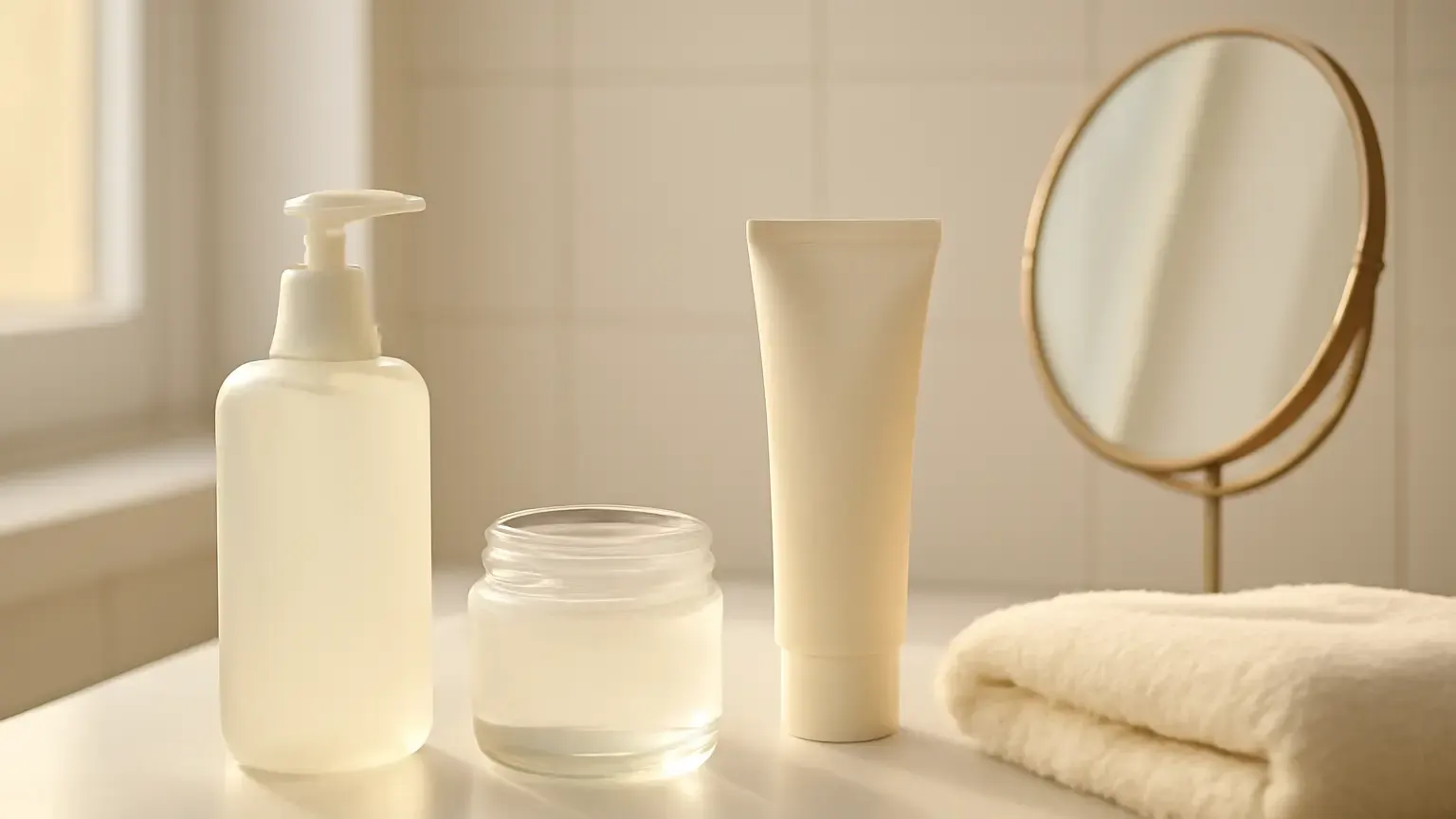
An oily skin morning routine works best when it controls excess shine without stripping the skin. For people in India’s warm, humid weather—especially those who wear makeup—use a gentle cleanser, a small amount of lightweight hydration, comfortable SPF 50 sunscreen and only targeted shine-control products. The goal is balanced, protected skin that feels fresh at midday, not a tight face that rebounds with more oil.
Why oily skin needs hydration in the morning
Oily skin produces more sebum, but oiliness does not mean the skin has enough water. Heat, air-conditioning, over-cleansing and strong active ingredients can leave the surface feeling tight while it still looks shiny. This combination is often described as dehydrated oily skin.
That is why the most reliable morning routine is not a “dry it out” routine. It is a short sequence that removes overnight sweat and excess oil, adds light water-based hydration, protects against UV exposure and creates a smooth base for makeup. In humid Indian weather, fewer well-chosen layers usually feel better than a long stack of products.
Use texture as your guide: gel, fluid, lotion and serum formulas are generally easier to tolerate than thick creams during the day. Your skin should feel comfortable after each step, with no stinging, tightness or heavy film.
Your oily skin morning routine: the four essential steps
1. Cleanse without leaving the skin tight
Begin with lukewarm water and a small amount of a gentle foaming cleanser. Massage it over the forehead, nose, cheeks and jaw for around 20 to 30 seconds, then rinse thoroughly. A cleanser can remove sweat, overnight skincare residue and surface sebum without the need for aggressive scrubbing.
If your face feels squeaky, stretched or uncomfortable after washing, the cleanser may be too stripping, or you may be using too much. Try a smaller amount, shorten the massage and avoid washing repeatedly before leaving home. Most people do not need a morning scrub.
Double cleansing is usually more useful at night when removing water-resistant sunscreen or makeup. It is not automatically necessary in the morning and may add dryness if your skin does not need it.
2. Add optional, lightweight treatment hydration
If your skin feels comfortable after cleansing, you may not need a separate serum. If it feels tight or your makeup clings to dry patches, apply a thin layer of a simple hydrating serum or a niacinamide serum. Niacinamide may suit people who want support for the appearance of uneven tone, visible pores and excess oil, but it is not essential for every routine.
Introduce one new product at a time. A formula with a modest ingredient concentration is often a sensible starting point, particularly if you also use exfoliating acids or other active products at night. Stop or reduce use if persistent burning, redness or worsening irritation appears.
3. Seal in comfort with a lightweight gel moisturiser
Apply a small amount of a lightweight gel moisturiser while the skin is slightly damp. This step is useful even for oily skin because a comfortable barrier can make sunscreen and makeup sit more evenly. Look for a water-based, fast-absorbing texture rather than choosing solely by the word “oil-free”.
How much you need depends on the weather and your skin. In very humid conditions, one thin layer may be enough. In a dry, air-conditioned office, you may prefer a little more on the cheeks and less around the nose and forehead. This area-by-area approach prevents the face from feeling uniformly greasy.
4. Finish with broad-spectrum SPF 50
Use an oil-free sunscreen with broad-spectrum SPF 50 as the final skincare step. Apply enough to cover the face, ears and exposed neck; two finger-lengths is a commonly used practical guide for face and neck, though the exact amount can vary with the product’s dispensing format. Let it settle for a few minutes before makeup.
The best sunscreen for oily skin and humid weather is one you can apply generously and reapply when needed. Look for a comfortable fluid, gel or lightweight lotion with a finish you are willing to wear daily. A sunscreen labelled non-comedogenic may be preferable if you are prone to blocked pores, but no label guarantees that a product will suit everyone.
How to layer skincare for oily skin in the morning
A simple order is: cleanser, optional serum, moisturiser and sunscreen. Makeup follows sunscreen. The general principle is to move from the thinnest, water-based texture to the final protective layer, but texture and formula compatibility matter more than rigid rules.
- Wait for absorption: Give each layer a short settling period instead of immediately rubbing on the next product.
- Use less product: Several heavy layers can cause pilling, especially beneath sunscreen and foundation.
- Press rather than over-rub: Patting sunscreen and makeup into the skin can reduce friction, although the product must still be spread evenly.
- Test combinations: Apply your full routine to one area of the face before an important event to check for rolling, greasiness or irritation.
If your sunscreen already feels moisturising, you can try skipping the separate moisturiser in the morning. Conversely, if sunscreen leaves your skin tight, keep the moisturiser but use a thinner layer. This answers a common question: should oily skin use moisturiser before sunscreen? Usually yes when the skin needs comfort; it can be optional when the sunscreen provides enough hydration.
Making an oily skin morning routine makeup-friendly
For an oily skin morning routine before makeup, prioritise a settled sunscreen layer over a large amount of primer. Once SPF has set, apply a small amount of mattifying primer only where shine appears first—often the forehead, sides of the nose and chin. Using it everywhere can make the complexion look flat or emphasise dry texture.
Choose non-comedogenic makeup where possible, but also consider the finish. Lightweight liquid or powder products may be more comfortable than thick, occlusive layers in hot weather. Apply foundation in a thin layer and build coverage only where needed. A waterproof or humidity-proof makeup formula may last longer in sweat, but remove it thoroughly at night and avoid using long-wear products if they repeatedly irritate your skin.
A useful midday strategy is to press blotting papers over shiny areas before adding a small amount of translucent powder. Do not drag the paper across the face, as rubbing can disturb sunscreen and makeup. Blotting controls surface oil temporarily; it does not reduce sebum production, so it should be treated as a touch-up rather than a skincare treatment.
Adjusting the routine for Indian weather
Climate, travel and indoor conditions can change what feels comfortable. During hot, humid months, keep the morning routine short and choose fluid textures. During cooler or drier periods, retain the same order but add moisturiser to the cheeks if they feel tight. If you commute outdoors, sweat heavily or spend time near windows, carry sunscreen for reapplication rather than relying on a high-SPF morning application alone.
Reapply sunscreen after prolonged outdoor exposure, sweating or wiping the face. Makeup users can choose a practical reapplication method, such as a compatible sunscreen layer after blotting or a product designed for use over makeup, while following its label directions. No method removes the need for an adequate first application.
Patch test new products on a small area before applying them to the entire face. Fragrance, essential oils and strong actives can be irritating for some people, especially when combined. If you have persistent painful breakouts, severe redness, swelling or ongoing burning, seek advice from a dermatologist rather than repeatedly changing products.
Common mistakes that increase midday shine
- Over-washing: Cleansing several times before lunch can increase tightness and make the routine harder to maintain.
- Skipping moisturiser automatically: Some oily skin still needs barrier-supportive hydration, particularly after active treatments or in air-conditioning.
- Using harsh scrubs: Physical scrubbing can create irritation without solving the cause of shine.
- Applying too much mattifying product: Excess primer or powder may cake, separate and highlight dehydration.
- Adding exfoliating acids to every morning: Acids can be useful in a carefully planned routine, but frequent use may increase sensitivity. Follow the product directions and introduce one active at a time.
- Ignoring sunscreen because of greasiness: Switch texture or finish rather than dropping daily UV protection.
How to personalise the routine
If your main concern is shine, start with cleanser, lightweight moisturiser and a comfortable matte or natural-finish sunscreen. If your cheeks feel dry, keep the oil-control products to the T-zone and use more moisturiser on the cheeks. If makeup separates, reduce the number of layers, allow sunscreen to settle and check whether the formulas are compatible.
If congestion is your concern, avoid picking and do not introduce several pore-focused products at once. A niacinamide serum may be a reasonable optional addition, while exfoliating acids should be used cautiously and according to their instructions. If a product causes persistent irritation or your skin concerns are severe, professional guidance is more appropriate than escalating a home routine.
Quick takeaway
The most practical oily skin morning routine is cleanse, hydrate lightly, moisturise where needed and finish with broad-spectrum SPF 50. Add primer, powder or blotting papers only to the areas that need them. For Indian weather, comfort and consistency matter more than chasing a completely matte face. The right routine should reduce distracting shine while leaving the skin flexible, protected and ready for makeup.
Products that may help with this routine
Choose only what fits your skin, hair or personal needs. Use the links below to view current options on Amazon India.
Frequently Asked Questions
What is the best oily skin morning routine for Indian weather?
Use a gentle cleanser, optional lightweight serum, a thin layer of gel moisturiser and broad-spectrum SPF 50. Choose fluid textures, allow sunscreen to settle and use blotting papers or targeted powder at midday if needed.
How should you layer skincare for oily skin in the morning?
Layer products from the lightest texture to the final protective step: cleanser, optional serum, moisturiser and sunscreen. Apply makeup only after sunscreen has settled, and reduce layers if products pill.
Should oily skin use moisturiser before sunscreen?
Yes, if the skin feels tight, dehydrated or uncomfortable. Use a small amount of lightweight moisturiser. If your sunscreen already provides enough hydration, you may be able to skip a separate morning moisturiser.
What sunscreen is best for oily skin and humid weather?
Choose a broad-spectrum SPF 50 in a fluid, gel or lightweight lotion texture that feels comfortable enough for daily use and reapplication. An oil-free or non-comedogenic label may help guide your choice, but personal tolerance still matters.
What should an oily skin morning routine before makeup include?
Keep it simple: cleanse, apply optional hydration, moisturise where needed and use sunscreen. After SPF settles, add a small amount of mattifying primer only to shiny areas, followed by thin layers of non-comedogenic makeup.
How can you stop oily skin from getting shiny at noon?
Avoid over-cleansing, use light layers in the morning, choose a comfortable sunscreen and blot excess oil before applying a little translucent powder. These steps manage surface shine without stripping the skin.