Hair Care Tips for Hair Extensions start with three practical steps: support the attachment, brush from the ends upward and keep conditioner away from tapes, bonds and clips. Remove clip-ins before washing and sleeping, while attached hair needs gentle scalp cleansing, careful drying and low-tension styling. Here is how to detangle, wash, condition, dry and maintain both types without unnecessary pulling or friction.
Start with the extension type and the maker’s instructions
Hair extensions do not all follow the same routine. Clip-in hair extensions are removed before washing and sleeping, while attached hair extensions remain connected to your natural hair and need care that protects the bonds, tapes, braids or stitched areas. Human hair extensions can usually be washed and styled more flexibly than synthetic hair extensions, but both types benefit from gentle handling.
Before changing your routine, check the directions supplied by your stylist or the extension manufacturer. They may specify a waiting period after installation, an approved washing schedule or restrictions on oils, swimming and heat styling. These instructions take priority because the attachment method, hair texture and placement affect what is suitable. If an extension feels painful, unusually tight or repeatedly slips, contact the professional who fitted it rather than trying to correct the attachment at home.
The right way to detangle hair extensions
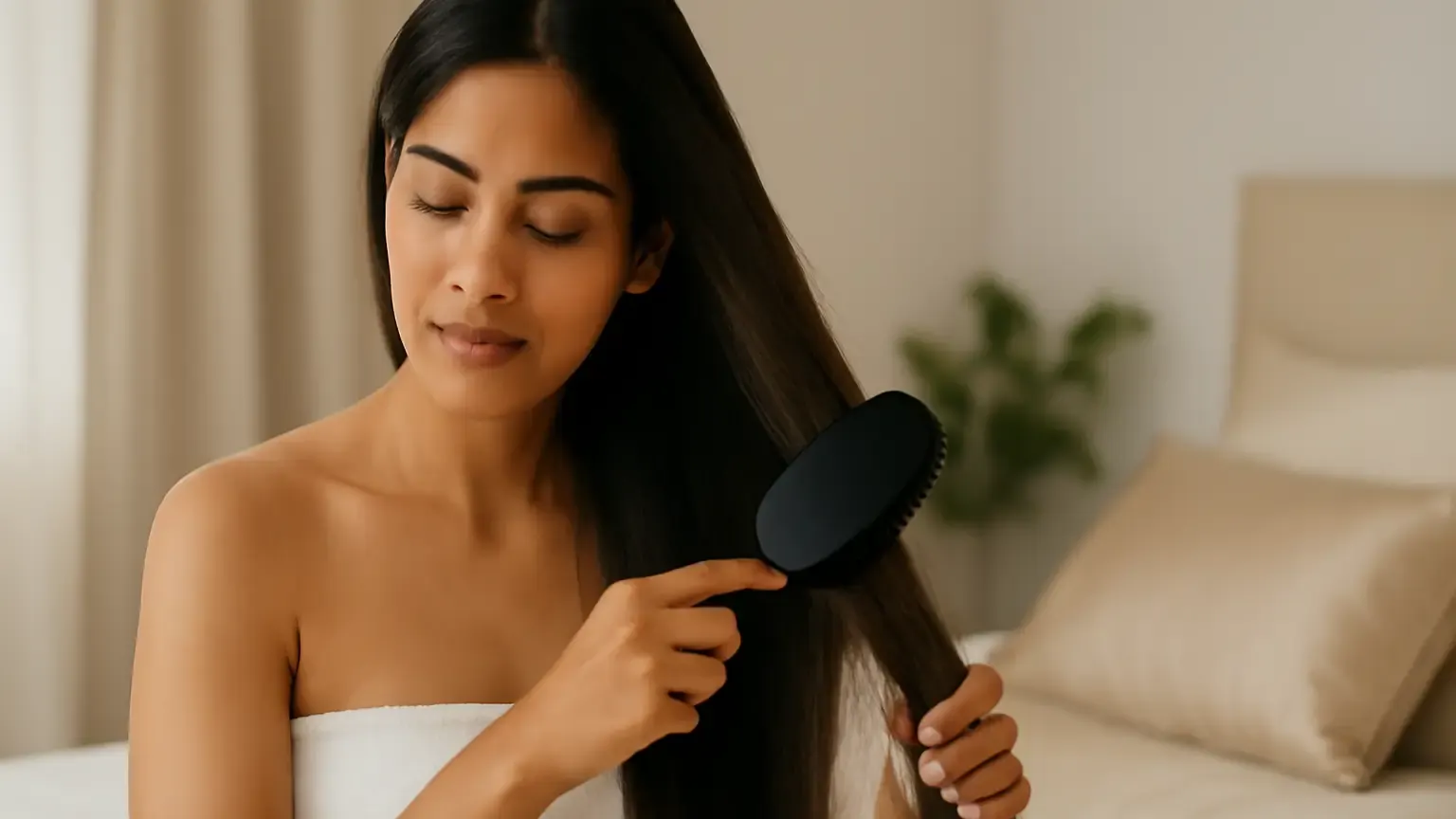
The best way to brush hair extensions is to work in small sections, support the attachment and move from the ends towards the roots. Do not pull a brush from the crown straight through a knot. This can tug on your natural hair and may loosen a clip, tape or bond.
- Separate the hair: Divide it into manageable sections with your fingers. For attached extensions, hold the hair near the attachment with one hand.
- Begin at the ends: Remove small tangles from the lowest few centimetres before moving higher.
- Progress upwards: Once the ends are smooth, work through the middle lengths and then the area above the attachment.
- Choose suitable tools: An extension brush or soft, flexible detangling brush can help. A wide-tooth comb may suit very curly or textured hair if it does not catch the attachment.
- Stop at resistance: Loosen a knot with your fingers instead of forcing the brush through it.
Brush before washing when the hair is reasonably dry and free of large knots. Wet hair is more vulnerable to stretching. If your stylist has recommended another technique for your texture or installation, follow that advice.
How often to wash hair extensions
There is no universal schedule for washing hair extensions. How often you should wash them depends on your scalp, exercise, climate, styling products and extension method. A practical starting point is to wash when the scalp feels oily, sweaty or uncomfortable rather than automatically cleansing the lengths every day.
Clip-ins usually need washing less often because they are removed after use. Attached extensions need regular scalp cleansing according to the stylist’s instructions. In warmer or more humid parts of India, sweat may make the scalp feel dirty sooner. After a workout, let the scalp cool, then cleanse when needed rather than leaving heavy sweat and product build-up in place for an extended period.
A gentle wash routine
- Detangle the lengths before entering the shower.
- Use lukewarm water and let it flow in the direction of the hair. Avoid rough circular scrubbing.
- Apply a mild, extension-safe shampoo mainly to the scalp and roots. Massage with your fingertips, not your nails.
- Allow the lather to travel through the lengths as you rinse. Do not pile the hair on top of your head, as this can create tangles.
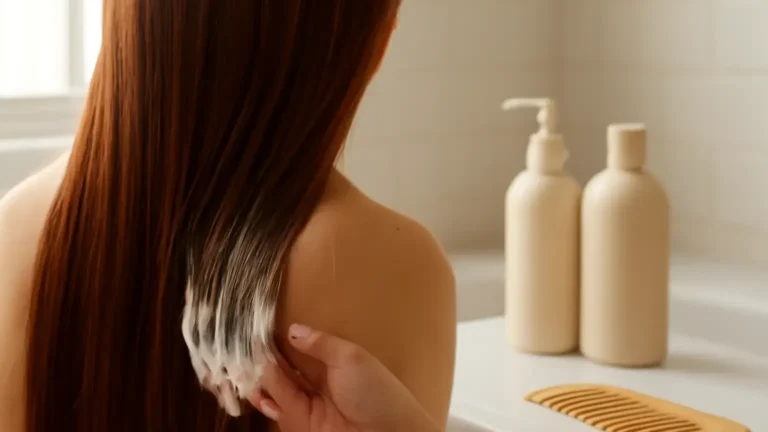
- Apply hair extension conditioner from the mid-lengths to the ends, keeping it away from tapes, bonds, clips and other attachment points unless your professional says otherwise.
- Rinse thoroughly so residue does not remain near the scalp or attachment.
Choose hair extension shampoo according to the extension material and installation. Do not assume that every moisturising or clarifying formula is suitable. Strong cleansing products, heavy oils and rich masks can affect some attachments, while products designed for extensions may still need to be kept away from the roots. Read the label and confirm compatibility when unsure.
Product placement matters more than product quantity
Extension-safe hair products are useful only when applied in the right place. The lengths and ends often need conditioning because they receive less natural oil than hair close to the scalp. The attachment area usually needs a lighter touch so it stays clean, secure and free from slippery residue.
- Shampoo: Concentrate on the scalp and allow the rinse water to pass through the lengths.
- Conditioner: Apply below the attachment, especially on dry ends.
- Leave-in conditioner: Use a small amount on the mid-lengths and ends, not directly over tape or bonds.
- Serum or oil: Smooth a tiny amount onto the ends if it is compatible with your method. Avoid the attachment unless instructed.
- Dry shampoo: Use sparingly and follow professional guidance because powder and residue can collect around some attachments.
When trying a new product, introduce one item at a time. Watch for increased slipping, residue, dullness or difficulty cleansing. If these changes appear, stop using the product and ask your stylist whether it is appropriate for your extension type.
Drying hair extensions without unnecessary damage
Drying hair extensions safely comes down to reducing water weight, friction and excessive heat. After washing, do not twist the hair into a tight towel turban. Instead, gently press the lengths with a soft towel or microfibre towel to remove excess water.
- Blot from the attachment area downwards without rubbing.
- Allow the hair to air-dry partially where practical.
- Use a hairdryer on a low or medium setting, keeping it moving rather than concentrating heat on one spot.
- Dry the attachment area thoroughly if your professional requires it, because prolonged dampness can cause discomfort or affect some methods.
- Finish with a cool setting if desired, then detangle gently once the hair is no longer dripping wet.
Heat protection for extensions is important before blow-drying, straightening or curling human hair extensions. Apply the product to the lengths according to its instructions, and keep it away from the attachment where required. Synthetic extensions may melt, frizz or change shape under heat, so do not assume they can be styled like natural hair. If the material is unknown, avoid hot tools until you have confirmed its heat tolerance.
Sleeping and daily habits that reduce tangles
Sleeping with hair extensions requires a different approach for removable and attached pieces. Can you sleep with clip-in hair extensions? Generally, clip-ins should be removed before bed. Leaving them in can place repeated pressure on the clips and natural hair and may cause avoidable matting. Store each piece flat or loosely arranged in a clean, dry place according to the manufacturer’s instructions.
Attached hair extensions usually remain in place overnight, but they should be completely dry unless your stylist has given different advice. Detangle gently, then gather long hair into a loose low braid or ponytail if that suits the installation. Avoid tight elastics and styles that pull repeatedly at one area. A smooth satin pillowcase may reduce friction, although it cannot replace careful brushing or correct installation.
During the day, secure hair loosely before exercise, travel or windy outdoor activity. Rinse after swimming as soon as practical and ask your stylist about a protective routine for chlorinated or salty water. Do not yank through tangles formed by sweat, humidity or scarves; separate the hair with your fingers first.
Clip-in versus attached hair: a simple care comparison
| Care decision | Clip-in extensions | Attached extensions |
|---|---|---|
| Washing | Remove before washing; clean only when needed. | Wash while installed, following the stylist’s schedule. |
| Sleeping | Remove before bed. | Keep dry and use a loose, low-tension style. |
| Brushing | Support each weft and brush from ends upward. | Hold near the attachment and avoid pulling across bonds or tapes. |
| Conditioner | Use on the lengths and ends, away from clips. | Keep it below the attachment unless instructed otherwise. |
| Professional help | Ask about material, washing and storage. | Book maintenance or removal at the advised interval. |
Common mistakes to avoid
- Brushing from the roots down through a knot.
- Scrubbing attached hair in circular motions.
- Applying oil, conditioner or a mask directly over tapes, bonds or stitched areas without approval.
- Going to bed with wet attached hair or wearing clip-ins overnight.
- Using high heat because the extensions are made from human hair; the attachment and your natural hair still need protection.
- Ignoring repeated slipping, discomfort, matting or scalp sensitivity.
- Using scissors, glue or home-removal methods to fix a failing attachment.
For persistent scalp discomfort, marked tenderness, broken skin or unusual hair shedding, seek advice from a qualified dermatologist or doctor. For an attachment problem without concerning symptoms, contact the extension professional who installed it.
A simple weekly maintenance checklist
At the start of the week, inspect the attachment areas in good light, check for tangles and clean your brush. On wash days, detangle first, cleanse the scalp gently and condition only the appropriate lengths. After every wash, dry thoroughly and check that no residue remains near the attachment. Before bed, remove clip-ins or secure attached hair loosely. Finally, keep scheduled hair extension maintenance appointments rather than waiting until the extensions become heavily tangled.
Key takeaway
The most reliable Hair Care Tips for Hair Extensions are gentle, consistent and specific to the installation: brush from the ends upward, wash according to scalp needs and professional guidance, place conditioner and oils below the attachment, dry with low friction and remove clip-ins before sleeping. When your extension method or product compatibility is uncertain, your stylist’s instructions should guide the final decision.
Products that may help with this routine
Choose only what fits your skin, hair or personal needs. Use the links below to view current options on Amazon India.
Frequently Asked Questions
What is the best way to brush hair extensions?
Separate the hair, support the attachment with one hand and brush from the ends upward in small sections. Use your fingers to loosen knots instead of forcing a brush through them.
How often should you wash hair extensions?
Wash when your scalp feels oily, sweaty or uncomfortable, while following the schedule recommended for your installation. Clip-ins are washed less often because they are removed, whereas attached extensions need regular scalp cleansing.
Can you sleep with clip-in hair extensions?
It is generally best to remove clip-in extensions before sleeping. This reduces pressure on the clips and natural hair and helps prevent overnight tangling.
How can you dry hair extensions without damage?
Blot gently with a soft towel, avoid rubbing or twisting, let the hair partially air-dry and use a moving hairdryer on a low or medium setting. Apply heat protection to the lengths when using hot tools.
Where should you apply products on hair extensions?
Apply conditioner, leave-in products and compatible serums mainly from the mid-lengths to the ends. Keep rich products away from tapes, bonds, clips and other attachments unless your professional advises otherwise.
How do you care for attached hair extensions?
Clean the scalp gently, hold the attachment while detangling, condition below the attachment, dry thoroughly and sleep with the hair loose or in a low-tension style. Always prioritise the fitting professional’s instructions.