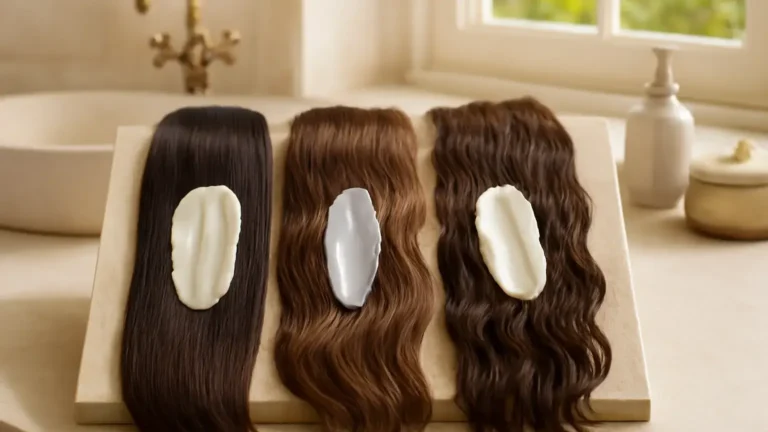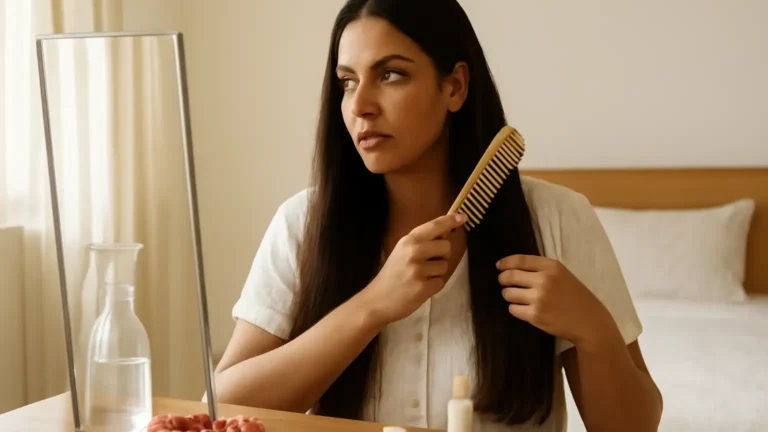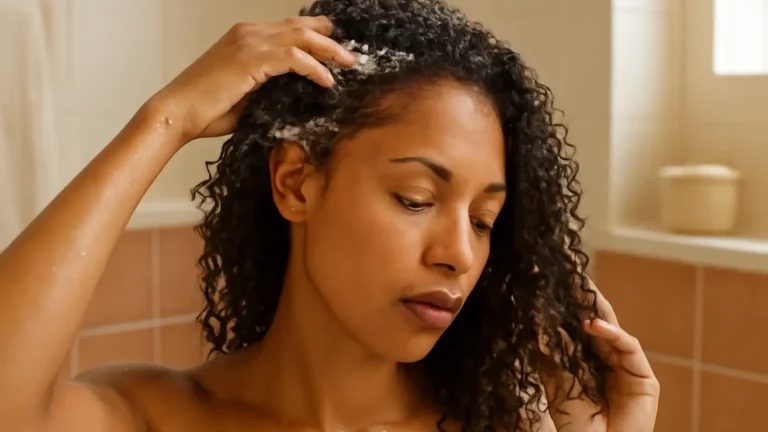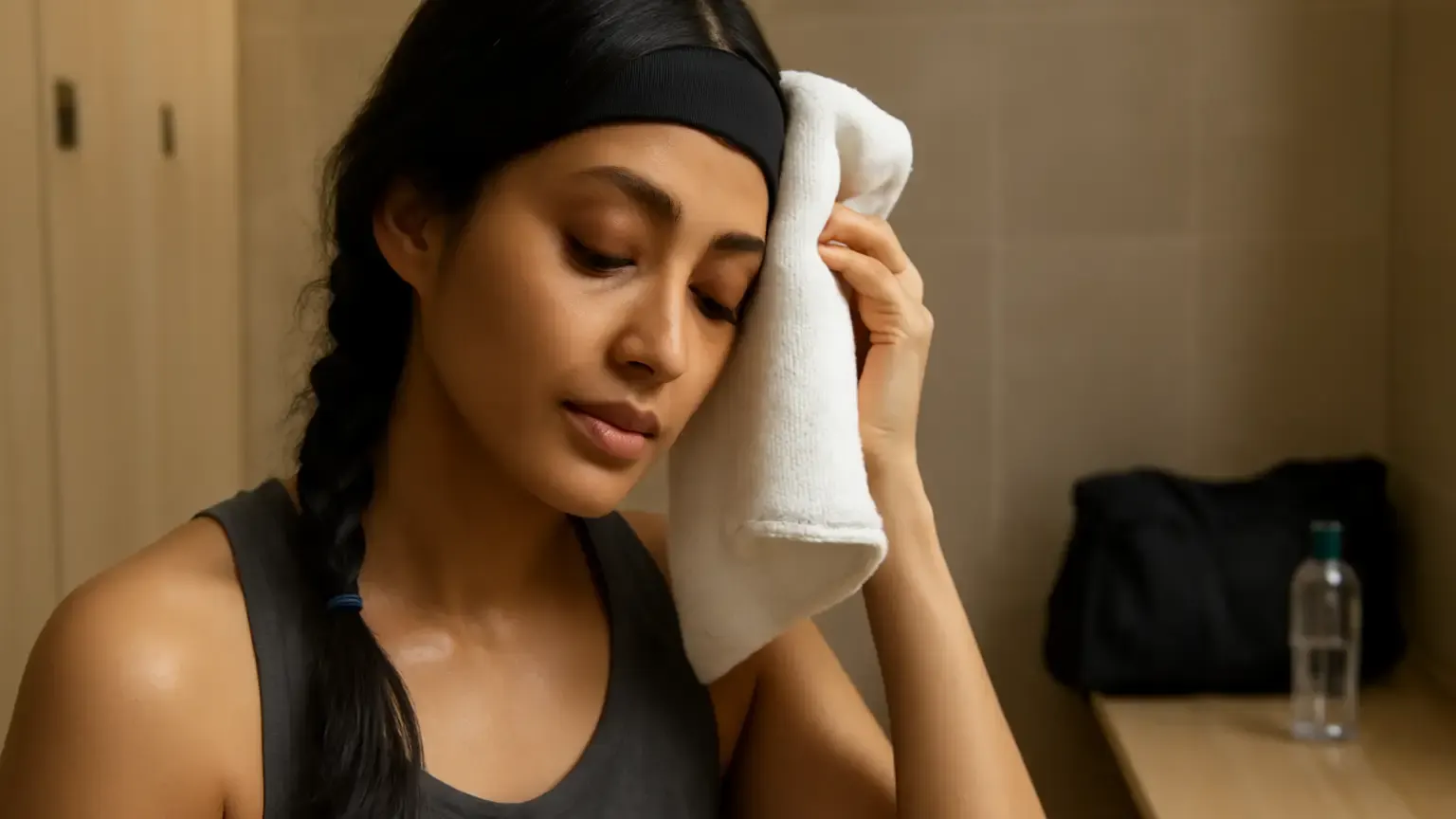
A hair care routine for gym goers should match how much you sweat—not force a full shampoo after every session. Light-sweat days may need only a cool-water rinse and a clean, loose hairstyle; moderate days can use targeted scalp cleansing; intense or prolonged workouts usually justify shampooing. This answer-first approach helps active people in India’s warm, humid conditions manage perspiration, frizz and scalp comfort without automatically overwashing.
A hair care routine for gym goers does not require shampooing after every workout. Match your response to the amount of sweat, the time it stays on your scalp and how your hair feels afterwards. A light session may need only air-drying or a water-only rinse, while soaked roots, visible residue or an uncomfortable scalp usually call for a gentle shampoo.
Why sweat does not always mean you need a full wash
Sweat is mostly water and salt, but it mixes with sebum, styling products, dust and pollution on the scalp. The result can feel sticky or itchy, especially after outdoor running, hot yoga or a long session in a crowded gym. However, shampooing the entire length every time you exercise can remove too much of the hair’s natural lubrication. Dryness, tangling and frizz may then lead to more conditioner, serum or heat styling.
For better sweaty scalp care, assess three things: how wet your scalp became, how long the sweat stayed on it and how your scalp and hair feel afterwards. Someone with an oily scalp may need more frequent cleansing than someone with dry, curly or chemically treated hair. The goal is a clean, comfortable scalp—not a fixed number of washes.
Sweat is not automatically harmful, but leaving a damp, product-coated scalp covered for hours may increase discomfort. If you notice persistent scalp buildup from sweat, grease, pollution or styling products, a more thorough cleanse may be appropriate. Ongoing itching, scaling or redness needs personalised professional advice rather than repeated product changes.
Before exercise: simple pre-workout hair protection
Effective pre workout hair protection reduces sweat, friction and tangling that you need to manage later. These steps are especially useful if your hair is long, fragile, coloured, curly or prone to breakage.
- Secure hair gently: Use a loose braid, low ponytail or bun with a fabric-covered tie. Avoid repeatedly tightening a high ponytail, particularly when hair is wet or already fragile.
- Choose a soft barrier: A clean sweatband can absorb moisture around the hairline. Wash it regularly rather than reusing a damp band, which can transfer sweat and residue back to the skin.
- Keep heavy products away from the scalp: Thick oils, waxes and rich styling creams can combine with sweat and make roots feel coated. Use a small amount of leave-in conditioner for active lifestyles only on dry mid-lengths and ends if needed.
- Start with dry hair when possible: Hair is more vulnerable to stretching and snapping when wet. If you exercise after washing, detangle gently and avoid a tight style.
- Choose practical protective hairstyles for gym sessions: A loose braid, low bun or relaxed ponytail limits friction without pulling repeatedly at the same hairline.
A silk scrunchie may reduce snagging for some hair types, but the most important factor is avoiding excessive tension. For outdoor workouts, consider a hat or suitable UV protection for the hair and scalp. For swimmers, pre-rinsing with clean water can reduce how much chlorinated water the hair absorbs. A swim cap helps, but it is not a complete substitute for rinsing and conditioning afterwards.
The sweat-day decision guide
Use this guide to choose between refreshing, targeted cleansing and a complete wash. It is more useful than copying another person’s hair wash frequency or asking for one universal rule about how often to wash hair after gym sessions.
| Sweat level | What it feels like | Best response |
|---|---|---|
| Light | Little moisture at the roots; no odour or stickiness | Let the scalp dry, brush once dry and change the hairstyle or pillowcase if needed |
| Moderate | Damp hairline or roots, mild saltiness and some flattening | Use a cool-water rinse or targeted scalp cleanse, followed by conditioner on the lengths |
| Intense | Soaked roots, prolonged sweat, visible residue or an uncomfortable scalp | Wash the scalp with a gentle shampoo, condition the lengths and dry thoroughly |
If you exercised outdoors in pollution, wore a helmet or used substantial styling product, move up one level. A rinse is less suitable when the scalp still feels greasy, gritty or uncomfortable.
A practical post workout hair care routine
This post workout hair care routine is a flexible starting point for regular gym sessions and can be adjusted for hair texture, porosity and scalp needs.
- Remove the tie and blot: Take down the hairstyle soon after training. Press the roots and hairline with a clean towel; do not rub aggressively.
- Let the scalp cool: Wait a few minutes before covering damp hair or putting it straight into a tight hairstyle. Trapping heat and moisture may make the scalp feel more uncomfortable.
- Rinse or cleanse according to sweat level: Use lukewarm or cool water. On moderate days, rinse the hairline and crown particularly well. On intense days, massage shampoo into the scalp with fingertips, not nails.
- Condition strategically: Apply conditioner from the mid-lengths to the ends. Fine hair may need very little; curly, coarse or bleached hair may benefit from more slip.
- Dry without friction: A microfiber towel for hair can reduce rough rubbing, but any soft, clean cotton towel used by blotting is also suitable. Detangle from the ends upwards.
- Finish simply: Air-dry where practical. If using a dryer, select a moderate temperature and keep it moving rather than directing high heat at one spot.
Gym hair wash routine for light, moderate and intense days
Light-sweat days
When only the hairline is damp, allow the scalp to dry fully and brush gently once the hair is dry. If the roots look flat, change the parting or use a cool blow-dryer for a few seconds. A water-only rinse is optional, not mandatory. Avoid applying dry shampoo to hair that is still wet.
Moderate-sweat days
Rinse the scalp thoroughly or cleanse just the roots if they feel salty and sticky. This targeted approach can extend the time between full washes without leaving sweat sitting on the scalp. People with curls or textured hair may prefer co-washing after exercise on some moderate days, provided the cleansing conditioner removes sweat and product residue without leaving the roots coated.
Intense-sweat days
Choose a gentle shampoo when the scalp is soaked, visibly oily, gritty or uncomfortable. Focus the lather on the scalp and let the rinse pass through the lengths instead of scrubbing them. If you train intensely most days, alternating a regular gentle shampoo with a suitable rinse-only day may be more comfortable than using a strong cleanser daily.
A clarifying shampoo for swimmers and gym goers can be useful occasionally when there is persistent product, mineral or chlorine residue. It is not automatically better for daily use. Follow with conditioner, and reduce use if the hair becomes rough, brittle or unusually dry.
How to manage dry shampoo after exercise
Dry shampoo for post workout hair absorbs some oil and can improve the appearance of roots, but it does not remove sweat, salt, pollution or product residue. Use it only on fully dry roots, spray sparingly from a distance, wait briefly, then massage or brush through. It is best for a light-sweat day when you cannot wash immediately—not as a replacement for cleansing after a soaked workout.
If you are wondering, “Can I use dry shampoo after working out?”, the practical answer is yes, but only as a temporary refresh. Do not keep layering it for several days. If the scalp feels gritty, tight, itchy or coated, wash it out. Anyone prone to recurring scalp discomfort should avoid treating dry shampoo as the solution and seek personalised advice if symptoms persist.
Adjust the routine for hair type and scalp needs
- Oily scalp: You may need shampoo more often, particularly after intense sessions. Focus on thorough scalp rinsing and avoid heavy oils at the roots. This is the basis of a useful gym hair wash routine for oily scalp concerns.
- Dry, curly or coily hair: Reduce friction, use a loose protective style and prioritise conditioner on the lengths. A rinse or gentle cleansing conditioner may work after lighter sessions.
- Fine hair: Use lightweight products and keep conditioner away from the scalp. Buildup can make roots appear oily quickly.
- Coloured, bleached or heat-styled hair: Limit hot water and high heat. Clean the scalp as needed while protecting the lengths with conditioner and careful detangling.
- Helmet users: Wash or air out helmet liners and avoid putting a helmet over very wet hair. Sweat and friction around the hairline can make styling and comfort harder.
If your main concern is frizzy hair after workout sessions, reduce rubbing, blot rather than scrub, condition the lengths and avoid tying hair tightly while it is damp. Curly and porous hair may also benefit from a small amount of lightweight leave-in product on the ends, rather than oil at the roots.
Common mistakes that create more hair problems
- Shampooing the lengths aggressively instead of cleansing the scalp.
- Leaving sweat-soaked hair tied up for hours after training.
- Using very hot water to remove sweat, which can worsen dryness and frizz.
- Rubbing wet hair with a rough towel or detangling from the roots downwards.
- Using dry shampoo on damp hair or applying it repeatedly without a proper wash.
- Sharing towels, brushes or sweatbands at the gym.
- Assuming a strong clarifying wash is necessary after every session.
For persistent itching, scaling, pain, sores, unusual hair shedding or significant redness, consult a dermatologist rather than repeatedly changing products. General gym care cannot identify the cause of ongoing symptoms.
Takeaway: clean the scalp, not automatically the whole head
A practical hair care routine for gym goers follows sweat intensity, scalp comfort, hair texture and the day’s environment. Protect the hair before training, cool and blot it afterwards, then choose a rinse, targeted cleanse or full shampoo based on what your scalp actually needs. This keeps the routine flexible enough for frequent exercise without turning every workout into an aggressive wash day.
Products that may help with this routine
Choose only what fits your skin, hair or personal needs. Use the links below to view current options on Amazon India.
Frequently Asked Questions
How often should you wash hair after gym?
Wash after the gym when the scalp is soaked, greasy, gritty or uncomfortable. After a light workout, a cool-water rinse or simply allowing the scalp to dry may be enough. Your scalp type, hair texture, products and local heat and humidity should guide hair wash frequency.
What is the best post workout hair care routine?
Remove tight hair ties, blot sweat with a clean soft towel, let the scalp cool, then rinse or use a gentle shampoo according to sweat level. Condition the mid-lengths and ends, detangle gently and dry the roots before covering or tying the hair.
What should I do with sweaty hair after a workout?
Take down the hairstyle, blot the hairline and roots, and let the scalp cool. Use a water rinse after moderate sweat or a gentle shampoo after an intense, prolonged or visibly dirty workout. Avoid leaving damp hair tightly tied for hours.
How can I protect my hair before going to the gym?
Use a loose braid, low ponytail or bun with a soft tie, and consider a clean sweatband for the hairline. Keep heavy oils and styling products away from the scalp, and use a small amount of leave-in conditioner on dry lengths if needed.
Can I use dry shampoo after working out?
You can use a small amount on fully dry roots after a light-sweat session when you cannot wash immediately. Dry shampoo absorbs some oil but does not remove sweat, salt or pollution, so it should not replace regular scalp cleansing.
How do I avoid frizzy hair after exercise?
Use a loose hairstyle, minimise rubbing, blot rather than scrub, condition the lengths and dry the scalp before tying the hair again. Avoid very hot water and high heat, particularly if your hair is curly, bleached or already dry.