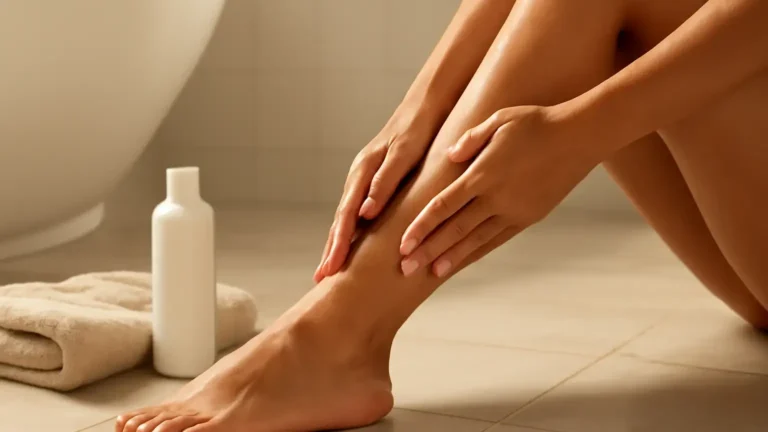
A dry skin body care routine works best when it protects moisture before skin feels tight: take a short lukewarm shower, use a gentle cleanser only where needed, then apply moisturiser while skin is still damp. This guide is for anyone in India noticing roughness as late October brings drier air, cooler evenings or more frequent bathing. The key decision is simple: use a light lotion for everyday comfort, then reserve a richer cream or occlusive for stubborn dry patches.
Late October can be an awkward transition for body skin in India. The air may still feel warm in the afternoon, while cooler mornings, fans, air-conditioning and longer showers gradually leave arms, legs and the torso feeling less comfortable. If your skin feels tight after bathing, looks ashy, or catches on clothing, the answer is usually not a complicated shelf of products. The order, timing and texture of your routine matter more.
What a dry skin body care routine should do
A useful routine has three jobs: reduce unnecessary removal of the skin’s natural oils, add water-binding and softening ingredients, and slow moisture loss from the surface. This is everyday skin barrier care rather than a treatment for a diagnosed skin condition.
Think of the routine in this order:
- During the shower: control water temperature, duration and cleansing strength.
- Immediately after: pat rather than rub and apply a damp skin moisturiser while a little water remains on the skin.
- At bedtime: add a richer body cream or targeted occlusive skincare step to areas that remain rough.
The best body care routine for dry skin is also one you can follow consistently. A simple lotion used daily is more practical than an expensive product that feels too sticky, heavily fragranced or inconvenient for regular use.
Step 1: Make the shower less drying
Choose lukewarm water
Hot water can feel soothing in cooler weather, but it may leave dry skin feeling tighter after the shower. For the question “is hot water bad for dry skin?”, the practical answer is that very hot, prolonged bathing can be irritating and drying for some people. Choose comfortably lukewarm water instead, and keep the shower reasonably short.
If you wash your hair separately, avoid standing under hot water for several extra minutes simply because the bathroom feels cool. A warm towel, robe or fan-free changing area can make the transition easier without turning the shower into a long soak.
Clean strategically, not aggressively
Use a gentle body wash on areas that need regular cleansing, such as the underarms, groin, feet and visibly sweaty areas. On the arms, legs and torso, a mild rinse may be enough on days when you have not been sweating heavily or exposed to dust. This does not mean avoiding hygiene; it means matching cleansing to the area and the day.
Look for a cleanser that leaves skin comfortable rather than squeaky. Strong fragrance, rough scrubbing particles and repeated lathering can make a routine less suitable for already dry skin. A soft washcloth or clean hands are generally preferable to vigorous loofah friction.
Step 2: Moisturise while skin is damp
The most important timing rule is to apply body moisturiser soon after bathing, ideally within a few minutes. Gently press excess water away with a towel, leaving skin slightly damp, and smooth on your product. This helps reduce the amount of water that evaporates from the surface.
When comparing body lotion for dry skin with a body cream, use texture as a decision guide:
| Texture | Best suited to | When to choose it |
|---|---|---|
| Light lotion | Large areas and warm, humid days | When you want quick absorption and easy daytime use |
| Body cream | Noticeably rough or tight skin | When lotion is not enough, especially in the evening |
| Balm or ointment | Small stubborn patches | When you need a protective final layer over cream |
Ingredients can help you choose without relying on marketing language. Glycerin and other humectants attract water to the outer skin layers. Emollients such as plant oils, fatty alcohols or shea butter help soften rough-feeling areas. Ceramides can support a moisturising formula designed for skin barrier care. Petrolatum is a strong occlusive ingredient that forms a protective layer and is often most useful in targeted areas.
There is no requirement to use every ingredient category at once. If a plain, comfortable lotion keeps your skin from feeling tight, it may be all you need for daytime.
Step 3: Give rough zones targeted attention
Dry elbows and knees often need more than a thin layer of lotion because the skin there is thicker and experiences repeated friction. Ankles, shins, knuckles and heels may also need extra care, particularly if you wear sandals, sit on the floor or use abrasive scrubs.
After applying your regular moisturiser, press a small amount of a richer body cream for dry skin onto these zones. If they still feel rough at night, seal the cream with a very thin layer of an occlusive product. This is more efficient than coating the whole body in a heavy balm.
For the question “what to use for dry elbows and knees?”, a practical sequence is: lukewarm wash, pat dry, cream on slightly damp skin, then a small amount of petrolatum-based balm or another suitable occlusive over the driest spots. Avoid applying a slippery product to the soles immediately before walking, as it can increase the risk of slipping.
Where body oil fits into the routine
Body oil for dry skin can make skin feel soft because oils act mainly as emollients and help reduce moisture loss. However, oil is not always a substitute for a water-containing moisturiser. Applied to completely dry skin, it may soften the surface without providing the same hydration feel as a lotion or cream.
Try one of these approaches:
- Apply a lotion or cream first, then use a few drops of oil over dry areas.
- Mix a small amount of oil into your palm with body lotion immediately before application.
- Use oil alone when your skin is already damp and you prefer a lighter routine.
Choose the method that feels comfortable and does not stain clothing or make you avoid moisturising. Fragrance-heavy oils may not suit sensitive or easily irritated skin, so a fragrance-free body care option is a sensible starting point.
Should you exfoliate dry body skin?
Body exfoliation is optional, not the foundation of a dry skin routine. Roughness can tempt you to scrub harder, but aggressive physical exfoliation may leave skin feeling more sensitive and tight. If you enjoy exfoliating and your skin is not irritated, use a gentle method no more than occasionally, followed by moisturiser.
Do not exfoliate over skin that is cracked, stinging, actively inflamed or unusually tender. Also avoid using several exfoliating products together simply to remove visible flakes. Moisturising consistently usually makes more sense than trying to polish away every rough patch.
A practical morning-to-bedtime routine
Morning or daytime
- Take a short lukewarm shower if bathing in the morning.
- Use gentle cleanser selectively rather than scrubbing the entire body.
- Pat until skin is no longer dripping but still slightly damp.
- Apply lotion over the arms, legs, torso and other exposed areas.
- Use sunscreen on exposed skin when appropriate for your outdoor plans; moisturiser does not replace sun protection.
Evening
- Cleanse after exercise, heavy sweating or outdoor exposure, without repeated hot-water washing.
- Apply a richer cream to shins, elbows, knees, hands and heels if they feel tight.
- Layer a small amount of occlusive over the most persistent patches.
- Wear comfortable cotton clothing if rough fabric increases friction.
This structure works as a dry body skin routine India because it can be adjusted for regional weather. In humid coastal areas, a lotion may be sufficient during the day. In drier inland areas, air-conditioned rooms or cooler northern evenings, cream and targeted occlusive use may be more comfortable.
Common mistakes that keep body skin dry
- Using very hot water: warmth feels pleasant, but excessive heat and long showers can increase post-bath tightness.
- Waiting until bedtime to moisturise: applying soon after the shower is easier while skin still holds some water.
- Scrubbing every day: flakes are not always a sign that more exfoliation is needed.
- Using face products on the whole body: they may be impractical or unnecessarily expensive for large areas.
- Choosing only by fragrance: a pleasant scent does not indicate that a product will suit dry skin.
- Applying too much occlusive everywhere: reserve heavy textures for areas that actually need them.
Who should adapt this routine?
This approach suits adults and older teens dealing with ordinary seasonal tightness, mild roughness or post-shower dryness. If you have persistent itching, significant redness, painful cracks, oozing, a spreading rash or symptoms that do not improve with gentle care, seek advice from a dermatologist or doctor. Those signs may need individual assessment, and a general beauty routine should not replace prescribed care.
Quick takeaway
A reliable dry skin body care routine is built around a short lukewarm shower, selective gentle cleansing, moisturiser on damp skin and richer occlusive care only where needed. Start with a texture you will use daily, adjust it for India’s late-October weather, and treat exfoliation as optional rather than essential.
Products that may help with this routine
Choose only what fits your skin, hair or personal needs. Use the links below to view current options on Amazon India.
Frequently Asked Questions
What is the best dry skin body care routine?
Use a short lukewarm shower, cleanse only as much as needed with a gentle body wash, pat skin until slightly damp, and apply lotion or cream immediately. Add a thin occlusive layer to persistent rough areas at night.
How do I moisturise dry body skin after a shower?
Pat away excess water without rubbing the skin completely dry. Within a few minutes, apply a body lotion or cream over the damp surface, then add a small amount of balm or petrolatum to elbows, knees, heels or other stubborn patches if needed.
Is hot water bad for dry skin?
Very hot or prolonged showers can leave some dry skin feeling tighter and more uncomfortable. Lukewarm water and shorter bathing are generally gentler choices, especially when the weather becomes cooler or indoor air is dry.
What should I use for dry elbows and knees?
Apply a body cream to slightly damp elbows and knees after bathing. If they remain rough, layer a small amount of an occlusive product over the cream at bedtime and reduce harsh scrubbing or friction.
How often should you exfoliate dry body skin?
Exfoliation is optional. If your skin is comfortable and not irritated, use a gentle method occasionally rather than daily. Skip exfoliation on cracked, stinging, inflamed or unusually tender skin.
What is a good winter body care routine for dry skin in India?
Use lukewarm water, a gentle cleanser, moisturiser immediately after bathing and a richer cream at night. In drier regions or air-conditioned rooms, add targeted occlusive care to rough patches instead of using a heavy product all over.