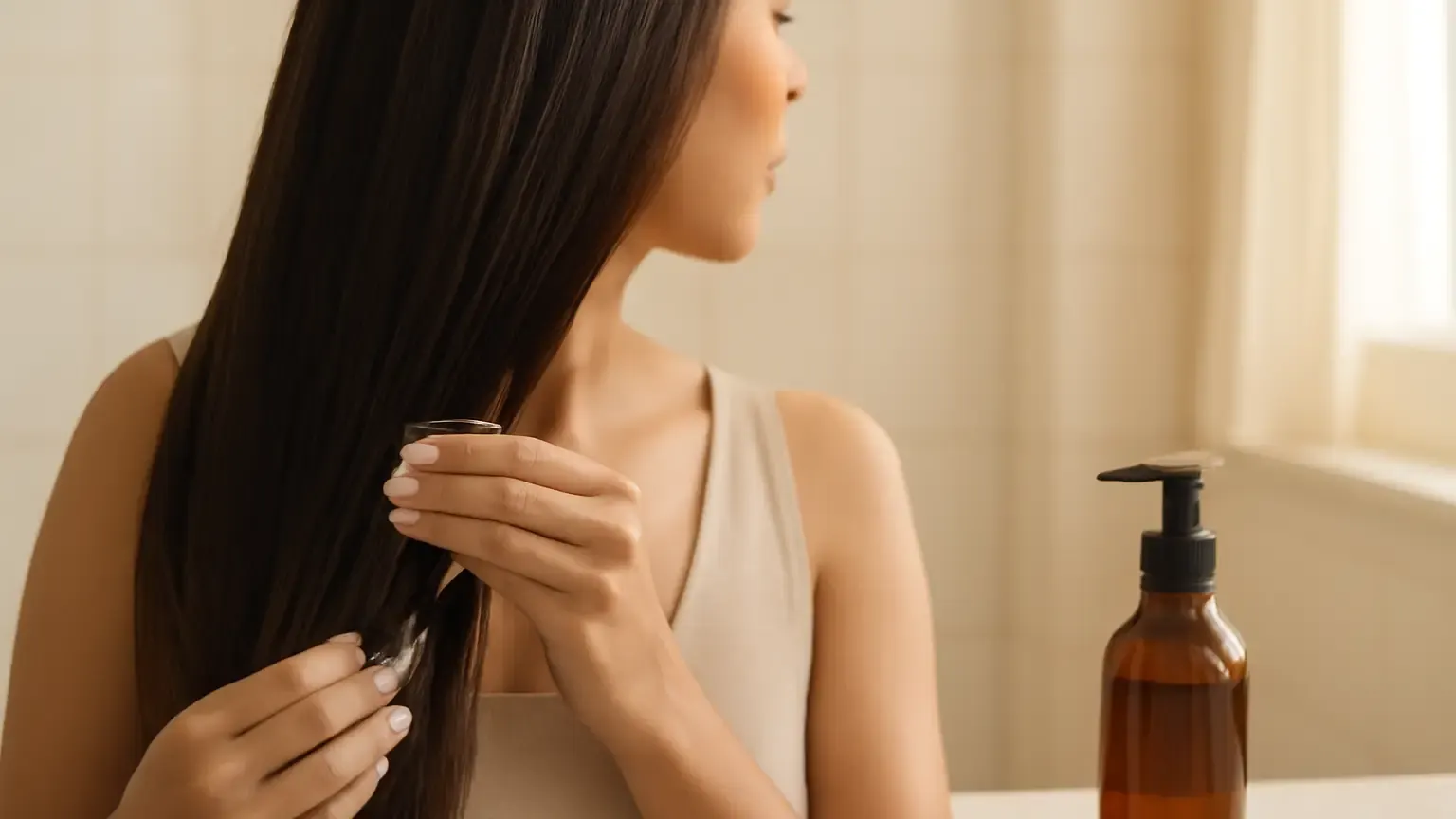
A practical hair care routine for colored hair can slow fading without turning wash day into a complicated ritual. This guide is for anyone with salon-colored, boxed-dyed, highlighted or bleached hair who wants to preserve tone, softness and shine. The key decisions are simple: wash less often when comfortable, use lukewarm water and a gentle colour-safe cleanser, condition the lengths properly, protect hair from heat and choose products that match your colour and hair texture.
Hair colour fades because the cuticle gradually allows pigment to escape. Frequent washing, hot water, heat tools, sunlight, chlorine and rough handling can speed up that process. A good routine cannot make colour permanent, but it can help hair remain brighter and more manageable between appointments.
Before you begin: match the routine to your colour and hair
Not every coloured head needs the same approach. Permanent dye, semi-permanent colour, highlights and bleach affect the hair differently. Bleaching removes or alters natural pigment and can leave the fibre more porous, so bleached hair care usually needs more moisture and gentler handling than a single-process darker tint.
Hair porosity also matters. Porous hair may absorb products quickly but lose moisture and colour more easily. Fine hair can become heavy with rich masks, while thick or coarse hair may need more conditioning. If your scalp becomes oily quickly, spacing out washes should be gradual rather than forced. Comfort and scalp hygiene come first.
1. Create a realistic wash-day schedule
The first step in a hair care routine for colored hair is controlling unnecessary washing. Shampooing lifts oil, sweat, styling residue and some loose colour from the hair surface. Washing every day may therefore make fading more noticeable, especially during the first few weeks after colouring.
Start by extending your usual wash-day frequency by one day if your scalp feels comfortable. Many people with dry or normal scalps can wash two or three times a week, while oily scalps, humid weather, workouts and heavy product use may require more frequent cleansing. There is no universal number.
- Use a clean, soft towel or cotton T-shirt to absorb water without rubbing.
- On non-wash days, brush gently from the ends upwards and avoid repeatedly restyling dry lengths.
- After swimming, rinse promptly with fresh water and cleanse when needed; chlorine and salt can make hair feel rough.
Dry shampoo can help on an occasional non-wash day, but it should not replace cleansing indefinitely. Apply it mainly at the roots, follow the product directions and wash when your scalp feels uncomfortable or coated.
2. Wash with lukewarm water and a gentle cleanser
A lukewarm water hair wash is kinder to coloured hair than very hot water. Heat can increase dryness and make the cuticle feel rough, which may contribute to a duller appearance. You do not need to use cold water; comfortably lukewarm water is a practical choice.
Choose a color-safe shampoo or sulfate-free cleanser according to your scalp and hair needs. “Sulfate-free” describes the cleansing system, but it does not automatically mean a formula suits everyone. A product should remove oil and buildup without leaving the scalp tight or the lengths squeaky.
How to shampoo coloured hair
- Wet the hair fully before applying cleanser.
- Use a small amount on the scalp, where oil and residue collect.
- Massage with fingertips rather than scratching with nails.
- Let the lather pass through the lengths while rinsing instead of scrubbing them.
- Repeat only if the hair is genuinely oily, heavily styled or coated with product.
If you have an itchy, painful or persistently irritated scalp, do not keep changing products without guidance. A dermatologist can help identify the cause.
3. Condition the lengths, not the scalp
Conditioner reduces friction, improves slip and helps the cuticle lie more smoothly. In this coloured hair care routine, squeeze out excess water first, then apply a color-safe conditioner from the mid-lengths to the ends. Leave it on for the time stated on the label and rinse thoroughly.
Applying a rich conditioner directly to an oily scalp can make roots look flat or greasy. However, very dry, curly or coarse hair may need a small amount closer to the roots. Adjust placement rather than following a rigid rule.
When to use a deep treatment
Use a deep conditioning treatment about once a week if your hair feels rough, porous or weakened by lightening. Fine hair may need it less often or for a shorter time. A mask improves feel and manageability, but it cannot repair split hair permanently or restore colour that has already washed out.
For split-end prevention, detangle with conditioner in the hair, begin at the ends and work upwards with a wide-tooth comb or flexible brush. Regular small trims can keep ends looking neater, while aggressive brushing and tight hairstyles can worsen breakage.
4. Protect hair before heat styling
Blow-dryers, straighteners and curling tools can add dryness and make colour look less vibrant. Apply a heat protectant spray or another labelled heat-protective product evenly through damp or dry hair, depending on its instructions. Make sure the lengths and ends are covered; a few sprays only at the front are unlikely to protect the whole head.
- Blot instead of rubbing hair dry before blow-drying.
- Use a moderate temperature and keep the dryer moving.
- Allow hair to become mostly dry before using a straightener or curling iron.
- Use the lowest effective temperature and avoid repeated passes over one section.
- Do not apply a hot tool to wet hair unless it is specifically designed for that use.
Heat protectant reduces styling stress but does not make high heat harmless. Air-drying, heatless curls and occasional styling are useful ways to reduce cumulative thermal damage.
5. Add protection from sun, chlorine and hard water
Colour longevity depends on more than shampoo. Sun exposure can make some shades appear lighter or warmer, while chlorine and saltwater can leave the hair dry and affect tone. UV protection for hair may come from a product labelled with UV filters, a hat or simply limiting prolonged direct exposure.
Before swimming, wet the hair with clean water and apply a suitable leave-in conditioner if compatible with the product instructions. A swim cap offers more reliable protection. Rinse immediately afterwards. If your home has hard water, a shower filter may improve how the hair feels, but it is not a guaranteed colour-preserving solution and needs regular maintenance.
For blondes and highlighted hair, brassiness control products such as purple or blue shampoos can help visually neutralise unwanted warmth. Use them only when needed and follow the label, because frequent use can make hair dry or temporarily alter the tone. They cannot replace a regular gentle cleanser or correct every colour issue.
6. Choose products that support colour longevity
The best hair routine after coloring is built around your actual concerns rather than a long shelf of matching products. Look for formulas that support moisture, smoothness and manageable styling without leaving a heavy film.
| Your priority | Useful product category | What to check |
|---|---|---|
| Dry, rough lengths | Moisturising conditioner or mask | Richness that suits your hair thickness |
| Oily roots | Gentle scalp cleanser | Enough cleansing without a tight, stripped feel |
| Frequent styling | Heat protectant | Clear directions for damp or dry hair |
| Blonde or highlighted colour | Occasional toning cleanser or mask | Shade-specific guidance and limited use |
| Sun or outdoor exposure | Hat, leave-in or UV-filter product | Practical protection you will actually use |
Colour-depositing conditioners can refresh some semi-permanent or fashion shades, but results depend on the existing colour, porosity and formula. Test a small hidden section first, especially if the hair is highly porous. Stop if a product causes burning, swelling or significant irritation.
A simple weekly routine you can follow
On wash day, shampoo the scalp with lukewarm water, condition the lengths, gently detangle and blot excess water. Apply heat protection if styling, then dry with moderate heat or let the hair air-dry. On non-wash days, keep the roots comfortable, protect hair from strong sun and avoid unnecessary hot-tool touch-ups.
Once a week, use a mask if your hair needs extra softness. Use a toning product only when brassiness is a genuine concern, not automatically after every wash. Review the routine after two to four weeks: if the scalp feels oily, adjust cleansing; if the lengths feel coated, reduce heavy layers; if they feel rough, add moisture or reduce heat.
Common mistakes that make colour fade faster
- Using very hot water: It can increase dryness and make washing feel harsher.
- Scrubbing the lengths: Shampoo belongs mainly on the scalp.
- Overusing toning products: Neutralising formulas are targeted tools, not always-on cleansers.
- Skipping heat protection: Even occasional styling can create cumulative stress.
- Changing everything at once: Introduce one product at a time so you can judge its effect.
- Ignoring scalp comfort: Extending wash intervals is not worth persistent irritation or discomfort.
Takeaway
The most effective hair care routine for colored hair is consistent rather than complicated: space out washes when comfortable, use a gentle cleanser and lukewarm water, condition the lengths, protect against heat and sun, and choose targeted products for dryness or brassiness. These habits can help colour look fresher for longer, but the shade, dye type, porosity and lifestyle will determine how quickly it changes.
Products that may help with this routine
Choose products based on your skin, hair or personal needs rather than buying every item in a routine.
- Color Safe Shampoo For Colored Hair Amazon India
(paid link) See relevant options on Amazon - Heat Protectant Spray For Hair Amazon India
(paid link) See relevant options on Amazon - Deep Conditioning Hair Mask For Colored Hair Amazon India
(paid link) See relevant options on Amazon
Frequently Asked Questions
How often should you wash colored hair?
Wash as often as your scalp requires, but try extending your usual schedule by one day if comfortable. Many people wash two or three times weekly, while oily scalps, workouts and humid weather may require more.
What is the best hair care routine after coloring?
Use lukewarm water, a gentle color-safe cleanser on the scalp, conditioner on the lengths, heat protection before styling and UV or swimming protection when relevant. Add a weekly mask if the hair feels dry.
How can you stop hair color from fading quickly?
Reduce unnecessary washing, avoid very hot water, use a colour-safe cleanser, limit high-heat styling and protect hair from sunlight, chlorine and saltwater. No routine can prevent all fading.
Can you use lukewarm water on colored hair?
Yes. Lukewarm water is a practical choice because it is less drying than very hot water. You do not need an uncomfortable cold rinse to care for coloured hair.
What is the best shampoo for color-treated hair in India?
Choose a cleanser labelled for colour-treated hair that suits your scalp, removes oil without a tight feeling and fits your hair texture. Sulfate-free is one consideration, not a guarantee of suitability.
How do you protect colored hair from heat styling?
Apply a labelled heat protectant as directed, use the lowest effective temperature, keep the dryer moving and avoid repeated passes with straighteners or curling tools.