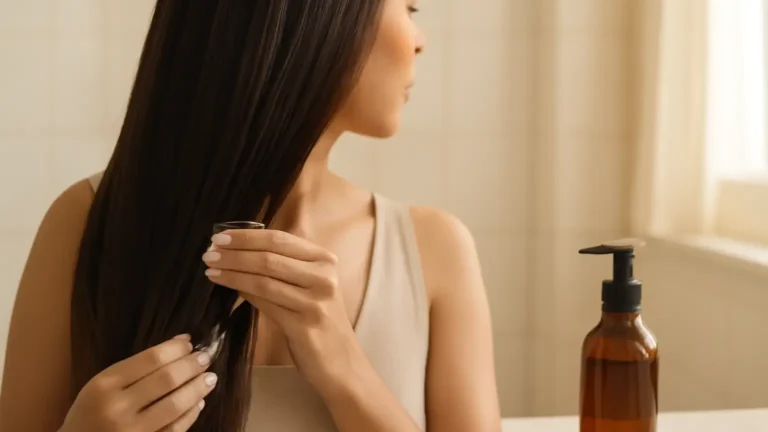
A protective hairstyle routine should reduce daily friction and manipulation without making your scalp, edges or roots work harder. This guide is for anyone wearing braids, buns or twists—especially natural, curly or coily hair in India’s heat and humidity. The key decision is simple: choose a style that feels secure but never painful, install it loosely, protect it at night, and remove it as soon as soreness, tight edges or persistent tangling appear.
Protective styling can make hair care more manageable, but the style itself is not automatically protective. A tightly pulled braid, heavy bun or neglected twist can create friction, dryness and stress at the roots. The goal is to keep the ends tucked away while preserving scalp comfort and limiting unnecessary handling.
This six-stage routine works for everyday buns, two-strand twists, flat twists, loose braids and extensions. It can support hair breakage prevention and length retention, but it cannot change the natural rate at which hair grows. Think of “protective hairstyles for hair growth” as a way to protect existing length, not a promise of faster growth.
What makes a protective hairstyle genuinely low tension?
A low-tension style distributes weight across the hair rather than concentrating it at the hairline or a few small sections. It should allow you to move your forehead, sleep comfortably and touch the scalp without sharp tenderness. A little firmness may help a style stay in place; pulling, throbbing or a headache indicates that the setup needs changing.
Good scalp-friendly hairstyles also suit your hair density, length and daily activity. Fine hair may prefer a loose low bun or a few larger twists instead of many small braids. Dense hair may need larger sections and a soft, wide base so the style does not become heavy. In humid Indian weather, avoid sealing wet hair into a covered style for long periods; dampness can contribute to an uncomfortable scalp and more tangling.
Six stages of a protective hairstyle routine
1. Prep the hair and scalp before styling
Start with hair that is clean enough for your scalp and sufficiently conditioned to handle sectioning. Follow your usual wash day routine, then detangle gradually from the ends upwards with fingers or a wide-tooth comb. If your hair is very dry, use a light conditioner or leave-in product rather than applying several heavy layers.
- Check for knots, shed hair and rough ends before you begin.
- Let the hair become mostly dry before braiding, twisting or making a bun.
- Apply a small amount of a compatible moisturising product to the lengths and ends.
- Keep oils and creams away from the scalp if they cause buildup or discomfort for you.
Preparation is also the first opportunity for edge protection. Do not brush baby hairs repeatedly into a hard, tight shape. Use your fingers or a soft brush sparingly, and leave the fine hair around the temples and nape out of a high-tension section.
2. Choose a braid, bun or twist that matches your hair
For a low tension protective hairstyle routine, select the simplest style that meets your needs. A loose low bun is practical for short wear. Large two-strand twists reduce daily handling and are easy to undo. Loose braids can keep the ends contained, while flat twists may distribute tension well when they are not anchored tightly.
When choosing among styles, consider:
- Weight: added hair and long extensions place more load on the roots.
- Size: very small sections can increase pulling if the hair is fine or fragile.
- Placement: a low style usually puts less stress on the hairline than a high, tightly secured one.
- Duration: choose a simpler style if you need to remove it frequently for washing or exercise.
Loose low-tension braids are often easier to adjust than intricate designs. If a style feels heavy before you have finished installing it, it is unlikely to become more comfortable later.
3. Install it without pulling or trapping too much weight
Part the hair with clean fingers or a smooth comb and keep sections comfortably sized. Begin each braid or twist slightly away from the scalp instead of gripping the roots tightly. For a bun, gather the hair with your hands and use a soft, snag-free holder; do not keep wrapping until the base feels rigid.
Seamless hair ties and fabric-covered bands can reduce catching, but no accessory makes a tight style safe. Avoid rubber bands that grip individual strands, metal joins that snag, and repeated re-tying in the same place. If you use extensions, keep the added hair light and stop if the roots feel weighed down.
Perform a tension check as you install:
- Can you slide a fingertip under the base without forcing it?
- Do your edges lie naturally, rather than looking stretched or shiny?
- Can you turn your head and raise your eyebrows without discomfort?
- Is any section sharply tender, numb, itchy or hot?
Remove or redo a section immediately if the answer raises concern. Waiting for the style to “settle” can allow avoidable braid tension to continue.
4. Protect the style while sleeping
Night-time friction can undo careful styling. Cover the hair with a clean satin bonnet or use a satin pillowcase if head coverings are uncomfortable. Satin is useful because its smooth surface generally creates less drag than rougher fabrics; it does not replace gentle installation or regular cleansing.
Before bed, loosely gather long braids or twists so they do not pull at the nape while you turn. Do not tie the hair so tightly that the nighttime wrap becomes another source of tension. If your scalp is damp after washing or exercise, allow it to dry comfortably before covering it.
5. Manage moisture, friction and wear time
Protective style maintenance is not “install and forget”. Look at the hairline and feel the scalp every few days. If the scalp feels dry, use a small amount of a lightweight, suitable product on the lengths or follow the product directions for scalp use. Too much layering can create residue that makes removal harder.
Keep the style flexible around exercise and hot weather. Sweat, dust and humidity may mean you need a shorter wear period or a gentle cleansing approach that suits your hair. Avoid scratching with nails, repeatedly tightening the style, or spraying products that leave the roots sticky. These habits can increase friction and tangling.
There is no universal number of days for every braid, bun or twist. Fine hair, a sensitive scalp, frequent workouts and added extensions may require earlier removal. A style is ready to come down when the roots are tangled, the scalp is uncomfortable, the hairline looks stressed or cleansing has become difficult. More time is not automatically more protective.
6. Remove the style gently and reset the hair
Set aside enough time for removal; rushing is a common cause of breakage. Take out accessories first, then undo each braid or twist from the ends towards the roots. Use your fingers to separate shed hair gradually rather than pulling through a compacted section.
For stubborn tangles, apply a little conditioner or detangling product and pause while it adds slip. Work in small sections with fingers before using a wide-tooth comb. A complete detangling routine may take longer after extensions or a long wear period, so avoid starting when you are tired or in a hurry.
After removal, cleanse according to your normal needs, condition the lengths and inspect the hairline without harsh brushing. Give the scalp and edges a break before installing another structured style. If you notice persistent soreness, marked thinning, open skin, swelling or unusual shedding, stop recreating the source of tension and seek advice from a dermatologist or doctor.
Quick warning signs that mean “adjust or take it down”
Use comfort as an active decision tool, not a test of endurance. Take action if you notice:
- headache, throbbing or tenderness soon after installation;
- shiny, stretched or lifted edges;
- pain when touching the roots or lying down;
- numbness, burning or persistent itching;
- small bumps, broken hairs or visible scalp stress;
- matted roots or tangles that worsen each day.
A loose bun can be remade lower, a braid can be undone and reinstalled with a larger section, and a twist can be shortened to reduce weight. These small changes are more useful than trying to preserve a style at any cost.
Common protective styling mistakes to avoid
- Starting with wet hair: hair may shrink, tighten and tangle as it dries inside the style.
- Using too much tension for neatness: a smooth finish is not worth sore edges.
- Choosing a style that is too heavy: length and added hair increase the load at the roots.
- Ignoring the scalp: discomfort is feedback, not something to cover with more product.
- Leaving it in indefinitely: shed hair can wrap around neighbouring strands and make removal rougher.
- Detangling aggressively after removal: conditioner, patience and small sections are safer than force.
Takeaway: make comfort part of the routine
The best protective hairstyle routine keeps the ends contained while leaving the scalp, edges and roots calm. Prep and detangle gently, choose a light braid, bun or twist, install without pulling, use a satin barrier at night, review the style during wear and remove it slowly. If soreness, tight edges or tangling appears, adjust the style or take it down—comfort is the clearest sign that your routine is genuinely protective.
Products that may help with this routine
Choose products based on your skin, hair or personal needs rather than buying every item in a routine.
- Satin Bonnet For Women Amazon India
(paid link) See relevant options on Amazon - Seamless Hair Ties Amazon India
(paid link) See relevant options on Amazon - Wide Tooth Comb For Curly Hair Amazon India
(paid link) See relevant options on Amazon - Lightweight Leave In Conditioner For Curly Hair Amazon India
(paid link) See relevant options on Amazon
Frequently Asked Questions
How do you do a protective hairstyle routine?
Prep clean, mostly dry and detangled hair, choose a lightweight braid, bun or twist, install it without pulling, protect it at night with satin, check tension during wear and remove it slowly from the ends upward.
What are the best low tension protective styles for natural hair?
Loose low buns, larger two-strand twists, relaxed braids and gentle flat twists can work well. The best option depends on hair density, length, scalp comfort, activity and how easily you can wash and remove the style.
How often should you take down a protective hairstyle?
There is no fixed schedule for everyone. Take it down when the roots tangle, the scalp becomes uncomfortable, the hairline looks stressed or cleansing is difficult. Fine hair, exercise and heavy extensions may call for earlier removal.
How do you sleep with braids without frizz?
Use a clean satin bonnet or satin pillowcase, loosely gather long braids so they do not pull at the nape, and avoid tying the covering or braids tightly. Make sure the hair is comfortably dry before covering it.
What are signs braids are too tight?
Headache, throbbing, tenderness, pain when lying down, numbness, burning, stretched-looking edges or small bumps are warning signs. Undo or redo the affected section rather than waiting for the discomfort to settle.
Are braids good for hair growth?
Braids do not make hair grow faster. When installed loosely and maintained well, they may reduce handling and help retain existing length by limiting friction and breakage. Tight or heavy braids can create the opposite problem.